
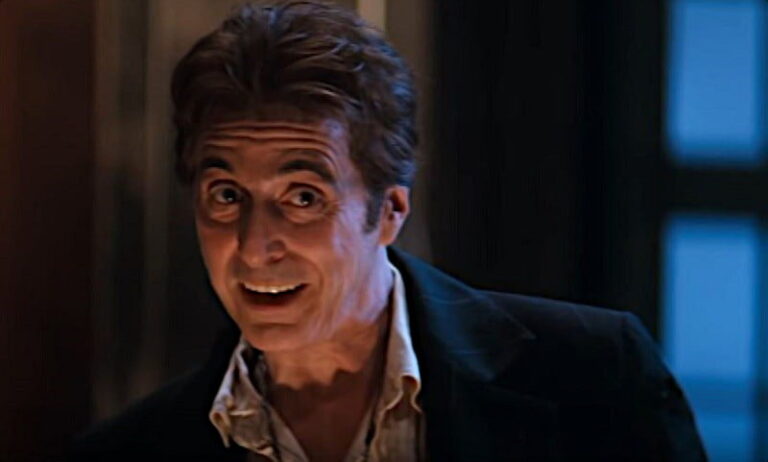

The 1990s gave us some of cinema’s most quotable moments, but they also gave us something far more unsettling: a preview of the world we’re living in right now. While we were laughing at witty one-liners and gasping at plot twists, filmmakers were embedding warnings about the future into their scripts. They explored themes of identity commodification, surveillance culture, digital manipulation, and the erosion of authentic human connection. At the time, these ideas felt like thought experiments or dystopian exaggerations.
Fast forward to 2026, and those “exaggerations” have become our daily reality. We live in a world where our data is currency, our identities are performances optimized for algorithms, and truth itself has become a battleground. The prescient movie quotes from 90s films no longer feel like fiction. They feel like documentation of a transformation that was already underway, visible to anyone willing to look closely enough.
What’s remarkable isn’t just that these films anticipated technological changes. Plenty of science fiction does that. What’s haunting is how accurately they predicted the psychological and social consequences of those changes. They understood that the real danger wouldn’t come from robots or obvious villains, but from systems that make us complicit in our own manipulation. They saw that freedom could become a product, identity could become a performance, and rebellion could become another marketing category.
These thirteen quotes from 1990s movies have aged like fine wine, or perhaps more accurately, like prophecies we wish hadn’t come true. Each one hits differently now, carrying weight that even their creators might not have fully anticipated. Let’s examine why these lines resonate so powerfully in 2026, and what they reveal about both the decade that created them and the world we’re navigating today.
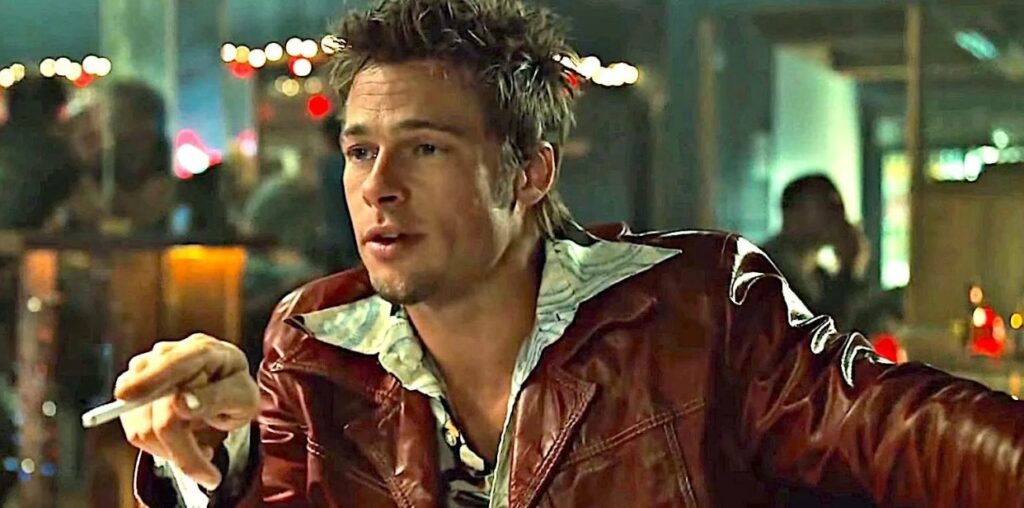
The things you own end up owning you. – Fight Club (1999)
When Tyler Durden delivered this line in Fight Club, audiences understood it as a critique of 90s consumerism and the pursuit of perfect IKEA apartments. In 1999, this felt edgy and countercultural. In 2026, this quote describes our relationship with technology and data more accurately than anyone could have predicted. We don’t just own smartphones, streaming subscriptions, and smart home devices. They own us right back. Our subscription economy has created perpetual financial obligations that never end.
 20th Century Studios
But the possession goes deeper than money. Our devices know our locations, conversations, health metrics, and behavioral patterns. Social media platforms own our attention, engineered to create compulsive checking behaviors. The average person now checks their phone over 100 times daily, a relationship that looks less like ownership and more like addiction. Tyler Durden was talking about IKEA furniture; we’re living in a world where our possessions have surveillance capabilities and terms of service agreements.
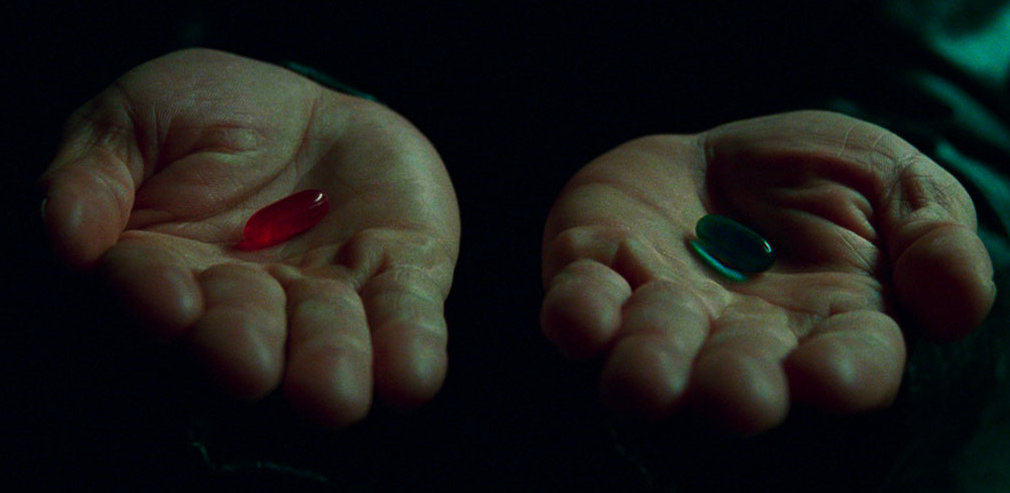
You take the blue pill, the story ends. You take the red pill, you stay in Wonderland. – The Matrix (1999)
The Wachowskis created one of cinema’s most enduring metaphors with The Matrix and its iconic red pill/blue pill choice. In 1999, this represented a straightforward decision between comfortable illusion and harsh reality. By 2026, this metaphor has been completely weaponized and fragmented. The phrase “red pilled” has been co-opted by various online movements, each claiming to offer the “real truth” while dismissing everything else as lies or propaganda.
 Warner Bros.
The original choice was binary and clear. Today’s “red pill” exists in an environment where multiple groups offer contradictory versions of reality, all using the same metaphor. The real question in 2026 isn’t whether you’re willing to see the truth. It’s how you determine which version of truth is actually true when everyone claims to have taken the red pill.
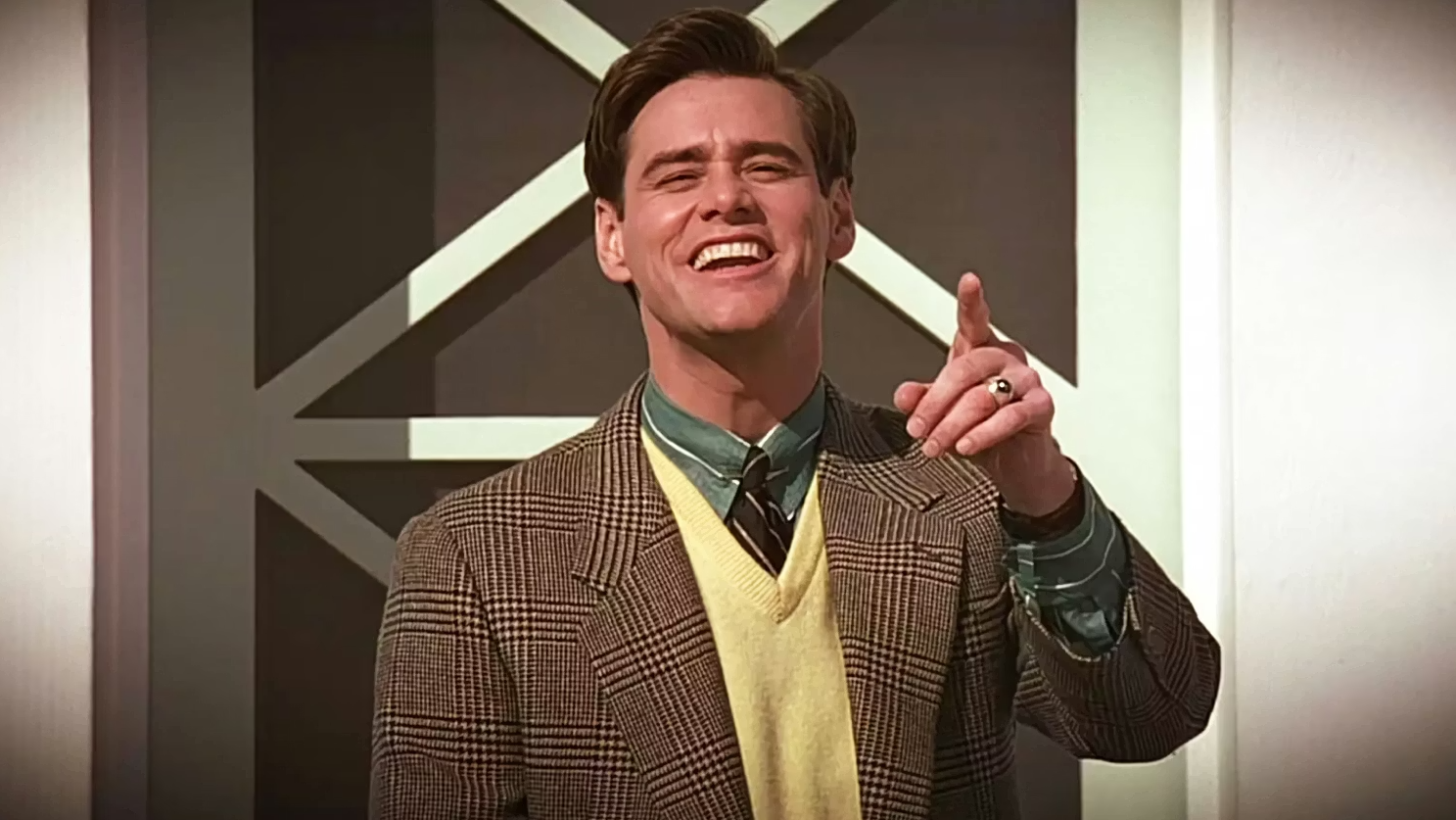
Good morning! And in case I don’t see ya, good afternoon, good evening, and good night! – The Truman Show (1998)
Peter Weir’s The Truman Show imagined a man whose entire life was a television production, broadcast 24/7 to global audiences without his knowledge. In 1998, this concept felt like dark satire. Twenty-eight years later, we’ve all become Truman, except we volunteered for it. Social media has turned existence into performance. We curate our lives for audiences, craft narratives about our experiences, and measure our worth through engagement metrics.
 Paramount Pictures.
People now consider “content potential” when making life decisions. Vacation destinations get chosen based on Instagram appeal. We’ve internalized the camera to the point where we self-edit in real time, optimizing our lives for an invisible audience’s approval. Truman tried to escape his manufactured reality. We pay monthly subscriptions to maintain ours, and we call it “building our personal brand”.
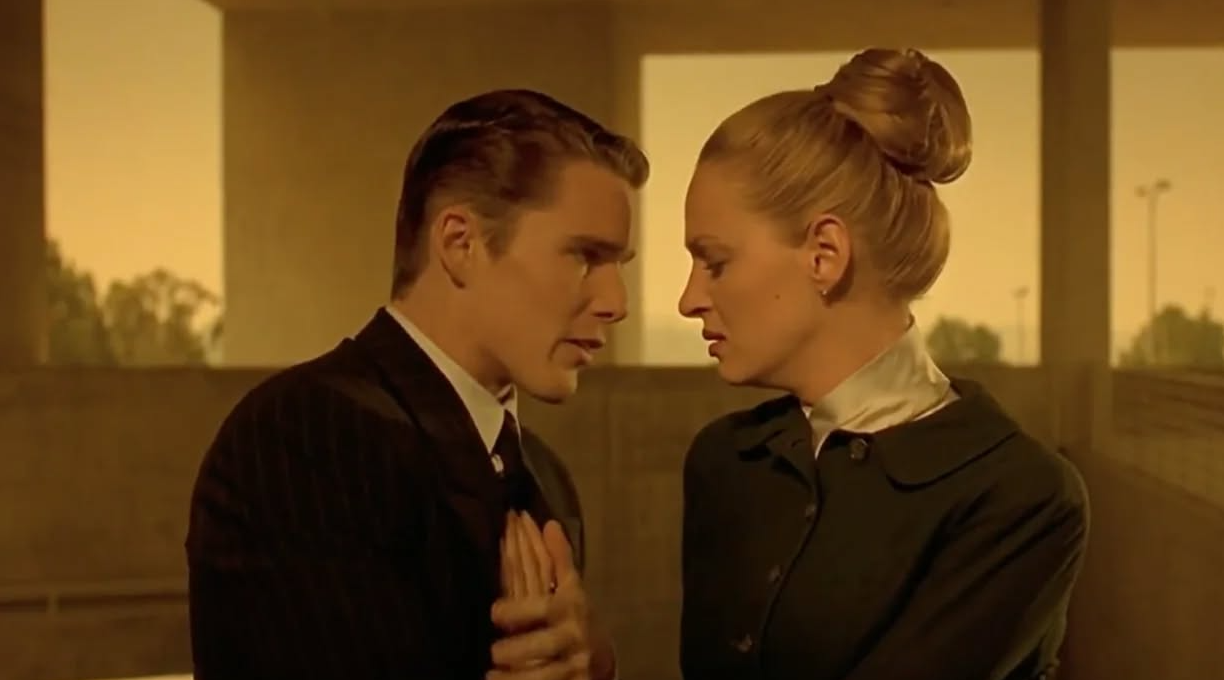
There is no gene for fate. – Gattaca (1997)
Andrew Niccol’s Gattaca explored a future where genetic engineering created a biological caste system. Vincent Freeman’s declaration was his rebellion against a society that judged human potential through DNA sequencing. In 2026, we’re living in Vincent’s world, just with different terminology. CRISPR technology has made genetic editing real. Companies now offer genetic testing that claims to predict everything from disease risk to personality traits. More troublingly, AI-powered recruiting tools evaluate candidates based on data patterns that function as digital DNA.
 Columbia Pictures.
The “gene for fate” has been replaced by the data profile for fate. Credit scores determine housing access. Algorithmic risk assessments influence criminal sentencing. Some companies’ AI hiring tools have been found to discriminate based on factors the developers never intended. We’ve built Vincent’s dystopia, just distributed across databases instead of concentrated in genetic code.
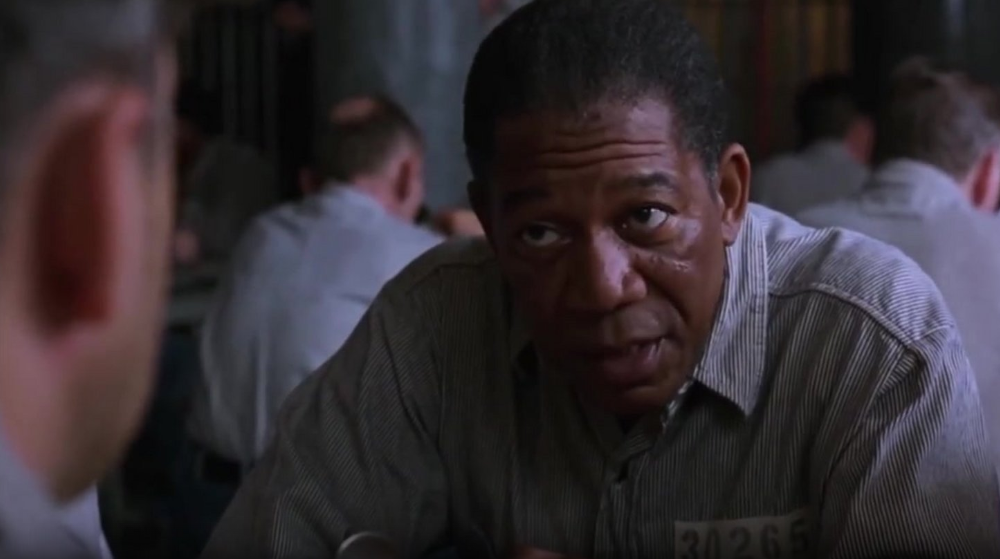
Hope is a dangerous thing. Hope can drive a man insane. – The Shawshank Redemption (1994)
Red’s warning to Andy Dufresne in The Shawshank Redemption came from a place of protective pessimism. After decades in prison, Red had learned that hope creates vulnerability. In 2026, Red’s cynical take has found new relevance. Hope has become commodified and weaponized. Self-help industries sell hope as a product, promising transformation through the right mindset, routine, or purchase. Motivational content floods social media, turning genuine encouragement into empty platitudes.
 Warner Bros.
The dangerous part isn’t hope itself, but how it’s been packaged and sold. Toxic positivity dismisses legitimate concerns. Hustle culture turns hope into a grinding obligation, suggesting that anyone who works hard enough will succeed. Red was worried hope would drive Andy insane. Today’s concern is that commercialized hope keeps us sane enough to keep participating in structures that harm us, always believing the next purchase or opportunity will finally deliver the transformation we’ve been promised.
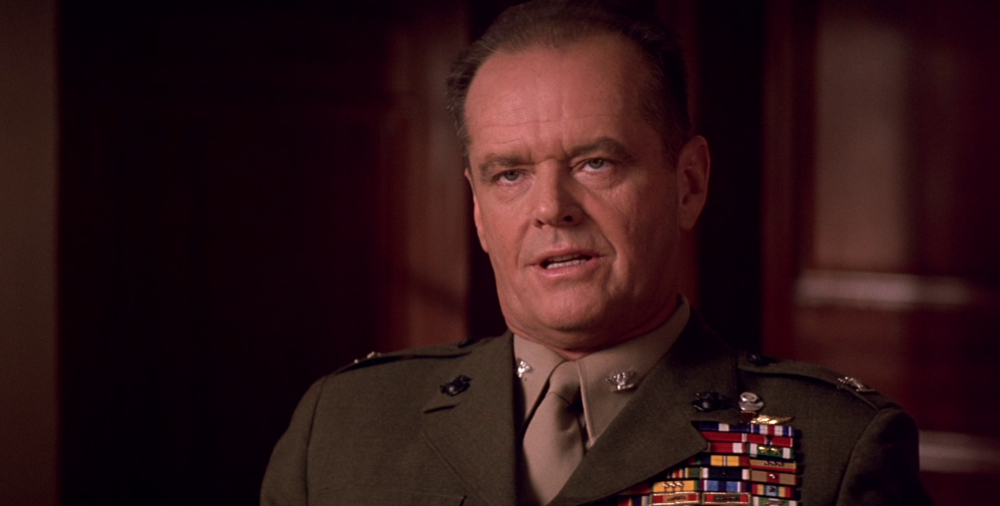
You can’t handle the truth! – A Few Good Men (1992)
Colonel Jessup’s explosive courtroom declaration in A Few Good Men was about military necessity and moral compromises. Jack Nicholson’s performance made this line iconic. In 2026, this quote describes our entire information ecosystem. Truth isn’t unbearable because it’s too harsh; it’s unbearable because it’s politically, socially, or economically inconvenient. We fragment into communities based on which versions of truth we can handle.
 Columbia Pictures.
Climate scientists present data that gets dismissed because accepting it requires lifestyle changes. Economic analyses that challenge assumptions get rejected. The phrase has evolved from a taunt about weakness into a diagnosis of our fractured reality. We’ve built a world where everyone gets to be right by curating their own version of reality, and algorithms helpfully reinforce those choices by showing us content that confirms what we already believe.
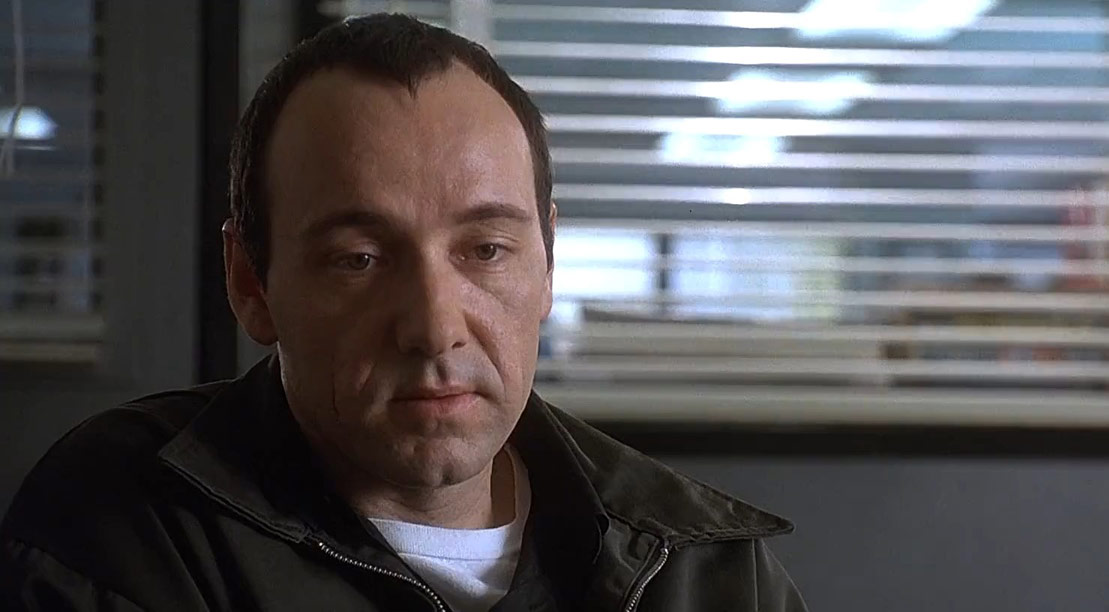
The greatest trick the Devil ever pulled was convincing the world he didn’t exist. – The Usual Suspects (1995)
Verbal Kint’s final monologue in The Usual Suspects revealed the brilliance of Keyser Söze’s strategy: become invisible while operating in plain sight. In 1995, this was about criminal masterminds and elaborate deceptions. In 2026, this describes how surveillance capitalism operates. The most powerful systems in our lives have convinced us they’re not systems at all, just neutral platforms and helpful tools.
 Paramount Pictures.
We’ve been persuaded that algorithmic curation is convenience, not control. That data harvesting is personalization, not surveillance. That attention engineering is engagement, not manipulation. The devil doesn’t need to hide anymore. He just needs to rebrand as innovation, disruption, and progress. Like Keyser Söze, the most powerful forces in modern life have convinced us they barely exist while reshaping every aspect of how we think, connect, and live.
This is your life, and it’s ending one minute at a time. – Fight Club (1999)
Another Tyler Durden gem from Fight Club, but this one cuts differently than his consumerism critique. This line was about mortality awareness and rejecting comfortable complacency. In 1999, it was a wake-up call to stop sleepwalking through existence. In 2026, it’s become a description of how we actually experience time in the digital age. Our lives are literally measured minute by minute, tracked by screen time apps, quantified by productivity software, and monetized by platforms.
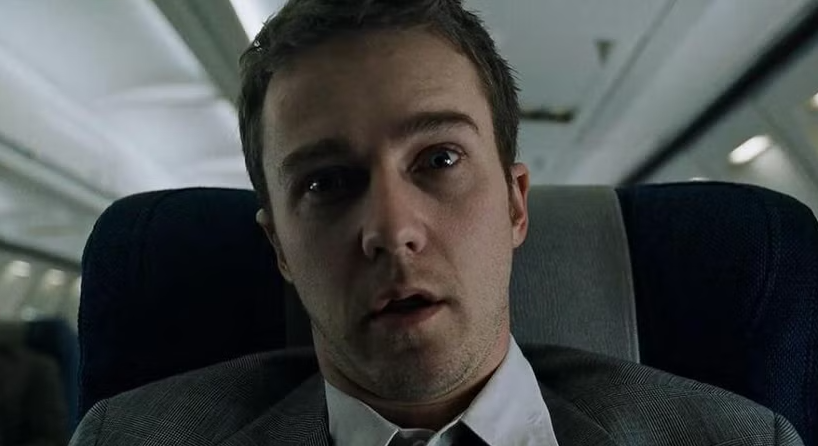 20th Century Studios.
Every minute is accounted for, optimized, and potentially profitable. Time blocking, pomodoro techniques, and hustle culture have turned Tyler’s existential warning into a productivity system. We’re hyper-aware that life is ending minute by minute, but instead of inspiring us to live authentically, it’s created an anxiety-driven optimization culture where every moment must be maximized, documented, and leveraged. Tyler wanted us to feel alive before we die. We’ve turned the reminder into another source of stress and another metric to track.
I don’t want to sell anything, buy anything, or process anything as a career. – Say Anything (1990)
Lloyd Dobler’s declaration in Say Anything was about rejecting conventional career paths and maintaining authenticity in a commodified world. In 1990, this was youthful idealism, the romantic notion that you could opt out of the system. In 2026, this sentiment has become functionally impossible. Everyone sells something now, even if it’s just their personal brand, their attention, or their data.
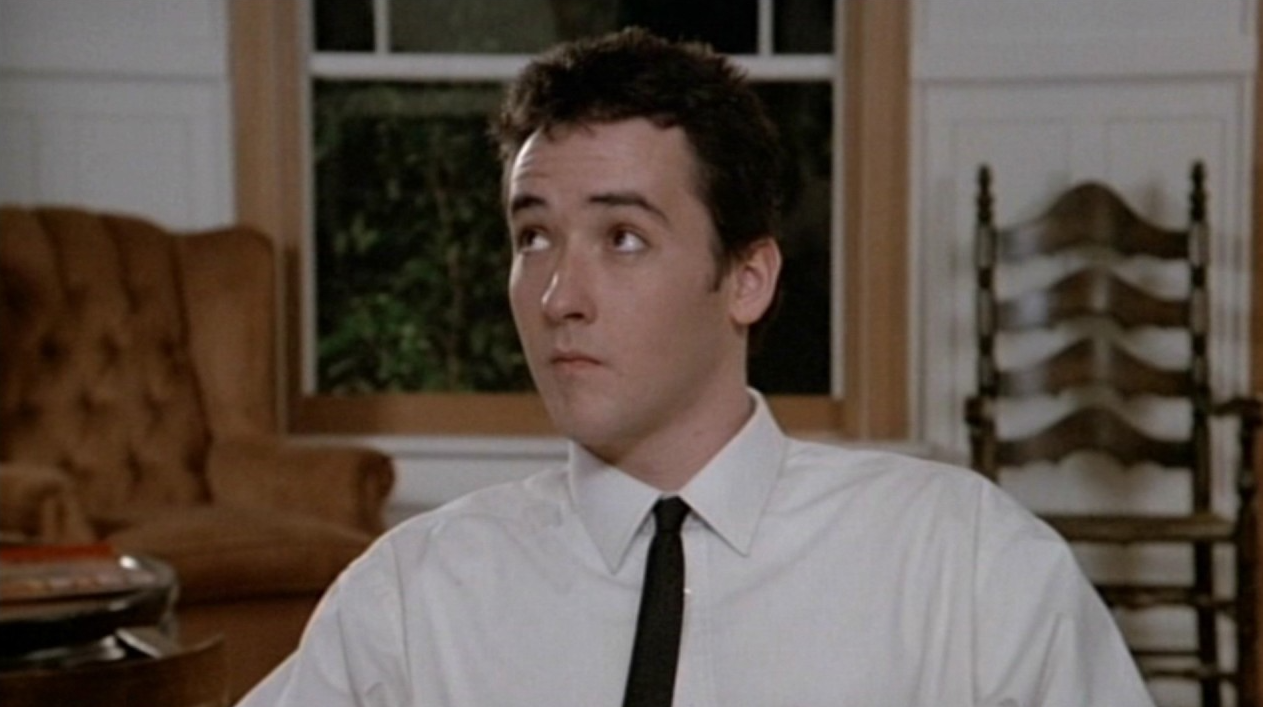 Buena Vista Pay Television.
The gig economy has turned everyone into a seller. Influencers sell their lives. Freelancers sell their skills by the hour. Even traditional employees must sell themselves constantly through personal branding and professional networking. Lloyd’s dream of existing outside the buy-sell-process cycle feels quaint now. We’re all processing something, selling something, optimizing something. The only choice is what you’re selling and how explicitly you’re doing it. Opting out isn’t rebellion anymore. It’s economic suicide.
I’m not saying I’m going to change the world, but I guarantee that I will spark the brain that will. – Tupac in Juice (1992)
In Juice, Bishop’s descent into violence was framed against a backdrop of young men seeking power and respect in a system that denied them both. This quote reflects a different character’s hope for impact and legacy. In 1992, it was about finding purpose and making a difference in difficult circumstances. In 2026, this perfectly captures the delusion of the digital age: everyone convinced their content, their post, their idea will go viral and change everything.
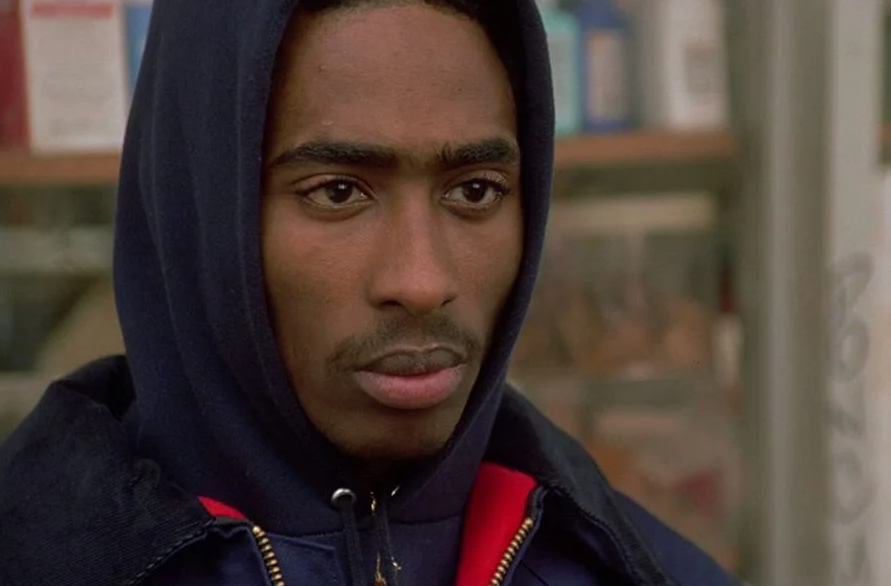 Paramount Pictures.
Millions believe they’re one breakthrough away from significance. One tweet from fame. One video from success. One startup from changing the world. The democratization of platforms has created a generation of people certain they’re special, that their voice matters, that they’ll spark something revolutionary. But when everyone is trying to spark the brain that will change the world, mostly we’re just creating noise. The quote that once represented hope against systemic barriers now describes the false hope that keeps people producing free content for platforms that actually change nothing but their own profit margins.
I do what I do best. I take scores. You do what you do best. Try to stop guys like me. – Heat (1995)
Neil McCauley’s pragmatic statement to Vincent Hanna in Heat was about the eternal cat-and-mouse between criminals and cops, two sides of the same coin doing their jobs. In 1995, this was about professional respect between adversaries. In 2026, this describes the relationship between users and platforms, between individuals and algorithms, between people and the systems that harvest them.
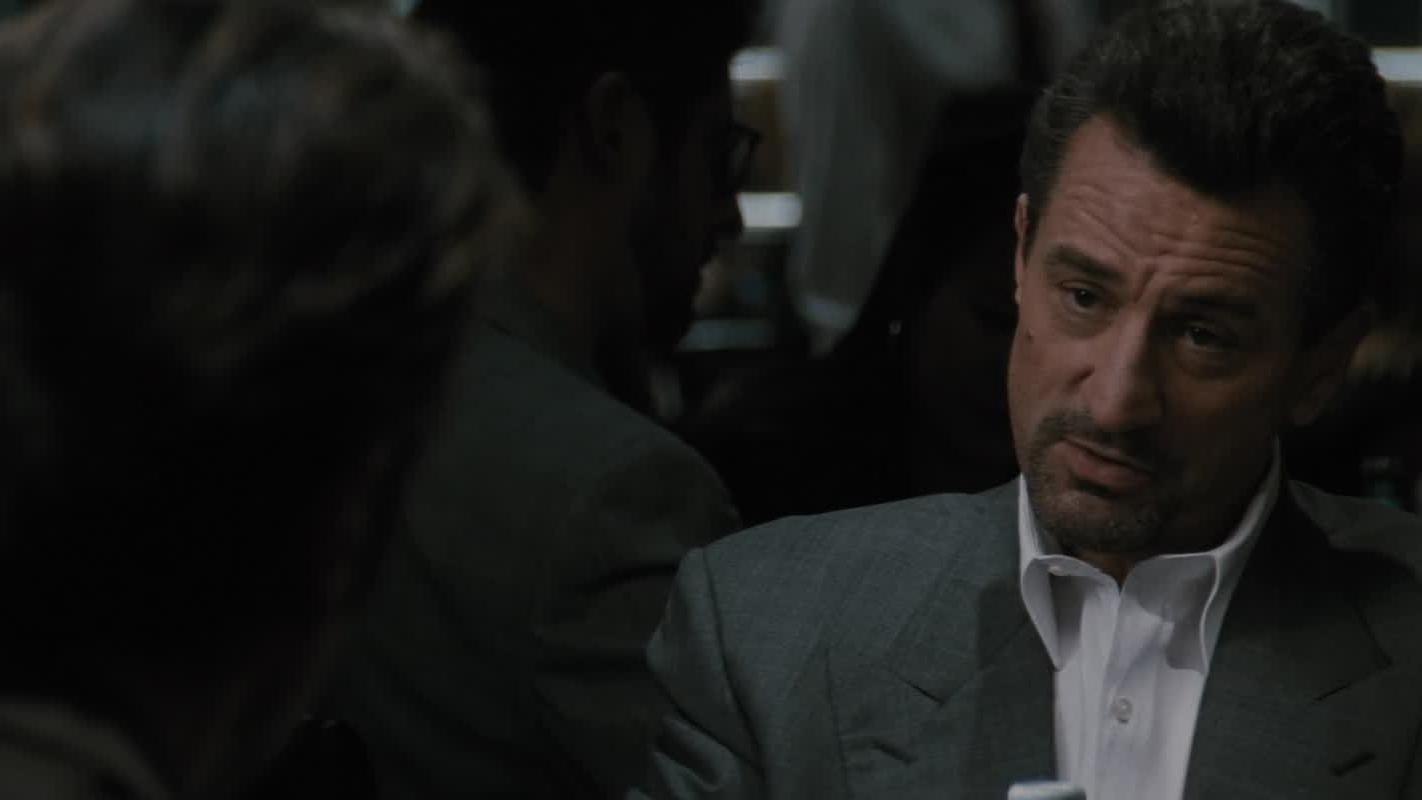 Warner Bros.
Platforms do what they do best: extract data, engineer attention, and maximize engagement. Users do what they do best: try to maintain privacy, resist manipulation, and preserve autonomy. But like McCauley and Hanna, we’re locked in a game where both sides know the rules and know that neither can truly win. The platforms will always find new ways to harvest. Users will always try new ways to resist. It’s a professional dance where everyone plays their role, and the game continues indefinitely. The only question is how much damage gets done before someone walks away.
Vanity, definitely my favorite sin. – The Devil’s Advocate (1997)
John Milton’s declaration in The Devil’s Advocate was about the deadliest of human weaknesses: our love of ourselves, our image, our perceived importance. In 1997, this was about personal ego and moral corruption. In 2026, vanity has become the engine of the entire digital economy. Social media platforms are built on it, monetized through it, and sustained by it. Every selfie, every curated post, every carefully crafted story feeds the beast.
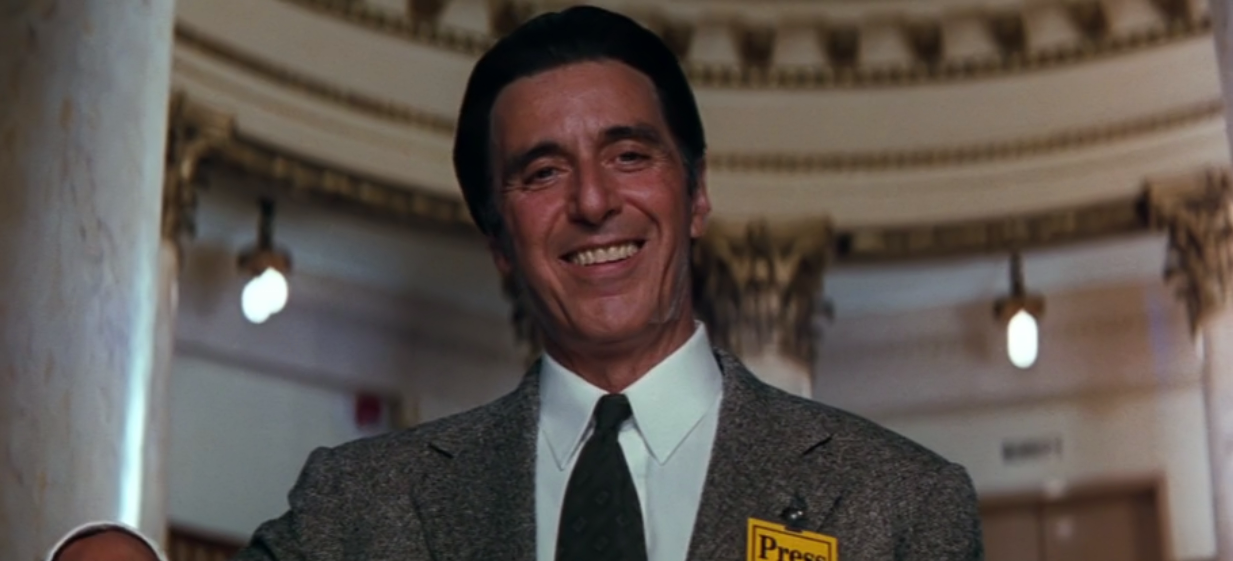 Warner Bros.
We’ve constructed a civilization around our own reflections. Instagram, TikTok, LinkedIn—they’re all mirrors that tell us we’re special, important, worth watching. The algorithm rewards vanity with dopamine hits: likes, shares, followers, engagement. Milton was right. Vanity isn’t just a sin anymore. It’s the business model. We’ve turned narcissism into content, self-obsession into personal branding, and the constant need for validation into a cultural norm. The devil knew what he was talking about. He just didn’t know we’d build an entire infrastructure around it.
I see pride! I see power! I see a bad-ass mother who don’t take no crap off of nobody! – Cool Runnings (1993)
In Cool Runnings, this motivational chant was about the Jamaican bobsled team finding self-worth and dignity despite being ridiculed and underestimated. In 1993, this was an underdog sports story about overcoming adversity through self-belief. In 2026, this perfectly captures the performance of empowerment that dominates social media. Everyone’s posting their “boss” moments, their “no-nonsense” attitudes, their carefully curated displays of confidence and strength.
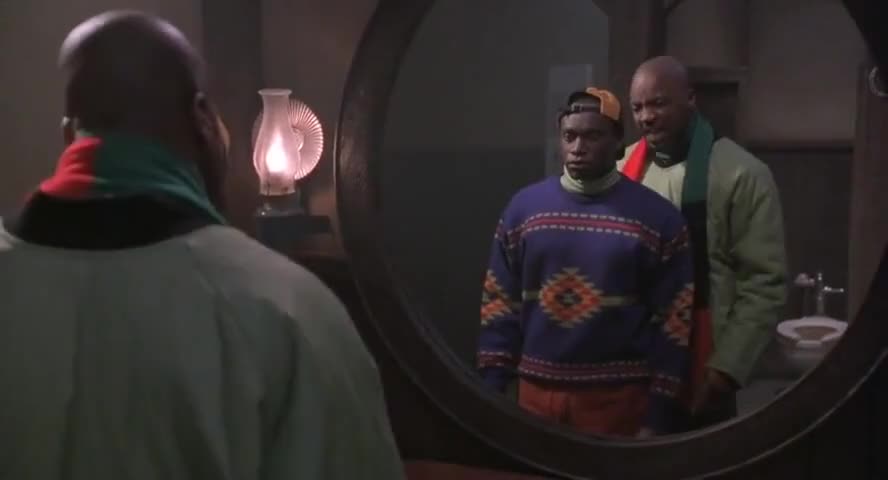 Walt Disney Pictures.
But it’s all performance, all chanting in the mirror. The Instagram girlboss. The LinkedIn thought leader. The Twitter main character. Everyone’s projecting pride, power, and badassery while quietly struggling with imposter syndrome, burnout, and anxiety. The Jamaican team earned their confidence through genuine struggle and achievement. Today’s version is affirmations without action, empowerment branding without actual power. We’ve turned self-belief into content, personal growth into a marketable aesthetic. We see pride and power everywhere online, but look closer and you’ll find people performing confidence they don’t feel, hoping that if they chant it loud enough in the mirror of social media, it might become real.
Why These Quotes Hit Different in 2026
The 1990s weren’t naive. Popular culture dismisses the decade as an era of frivolous optimism, but the films from that era tell a different story. They were skeptical, paranoid, and perceptive about the transformations underway. Filmmakers sensed that something fundamental was shifting. Digital technology was emerging, economic structures were mutating, media was fragmentating, and identity itself was becoming fluid and performative.
What these prescient movie quotes share is an understanding that the real threats wouldn’t be obvious villains but subtle systems. Not invasions but erosions. Not dramatic revolutions but gradual redefinitions of normal. The 90s films saw that freedom could become voluntary imprisonment, that truth could become multiple incompatible things, that connection could enable isolation, and that progress could circle back to oppression wearing new branding.
These quotes function as both vindication and warning. Vindication because they prove that thoughtful observers saw what was coming, even if we collectively chose not to listen. Warning because the patterns they identified continue evolving. The real lesson isn’t that 90s movies predicted the future. It’s that they understood human nature well enough to know what we’d do with new tools and opportunities. The movies gave us the warnings. What we do with them is still, somehow, up to us.