

It is incredibly rare that we can pinpoint a specific calendar year and definitively declare, “That was when everything changed for the better.” However, looking back at the cinematic landscape of 2014 from our vantage point in 2026, it is becoming increasingly clear that this was a massive watershed moment for modern filmmaking. Sandwiched between the early days of the MCU’s dominance and the eventual rise of streaming-first releases, 2014 offered a perfect storm of auteur-driven passion projects, genre-defining blockbusters, and indie darlings that punched well above their weight. It was the year Keanu Reeves got his groove back, Christopher Nolan aimed for the stars, and Wes Anderson perfected his signature pastel aesthetic.
More than a decade later, the dust has settled, and the staying power of these films is undeniable. These are not just good movies; they are cultural touchstones that have effectively shaped the last twelve years of cinema history. While 2014 felt competitive at the time, we now recognize it as a golden era where studios were still willing to take massive risks on original concepts and R-rated action. From the resurrection of practical stunt work to the elevation of comic book movies into space operas, the impact is still felt today. Here are 6 incredible movies from 2014 that have officially earned the title of “Classic.
-
1 John Wick (2014)
Lionsgate Watch Now
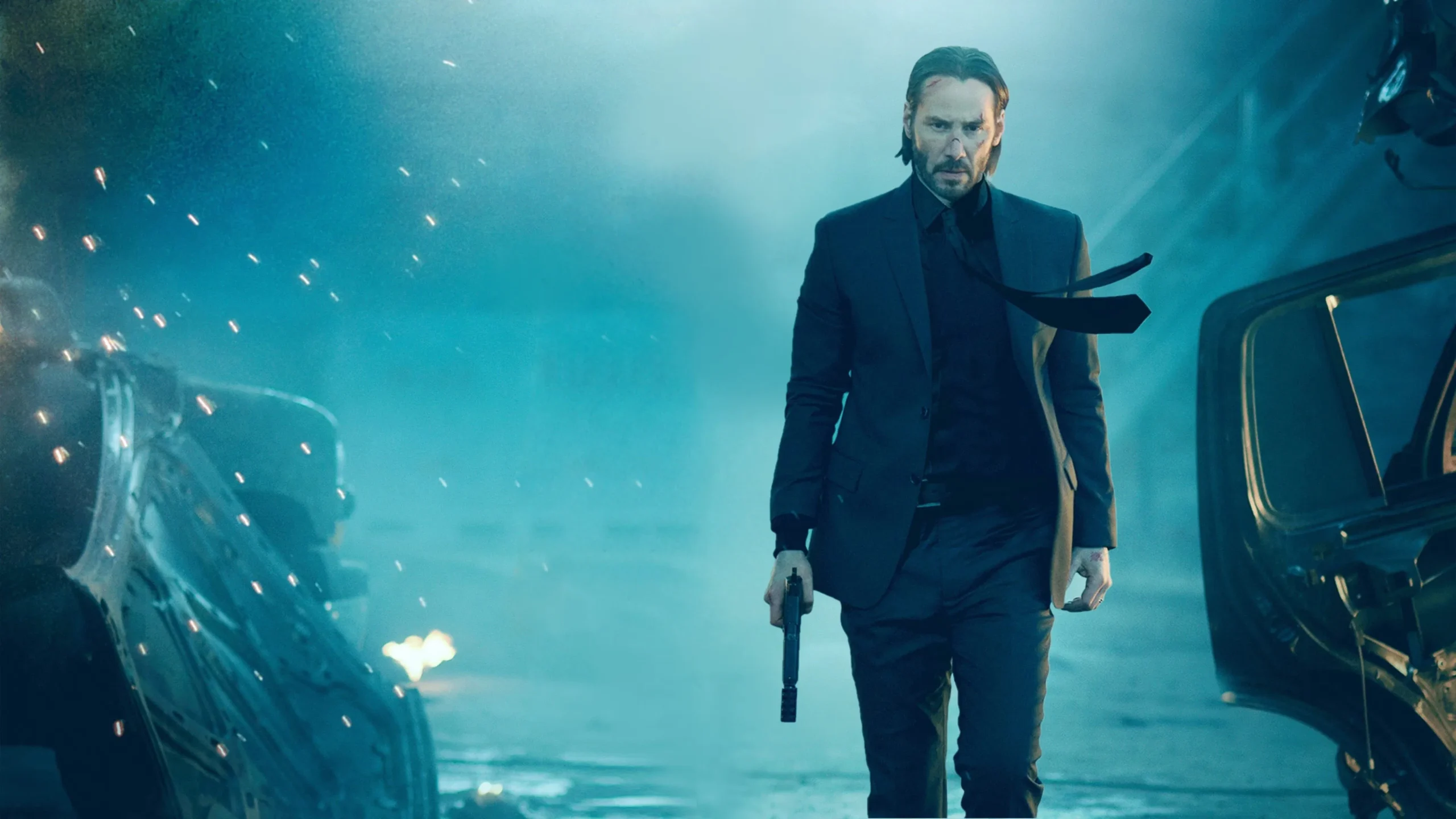
When the first trailer for John Wick dropped, it honestly looked like a standard, direct-to-video B-movie action flick: retired hitman, dead puppy, revenge. Nobody expected it to completely rewrite the rulebook for American action cinema. In an era plagued by "shaky cam" and rapid-fire editing—a lingering hangover from the Bourne era John Wick dared to hold the shot steady. Directors Chad Stahelski and David Leitch, former stunt coordinators, prioritized visual clarity, intricate choreography, and the physical reality of the fight. They introduced general audiences to "Gun-fu," a seamless blend of tactical firearms handling with judo and jiu-jitsu that felt visceral, grounded, and undeniably fresh.
John Wick did not just spawn a massive billion-dollar franchise; it fundamentally changed how action movies are made in Hollywood. You can see its DNA in films like Atomic Blonde, Nobody, and even The Batman. It resurrected Keanu Reeves’ career and built a rich, mythological underworld surrounding The Continental that felt instantly iconic. By stripping away exposition and letting the action drive the narrative, it proved that audiences were hungry for competence and style. Twelve years later, it remains a masterclass in visual storytelling where the action is the dialogue, standing tall as the most influential action film of the 21st century.
-
2 Whiplash (2014)

Sony Pictures Classics Watch Now
"Not quite my tempo." With those four simple words, J.K. Simmons terrified an entire generation of musicians and moviegoers alike. Before he was directing massive budget epics, Damien Chazelle burst onto the scene with this claustrophobic, sweat-drenched psychological thriller masquerading as a music drama. Whiplash premiered at the Sundance Film Festival and immediately set the circuit on fire. It was visceral, aggressive, and undeniably loud. The editing moved like a high-octane action movie, cutting to the beat of the jazz drumming to create an anxiety-inducing rhythm that never let up. J.K. Simmons’ performance as the abusive instructor Terence Fletcher was an instant lock for the Best Supporting Actor Oscar, a prediction that happily came true.
The film’s central debate on the true cost of greatness "There are no two words in the English language more harmful than 'good job'" is still passionately argued about in film schools and coffee shops today. It established Chazelle as a directing prodigy and proved that a movie with a tiny budget and two people in a room could be more intense than any superhero showdown. It is widely regarded as one of the best-edited films of the modern era, using sound design and rapid cuts to simulate the panic of perfectionism. Whiplash is a brutal look at ambition that feels just as sharp and dangerous today as it did upon its release.
-
3 Interstellar (2014)

Paramount Pictures Watch Now
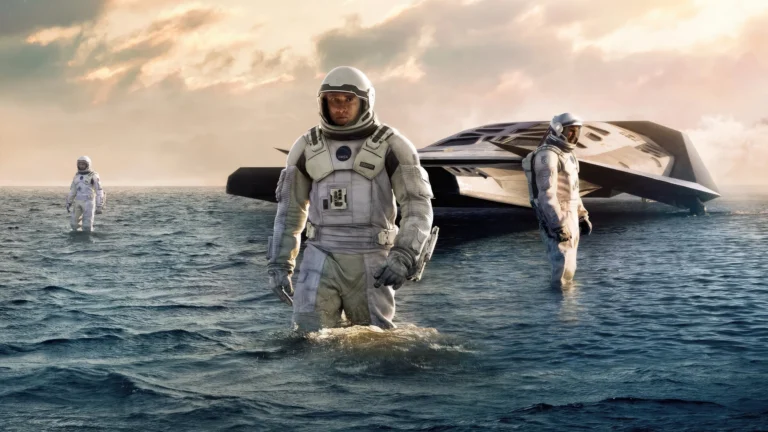
Christopher Nolan has never been a director known for half-measures, but Interstellar was arguably his most ambitious creative swing yet. Fresh off the massive success of The Dark Knight trilogy and Inception, Nolan looked to the likes of Kubrick’s 2001: A Space Odyssey to craft a sci-fi epic rooted deeply in theoretical physics and family drama. While critics at the time were somewhat divided on the film's sentimental third act ("Love is the one thing that transcends time and space"), the technical achievement was undisputed. The depiction of the black hole, Gargantua, was so scientifically accurate—created in collaboration with Nobel laureate physicist Kip Thorne—that it actually generated new scientific papers on astrophysics.
Time has been incredibly kind to Interstellar. The Hans Zimmer score, prominently featuring the booming pipe organ, has become legendary, often cited as one of the greatest film soundtracks ever composed. The film's visual effects have not aged a single day, maintaining a sense of awe that CGI often loses over time. In a cynical world, the film’s earnest plea for human survival and connection resonates deeply with modern audiences. It has become the definitive space opera for the millennial generation, a film that balances the cold vastness of space with the intimate warmth of a father trying to return to his daughter.
-
4 The Grand Budapest Hotel (2014)

Fox Searchlight Watch Now
Wes Anderson has always possessed a very specific visual style, but with The Grand Budapest Hotel, he utilized that style to its absolute maximum potential. It is widely considered the "most Wes Anderson" movie ever made, yet it is also his most narratively complex and emotionally resonant work. The film was a genuine box office surprise, becoming Anderson's highest-grossing film at the time. It was a technical marvel, utilizing different aspect ratios to signify different time periods. But the secret weapon was undoubtedly Ralph Fiennes. Known for playing villains or serious dramatic leads, Fiennes unleashed a comedic performance as Monsieur Gustave H. that was both hilarious and heartbreakingly dignified.
Visually, this film defines the "Anderson Aesthetic" that has taken over social media platforms like TikTok and Instagram for over a decade. But beyond the memes and pastel color palettes, it is a significant piece of cinema history. It won four Academy Awards, including Best Production Design and Best Original Score. It captures a deep nostalgia for a Europe that perhaps never existed, balancing whimsy with the creeping darkness of impending war and fascism. It is a perfect film that showcases a director in complete command of his craft, blending melancholy and joy in a way that only Anderson can achieve.
-
5 Guardians of the Galaxy (2014)

Marvel Watch Now
It is easy to forget now, but in early 2014, almost everyone thought this would be Marvel’s first flop. A talking raccoon? A tree? The chubby guy from Parks and Rec as an action hero? It sounded like a disaster waiting to happen. James Gunn injected a massive dose of irreverence, color, and heart into the MCU that it desperately needed at the time. It moved away from the self-serious tone of The Avengers and leaned heavily into space opera comedy. The soundtrack, Awesome Mix Vol. 1, became a genuine cultural phenomenon, becoming the first soundtrack consisting entirely of previously released vintage songs to top the Billboard 200 chart.
Guardians fundamentally changed the tone of blockbusters for the next decade. It proved that weird, obscure characters could be A-listers if treated with sincerity and heart. It turned Chris Pratt into a global superstar and gave us Groot, a character who became a merchandising empire overnight. Without the massive success of Guardians, we likely wouldn't have seen the cosmic expansion of the MCU that eventually led to Infinity War. It remains a shining example of how a unique directorial voice can thrive within a massive franchise machine, delivering a film that felt personal despite its massive budget.
-
6 Gone Girl (2014)
20th Century Fox Watch Now
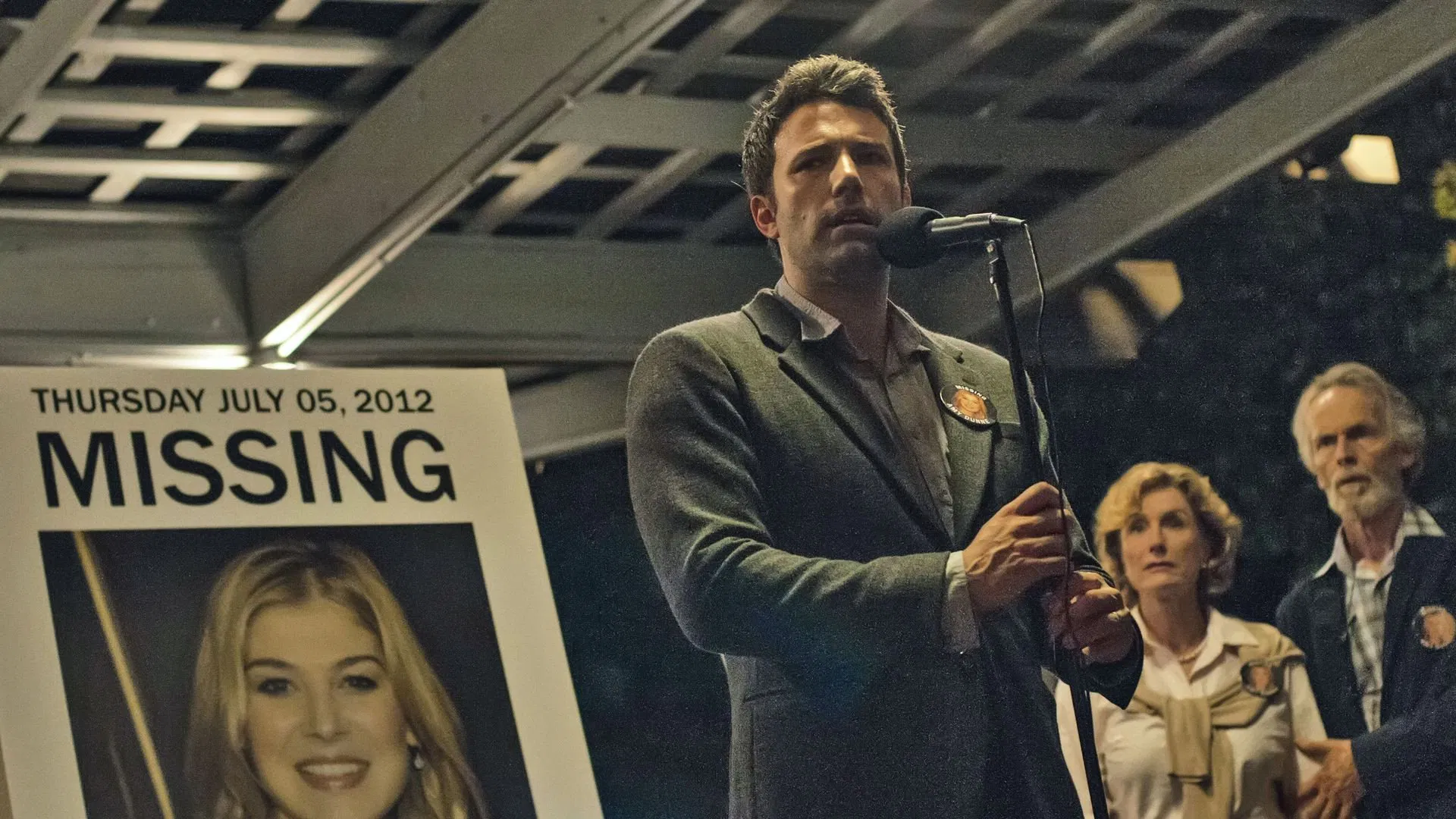
Based on the massive bestseller by Gillian Flynn, Gone Girl was the adult thriller event of the year. In the hands of perfectionist director David Fincher, a standard airport paperback mystery was transformed into a razor-sharp satire on marriage and media manipulation. The casting was a stroke of meta-genius. Casting Ben Affleck—an actor who had dealt with intense media scrutiny in his real life as a husband persecuted by the press added a layer of uncomfortable realism. However, it was Rosamund Pike’s chilling, surgical performance as Amy Dunne that stole the show, earning her a well-deserved Oscar nomination.
The infamous "Cool Girl" monologue remains one of the most quoted and analyzed pieces of cinema writing in recent history. The film’s cold, desaturated aesthetic and Trent Reznor & Atticus Ross’s eerie synth score set the template for the modern "prestige thriller" that streaming services have tried to replicate ever since. It remains a masterwork of tone control and a terrifying deconstruction of how well we really know the people we love. Gone Girl proved that adult-oriented dramas could still be massive blockbusters, leaving a legacy of cynical, stylish thrillers in its wake that rarely matched its brilliance.
Looking back from 2026, the sheer variety of 2014’s cinematic output is staggering. It was a year where a jazz drumming drama could compete for attention with a spacefaring raccoon and a retired hitman. It was a time when the boundaries between “high art” and “popcorn entertainment” began to blur in the best possible way. These films didn’t just entertain us; they challenged us, moved us, and rewrote the visual language of their respective genres. They proved that original voices could still thrive in a franchise-heavy world, a lesson that Hollywood has arguably struggled to remember in the years since.
As we continue to move further into the digital age of cinema, the tactile, bold filmmaking of 2014 stands as a reminder of what is possible when vision is prioritized over algorithm. Whether it is the practical stunts of John Wick or the practical effects of Interstellar, these movies possess a timeless quality that CGI spectacles often lack. They are the undisputed classics of their decade, films that we will likely still be watching, analyzing, and enjoying another twelve years from now. If you haven’t revisited these titles recently, there is no better time than now to experience the magic of 2014 all over again.