


Airports are built on trust. Travelers trust the systems, the schedules, the people behind the glass. Every announcement and blinking runway light reinforces the idea that chaos is managed and danger is contained.
That illusion is exactly why airports make such powerful thriller settings. When something goes wrong, there is nowhere to escape. Thousands of people are trapped inside a rigid machine that was never designed to bend under pressure.
The best airport thrillers do not rely on spectacle alone. They generate suspense by exposing how fragile modern infrastructure really is. Rules, protocols, and chains of command become narrative weapons, and tension rises as those systems begin to fail.
These films understand that airports are not just locations. They are living systems. When one part collapses, everything else follows.
-
7 Executive Decision (1996)

Warner Bros. Watch Now
Although much of the film unfolds in the air, the crisis begins on the ground. Intelligence failures, rushed decisions, and security oversights at the airport set everything in motion.
Executive Decision earns its place by emphasizing origin. The film reminds viewers that disasters rarely start with explosions. They start with briefings, clearances, and assumptions made under pressure.
By framing the airport as the point of failure rather than the battlefield, the film reinforces a key truth of airport thrillers. The most dangerous moments often happen before takeoff.
-
6 The Langoliers (1995)

ABC Watch Now
Few airport settings are as unsettling as an empty one. In The Langoliers, passengers arrive at a terminal frozen outside of time. No staff. No sound. No sense of safety.
The film transforms the airport into an existential space. What is normally defined by movement and noise becomes a void. Every unanswered question builds dread. The absence of systems is the threat.
This is not an action-driven airport thriller. It is a psychological one, where suspense grows from isolation and uncertainty. That inversion makes it one of the strangest and most memorable entries in the genre.
-
5 Airport 1975 (1974)

NBC Universal Watch Now
This sequel leans more heavily into melodrama, but it retains the core appeal of the original. An airborne crisis forces ground crews and pilots to coordinate under impossible conditions.
The suspense here comes from communication. Radio signals, delayed responses, and misunderstood instructions drive the tension forward. Every solution introduces a new problem, and time is always the enemy.
While the performances are heightened, the film never loses sight of process. It reinforces the idea that airports are places where coordination matters more than heroics, which keeps it firmly within the airport thriller tradition.
-
4 Airport (1970)

NBC Universal Watch Now
This film did not just popularize airport thrillers. It created the blueprint. Bomb threats, severe weather, and institutional strain converge inside a massive transportation hub struggling to stay operational.
What still works today is the film’s systemic perspective. Airport treats the terminal, the runway, the control tower, and the aircraft as parts of one interconnected organism. The tension does not come from a single villain, but from cascading failures across departments.
Despite its 1970s sensibilities, the film’s understanding of infrastructure remains impressive. It shows how leadership decisions ripple outward, affecting hundreds of lives. Many later best airport movies borrow directly from this structure.
-
3 Red Eye (2005)
Paramount Pictures Watch Now
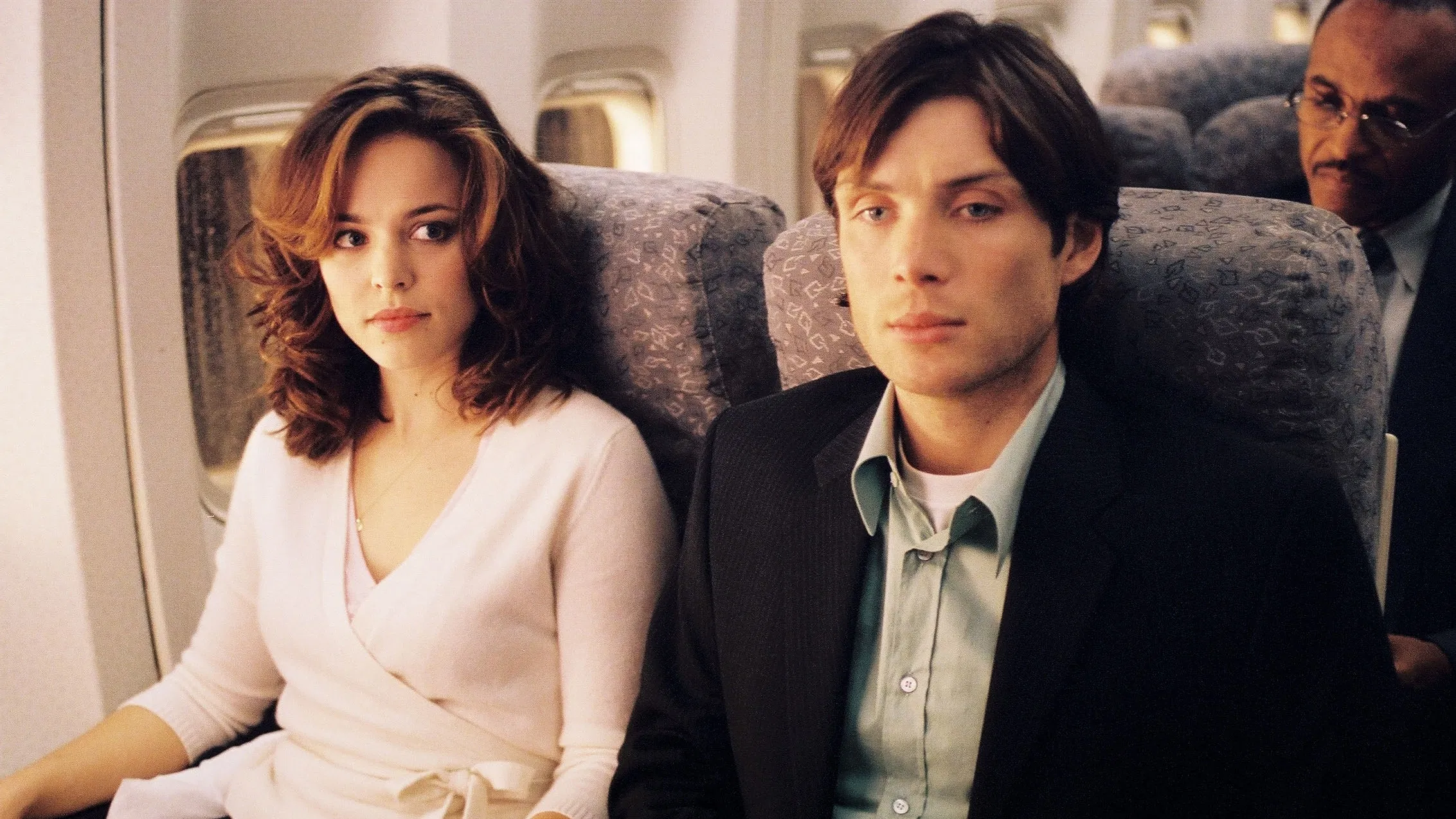
Red Eye is proof that airport tension can be intimate rather than explosive. The story begins with a missed flight, casual conversation, and shared frustration at the gate. That ordinariness is the trap.
The film understands the social rules of airports. People are polite. They avoid confrontation. They assume authority figures are trustworthy. Cillian Murphy’s antagonist exploits those assumptions with chilling efficiency, turning everyday courtesy into leverage.
What makes the film especially effective is timing. The threat emerges before takeoff, when intervention is still possible. Every moment is defined by choice and consequence. That moral pressure, combined with the controlled environment of the airport, makes Red Eye one of the most efficient psychological thrillers in the subgenre.
-
2 Carry-On (2024)

Netflix
This modern entry proves that airport thrillers do not need massive explosions to be effective. The premise is brutally simple. A TSA officer is blackmailed during his shift and forced to let a dangerous package through security without alerting anyone.
What makes Carry-On so effective is confinement. The protagonist cannot leave his post. Cameras watch every move. Coworkers are always nearby. Even the smallest deviation from routine could expose him. The airport’s security system becomes both protection and prison.
The film taps into contemporary anxieties about surveillance and responsibility. It shows how modern airports operate on compliance and trust, and how terrifying it is when someone is forced to break those rules quietly. As a piece of modern procedural suspense, it ranks among the strongest recent airport thrillers.
-
1 Die Hard 2 (1990)

20TH CENTURY FOX Watch Now
Among all best airport movies, this one remains unmatched in how completely it commits to the setting. A snowstorm grounds flights, visibility drops to zero, and a group of terrorists quietly dismantles the airport’s ability to function.
What sets Die Hard 2 apart is its obsession with process. The film takes time to explain runway lighting systems, radio frequencies, and landing protocols. Each technical detail becomes a ticking clock. Planes circle overhead with limited fuel, while decisions in the control tower carry life-or-death consequences.
John McClane is not just fighting villains here. He is fighting bureaucracy, skepticism, and institutional arrogance. The film’s tension comes from watching a system refuse to admit it is broken until it is almost too late. That procedural focus is why this remains the definitive airport thriller.
The strongest airport thrillers are not about spectacle. They are about systems under stress. They show how safety depends on people following rules until the moment those rules collapse.
The best airport movies turn familiar spaces into traps, using procedure, timing, and authority to generate suspense. As long as airports remain symbols of control, they will remain perfect settings for thrillers that explore what happens when that control disappears.