


When Hollywood blockbusters balloon past $200 million budgets, it’s easy to assume bigger means better. But some of the most unforgettable, white-knuckle thrillers prove that scale has nothing to do with physical size. Confined thrillers set almost entirely in a single room, vehicle, or building strip cinema down to its essential elements: performance, tension, and precision.
These films aren’t just cheaper to produce; they’re exponentially harder to execute. With nowhere to hide behind spectacle, every line of dialogue carries weight, every edit counts, and every actor stands exposed. When done right, the result feels paradoxical: a movie that barely leaves one space yet somehow feels vast, urgent, and all-consuming. Here are eight one-location thriller masterpieces that demonstrate just how monumentally big a small movie can feel.
-
1 12 Angry Men (1957)

MGM Domestic Television Watch Now
— Directed by Sidney Lumet
This is the gold standard that created the blueprint for every confined thriller that followed. Set almost entirely inside a jury deliberation room, 12 Angry Men transforms civic duty into high-stakes psychological warfare. What begins as an open-and-shut murder case gradually becomes a battle of logic, bias, and moral responsibility, anchored by Henry Fonda's quietly revolutionary performance as the lone dissenter refusing to send a boy to his death without proper discussion.Director Sidney Lumet uses blocking, lens choice, and rising temperatures to make the room feel increasingly claustrophobic. As the film progresses, Lumet switches to longer lenses that compress space, making the room feel smaller and hotter. The walls never move, but the power dynamics constantly shift. According to IMDb, the film was shot in just 19 days with a budget under $350,000, yet garnered three Academy Award nominations and remains a film school fixture worldwide.
-
2 Buried (2010)
Lionsgate Watch Now
— Directed by Rodrigo Cortés
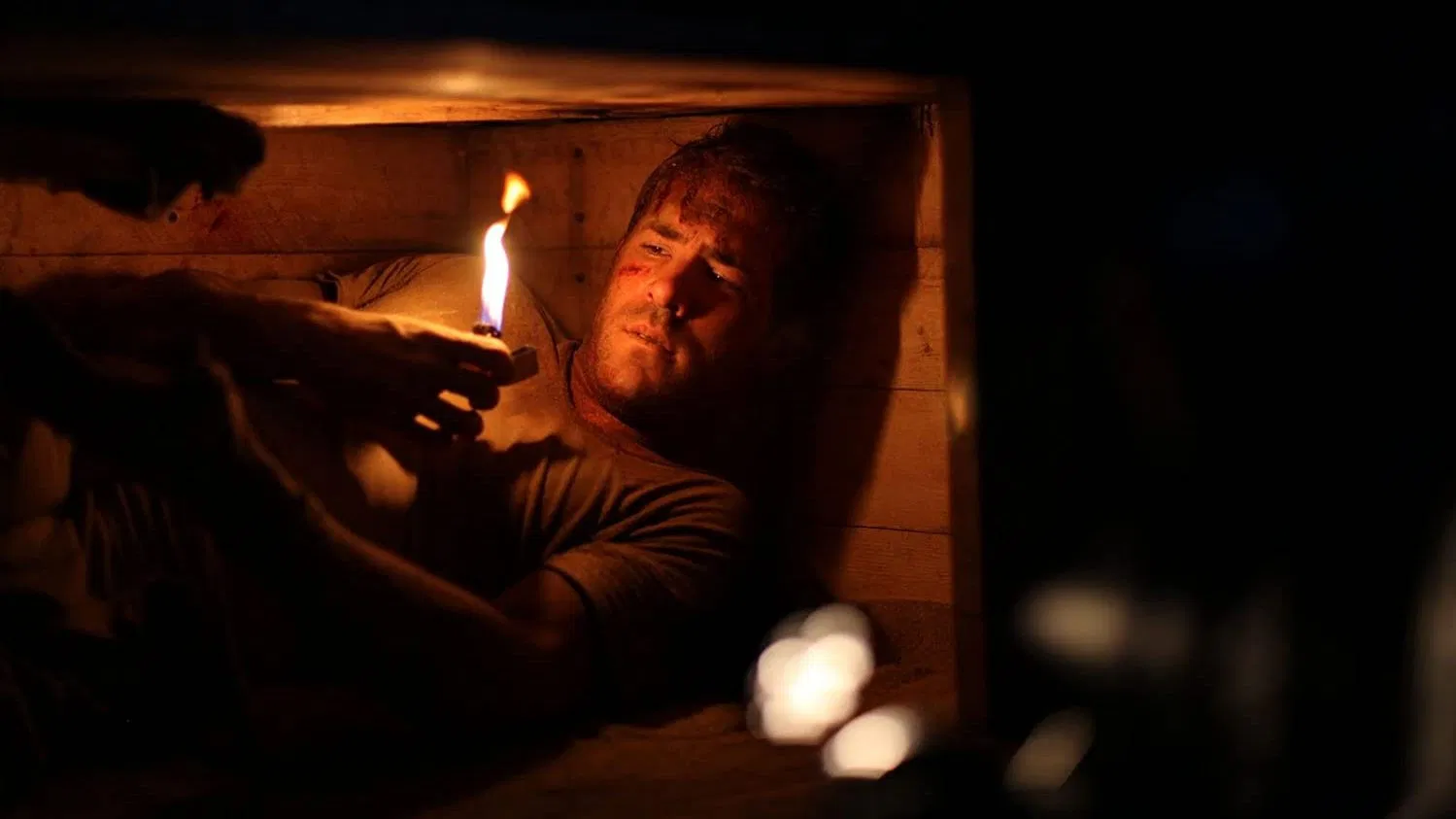
There may be no more extreme example of one-location filmmaking. Ryan Reynolds spends the entire 95-minute runtime trapped inside a wooden coffin buried in the Iraqi desert. That's it. No flashbacks, no convenient cutaways, no relief. Just suffocating darkness, a flickering lighter, a dying phone, and time ruthlessly running out.
Buried works because director Rodrigo Cortés understands the mechanics of escalation perfectly. Each new piece of information tightens the noose around protagonist Paul Conroy's neck. What begins as desperate survival evolves into commentary on corporate indifference, government bureaucracy, and the expendability of contract workers in war zones. Reynolds delivers a career-defining performance, selling every moment of panic, hope, rage, and ultimate despair. Collider praised the film's technical achievement and emotional gutpunch, noting few actors possess the range to carry such a demanding role. It's brutal, exhausting, and unforgettable.
-
3 Locke (2013)
A24 Watch Now
— Directed by Steven Knight
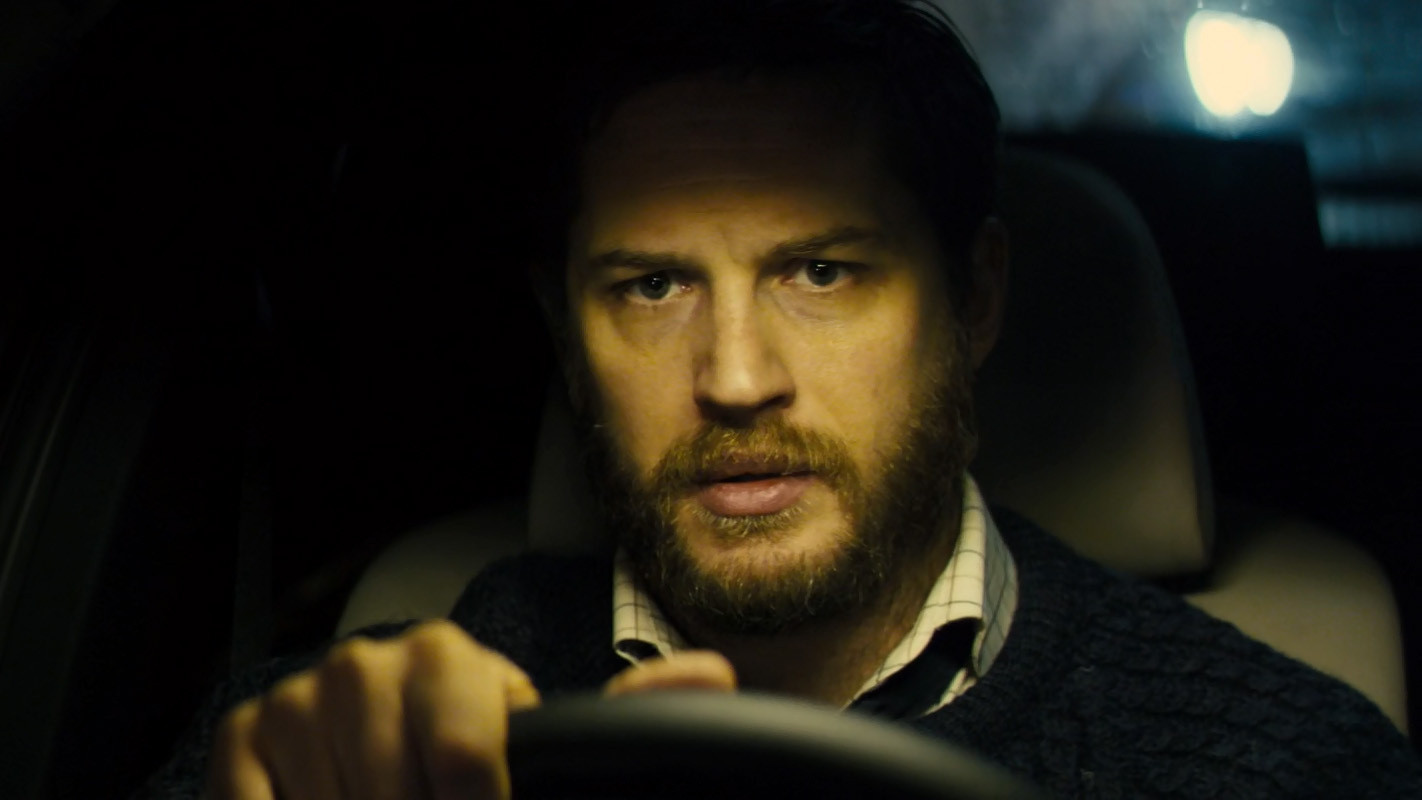
One man, one car, one drive: a life unraveling in real time through hands-free phone conversations. That's the entire premise of Locke, and in Tom Hardy's capable hands, it becomes an epic emotional journey despite never leaving the driver's seat. Ivan Locke is a successful construction foreman who makes a fateful decision: instead of overseeing the biggest concrete pour of his career, he drives toward London to be present for the birth of a child conceived during a one-night mistake.
Over the course of this drive, his entire life collapses. His marriage disintegrates over Bluetooth, his career implodes through desperate phone calls, his relationship with his sons fractures. What makes Locke so compelling is that there are no villains here, only consequences. Director Steven Knight shoots the entire film inside a BMW, using only dashboard lights and passing traffic to illuminate Hardy's face. According to Rotten Tomatoes, critics praised the 92-minute runtime as perfectly calibrated, never overstaying its welcome while thoroughly exploring one man's moral crisis.
-
4 Panic Room (2002)
COLUMBIA Watch Now
— Directed by David Fincher
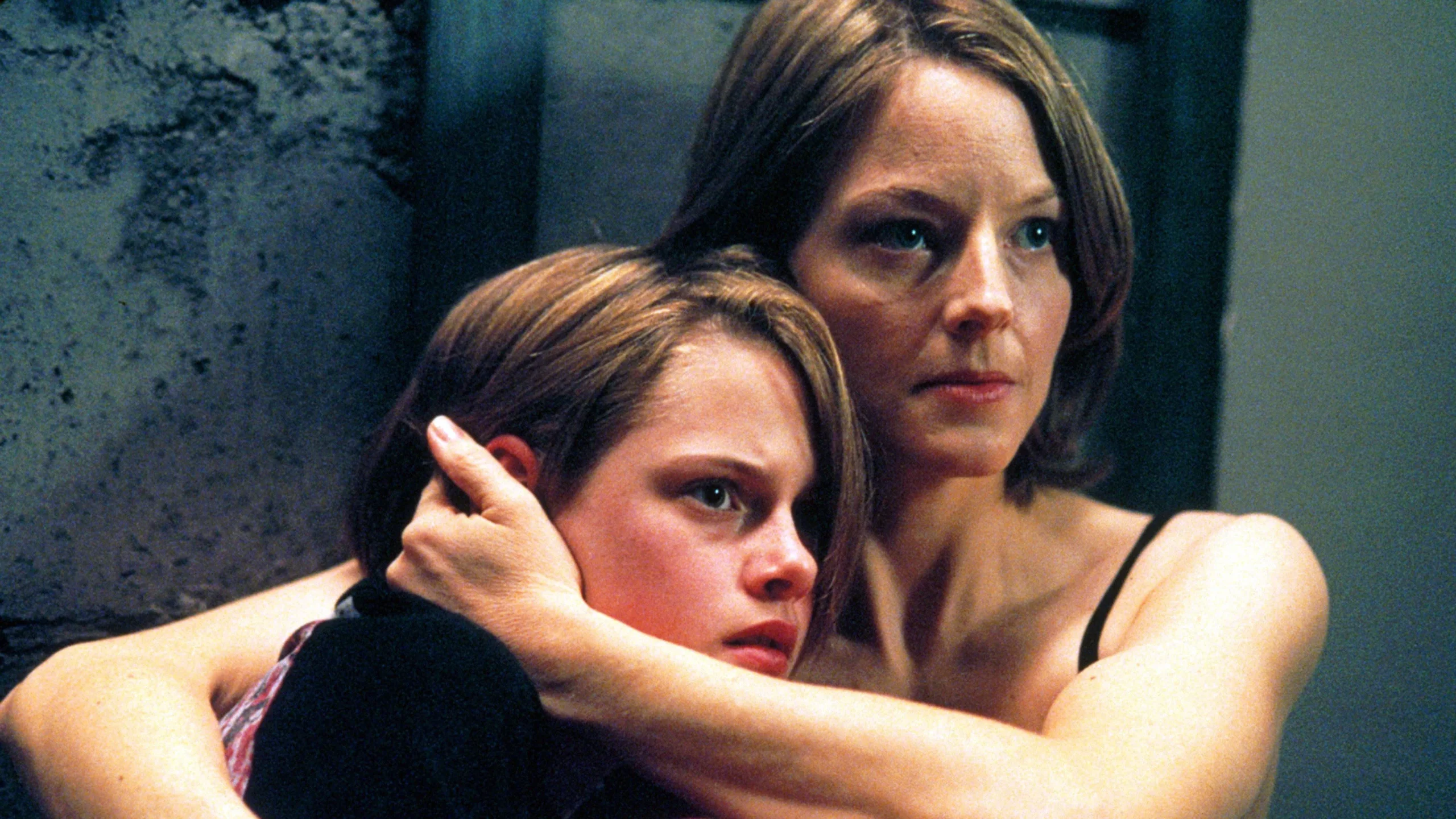
David Fincher transforms a Manhattan townhouse into a three-dimensional chessboard where every move carries life-or-death stakes. Jodie Foster plays Meg Altman, a recently divorced woman who moves into a massive brownstone with her diabetic daughter Sarah (played by young Kristen Stewart). The house features a fortified panic room, and naturally, on their first night, three intruders break in searching for millions in bearer bonds hidden inside that very room.
Fincher's camera movements are nothing short of extraordinary. The camera glides through walls, floors, and impossibly tight spaces, mapping the environment so precisely that every door, vent, and stairwell becomes a tactical consideration. The film excels at spatial problem-solving while maintaining relentless tension. According to Box Office Mojo, Panic Room earned over $196 million worldwide against a $48 million budget, proving confined thrillers can absolutely compete commercially with bigger-scale productions. Fincher proves that confinement doesn't limit spectacle; it sharpens it.
-
5 Rope (1948)
Universal City Studios Product Watch Now
— Directed by Alfred Hitchcock
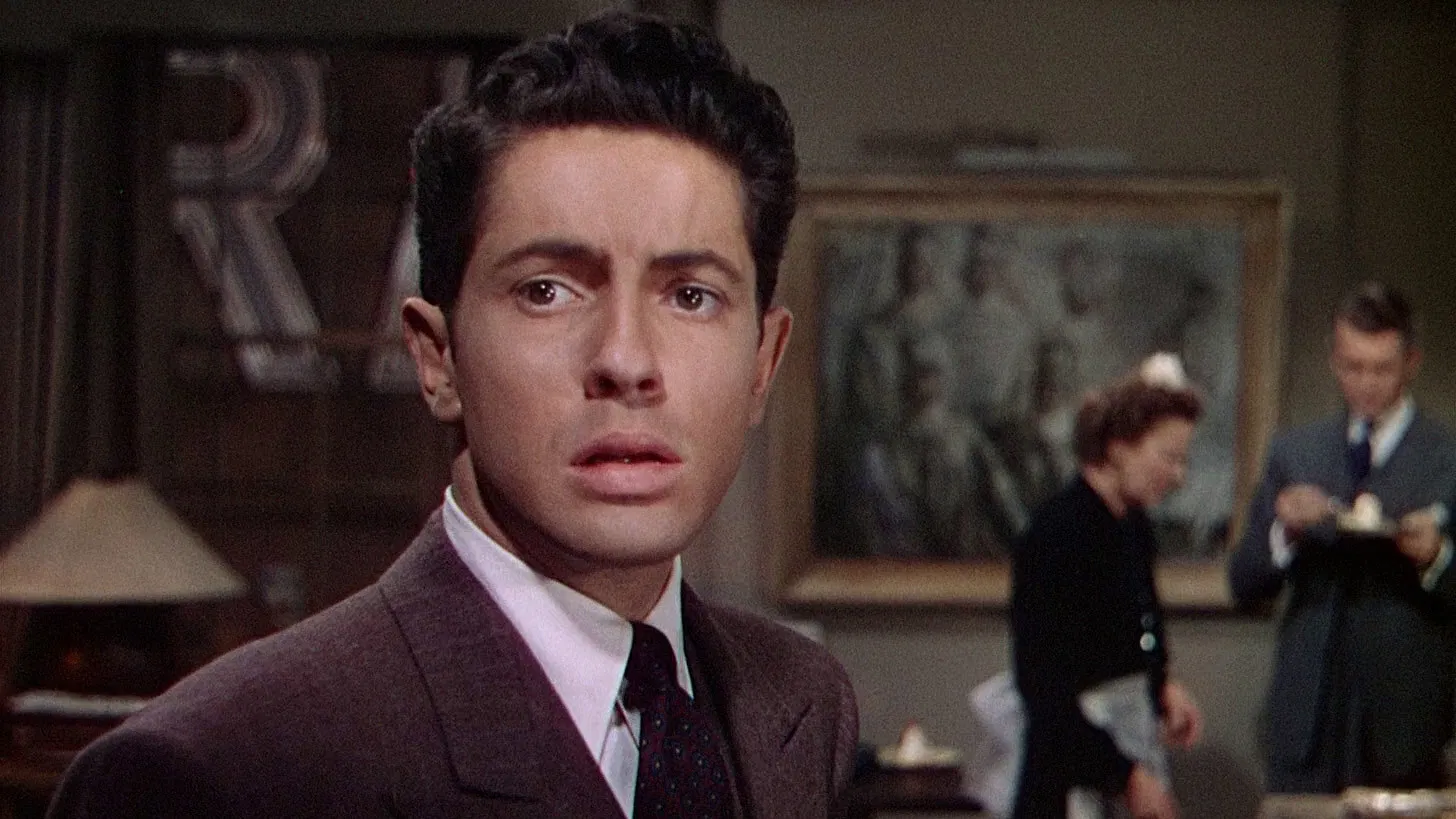
Alfred Hitchcock's boldest formal experiment appears to unfold in a single continuous take inside one Manhattan apartment. The film follows two young men who strangle their former classmate, then hide his body in a chest and host a dinner party with the corpse serving as the buffet table. The tension comes not from movement but from suffocating proximity: the audience knows what the guests don't, watching them gather around the chest, lean on it, nearly discover the terrible secret.
Hitchcock's technical achievement cannot be overstated. Each take runs between 4.5 and 10 minutes, with cuts hidden by panning across dark objects or actors' backs. The camera moves constantly, following characters through limited space, creating a ballet of blocking and choreography. It's less about "will they get caught" and more about watching arrogance implode. According to film historians at AFI, Rope influenced countless filmmakers who later attempted similar one-take experiments, from Birdman to 1917, cementing its place as pioneering confined cinema.
-
6 The Guilty (2018)

Magnolia Pictures Watch Now
— Directed by Gustav Möller
Before the Hollywood remake, there was the original Danish thriller that redefined single-location filmmaking. The Guilty is set almost entirely inside a police emergency call center, where disgraced officer Asger Holm takes calls during night shift while awaiting a court hearing. One call changes everything: a woman named Iben contacts emergency services, speaking cryptically, but Asger realizes she's been kidnapped and is in a moving vehicle with her abductor.
The brilliance lies in what director Gustav Möller refuses to show. We never leave the call center, never see Iben or any locations. Our imagination fills in the horror, constructing scenes from audio cues and panicked voices, making it infinitely more terrifying than visual depiction could achieve. As the situation escalates, Asger's demons surface: his aggressive tactics, his need for redemption, his determination to play hero. According to IndieWire, most critics agree the original remains unmatched in raw intensity and moral complexity compared to its Hollywood counterpart.
-
7 Green Room (2016)

A24 Watch Now
— Directed by Jeremy Saulnier
A punk band accepts a last-minute gig at a remote venue, witnesses something they shouldn't, and suddenly they're locked in the green room with neo-Nazi skinheads surrounding them. What follows is a savage, unflinching survival thriller proving a single venue can feel as lethally dangerous as any horror setting. Director Jeremy Saulnier specializes in sudden, shocking violence, and Green Room delivers brutality in bursts: ugly, desperate fighting where every injury matters.
Saulnier uses geography and sound design to keep audiences constantly disoriented. The club's layout becomes crucial: where are exits? Which doors lock? Who controls which rooms? The band must make impossible choices about when to fight, when to negotiate, whom to trust. Patrick Stewart delivers a chillingly calm performance as club owner Darcy Bancroft, treating the witness problem as business to be resolved efficiently. According to A24, Saulnier insisted on practical effects and real locations to ground the violence in visceral reality. The result is raw, unforgiving, shockingly efficient cinema.
-
8 Coherence (2014)

Oscilloscope Watch Now
— Directed by James Ward Byrkit
Shot on a microbudget of around $50,000 with largely improvised dialogue, Coherence achieves cosmic scope while never leaving a single suburban house. Eight friends gather for a dinner party on the night a comet passes overhead. Strange things begin: phones crack simultaneously, power cuts out, and when guests venture outside for help, they return with disturbing news. There may be other versions of themselves in nearby houses. Reality itself may be fracturing into infinite parallel timelines.
Director James Ward Byrkit constructed the film like a puzzle box, with actors receiving minimal information and discovering revelations at the same pace as their characters. This creates genuine confusion and mounting paranoia on screen. As reality's rules unravel, the house transforms from cozy gathering space into a philosophical maze: which version of you is "real"? Would you kill your own duplicate to preserve your existence? According to SXSW Film Festival, audiences emerged from screenings desperate to discuss implications and debate the deliberately ambiguous ending. It proves you don't need massive effects budgets to explore mind-bending concepts.
Why One-Location Thrillers Keep Winning
These films succeed because they understand a fundamental truth: tension comes from limitation, not liberation. When characters cannot escape a room, car, or building, the narrative is forced inward into psychology, ethics, fear, and desperation. The confined space becomes a crucible that burns away everything superficial, revealing the raw core of who characters truly are under pressure. In today’s entertainment landscape dominated by massive superhero spectacles, one-location thrillers remind us that cinema’s greatest weapon isn’t scale: it’s control. Control of space, pacing, information, and audience perspective. These masterpieces prove the smallest spaces can contain the biggest ideas, and that true cinematic greatness often comes from working within limitations rather than breaking free from them.