
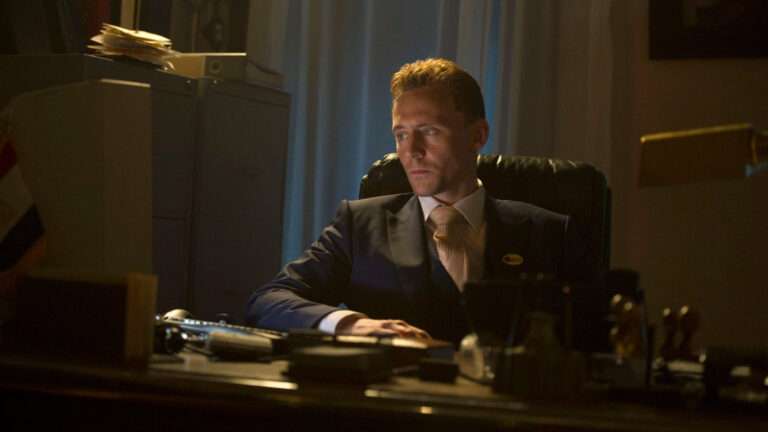

When The Night Manager first appeared on screens, it offered something increasingly rare in modern espionage television: genuine restraint. Instead of relying on explosive action sequences and technological gadgetry, the series returned to psychological tension and moral complexity. Adapted from John le Carré’s novel, it trusted audiences to engage with ambiguity and ethical uncertainty without handholding. Tom Hiddleston’s Jonathan Pine didn’t just infiltrate an arms dealer’s inner circle, he systematically dismantled his own moral foundation with each calculated lie and compromise. The show understood that authentic espionage unfolds in boardrooms and hushed conversations, not through spectacular car chases and gunfights.
The series proved that viewers craved intelligent storytelling over empty spectacle. Its success paved the way for a new generation of spy dramas prioritizing character psychology over pyrotechnics. According to Rotten Tomatoes, audience demand for sophisticated espionage narratives has grown substantially since the show’s debut. For fans captivated by The Night Manager’s elegant tension and ethical complexity, the television landscape now offers numerous equally compelling options. These eight series represent the genre at its most mature, challenging viewers to confront uncomfortable truths about power, loyalty, and the corrosive nature of secrecy itself.
-
1 Slow Horses (2022)

Apple TV+
Slow Horses presents itself as subversive comedy but functions as remarkably disciplined intelligence drama. Set in Slough House, MI5's bureaucratic dumping ground for agents who've committed career-ending mistakes, the series examines institutional dysfunction with surgical precision. Gary Oldman's Jackson Lamb is deliberately abrasive and grotesque, yet beneath the filth and crude humor lies a razor-sharp understanding of how bureaucratic rot protects itself. Like The Night Manager, the show frames espionage as a system designed to protect its own interests before protecting citizens. Tension emerges not from explosions but from withheld information, quiet betrayals, and the gradual realization that loyalty is punished more harshly than disobedience in intelligence work.
By stripping away the glamorous veneer, Slow Horses exposes the quiet cruelty inherent in how agencies treat their people. Failed agents aren't rehabilitated or supported, they're warehoused and humiliated, kept just close enough to remind everyone what happens when you stop being useful. The series shares The Night Manager's skepticism about institutional morality while adding darkly comic observations about bureaucratic pettiness. According to The Guardian, the show succeeds because it reveals intelligence work as fundamentally about managing failure rather than achieving victory. Careers and consciences are sacrificed routinely to maintain the comforting illusion of control, and nobody escapes unscathed from that grinding machinery.
-
2 The Little Drummer Girl (2018)

AMC Watch Now
Director Park Chan-wook transforms The Little Drummer Girl into a mesmerizing study of psychological colonization and identity destruction. Florence Pugh delivers a revelatory performance as Charlie, an actress who isn't simply recruited by Israeli intelligence but systematically rewritten. She gradually loses ownership of her authentic self as operatives reshape her into a living instrument for their mission. The cruel irony cuts deep: her professional training in embodying other characters makes her the perfect target for manipulation. The series shares The Night Manager's profound skepticism of moral certainty, presenting espionage as a corrosive practice that destroys everyone involved, regardless of which side claims righteousness or justice as justification.
Park's meticulous direction demands patience from viewers, but rewards it with a haunting portrait of agency becoming collateral damage. Scenes unfold with deliberate slowness, forcing audiences to sit with profound discomfort as Charlie's identity dissolves scene by scene. This isn't entertainment designed for distracted viewing or background noise. It's espionage drama as existential horror, rendered with such visual and thematic coherence that it transcends typical genre boundaries. The show asks disturbing questions about where performance ends and authentic self begins, suggesting that extended deception doesn't just hide identity but actively erases it. For fans who appreciated The Night Manager's willingness to examine espionage's human cost, this represents an even darker, more uncompromising exploration.
-
3 The Americans (2013)

FX Watch Now
The Americans interrogates espionage's personal cost with unmatched rigor and emotional honesty. Set against the Cold War backdrop, it transforms ideological conflict into intimate domestic warfare where marriage itself becomes operational cover. The series shares The Night Manager's fascination with moral erosion, portraying characters who begin with absolute certainty and end in complete exhaustion. Elizabeth and Philip Jennings are Soviet KGB officers posing as an American married couple in suburban Washington, and their story becomes television's most devastating meditation on identity and deception. Betrayal isn't presented as a dramatic event with shocking revelations, instead it's a permanent condition woven into every breakfast conversation, every neighborhood interaction, every moment of their constructed lives.
What distinguishes The Americans is its refusal to treat ideology as sufficient motivation for sustained sacrifice. Every lie told to protect their mission damages their marriage's foundation, turning genuine love into operational liability. Every secret kept from their children creates unbridgeable distance. By prioritizing character psychology over historical spectacle, the show elevates espionage into sustained meditation on whether anyone can serve two masters without destroying themselves completely. According to Variety, the series treats ideology not as motivation but as a cage trapping characters in increasingly untenable positions. The show's final assessment proves brutal: you cannot maintain authentic human connection while living fundamentally dishonest lives, and the cost of that contradiction eventually becomes unbearable for everyone involved.
-
4 Bodyguard (2018)
BBC One / Netflix Watch Now
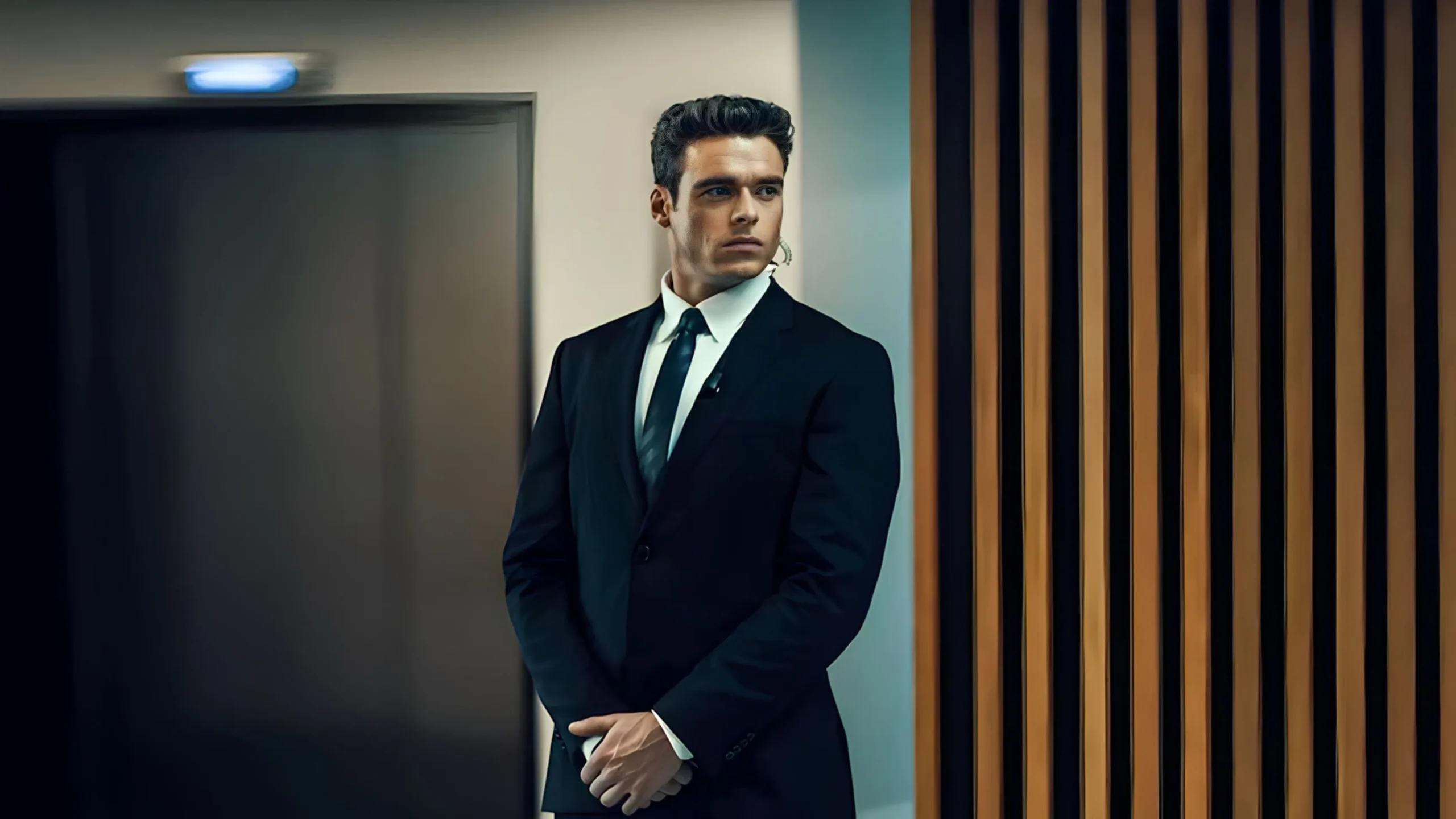
While more overtly suspenseful than The Night Manager, Bodyguard shares its fundamental distrust of institutional power and unwavering commitment to moral complexity. The series positions national security apparatus as both protective shield and potential weapon, exposing how trauma, authority, and political ambition create volatile mixtures threatening everyone they touch. Richard Madden's David Budd carries the psychological weight of Afghanistan into his work as protection officer for the Home Secretary, creating a protagonist defined entirely by contradiction. He's simultaneously the most qualified person for his position and potentially the most dangerous, a paradox the show explores with impressive psychological nuance and refusal of easy answers.
Like Jonathan Pine in The Night Manager, Budd discovers that proximity to power grants confusion and paranoia rather than clarity or control. The security establishment needs operators exactly like him: highly trained, demonstrably loyal, willing to sacrifice themselves without hesitation. But the series suggests that same establishment has minimal interest in actually caring for these people once their immediate usefulness expires. According to BBC interviews with creator Jed Mercurio, this tension between institutional need and individual welfare formed the conceptual foundation. Bodyguard frames counterterrorism as an emotionally unsustainable profession where protecting the state inevitably comes at the catastrophic expense of the self, and no amount of training or dedication can prevent that eventual collapse.
-
5 Berlin Station (2016)
Originals Watch Now
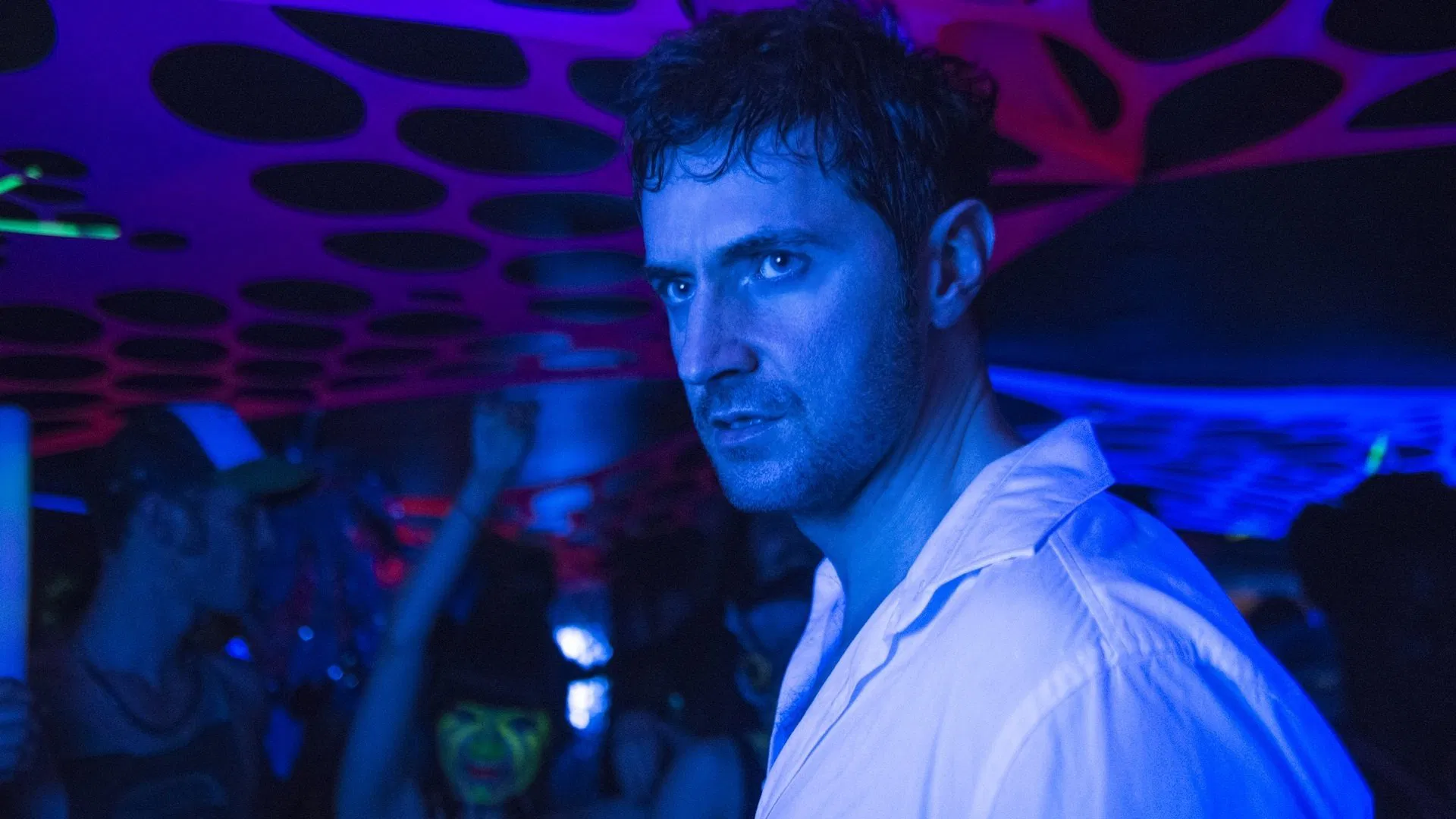
Berlin Station occupies the profoundly uneasy space between modern surveillance culture and old-world espionage tradecraft. Set in a city historically defined by intelligence conflict, ideological division, and systematic betrayal, the series embraces paranoia as both aesthetic choice and governing philosophical principle. Information leaks, systematically compromised alliances, and pervasive internal mistrust drive narratives that feel unsettlingly plausible rather than sensationalized. Like The Night Manager, the show categorically rejects clean moral binaries, instead portraying intelligence agencies as fundamentally reactive political entities rather than moral arbiters dispensing justice. Everyone operates in ethical gray zones where good intentions consistently curdle into questionable methods and dubious outcomes.
The show's deliberately restrained visual style reinforces this overwhelming sense of emotional distance and institutional coldness. Scenes unfold in stark offices, minimalist apartments, and anonymous public spaces that could exist anywhere, stripping away geographical specificity. By focusing relentlessly on systemic dysfunction rather than individual villainy, Berlin Station captures the bone-deep exhaustion of contemporary espionage work. According to Entertainment Weekly, this aesthetic choice emphasizes bureaucratic process over personal heroism or individual agency. Certainty feels like an impossible luxury from another era entirely, and trust is correctly treated as a strategic liability no professional can afford. The series suggests modern intelligence work has become so thoroughly bureaucratized and compartmentalized that personal heroism isn't merely impossible, it's actively discouraged by the system itself.
-
6 Patriot (2015)

Amazon Studios Watch Now
Patriot might be the most emotionally honest espionage series ever produced, which proves remarkable considering it filters everything through deadpan absurdist humor and surreal situations. The show follows John Tavner, an intelligence officer visibly buckling under the cumulative psychological weight of morally corrosive assignments that destroy him incrementally. This isn't James Bond suffering elegant ennui between perfectly mixed martinis and casino visits. This is a painfully ordinary man experiencing genuine mental collapse while still being expected to complete impossible missions with minimal institutional support or acknowledgment of his deteriorating condition. His coping mechanism involves writing and performing confessional folk songs about his classified missions, which is simultaneously darkly hilarious and absolutely heartbreaking.
The series shares The Night Manager's deep skepticism toward institutional authority but pushes the critique further by showing how intelligence agencies routinely destroy their own operatives' mental health and then express bureaucratic surprise when those traumatized operatives stop functioning effectively. Violence in Patriot is abrupt, unglamorous, and emotionally devastating rather than thrilling, consistently reinforcing how espionage work deforms practitioners. According to Vulture, creator Steven Conrad designed these musical interludes not as comic relief but as the only way John can process experiences he's legally prohibited from discussing with anyone who might help. What makes Patriot exceptional is its unflinching emotional honesty, openly acknowledging that intelligence work destroys operatives' inner lives long before it successfully neutralizes external threats.
-
7 The Bureau (2015)
AMC Plus Drama Watch Now
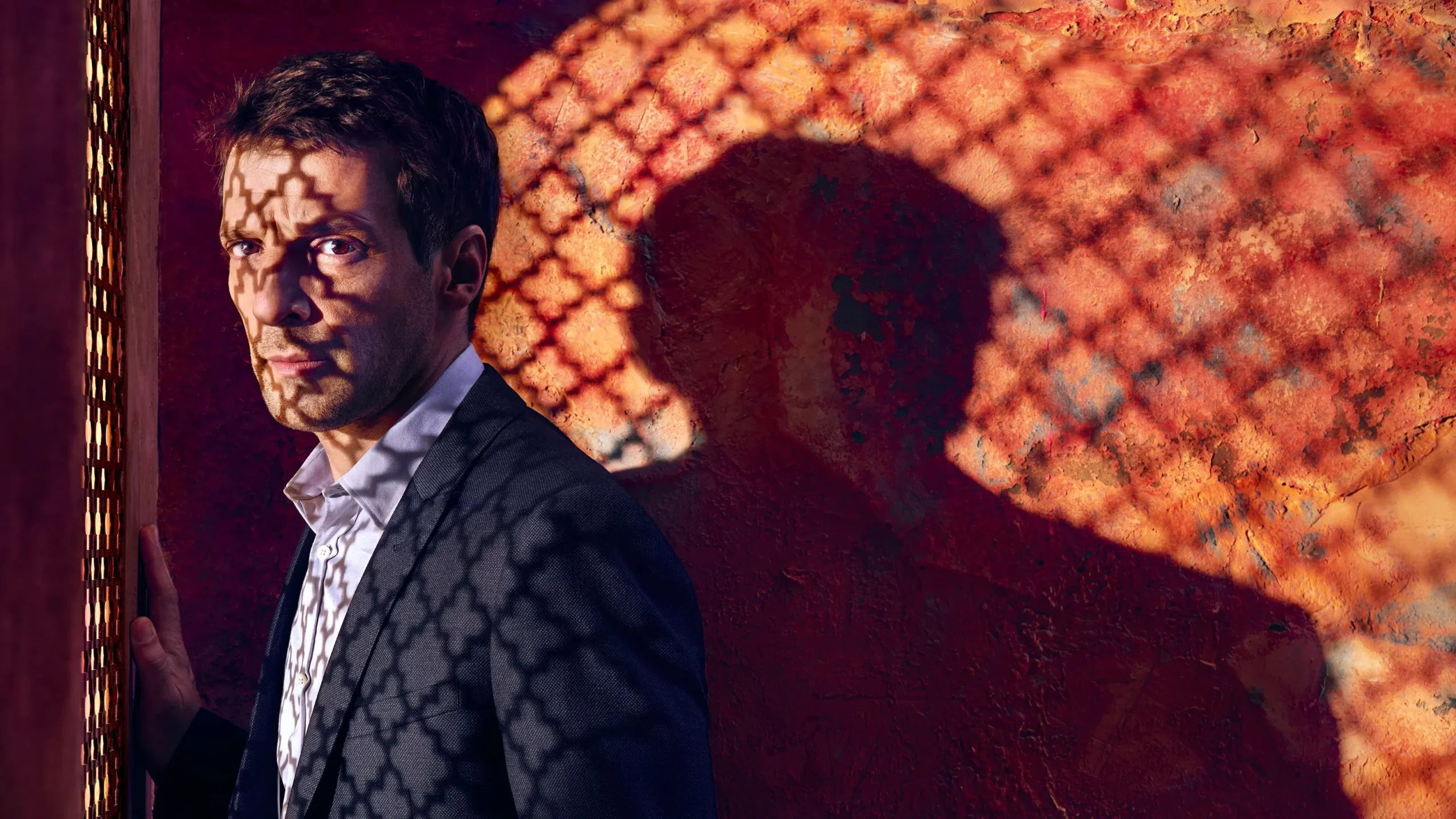
Often described as the most realistic espionage series ever produced, The Bureau (Le Bureau des Légendes) methodically strips intelligence work down to its procedural essentials. Long-term undercover assignments are portrayed not as thrilling gambits with adventure and excitement but as psychologically destabilizing commitments that fundamentally destroy stable identity. The French series follows DGSE officers managing deep-cover agents, examining what happens when operational necessity systematically destroys personal identity beyond any possibility of recovery. Like The Night Manager, the show values patience and trusts viewers to follow complex, layered narratives spanning multiple episodes and seasons without exposition dumps or artificial urgency to maintain attention.
The series' greatest strength lies in its unflinching portrayal of institutional memory prioritizing operational continuity over individual welfare or basic humanity. Intelligence agencies treat human beings as essentially renewable resources to be strategically deployed until they break completely, then efficiently replaced with fresh operatives. Personal relationships are routinely sacrificed to operational requirements without hesitation or meaningful consideration. According to The New York Times, The Bureau succeeds precisely because it treats intelligence work as bureaucratic and emotionally depleting rather than exciting or glamorous. This is espionage as slow-motion personal annihilation, rendered with such procedural accuracy and attention to detail that it feels less like conventional fiction and more like documentary evidence of institutional cruelty systematically masquerading as operational necessity and national security requirements.
-
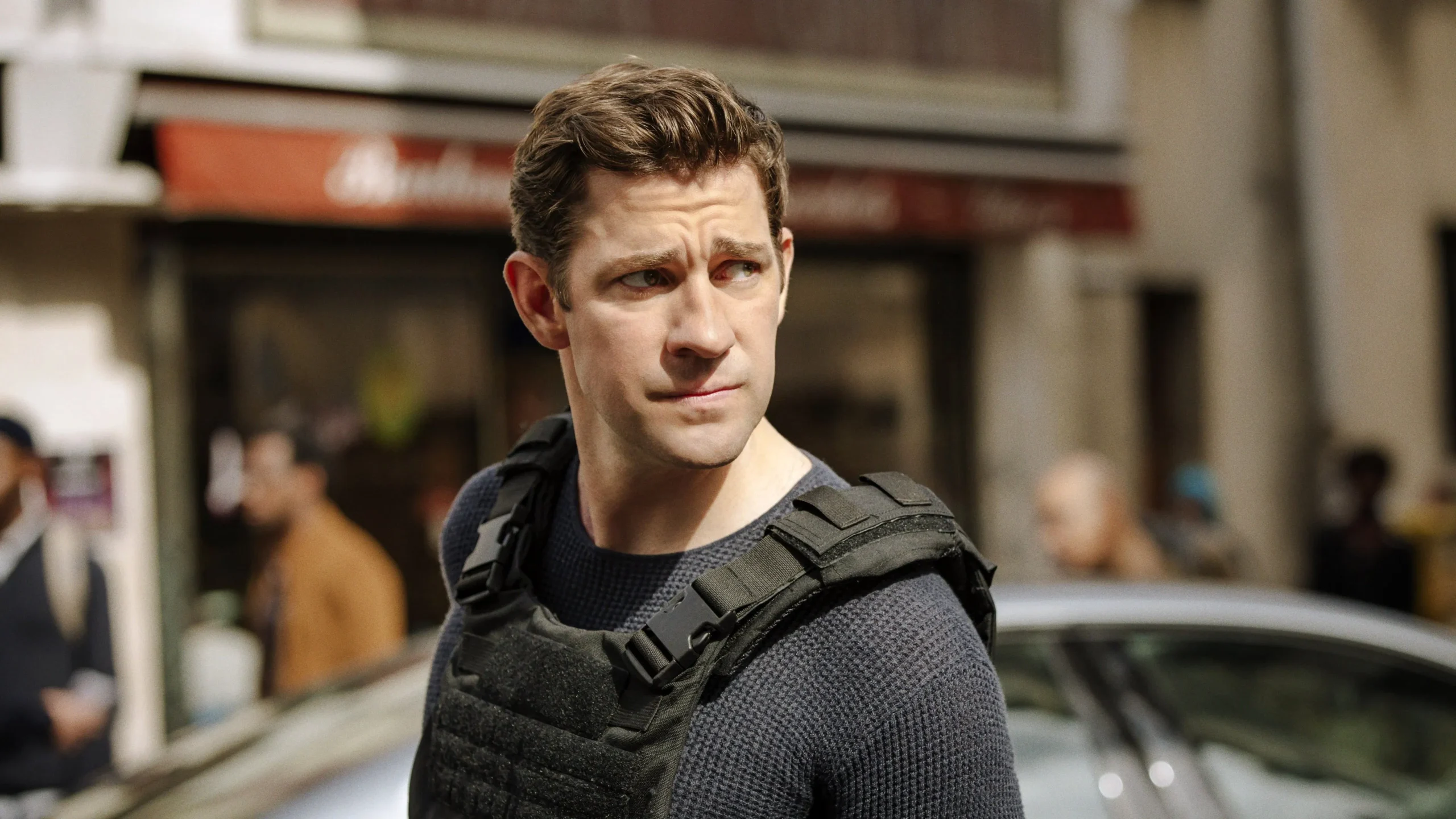
8 Jack Ryan (2018)
AMC Plus Drama Watch Now
Though more action-oriented than The Night Manager, Jack Ryan demonstrates that mainstream espionage entertainment can still meaningfully grapple with complex geopolitical realities when it commits to doing so seriously. The series modernizes Tom Clancy's iconic analyst, framing contemporary threats like terrorism, economic instability, and authoritarian expansion as interconnected systems rather than isolated problems requiring simple military solutions. John Krasinski brings surprising depth to a character that could easily slide into generic action heroism, portraying Ryan as brilliant but inexperienced, capable of strategic insight but genuinely unprepared for the ethical compromises that fieldwork invariably demands from everyone involved.
The show's strongest moments emerge when it slows down sufficiently to examine the cascading human consequences of intelligence decisions made in rooms far from actual conflict zones. Drone strikes that successfully neutralize immediate targets also create devastating new waves of radicalization. Seemingly successful operations produce serious political blowback that fundamentally undermines strategic objectives. Like The Night Manager at its best, Jack Ryan understands that intelligence work is defined less by clear victories than by managing endless cascading consequences. According to IMDb, the production team specifically aimed to balance entertainment value with geopolitical credibility. When the series prioritizes ethical dilemmas over spectacular explosions, it successfully aligns with le Carré's central thesis: the most important battles in intelligence work happen internally, in the uncomfortable space between what operatives are ordered to do and what they can live with having done.
What ultimately connects these eight series to The Night Manager isn’t shared plot mechanics, visual aesthetics, or superficial genre elements. It’s a fundamental understanding that espionage is corrosive work that transforms everyone it touches, almost always for the worse rather than better. The genre’s most compelling stories categorically reject comfortable fantasy in favor of examining how secrecy, sustained deception, and proximity to institutional power systematically reshape human psychology. These aren’t shows offering escapist entertainment where good consistently triumphs and heroes remain morally intact throughout their journeys. Instead, they deliberately invite profound discomfort, asking viewers to genuinely consider the real cost of national security when measured in damaged psyches, destroyed relationships, and moral certainties eroded beyond any possibility of recognition or recovery.
In an era increasingly defined by pervasive surveillance capitalism, sophisticated information warfare, and deep institutional distrust, these series feel remarkably urgent rather than antiquated or nostalgic. They remind audiences that the most dangerous threats often aren’t the ones we can identify clearly, but rather the compromises we make gradually, the ethical lines we cross incrementally, and the essential parts of ourselves we sacrifice without quite realizing what we’ve irretrievably lost until recovery becomes impossible. The restraint and psychological realism that defined The Night Manager’s approach to espionage storytelling hasn’t become less relevant in subsequent years. For audiences seeking intelligence dramas that genuinely reward sustained attention and meaningfully challenge easy assumptions, these eight series represent modern espionage television at its most mature, confident, and deliberately unsettling.