
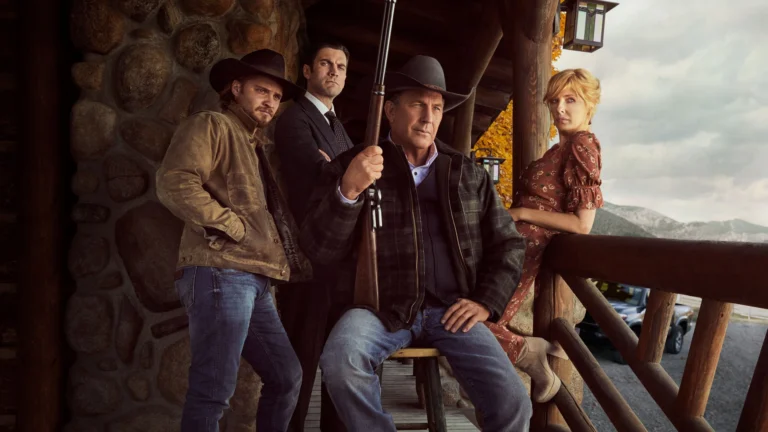

Sunday nights have transformed into a cultural void for millions of viewers. The Dutton family saga may have concluded its primary chapter, but the absence of Yellowstone has left a gaping hole in the streaming landscape. For five seasons, Taylor Sheridan’s neo-western epic redefined prestige television, proving that stories about land, legacy, and the violent preservation of the American frontier could captivate audiences just as powerfully as any HBO drama.
The neo-western genre represents more than cowboys and cattle. It’s a uniquely American examination of power, masculinity, and the collision between old-world values and modern economics. These stories unfold in landscapes where civilization’s veneer is thin, where justice operates outside courtrooms, and where a man’s word matters more than any contract. Yellowstone didn’t invent this genre, but Sheridan’s masterwork certainly popularized it for mainstream audiences, transforming what was once a niche cinematic category into appointment television that dominated ratings and cultural conversations across multiple seasons.
-
1 Hell or High Water (2016)
Lionsgate Watch Now
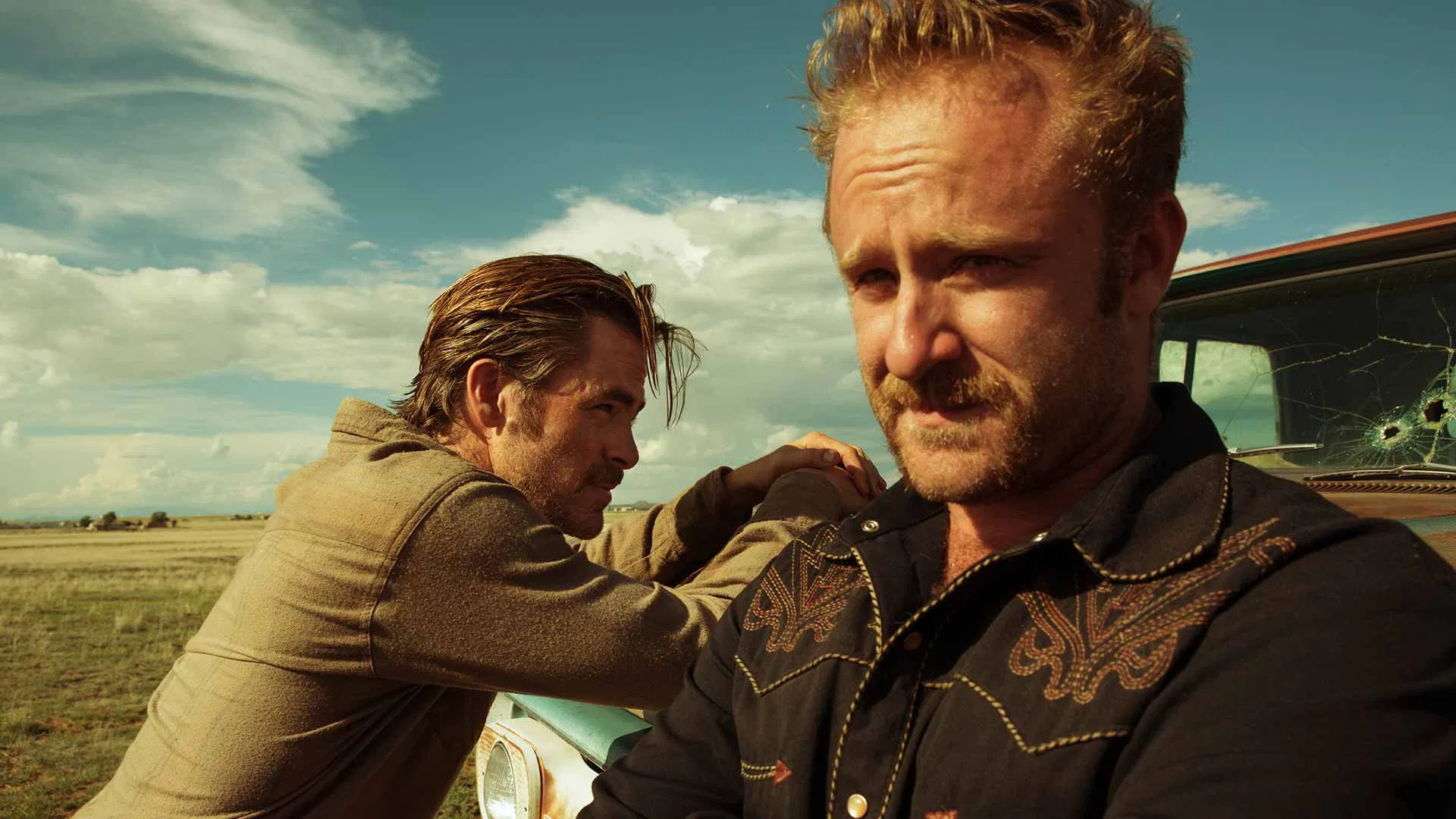
Before Taylor Sheridan became synonymous with Paramount's western expansion, he penned one of the decade's most incisive examinations of rural American decay. Hell or High Water follows two brothers, Toby and Tanner Howard (Chris Pine and Ben Foster), executing a methodical series of bank robberies across West Texas. Their target isn't random: they're robbing specific branches of the bank threatening to foreclose on their family ranch. Jeff Bridges delivers a career-defining performance as Marcus Hamilton, the soon-to-retire Texas Ranger who recognizes something tragically familiar in these criminals.
The parallels to Yellowstone's central conflict are impossible to ignore. Both stories examine what happens when land that defines a family's identity becomes a commodity to be bought and sold. The film asks the same question John Dutton spent five seasons grappling with: what are you willing to sacrifice to protect what's yours? Sheridan's screenplay crackles with his signature dialogue, characters speaking in the clipped, economical language of men who've learned that words are cheaper than actions. The Texas landscape becomes a character itself, vast and unforgiving, beautiful in its desolation, perfectly capturing that frontier isolation.
-
2 Wind River (2017)
Lionsgate Watch Now
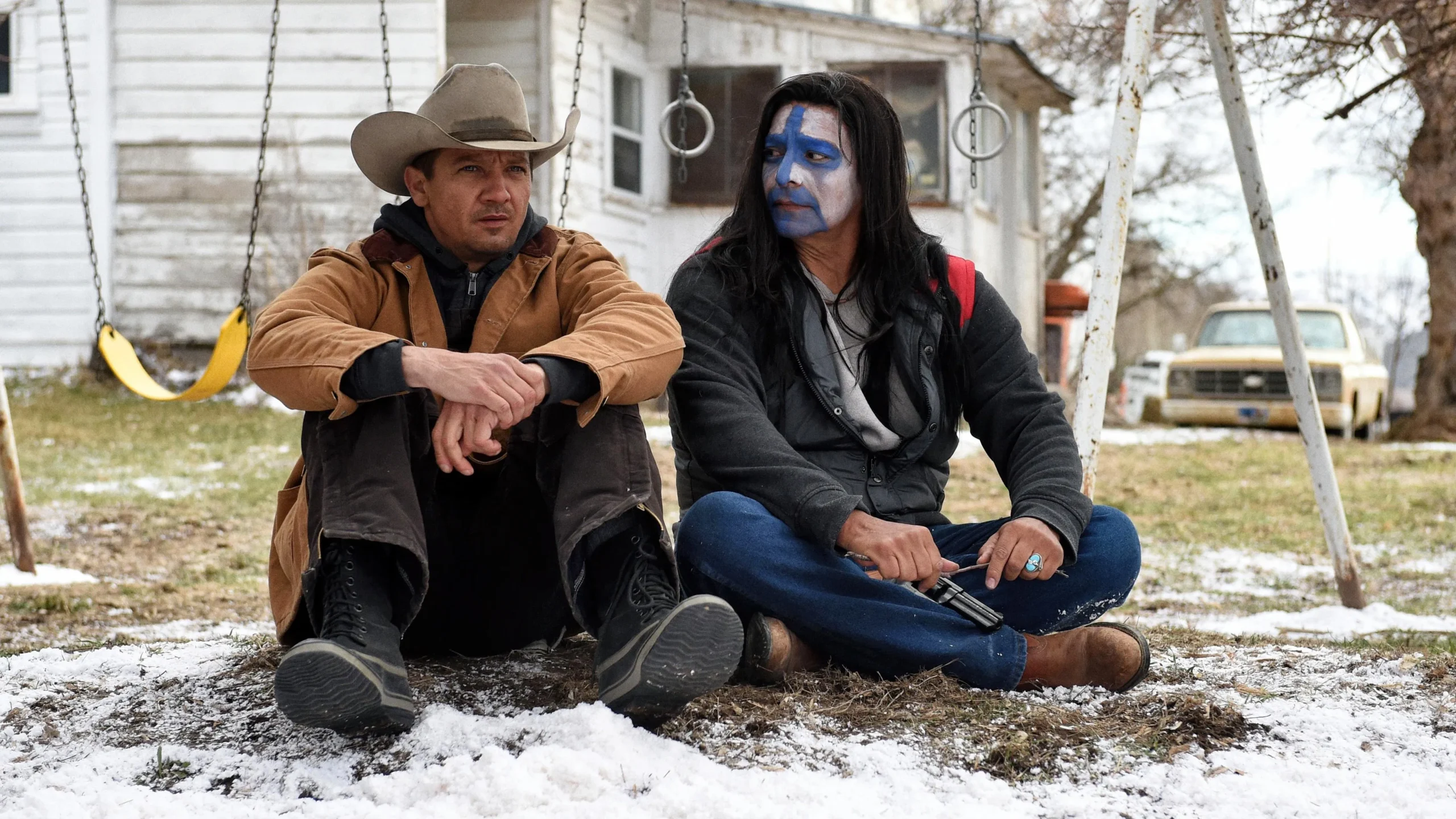
Taylor Sheridan's directorial debut proves he possesses the same command behind the camera as he does with a screenplay. Wind River transplants the neo-western aesthetic to Wyoming's Wind River Indian Reservation, where professional wildlife tracker Cory Lambert (Jeremy Renner) discovers the frozen body of a young Native American woman in the snow. FBI agent Jane Banner (Elizabeth Olsen) arrives from Las Vegas catastrophically unprepared for both the climate and the cultural complexities she's about to navigate in this unforgiving environment.
The film operates as both a murder mystery and a searing indictment of institutional neglect. Sheridan crafts a narrative that refuses to look away from uncomfortable truths about how the United States treats its indigenous populations. The reservation exists as a kind of legal no man's land, where jurisdictional ambiguities create an environment where crimes against Native Americans often go uninvestigated and unpunished. It's Yellowstone's Thomas Rainwater storylines expanded into feature length, given the depth and complexity they deserved. Renner delivers one of his finest performances as Lambert, a man carrying profound personal tragedy while navigating two worlds with respect.
-
3 Let Him Go (2020)
Focus Features Watch Now
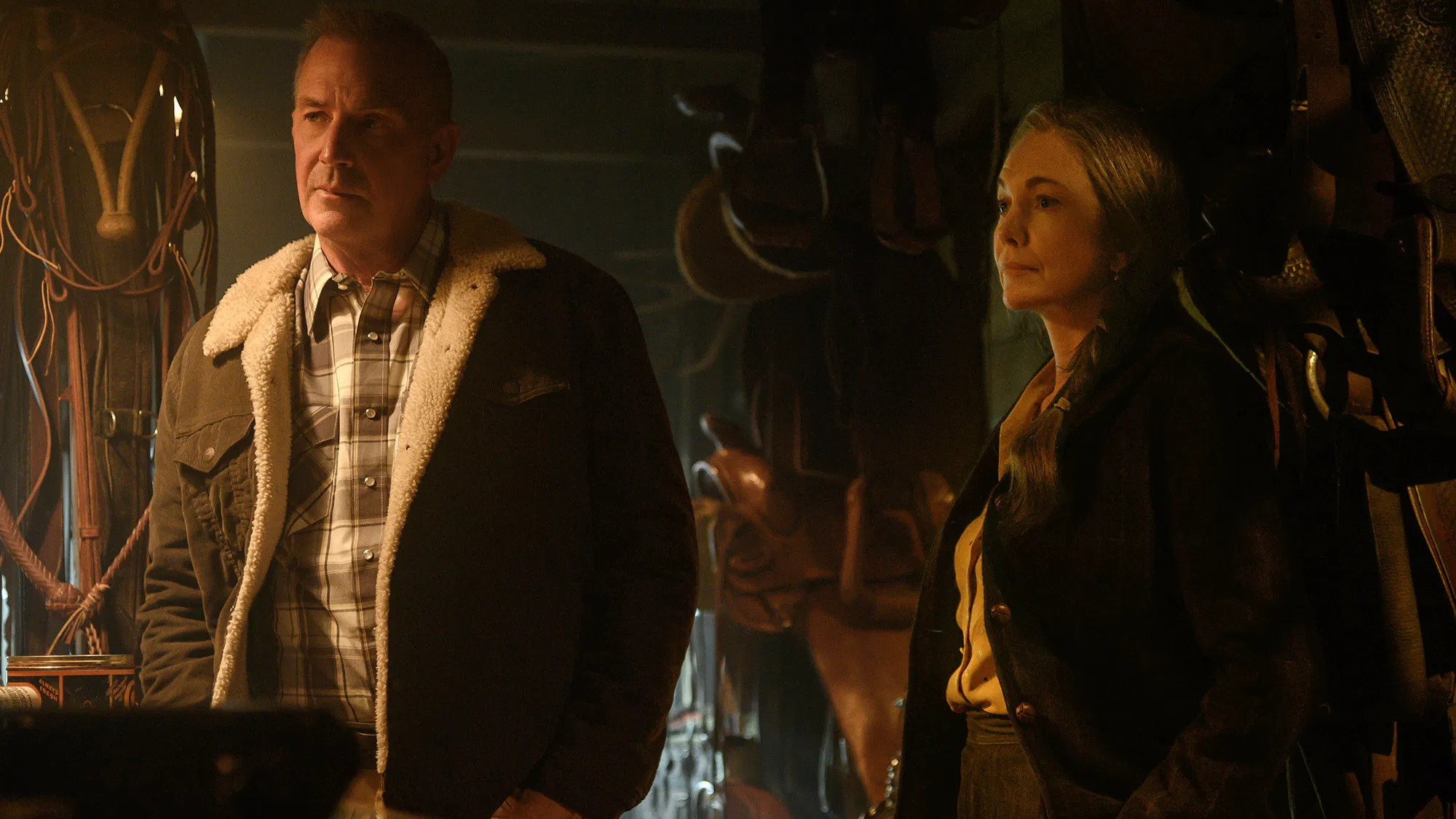
Watching Kevin Costner play a protective grandfather in Let Him Go creates fascinating cognitive dissonance for Yellowstone fans. Released while the show was dominating ratings, this film feels like an alternate universe exploration of John Dutton's character. Set in 1960s Montana, retired sheriff George Blackledge (Costner) and his wife Margaret (Diane Lane) embark on a dangerous mission to retrieve their grandson from the Weboy family, an off-the-grid clan that makes the Beck Brothers look civilized by comparison.
Director Thomas Bezucha adapts Larry Watson's novel into a slow-burn thriller that explodes into shocking violence. The first two acts methodically build tension as the Blackledges realize the horrifying situation their grandson faces. The Weboys, led by a terrifying matriarch played by Lesley Manville, represent a twisted version of family loyalty taken to its most toxic extreme. They're isolated, suspicious, and willing to use violence to maintain control. The film's power comes from Costner and Lane's lived-in performances. These aren't action heroes or larger-than-life figures. They're aging grandparents driven by love and desperation, venturing into a situation they're not physically prepared for.
-
4 Sicario (2015)
Lionsgate Watch Now
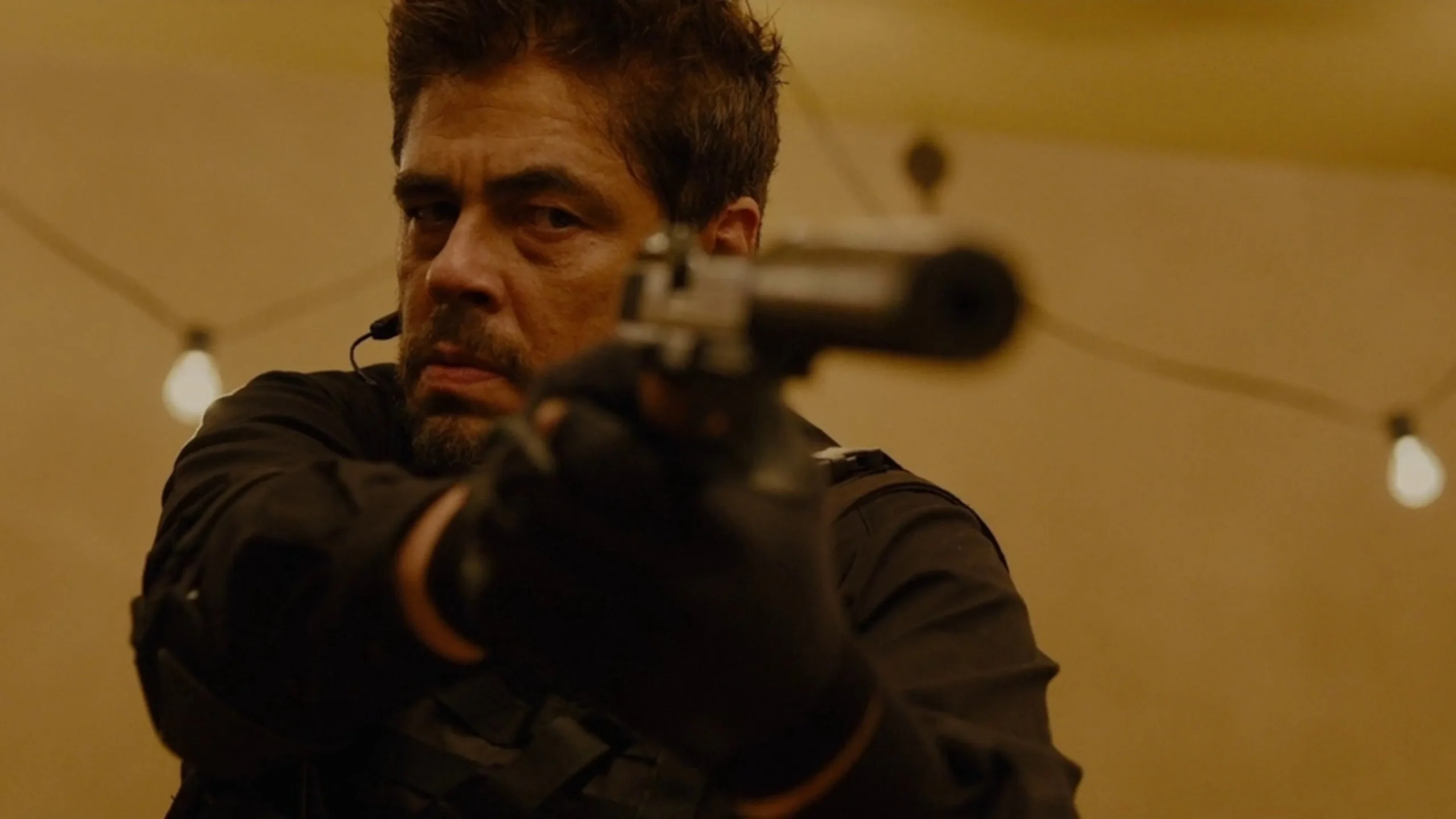
Taylor Sheridan's screenplay for Sicario relocates the western to the U.S.-Mexico border, transforming the drug war into a modern frontier conflict. Director Denis Villeneuve brings his signature precision to a story about FBI agent Kate Macer (Emily Blunt) who gets recruited for a Department of Defense task force pursuing a Mexican cartel lieutenant. What she discovers is a shadow war where legal boundaries dissolve and moral certainties evaporate in the harsh desert landscape.
The film's genius lies in its perspective shift. Kate begins as our moral anchor, a by-the-book agent who believes in procedures and rules of engagement. As the story progresses, we watch those certainties get systematically dismantled. Benicio Del Toro's Alejandro represents the film's dark heart: a former prosecutor turned government-sanctioned assassin, a man who's seen so much horror that he's become the monster required to fight monsters. For Yellowstone fans who gravitate toward the show's darker elements, particularly Rip Wheeler's "black hat" operations, Sicario provides that same moral complexity amplified to terrifying extremes. Both stories understand that maintaining power requires people willing to do unspeakable things in the shadows.
-
5 No Country for Old Men (2007)
Paramount Watch Now
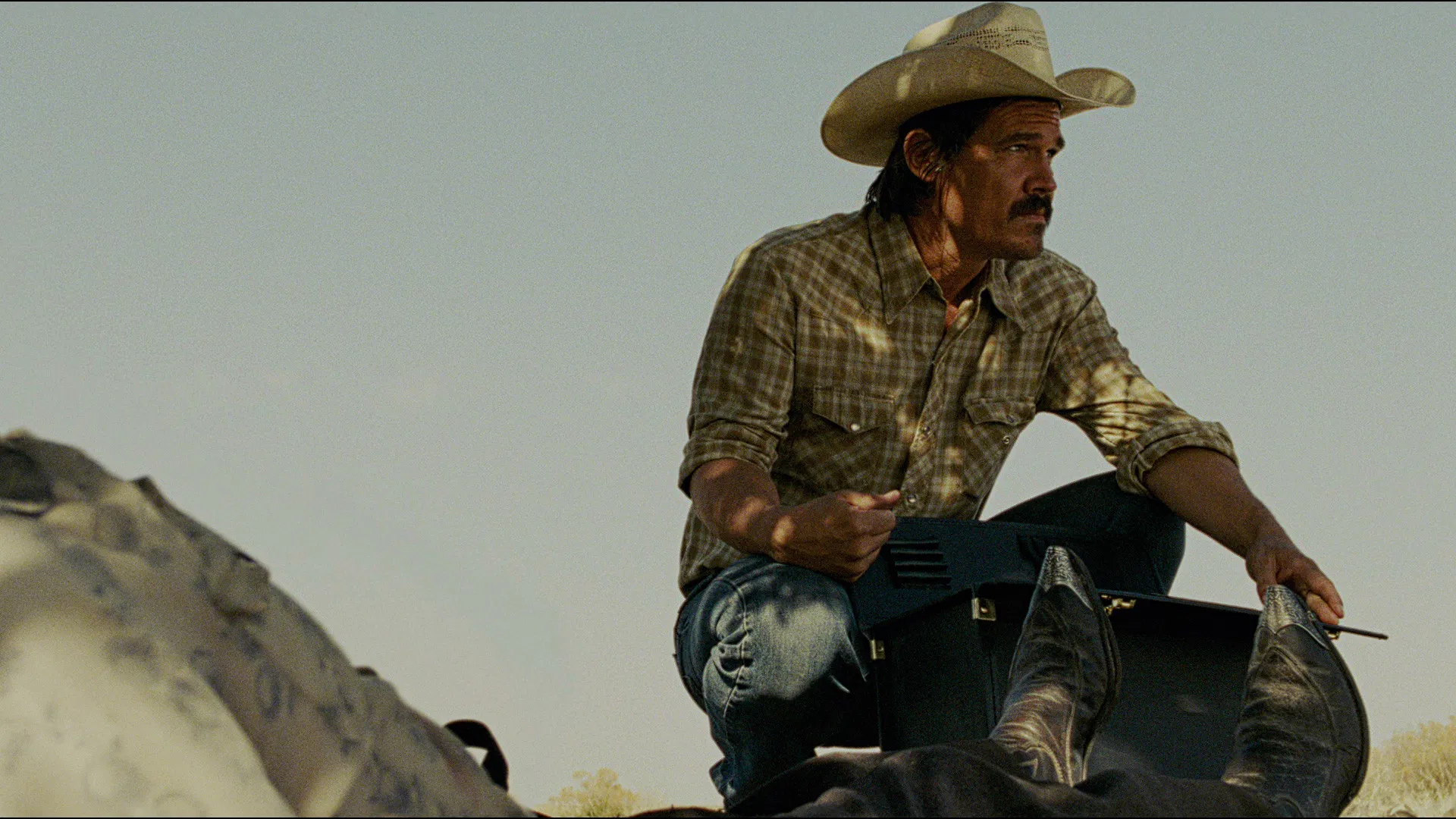
The Coen Brothers' adaptation of Cormac McCarthy's novel remains the definitive neo-western nearly two decades after its release. The plot appears straightforward: Vietnam veteran Llewelyn Moss (Josh Brolin) stumbles upon a botched drug deal in the Texas desert and makes the fateful decision to take a suitcase containing two million dollars. That choice sets in motion a collision course with Anton Chigurh (Javier Bardem), a hitman who operates with the inevitability of death itself, and Sheriff Ed Tom Bell (Tommy Lee Jones), a lawman watching his world transform.
What connects No Country for Old Men to Yellowstone's thematic core is Sheriff Bell's existential crisis. Like John Dutton, he's a man shaped by old-world values confronting a new reality that has no use for those values. Bell grew up hearing his father's stories about lawmen who didn't carry guns, operating in a world where a handshake meant something. Now he faces criminals like Chigurh, who can't be reasoned with, bargained with, or understood through any traditional moral framework. Bardem's Oscar-winning performance creates one of cinema's most terrifying villains precisely because he operates without passion or personal animus.
-
6 Those Who Wish Me Dead (2021)
New Line Watch Now
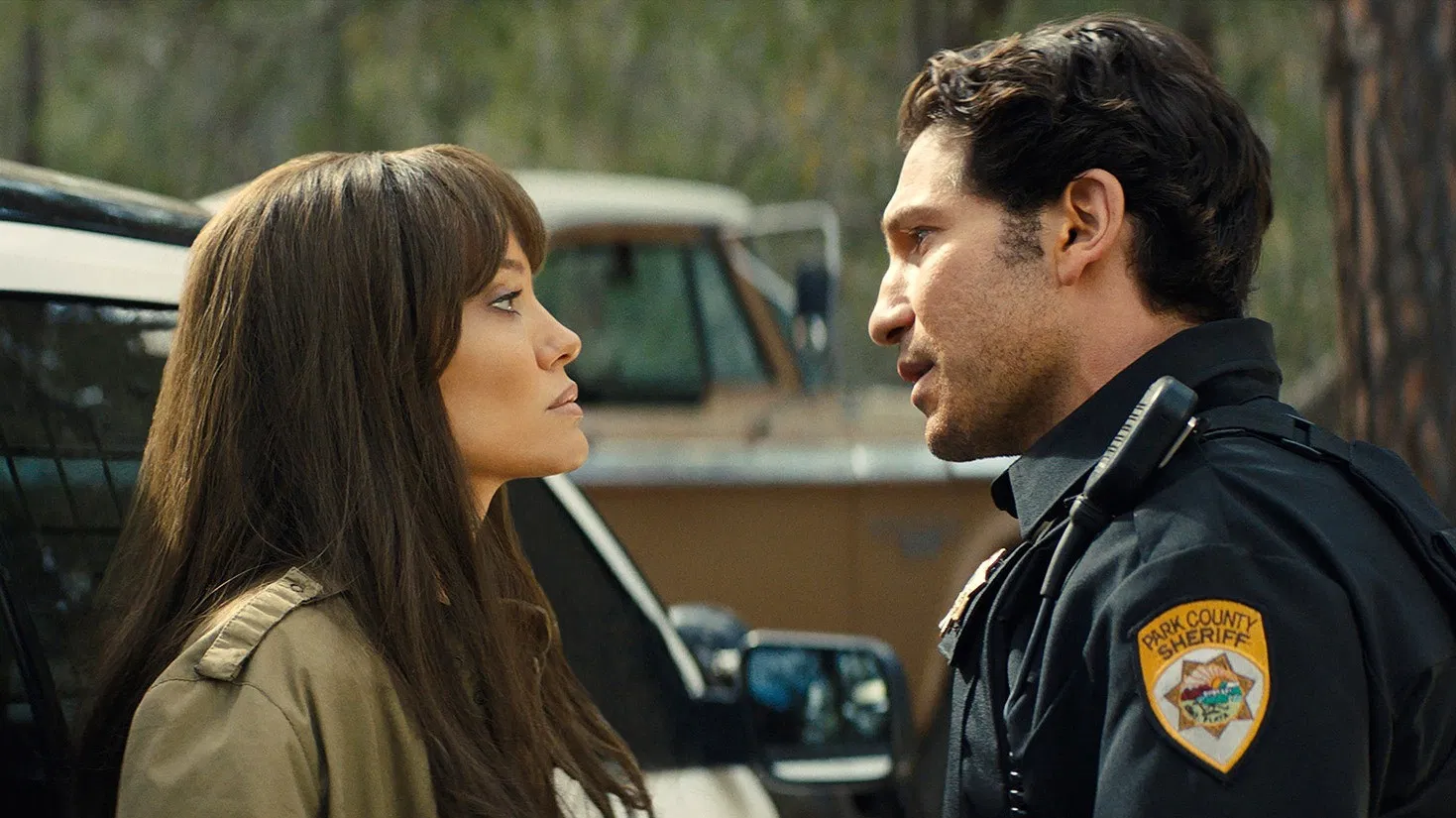
Taylor Sheridan returns to directing with this high-octane thriller that feels like Yellowstone's aesthetic compressed into a lean action film. Angelina Jolie stars as Hannah Faber, a smokejumper haunted by a tragic past, stationed in the Montana wilderness. When a young boy (Finn Little) witnesses his father's murder by two professional assassins (Aidan Gillen and Nicholas Hoult), Hannah becomes his unlikely protector as a massive forest fire engulfs the landscape around them in spectacular fashion.
The film sacrifices the contemplative pacing of Sheridan's other work for propulsive action, but it maintains his thematic interests. Hannah's arc parallels Yellowstone characters like Kayce Dutton: she's running from trauma, seeking redemption through isolation and physical labor. The Montana setting provides instant visual familiarity for fans of the series, all towering pines and mountain vistas, though here those landscapes become an active threat as fire transforms the environment into a trap. Where Those Who Wish Me Dead distinguishes itself is in its use of natural disaster as both setting and antagonist, forcing characters into impossible choices.
The Neo-Western Legacy Continues
The Dutton saga may have concluded, but these six films prove the neo-western genre thrives precisely because it addresses contemporary anxieties through timeless archetypes. These stories resonate because they examine American identity at its most fundamental: the relationship between individuals and land, the tension between law and justice, the question of what we owe our families and what we owe ourselves. Yellowstone became a cultural phenomenon by tapping into these themes, but it didn’t create them alone.
The modern western works because America has never really left the frontier mentality. We still believe in individualism over collective action, we still valorize men who solve their own problems, we still have vast spaces where civilization’s rules feel optional. These films and Yellowstone understand that the frontier didn’t close in 1890. It just changed location, moved from open ranges to border towns, from cattle wars to cartel wars. Stream any of these films, and you’ll find yourself back in familiar territory: big skies, harder men, impossible choices, and the understanding that in the American West, past and present collapse into each other.