
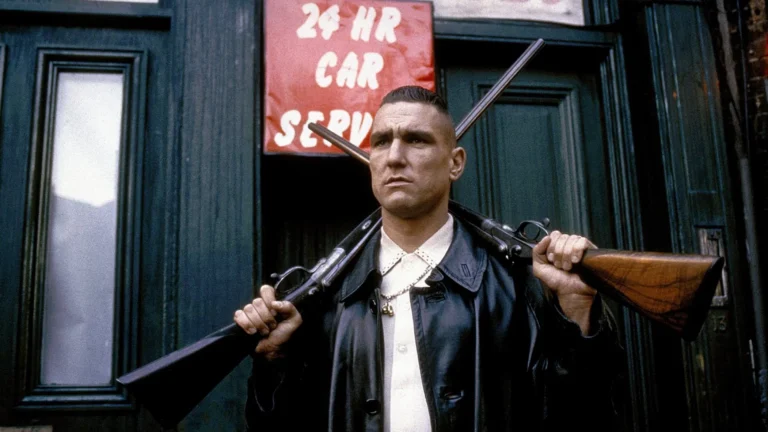

Let’s be perfectly clear about one thing before we begin. A true British gangster movie isn’t just about the accent or the slang. It is fundamentally about the atmosphere, the specific architecture of post-war council estates, the smoky interior of a local pub, and that unique cocktail of polite society clashing with barbaric violence. While American crime cinema often focuses on the sprawling epic of the Italian-American mafia or the cartel wars, British crime cinema is tighter, meaner, and arguably wittier. As noted by the BFI, this genre thrives on the class system, exploring how the aristocracy of the peerage often relies on the brute force of the working class. It is a genre where a cup of tea is just as iconic as a sawn-off shotgun.
For this specific ranking, we are tightening the net significantly. We are stripping away the international excursions and foreign syndicates that often dilute the core experience. That means no trips to Bruges for a holiday and no Russian Vory taking over London bathhouses. This list is strictly for the films that capture the homegrown criminal element in its natural habitat: England. These are the films where the tea is scalding hot, the rain is freezing cold, and the threats are delivered with a terrifying smile. From the swinging sixties to the modern day, here are the films that define British villainy without ever leaving the island.
-
8 The Gentlemen (2020)

STX Entertainment Watch Now
After spending a decade helming massive studio blockbusters like Sherlock Holmes and Disney's Aladdin, director Guy Ritchie finally returned to his roots with The Gentlemen. Although the central figure played by Matthew McConaughey is an American expatriate, the ecosystem he inhabits is purely British. The film serves as a meta-commentary on class warfare, illustrating how the old money of the English peerage has become destitute and reliant on the new money generated by the illegal marijuana trade. It is a slick, stylish return to form that proves the London crime caper is still very much alive, filled with sharp suits, sharper tongues, and intricate plotting that keeps the audience guessing until the final frame.
The absolute standout element of this production is Hugh Grant. Playing completely against his usual charming type as Fletcher, a sleazy, tabloid-investigating blackmailer with a thick Cockney accent, Grant steals every scene he is in. His performance anchors the narrative, providing a framing device that feels both theatrical and cinematic. While some critics at Variety felt the film played too heavily into Ritchie's established tropes, fans embraced the nostalgia. It manages to balance the violence with a high-brow wit, showcasing a modern London underworld that has evolved from the rough-and-tumble days of the nineties into something far more corporate and dangerous.
-
7 Gangster No. 1 (2000)

FilmFour Productions
While Guy Ritchie was busy making the crime life look incredibly fun and stylish, director Paul McGuigan decided to make it look absolutely terrifying. Gangster No. 1 operates as a psychological deep dive into the mind of a true sociopath. Paul Bettany delivers a chilling, career-defining performance as the young, unnamed protagonist who idolizes—and eventually seeks to destroy—his boss, the "King of Mayfair." This is not a film about the camaraderie of thieves. Instead, it is a character study of envy and madness, often compared to a collision between A Clockwork Orange and Goodfellas. It strips away the glamour of the lifestyle to reveal the rot underneath.
The film is notable for its visual style and brutal violence, which shocked audiences upon its release. It utilizes a fracturing timeline to contrast the swinging sixties with the grim reality of the present day, showing the long-term cost of a life of crime. Malcolm McDowell plays the older version of the protagonist, but it is Bettany’s reptile-like gaze that lingers in the memory. As noted in retrospective reviews, this film deconstructs the "honor among thieves" myth, presenting a world where loyalty is just a mask for ambition. It is visceral, stylish, and deeply disturbing, focusing on the sheer insanity required to climb the ladder of the London criminal hierarchy.
-
6 Legend (2015)
UNIVERSAL PAY TELEVISION Watch Now
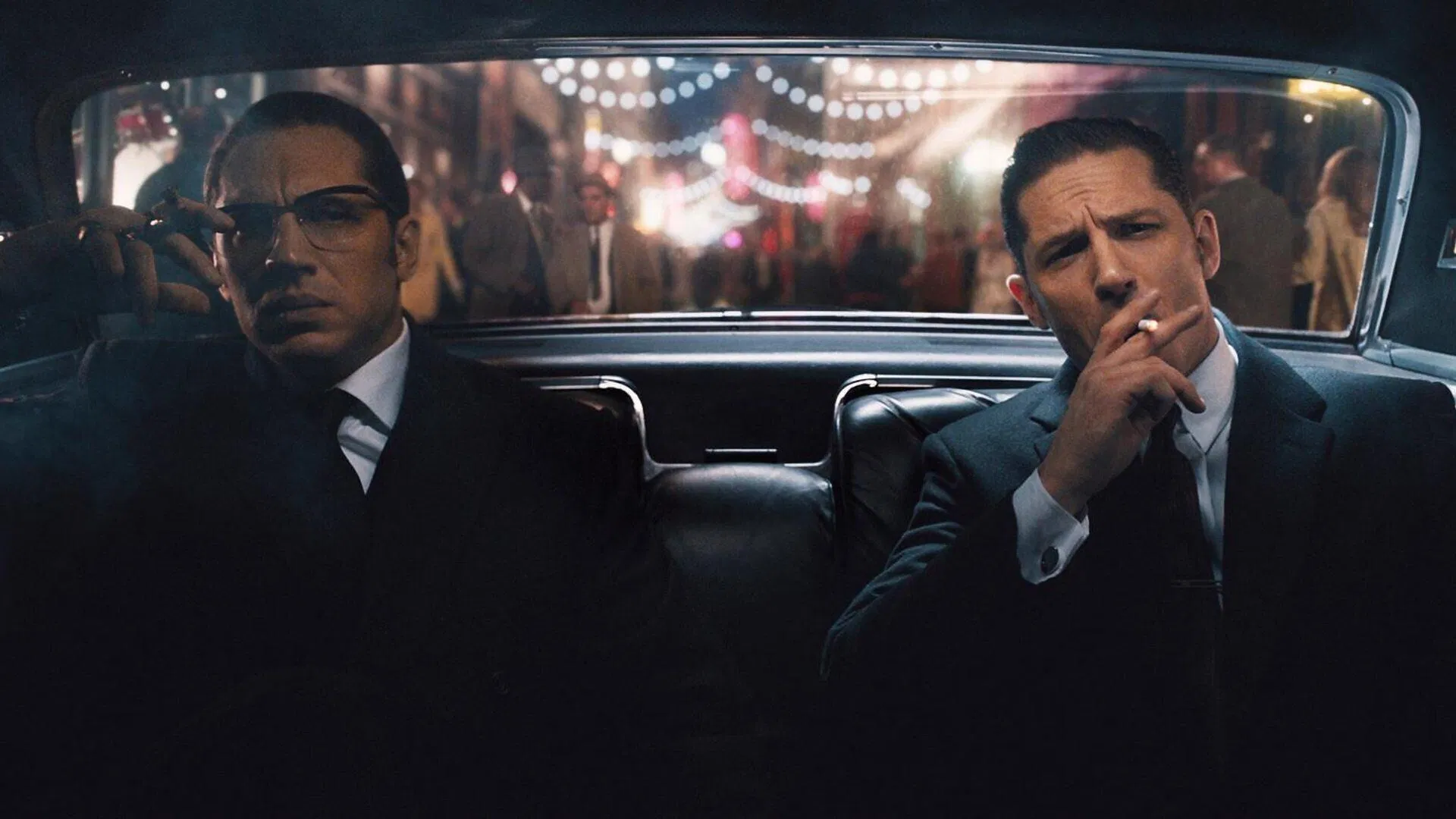
You cannot honestly discuss the history of British crime without addressing the Kray Twins. While the 1990 biopic The Krays was a solid effort, Brian Helgeland's Legend becomes a tour de force purely because of Tom Hardy. In a technical marvel of a performance, Hardy plays both the suave, business-minded Reggie and the psychotic, paranoid Ronnie. The film utilizes seamless visual effects to have Hardy act opposite himself, but the true magic lies in his ability to create two distinct characters through body language and vocal inflection alone. It is a masterclass in acting that elevates a standard biopic into something mesmerizing to watch.
Set against the backdrop of the 1960s East End, the film perfectly captures the unique celebrity status that British gangsters enjoyed during that era. They were not hiding in the shadows like their American counterparts. They owned nightclubs, rubbed shoulders with politicians, and were treated like rock stars by the public. Legend captures the glamour that hid the rot, anchored by a specific bar brawl scene that is equal parts hilarious and brutal. Although The Guardian criticized the film for perhaps romanticizing their violence, it remains an essential watch for the way it depicts the mythology of the East End and the unbreakable, toxic bond between brothers.
-
5 Layer Cake (2004)
Sony Pictures Classics Watch Now
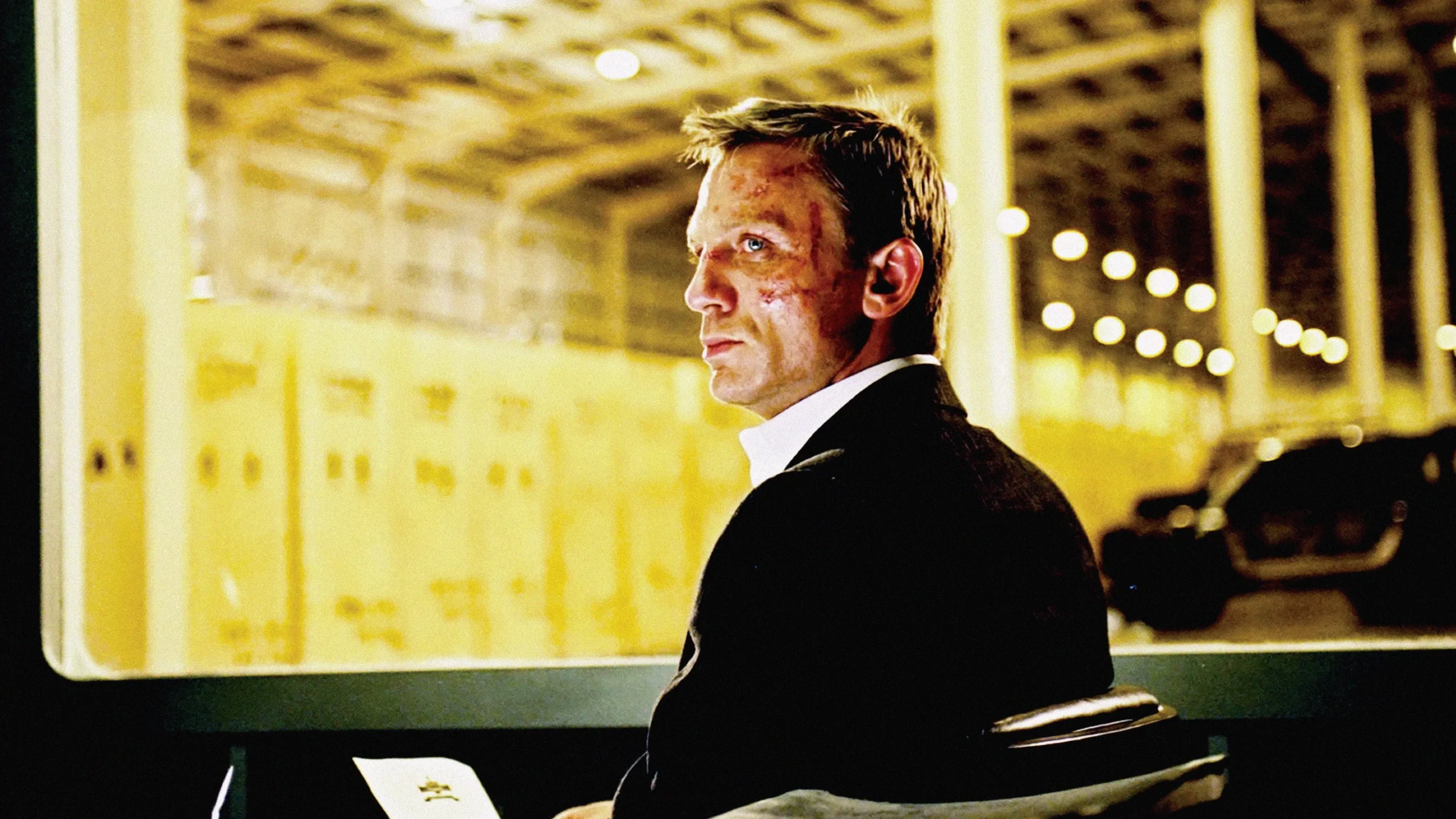
Before he was James Bond, Daniel Craig was the unnamed protagonist of Layer Cake, a film that remains the smartest entry on this list. Directed by Matthew Vaughn, this movie treats the British drug trade not as a chaotic war of gangs, but as a strict corporate ladder that needs climbing. Craig’s character, often referred to as "XXXX," is the ultimate middle-manager criminal operating in a London that feels cold, metallic, and distinctly modern. He creates a sharp contrast to the traditional tough guys of the past. He hates guns, he dislikes violence, and he views his illegal activities strictly as a business venture to be exited as soon as possible.
The film is essential viewing because it bridges the gap between the rough-and-tumble lad films of the nineties and the polished, high-stakes thrillers of today. It depicts a London where the criminals listen to Duran Duran, drive high-end Audis, and drink tea in greasy spoons while planning million-pound deals. The "layer cake" metaphor perfectly encapsulates the social stratification of British crime, where everyone is stepping on someone else to get to the top. Critics praised Vaughn for his sleek direction, and many industry insiders cite this specific performance as the one that convinced the producers to cast Craig as Agent 007.
-
4 Lock, Stock and Two Smoking Barrels (1998)
UNIVERSAL PAY TELEVISION Watch Now
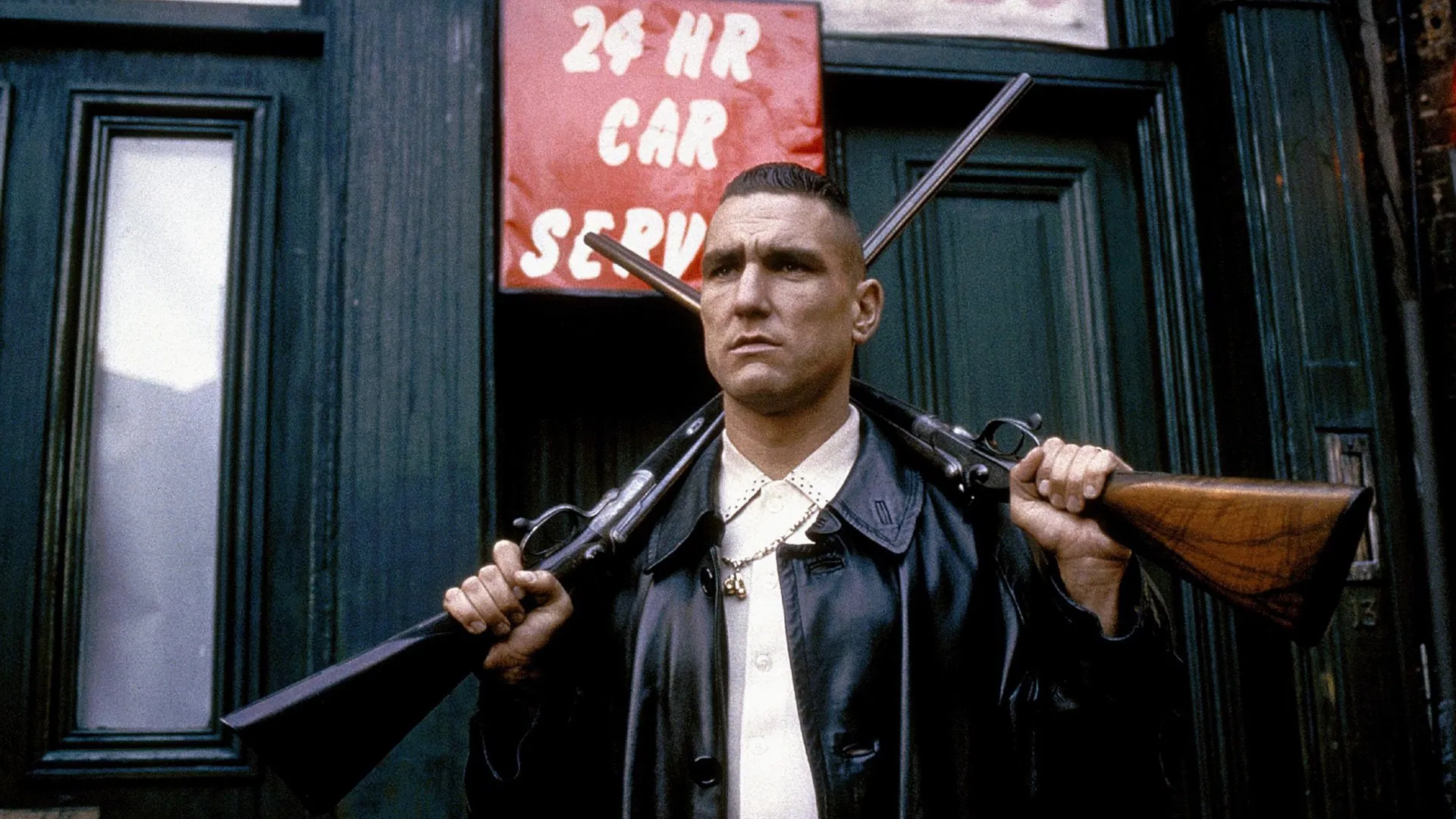
This is the film that started the modern obsession with the genre. Before Lock, Stock and Two Smoking Barrels, British crime films were often dour, depressing affairs like The Long Good Friday or gritty dramas like Mona Lisa. Guy Ritchie injected the genre with speed, color, humor, and a killer soundtrack. Set entirely in the labyrinthine streets of London, it captures a specific moment in British culture known as the "Lad" era. The plot is a farce of errors involving antique shotguns, a high-stakes card game, and cannabis factories, but the texture is 100% authentic East End.
It is impossible to overstate the impact this low-budget film had on the industry. It launched the careers of Jason Statham and Vinnie Jones, the latter of whom transitioned from professional football to acting with a menacing charisma that became iconic. The film's visual style, characterized by sepia tones and rapid-fire editing, became the template for the British ensemble crime comedy for the next decade. While dozens of imitators tried to copy the formula, none could match the energy or the script's rhythmic dialogue. It remains a masterclass in interwoven storytelling, where multiple disparaging groups collide in a violent, hilarious finale.
-
3 Snatch (2000)

Columbia Pictures, Screen Gems Watch Now
If Lock, Stock was the rough draft, Snatch is the polished masterpiece. Guy Ritchie returned two years later with a bigger budget and a massive American star in Brad Pitt, yet he refused to compromise the film’s British identity. While Pitt’s incomprehensible "Pikey" accent steals many headlines, the film’s heart belongs to the British cast, particularly Alan Ford as "Brick Top." Brick Top is arguably one of the most terrifying villains in cinema history, a man who famously explains the best way to dispose of a body is to feed it to pigs. This balance of dark horror and rapid-fire wit is what elevates the film above its predecessor.
The narrative utilizes London’s diamond district, illegal boxing venues, and gypsy campsites to paint a picture of an England that is chaotic, violent, and irresistibly entertaining. The pacing is relentless, moving between multiple storylines with a confidence that Ritchie has rarely matched since. Snatch also refined the visual language of the genre, using freeze-frames and on-screen text to introduce characters, a technique that has been copied endlessly. It is a film that is infinitely quotable and remains the gold standard for modern British crime comedies, proving that a sequel-of-sorts can indeed surpass the original.
-
2 The Long Good Friday (1980)

The Criterion Collection Watch Now
This film stands as the crucial bridge between the old world and the new. Bob Hoskins delivers a powerhouse performance as Harold Shand, the undisputed king of the London docks, whose empire begins to crumble over a single Easter weekend. The Long Good Friday is quintessentially English because it deals with a post-imperial identity crisis. Shand represents the old British Bulldog spirit, a man who believes he can run the underworld through traditional intimidation. However, he finds himself utterly confused and outmatched by the new, political violence of the IRA. It is a tragedy of arrogance set against the industrial decay of the late seventies.
Directed by John Mackenzie, the film is steeped in the atmosphere of the River Thames and the changing face of London before the financial boom of the eighties. It is not just a gangster movie. It is a political thriller that examines the intersection of crime, big business, and terrorism. Helen Mirren shines as Victoria, Harold’s wife, who proves to be far more intelligent and adaptable than her husband. The final scene, a long unbroken take of Hoskins realizing his fate in the back of a car, is frequently cited by film historians as one of the greatest endings in cinema.
-
1 Get Carter (1971)

WARNER BROS. Watch Now
There is London, and then there is the North. Get Carter takes the crown because it dares to leave the glamour of the capital behind for the bleak, hard environment of Newcastle. Michael Caine plays Jack Carter, a London gangster returning home to investigate his brother's death, and the clash between his sharp, tailored suits and the grim northern town is visual poetry. There are no jokes here. There are no fun montages. There is just a relentless, cold-blooded quest for revenge in a world of brick terraced houses, smoky pubs, and multi-story car parks. It defines the phrase "It's grim up North."
Director Mike Hodges crafted a film that is stripped of all sentimentality. Caine’s performance is terrifyingly restrained, shedding his usual affable charm to play a man who is essentially a shark in human clothing. The film’s influence is massive, inspiring virtually every gritty British crime drama that followed. It captures a specific time in British history where the swinging sixties were dying and a harsher decade was beginning. For its unflinching realism, its iconic score, and its refusal to glamorize the violence, Get Carter remains the hardest, coldest, and best British gangster film ever made.
The British gangster film is a unique beast. It is a genre that has evolved from the bleak, social realism of Get Carter to the high-energy, stylized capers of Guy Ritchie, yet it has never lost its core identity. These films share a DNA that is built on the specific textures of British life—the damp streets, the class resentment, and the dry, cutting humor that accompanies even the most violent acts. Whether it is the corporate ladder of Layer Cake or the psychological horror of Gangster No. 1, these movies prove that you do not need the sprawling landscapes of America to tell a compelling crime story.
Ultimately, the appeal of these films lies in their “home turf” authenticity. They invite the audience into a world that feels dangerously close to reality, a world that exists just behind the doors of the local pub or in the shadows of a familiar housing estate. As we look forward to the future of the genre, with new directors bringing fresh perspectives to the screen, these eight films stand as the pillars of the “British Firm.” They remind us that when it comes to crime cinema, nobody does grit and wit quite like the British.