
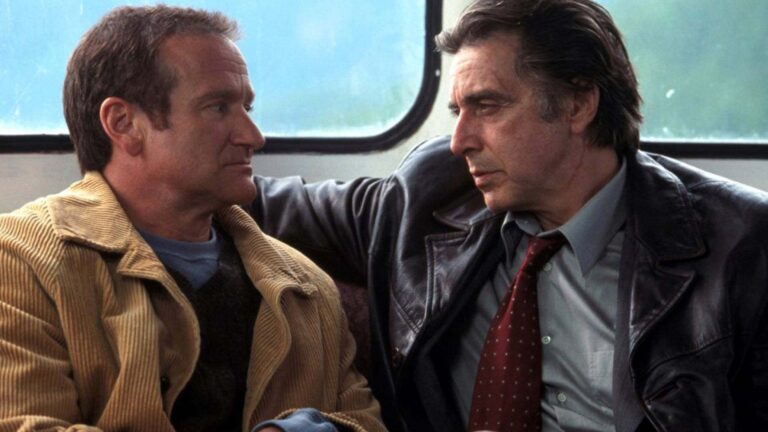

There is a specific, visceral thrill in realizing the person hired to solve a gruesome crime is actually the one committing it. The cinematic landscape is packed with standard procedurals, but if there is one trope that completely shatters an audience’s trust, it is the gut-wrenching revelation found in detective movies where the detective is the killer. This specific narrative device weaponizes the viewer’s expectations. We are programmed to trust the badge, the magnifying glass, and the brooding investigator staring at the evidence board. When that trust is inverted, the result is pure movie magic that lingers long after the credits roll.
Crafting a successful film around an unreliable narrator holding a badge requires absolute precision from both the director and the lead actor. It is not just about executing a cheap plot twist. The true artistry lies in the breadcrumb trail of clues, the psychological weight of the protagonist’s fractured mind, and the agonizing tension of watching a hunter chase their own tail. Below, we break down the most impactful psychological thriller masterclasses that flipped the script and changed the genre forever.
At a Glance: Best What to Watch Picks
11 Movies Where the Investigator is Actually the Killer
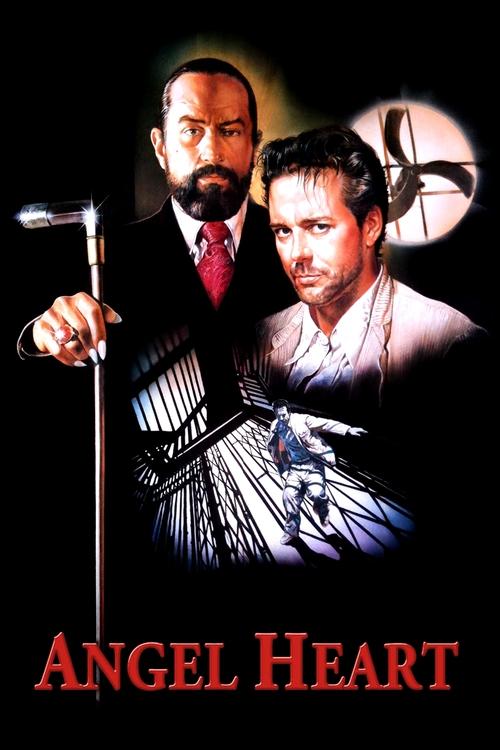

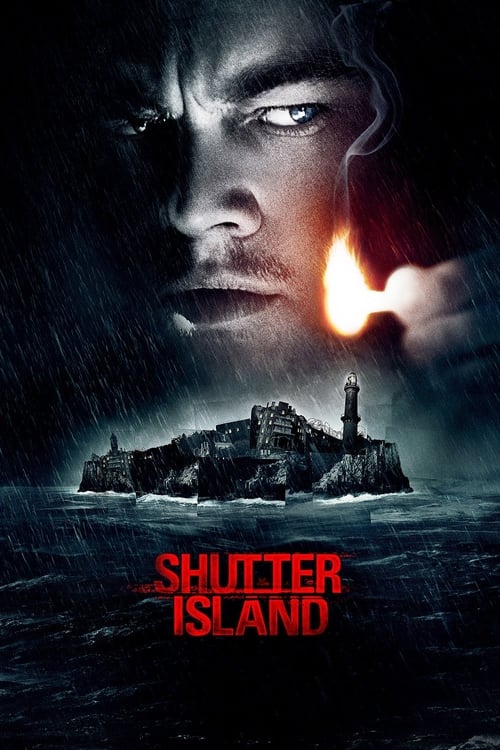
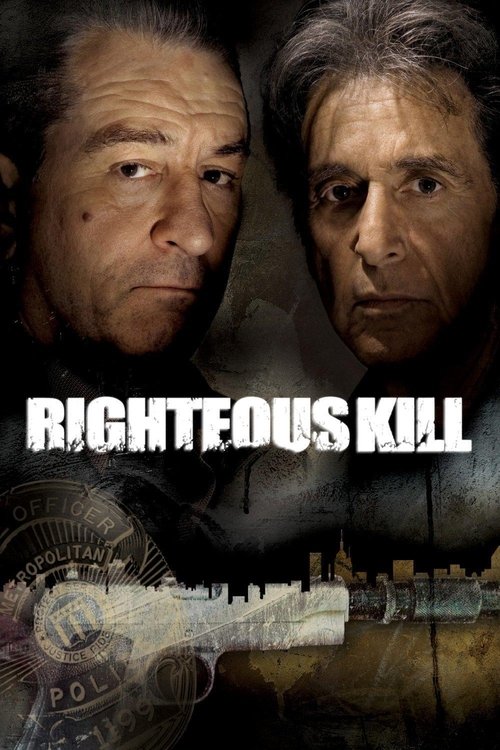

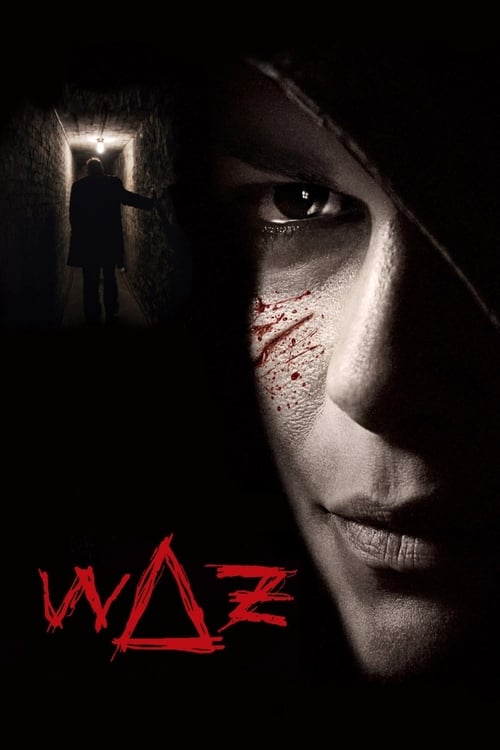

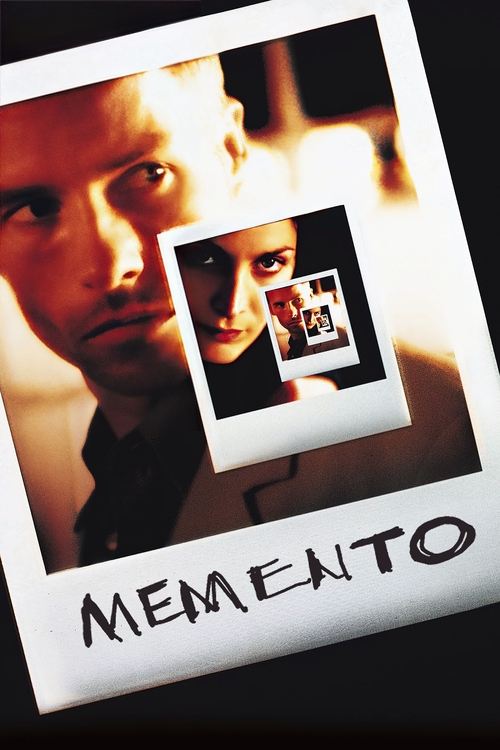

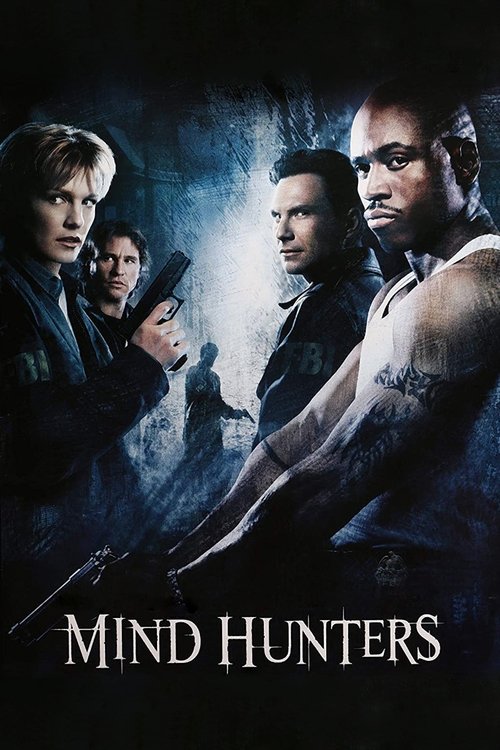
The sheer brilliance of detective movies where the detective is the killer lies in their ability to make us question absolutely everything we see on screen. They strip away the comfort of the standard procedural and plunge us into the murky, unpredictable depths of human psychology. Whether it is a rain-slicked noir from the early 2000s or a hyper-violent Giallo masterpiece, these films remind us that the most terrifying monsters are rarely hiding in the shadows (they are usually the ones holding the badge).
Why is the “detective is the killer” trope so popular in psychological thrillers?
The trope forces a complete paradigm shift for the audience. Viewers naturally project authority and morality onto the protagonist investigating a crime. By revealing that the investigator is actually the perpetrator, filmmakers subvert safety and trust, leaving the audience feeling deliciously manipulated. It is the ultimate exercise in utilizing an unreliable narrator.
Do these movies have good rewatch value once you know the ending?
Absolutely. In fact, top-tier detective movies where the detective is the killer are arguably better on the second viewing. Once the plot twist is known, the audience can actively watch the actor’s subtle choices, the director’s hidden visual metaphors, and the clever dialogue that carries double meanings. The narrative shock is replaced by an immense appreciation for the cinematic craft.
What is the defining characteristic of an unreliable narrator in these films?
The defining trait is usually a heavily filtered point of view. The camera only shows us what the protagonist is willing or able to process. This can manifest through actual mental illness, deliberate deception, or extreme circumstances like memory loss. The key is that the film treats their subjective, corrupted reality as absolute objective truth until the devastating final act.