
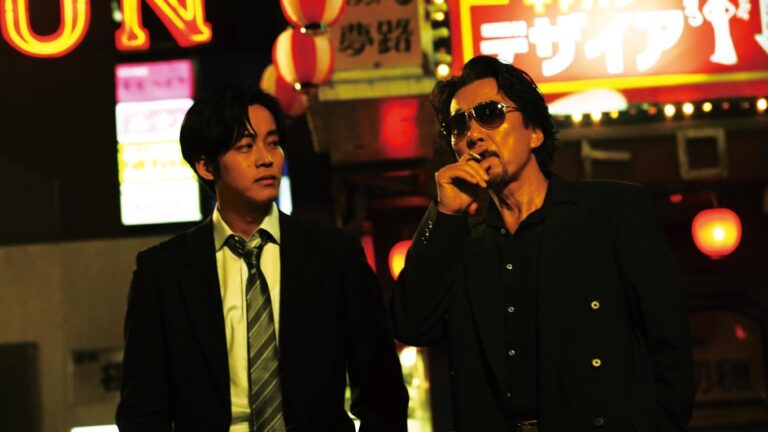

The cinematic underworld of Tokyo and Osaka has always offered more than just stylized shootouts and severed pinky fingers. When you dive into the realm of existential Japanese gangster movies, you are stepping into a profound exploration of loyalty, mortality, and the crushing weight of inevitable doom. These are not your standard popcorn crime flicks. They are brooding, poetic meditations on the human condition, wrapped in the sharp suits and intricate tattoos of the yakuza. For true cinephiles and genre enthusiasts, these films represent the absolute pinnacle of Japanese crime cinema, where the silence between the gunshots speaks louder than the violence itself.
At Movievia, we know that true fans crave more than just surface-level action. You want the deep cuts, the artistic masterpieces, and the philosophical inquiries that directors like Takeshi Kitano and Seijun Suzuki perfected over decades. The yakuza genre is deeply rooted in the concept of jingi (honor and humanity), but the most compelling stories emerge when that code completely breaks down. If you are ready to explore the gritty, melancholic soul of the criminal underworld, our curated selection of existential Japanese gangster movies will completely rewire your expectations of what a mob film can achieve.
At a Glance: Best What to Watch Picks
Best Existential Japanese Gangster Movies
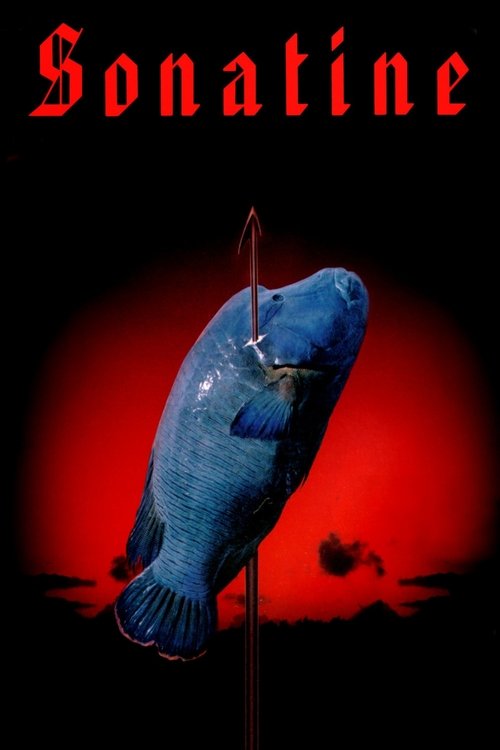
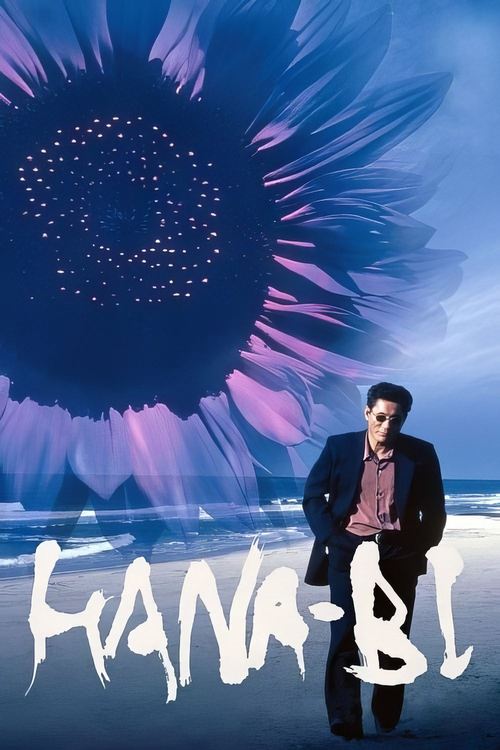
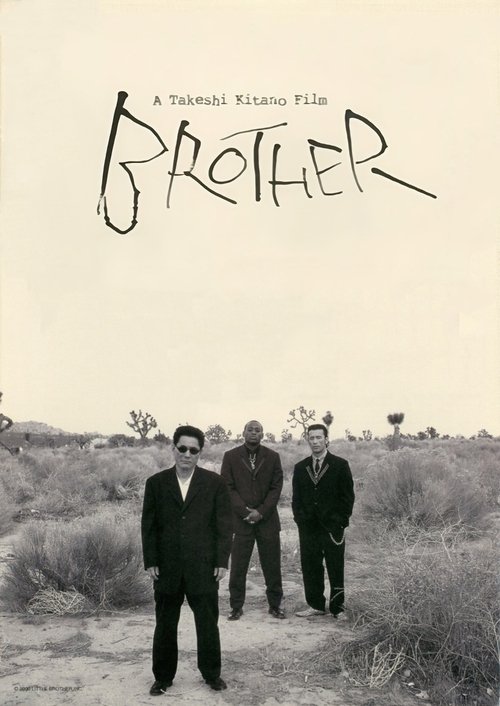

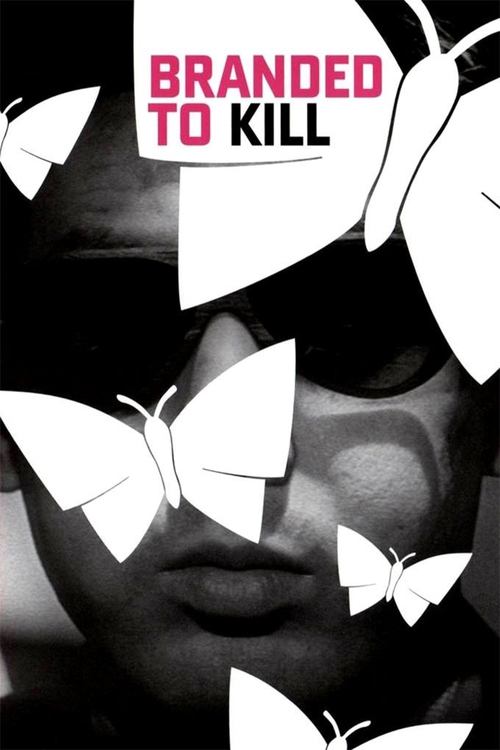

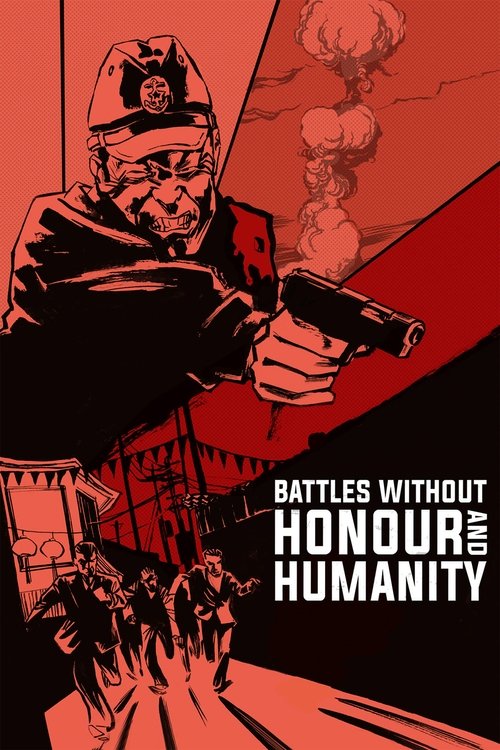
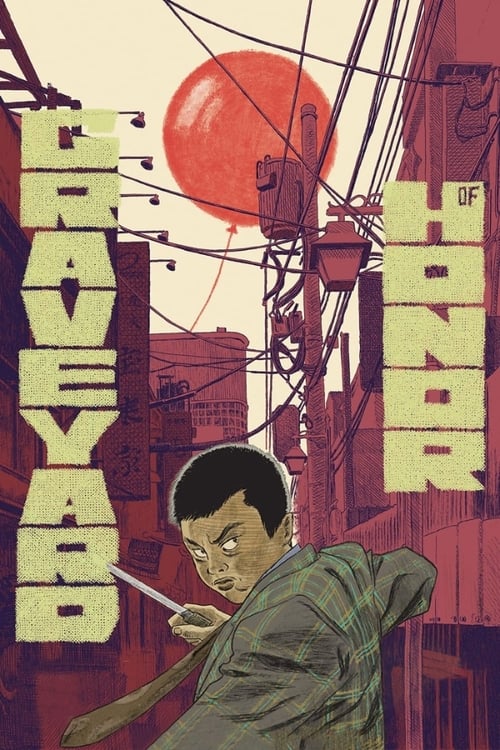

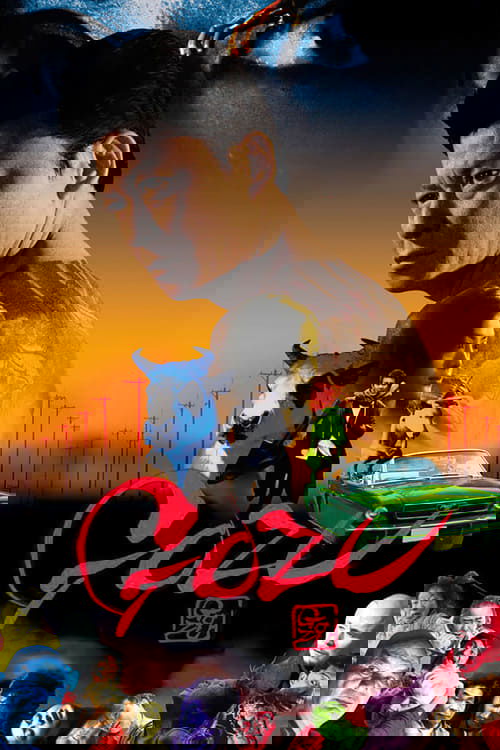
Diving into existential Japanese gangster movies is a journey into the darkest, most compelling corners of global cinema. These eleven films prove that the genre is capable of profound philosophical inquiry, using the violent, unpredictable world of the yakuza to ask uncomfortable questions about loyalty, mortality, and the human spirit. They are challenging, visually stunning, and undeniably essential for anyone looking to expand their cinematic palate beyond Hollywood standards.
What makes a Japanese gangster movie “existential”?
Instead of focusing on glorifying violence or wealth, an existential yakuza film explores the philosophical weight of the criminal lifestyle. These movies emphasize themes of fatalism, the meaninglessness of the jingi (honor) code, and the isolation of the protagonists. Directors use long takes, minimal dialogue, and jarring tonal shifts to highlight the emptiness and inevitable doom facing these characters, elevating them from simple action films to profound cinematic art.
Who are the best directors for philosophical yakuza films?
Takeshi Kitano (Beat Takeshi) is widely considered the modern master of the existential Japanese gangster movie, known for his deadpan style and sudden bursts of violence. Historically, Kinji Fukasaku dismantled the romanticized mobster myth with his ultra-realistic, nihilistic approach. Additionally, Seijun Suzuki and Masahiro Shinoda are legendary for infusing the Japanese crime genre with avant-garde visuals and French New Wave philosophy during the 1960s.
Are there any modern equivalents to classic existential yakuza movies?
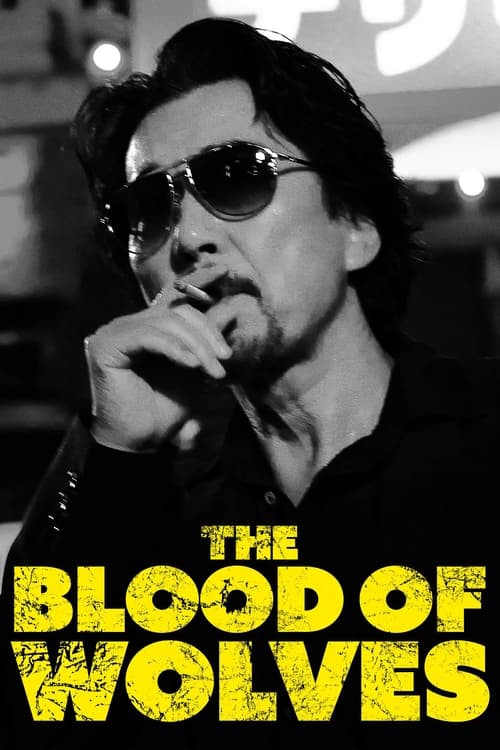
Yes. While the golden age was the 1970s and 1990s, modern filmmakers are still exploring these themes. Takashi Miike frequently injects deep psychological and existential dread into his gangster projects. More recently, Kazuya Shiraishi’s The Blood of Wolves successfully captures the gritty, morally ambiguous, and fatalistic spirit of the classic era, proving that the philosophical crime thriller remains a vital part of contemporary Japanese cinema.