
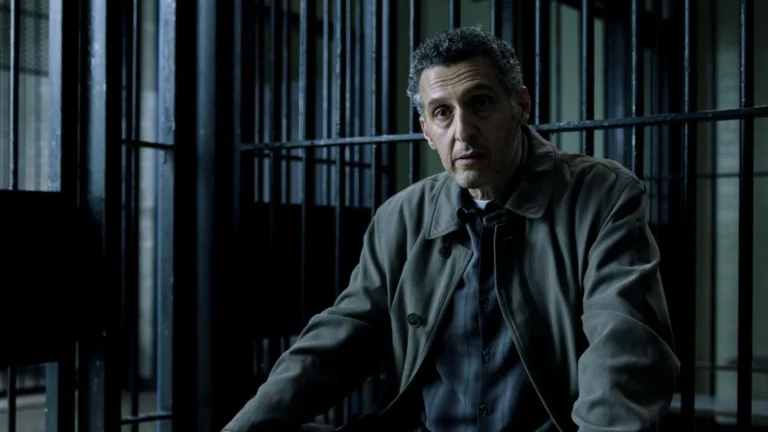

The golden age of television has given us countless acclaimed series, but there's something uniquely satisfying about a story that knows exactly when to end. One weekend binge crime stories have perfected an art form that exists somewhere between traditional television and feature filmmaking. These productions reject the endless seasons and narrative bloat that plague so much modern TV. Instead, they offer complete, self-contained stories with the visual sophistication and emotional precision of prestige cinema.
What makes these crime stories that feel like a movie genuinely cinematic isn't just their runtime or production values. It's the way they're constructed from the ground up with a filmmaker's sensibility. Every frame serves the story. Every episode builds toward a singular vision. There are no filler episodes, no meandering subplots designed to pad out a season order. These are stories told with the confidence of directors who know their ending before they shoot their opening scene.
The best limited series understand something fundamental: constraint breeds creativity. When you have seven hours instead of seventy, every moment counts. The result is television that rewards the kind of focused attention we typically reserve for great films. You can watch these series the way you'd watch a long movie, immersing yourself completely over a single weekend and emerging with the satisfying feeling of having experienced a complete artistic statement.
Here are seven crime miniseries that transcend their medium, each one crafted with the discipline and artistry of top-tier cinema.
The Future of Crime Television
These seven series represent television's evolution toward cinematic storytelling. They prove that limited runs don't mean limited ambition. When creators know they have a fixed number of episodes to tell a complete story, every creative choice becomes more intentional. The result is crime television that respects viewers' time and intelligence.
As streaming platforms continue prioritizing binge-worthy content over traditional season structures, expect more series built with this cinematic sensibility. The one-weekend crime drama has evolved from novelty to legitimate art form, offering all the satisfaction of a great film with the depth that only extended runtime allows.
-
1 Mare of Easttown (2021)

HBO Watch Now
Why it feels cinematic: Every element serves the central tragedy. Nothing exists without purpose.
Creator Brad Ingelsby and director Craig Zobel built Mare of Easttown like a seven-hour character study disguised as a murder mystery. The series follows Mare Sheehan, a small-town Pennsylvania detective whose professional failures mirror her private grief in devastating ways. What could have been a standard procedural becomes something far more substantial because the show refuses to separate its crime from the community that surrounds it.
Kate Winslet disappears into Mare with remarkable physical and emotional specificity, delivering a performance that earned her a Primetime Emmy Award. Watch her move through the series and you'll see a woman carrying the weight of an entire town's traumas on already-collapsed shoulders. The show's commitment to regional authenticity extends beyond accent work into social dynamics, economic anxiety, and the particular way grief calculates differently in communities where everyone knows everyone's worst moments.
Director Craig Zobel shoots the series with the visual restraint of a David Fincher thriller. Long takes follow Mare through familiar spaces that feel simultaneously comforting and suffocating. The color palette stays muted, almost desaturated, reinforcing the emotional exhaustion that permeates every scene. According to interviews with Zobel, the creative team studied films like Mystic River and Gone Baby Gone to capture that specific East Coast working-class atmosphere.
If Fincher made a small-town character study, it might look something like this. The murder mystery matters, but what lingers long after the finale is the portrait of a woman learning to forgive herself.
-
2 The Night Of (2016)
Discovery Global Drama Watch Now
Why it works: One impulsive night spirals into an irreversible nightmare.
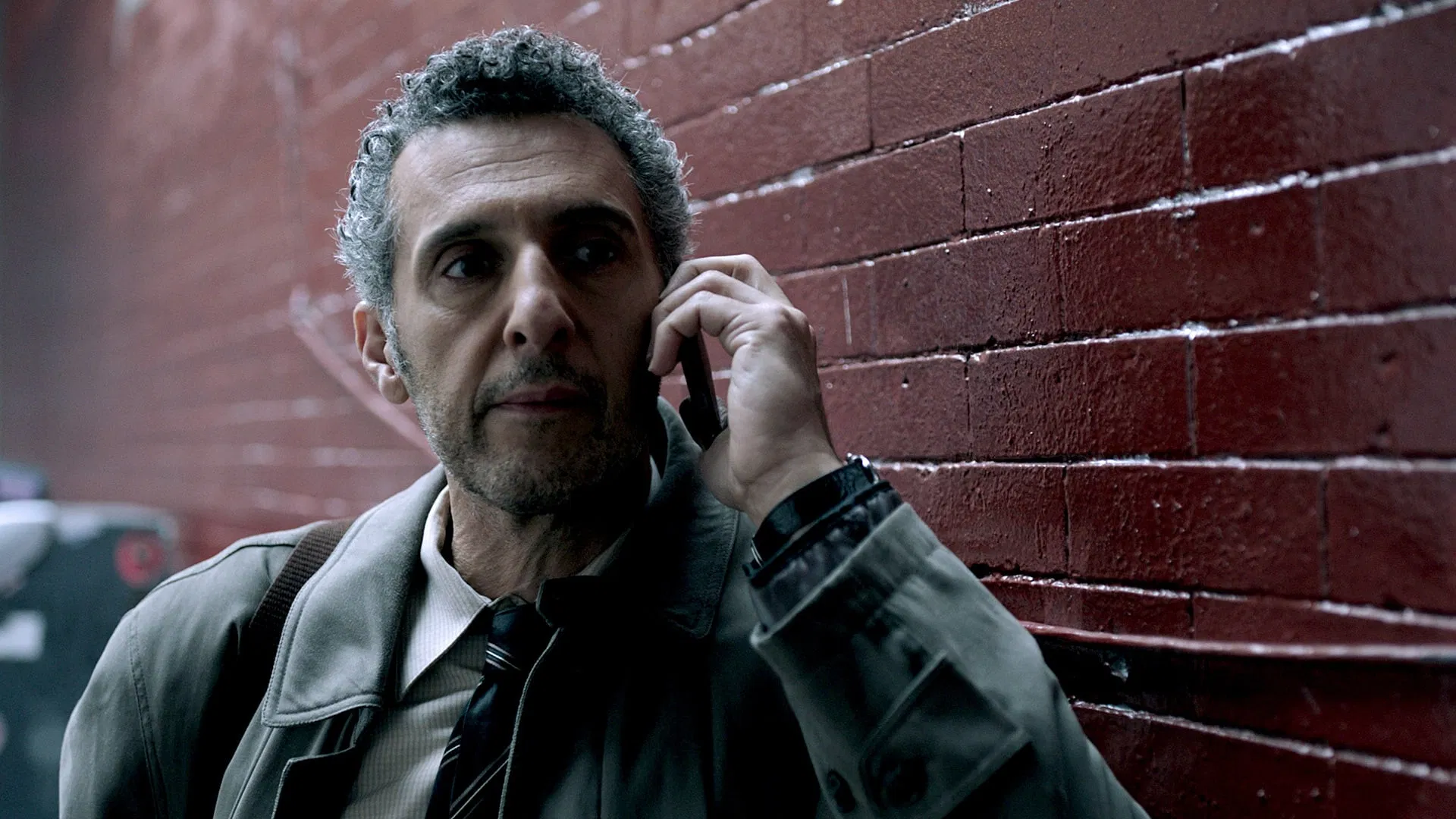
Based on the British series Criminal Justice, The Night Of dissects the American legal system with near-surgical precision. Steven Zaillian and Richard Price construct their narrative like a 1970s courtroom thriller updated for an era of surveillance capitalism and institutional racism. The series asks a terrifying question: what happens when an ordinary person makes one catastrophic mistake?
Riz Ahmed delivers a transformative performance as Nasir "Naz" Khan, a college student whose decision to borrow his father's taxi leads to a murder charge that swallows his entire identity. Watch Ahmed's face change over eight episodes as innocence calculates into survival instinct. The series tracks his transformation with documentary-like attention, showing exactly how incarceration reshapes a person from the inside out.
The visual language reinforces this sense of institutional grinding. Cinematographer Robert Elswit shoots much of the series in cold, clinical compositions that emphasize bureaucratic dehumanization. Police stations and courtrooms become labyrinths where truth matters less than procedure. Even the color grading shifts as Naz moves deeper into the system, warm amber tones giving way to sterile blues and grays.
What makes The Night Of genuinely cinematic is its patience. Scenes unfold in real time, forcing viewers to sit with discomfort the way Naz must sit with his reality. It's not designed for comfort viewing, but it is meticulously crafted and deeply unsettling. Rotten Tomatoes critics praised its "deliberate pacing and moral complexity," qualities more often associated with arthouse cinema than prestige television.
-
3 Unbelievable (2019)
Netflix Watch Now
Why it feels like a film: Minimalist direction and unwavering focus on performance over spectacle.
Adapted from the Pulitzer Prize-winning ProPublica and Marshall Project investigation, Unbelievable abandons sensationalism entirely. Showrunners Susannah Grant, Ayelet Waldman, and Michael Chabon tell their story with controlled urgency and devastating empathy. This is true crime that centers victims rather than fetishizing perpetrators.
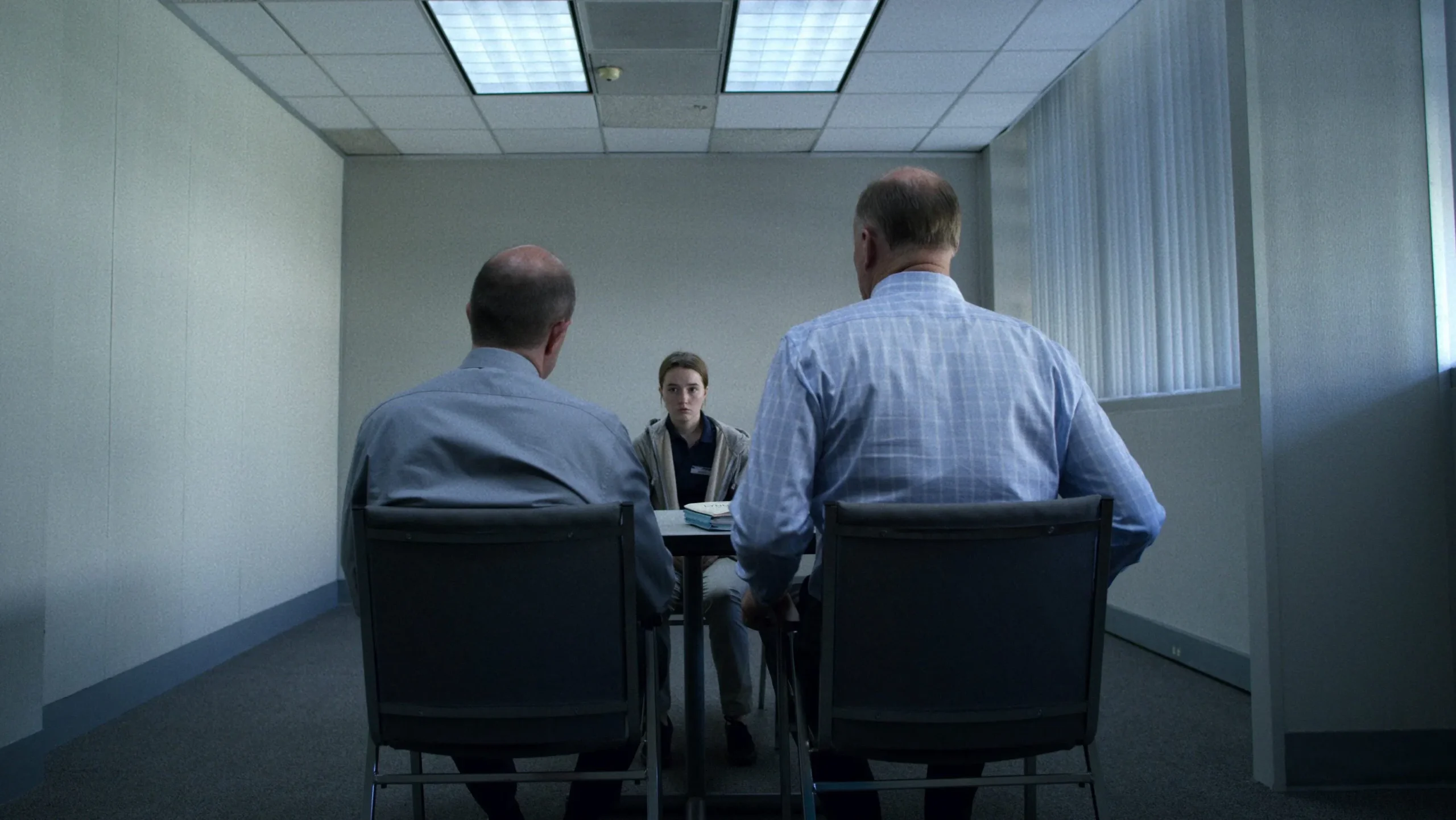
Kaitlyn Dever portrays Marie Adler, a young woman systematically disbelieved by every institution meant to protect her. Watching Dever navigate Marie's trauma without any performative crying or emotional grandstanding is masterclass acting. She makes visible the way repeated disbelief erodes self-trust, how being called a liar about your own assault forces you to question your sanity.
Meanwhile, Toni Collette and Merritt Wever play detectives whose procedural rigor contrasts sharply with the institutional failures depicted earlier in the series. Their investigation unfolds with methodical precision, each piece of evidence building toward vindication. Directors Lisa Cholodenko and Susannah Grant shoot these parallel storylines with distinct visual approaches. Marie's early episodes feel claustrophobic and unstable, with handheld cameras emphasizing her disorientation. The detectives' scenes employ steady, confident framing that communicates their competence.
The result is a structural masterwork that has influenced countless prestige crime productions since its 2019 release. Unbelievable proved that true crime could prioritize dignity over exploitation without sacrificing compelling storytelling.
-
4 The Undoing (2020)
Discovery Global Drama Watch Now
Why it's pure binge material: Luxury aesthetics meet psychological collapse.
Director Susanne Bier and writer David E. Kelley designed The Undoing as both murder mystery and social satire. Nicole Kidman and Hugh Grant play a Manhattan power couple whose privilege functions as armor until it suddenly doesn't. The series understands that for the truly wealthy, denial isn't just a coping mechanism. It's a lifestyle.
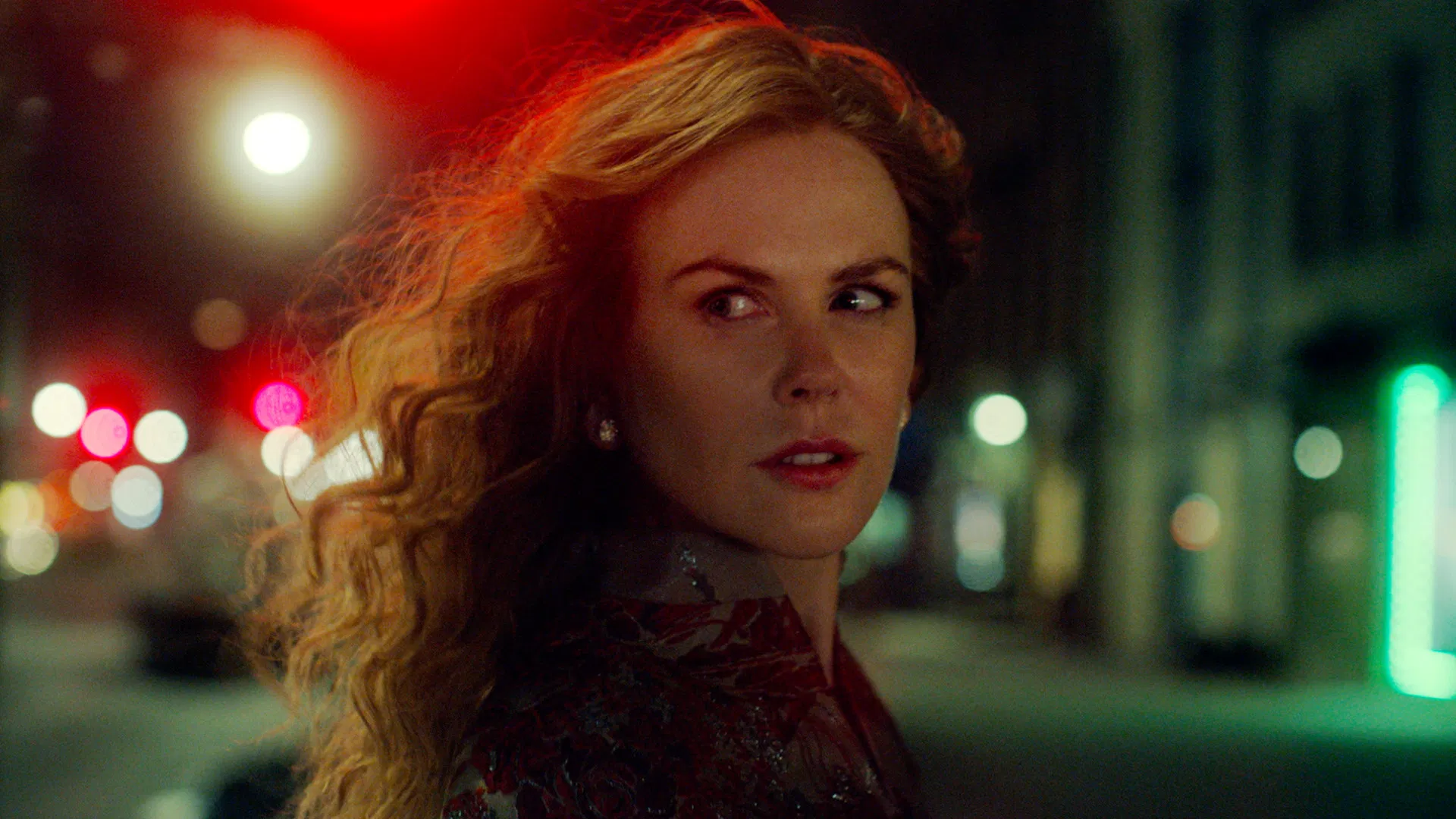
Grace Fraser (Kidman) is a successful therapist who specializes in helping others confront uncomfortable truths. The irony becomes almost unbearable as her own carefully curated life disintegrates around her. Kidman plays Grace with icy perfection, every forced smile and controlled gesture revealing the panic underneath. Grant, meanwhile, delivers his most compelling work in years as a man whose charm might be his most dangerous weapon.
What makes The Undoing compulsively watchable is its commitment to mood over logic. Cinematographer Anthony Dod Mantle shoots Manhattan as a gorgeous prison, all cold marble and tasteful wealth. The color palette favors deep greens and golds that communicate old money and older secrets. Even the score by composer Fernando Velázquez operates like a character, ramping up tension in scenes where nothing overtly threatening happens.
The series divides audiences with its final act, which some critics found too neat and others found satisfying. But the journey remains elegant and addictive, propelled by star power and Bier's precise visual control. This is crime drama for viewers who prefer their suspense wrapped in cashmere and served in penthouses.
-
5 Sharp Objects (2018)
HBO Watch Now
Why it feels like arthouse cinema: Fragmented storytelling and oppressive Southern Gothic atmosphere.
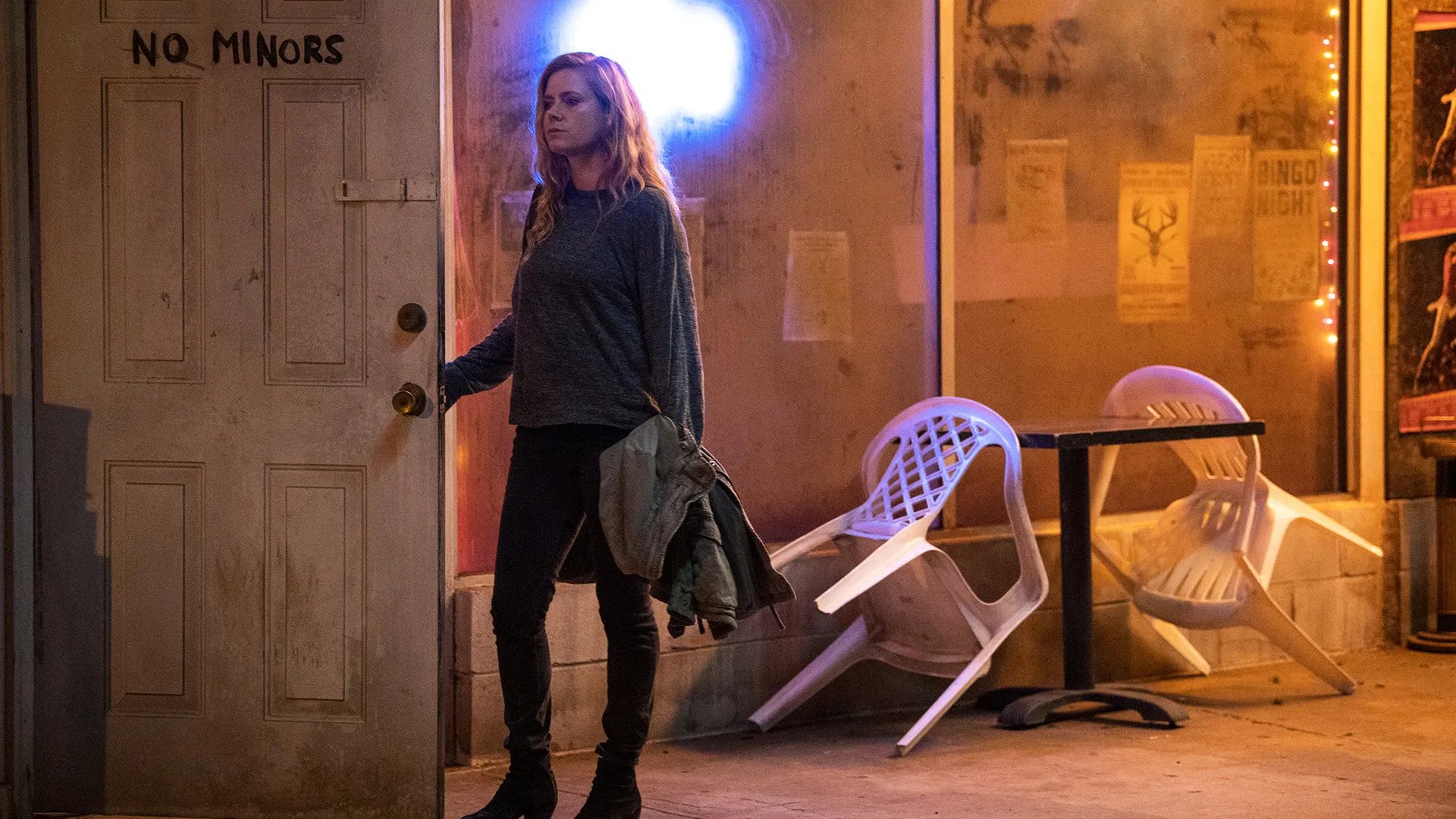
Adapted from Gillian Flynn's novel and directed by Jean-Marc Vallée, Sharp Objects rejects traditional exposition entirely. The series operates more like a fever dream than a conventional mystery, using fragmented editing and hallucinatory flashbacks to place viewers directly inside its protagonist's fractured psyche.
Amy Adams delivers one of the most unguarded performances of her career as Camille Preaker, a journalist forced to return home and confront the violence of her past. Adams makes visible the way trauma lives in the body. Watch how Camille moves through her childhood home like a ghost haunting her own life, flinching at memories that attack without warning.
Director Vallée shoots Wind Gap, Missouri as a place where beauty and decay exist simultaneously. Spanish moss drapes over everything like funeral shrouds. The town's pastoral surfaces barely conceal its rotten core. According to production interviews, Vallée insisted on shooting chronologically and encouraged improvisation to capture genuine emotional rawness.
The editing style mirrors Camille's psychological state. Quick flashes of disturbing imagery intrude on otherwise calm scenes. Words literally appear carved into surfaces throughout the series, making visible Camille's history of self-harm in deeply unsettling ways. Sound design plays an equally crucial role, with ambient noise and musical cues creating constant unease.
Sharp Objects culminates in a finale that reframes everything preceding it. The final reveal happens in seconds, barely acknowledged, forcing viewers to rewatch and reconsider. It's demanding television that requires active engagement. Few series are this psychologically complex or this committed to sustained discomfort.
-
6 When They See Us (2019)

Netflix Watch Now
Why it doesn't feel like TV: Four episodes structured as a devastating four-act legal epic.
Created by Ava DuVernay, When They See Us dramatizes the wrongful conviction of the Central Park Five with an emphasis on human cost rather than courtroom theatrics. The series functions less as entertainment and more as necessary reckoning. DuVernay structures the narrative like a tragic epic, each episode centering on a different phase of institutional injustice.
The first episode depicts the arrests and interrogations with almost unbearable tension. Watch as boys are systematically isolated, manipulated, and coerced into false confessions. DuVernay films these sequences with documentary-like restraint, allowing the horror to emerge from situation rather than stylization.
Subsequent episodes track the years of incarceration and its aftermath. The fourth episode focuses specifically on Korey Wise, whose story receives the full weight of the tragedy. Jharrel Jerome's performance as Wise earned him a well-deserved Emmy Award. Jerome ages across decades, showing how prison doesn't just take years from a person's life but fundamentally alters who they become.
DuVernay combines documentary rigor with dramatic intimacy throughout the series. Real footage and courtroom testimony inform every recreated scene. The cinematography favors natural lighting and handheld cameras that emphasize intimacy over spectacle. According to DuVernay's interviews, she consulted extensively with the real men depicted to ensure their stories were told with dignity and accuracy.
This is television as historical document and moral witness. Few crime stories are this restrained or this emotionally shattering.
-
7 The Stranger (2020)
Netflix Watch Now
Why it's perfect for a weekend: High-concept premise meets relentless momentum.
One secret. One stranger. Total collapse.
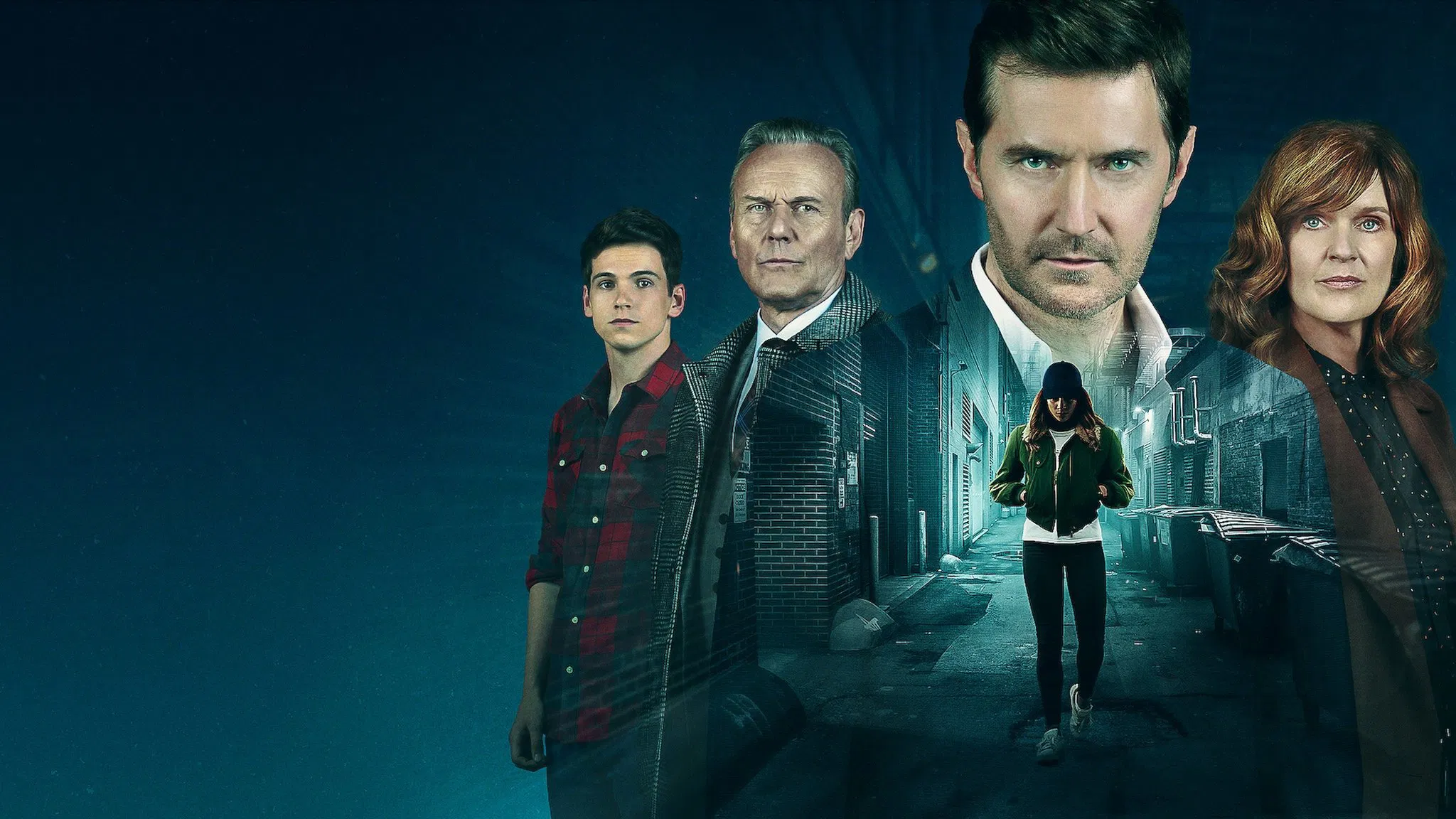
Based on Harlan Coben's novel, The Stranger exemplifies Netflix's international crime thriller formula at its most efficient. Richard Armitage leads a sprawling ensemble caught in a web of lies that expands with every revelation. The series understands exactly what it is: compulsive, twist-driven entertainment designed for maximum velocity.
The premise hooks immediately. A mysterious woman approaches suburban family man Adam Price with information that unravels his entire life. What begins as personal crisis expands into community-wide conspiracy, each episode adding new complications and connections. The plotting moves with breathless efficiency, never pausing long enough for viewers to question logic.
What makes The Stranger genuinely satisfying is its commitment to resolution. Coben adaptations sometimes collapse under the weight of their twists, but this series lands its finale with confidence. Every question receives an answer. Every thread connects. The series favors plot propulsion over thematic depth, but it delivers exactly what it promises: eight episodes of escalating paranoia that finish strong and leave no loose ends.
Director Hannah Quinn shoots suburban Britain as a place where normalcy barely conceals chaos. Neat lawns and pleasant neighbors become sinister through context. The series uses its limited episode count to maintain relentless pacing, proving that even formula-driven thrillers benefit from knowing their endpoint.