The cinematic underworld of Tokyo and Osaka has always offered more than just stylized shootouts and severed pinky fingers. When you dive into the realm of existential Japanese gangster movies, you are stepping into a profound exploration of loyalty, mortality, and the crushing weight of inevitable doom. These are not your standard popcorn crime flicks. They are brooding, poetic meditations on the human condition, wrapped in the sharp suits and intricate tattoos of the yakuza. For true cinephiles and genre enthusiasts, these films represent the absolute pinnacle of Japanese crime cinema, where the silence between the gunshots speaks louder than the violence itself.

At Movievia, we know that true fans crave more than just surface-level action. You want the deep cuts, the artistic masterpieces, and the philosophical inquiries that directors like Takeshi Kitano and Seijun Suzuki perfected over decades. The yakuza genre is deeply rooted in the concept of jingi (honor and humanity), but the most compelling stories emerge when that code completely breaks down. If you are ready to explore the gritty, melancholic soul of the criminal underworld, our curated selection of existential Japanese gangster movies will completely rewire your expectations of what a mob film can achieve.

Best Existential Japanese Gangster Movies
1

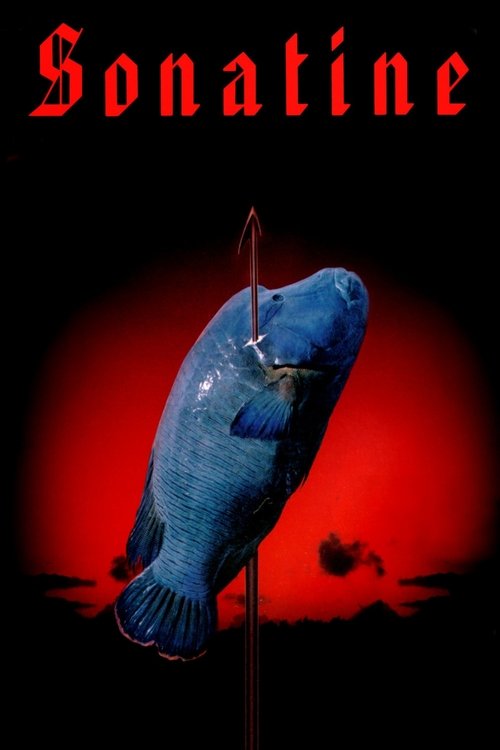
Sonatine

1993 • Action, Crime
7.5
Sonatine is the undisputed crown jewel of existential Japanese gangster movies, stripping the genre of its traditional glamour and replacing it with a sun-drenched, fatalistic waiting game. Takeshi Kitano uses the beautiful beaches of Okinawa as a purgatory for his doomed characters, creating a profound sense of isolation and impending death. The editing is famously jarring, cutting away from the action to focus on the absurd, childish games the mobsters play to pass the time. It is a masterclass in tone, offering a meditative, almost tranquil look at men who know their violent end is rapidly approaching, cementing Kitano's status as a visionary of Japanese cinema.
Read More
2

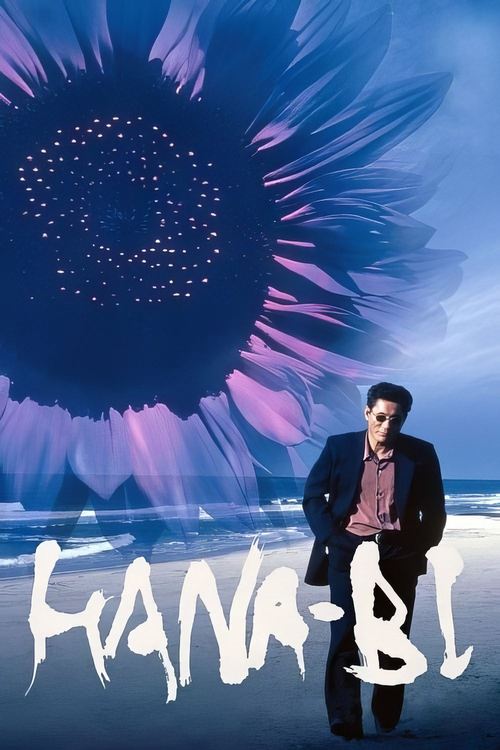
HANA-BI

1997 • Crime, Drama
7.7
While technically bordering on the rogue-cop thriller, Hana-bi operates on the exact same wavelength as the bleakest yakuza films, exploring themes of guilt, duty, and tragic inevitability. The film balances moments of excruciating tenderness with bursts of visceral, unforgiving violence. Kitano's performance is a marvel of micro-expressions, communicating a lifetime of regret through a single facial twitch. The cinematography is achingly beautiful, turning a desperate road trip into a poignant exploration of life's fleeting beauty, making it an essential watch for fans of philosophical crime films.
Read More
3

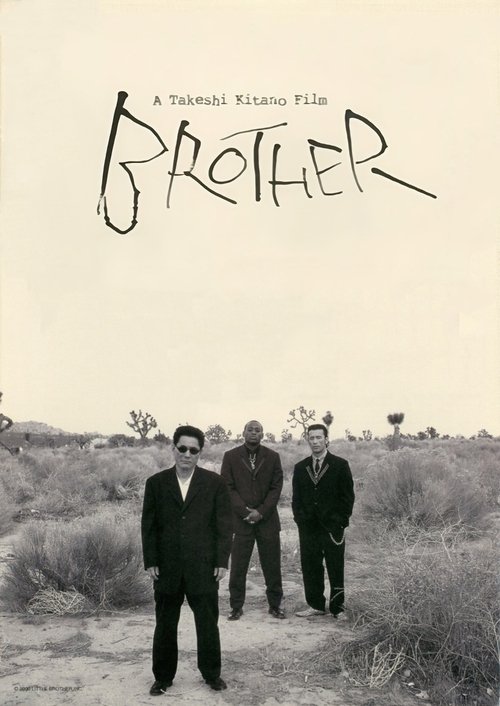
Brother

2000 • Crime, Drama
7.1
Bringing his signature brand of fatalism to Los Angeles, Kitano's Brother is a fascinating cross-cultural experiment in the realm of existential Japanese gangster movies. The film explores what happens when rigid yakuza codes are injected into the chaotic American gang landscape. The vibe is incredibly bleak, underscored by a pervasive sense of displacement and alienation. The stoic, unflinching approach to loyalty, even in the face of guaranteed annihilation, turns this gritty crime saga into a tragic, modern-day samurai tale that lingers long after the credits roll.
Read More
4

Pale Flower

1964 • Crime, Romance
7.3
Masahiro Shinoda's Pale Flower is the epitome of 1960s cool, injecting a massive dose of French New Wave aesthetic into the Japanese crime thriller. The film drips with apathy and existential ennui, following characters who are completely numb to the world around them, seeking thrills only through high-stakes gambling and casual violence. Toru Takemitsu's dissonant, avant-garde score perfectly complements the stunning high-contrast black-and-white cinematography. It is less about organized crime and more about the crushing emptiness of modern life, making it a foundational text for existential Japanese cinema.
Read More
5

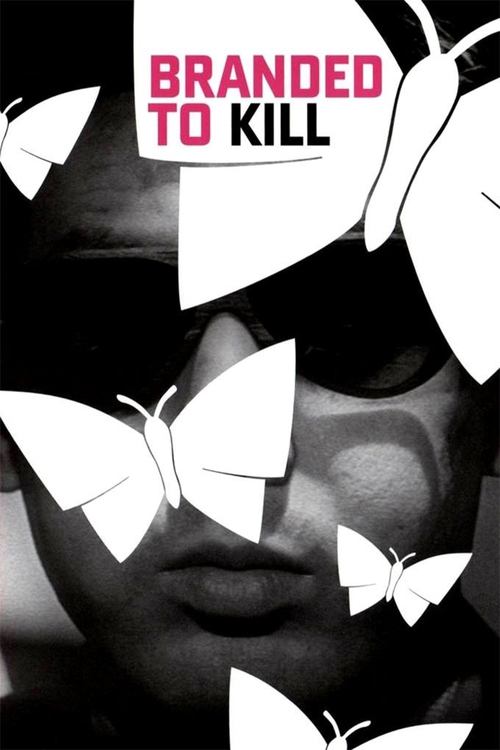
Branded to Kill

1967 • Action, Crime
7.2
Seijun Suzuki's Branded to Kill got him fired from Nikkatsu Studios for being "incomprehensible," which is exactly why it remains a monumental achievement in avant-garde gangster films. This is an anarchic, jazz-fueled fever dream that openly mocks the tropes of the yakuza genre while delivering some of the most striking visual compositions of the decade. The protagonist's bizarre fetish for the smell of boiling rice and the film's chaotic, jump-cut editing create an atmosphere of pure, unfiltered madness. It is a wildly entertaining, deeply cynical middle finger to studio mandates and traditional storytelling.
Read More
6

A Colt Is My Passport

1967 • Action, Crime
7.0
Blending the dusty, cynical atmosphere of a Sergio Leone western with the sharp-suited fatalism of Japanese noir, A Colt Is My Passport is a masterwork of minimalist tension. Joe Shishido delivers an iconic performance, his physically altered cheeks adding to his world-weary, hardened aura. The film is a masterclass in mood, relying on long stretches of silence, solitary waiting, and the heavy burden of survival. The climactic shootout is a breathtaking display of practical effects and desperate, tactical brilliance, cementing its legacy as a stylish, atmospheric triumph in the hitman subgenre.
Read More
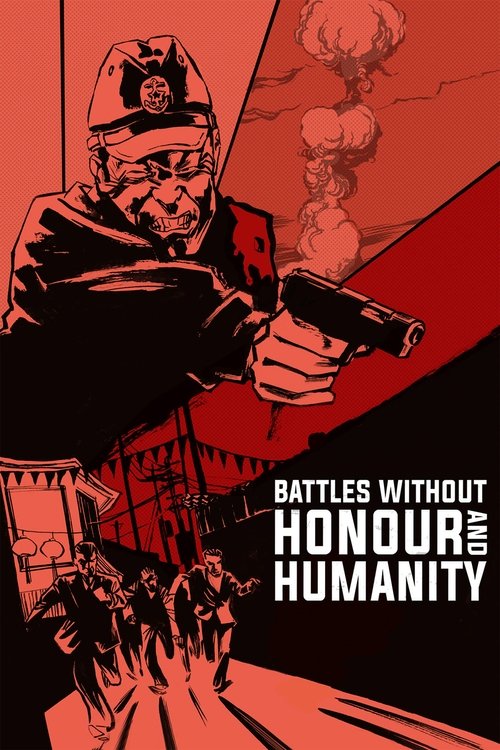
7
7.3
Kinji Fukasaku completely revolutionized Japanese gangster movies by destroying the romanticized illusion of noble outlaws, replacing it with sweaty, desperate, and pathetic street thugs. Shot with a frantic, handheld documentary style, the film captures the chaotic desperation of post-war Hiroshima perfectly. There is no honor here, only a Darwinian struggle for scraps in a ruined society. The kinetic energy, combined with the groundbreaking realistic violence, creates a deeply pessimistic worldview that forever changed how the yakuza were depicted on screen.
Read More
8

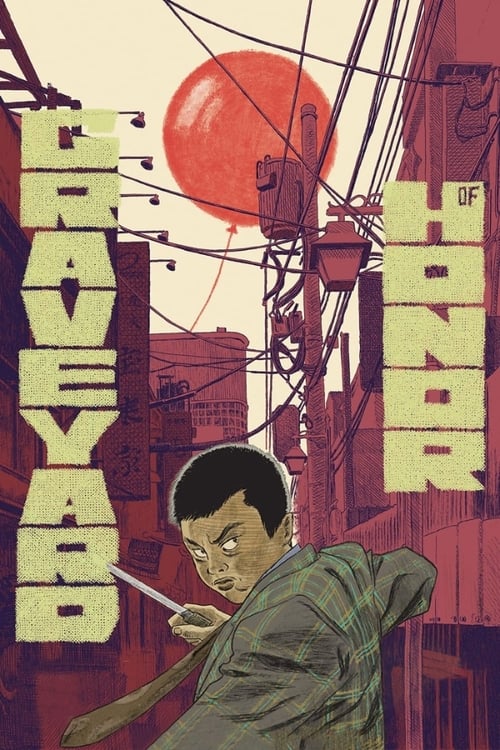
Graveyard of Honor

1975 • Action, Crime
6.6
f Battles was a critique of the criminal system, Fukasaku's Graveyard of Honor is an exploration of pure, untamed sociopathy within that system. Tetsuya Watari gives a terrifyingly unhinged performance as a man operating entirely on destructive instinct, possessing absolutely zero redeeming qualities. The film is a grueling, visceral experience, utilizing freeze-frames and voiceovers to create a sense of clinical detachment from the absolute carnage unfolding on screen. It is the ultimate existential yakuza film, suggesting that at the core of human nature lies an inescapable, violent void.
Read More
9

Outrage

2010 • Action, Crime
6.9
Returning to the genre he redefined, Takeshi Kitano's Outrage presents the modern yakuza not as honorable thugs, but as cutthroat corporate executives in tailored suits. The vibe is chillingly sterile, emphasizing the bureaucratic nature of modern organized crime where loyalty is bought and sold like stock options. The violence is famously creative and agonizingly visceral, serving as dark punchlines to the endless cycle of double-crosses. It is a cynical, pitch-black satire of corporate greed masquerading as a gangster epic, leaving the viewer with a profound sense of emptiness and futility.
Read More
10

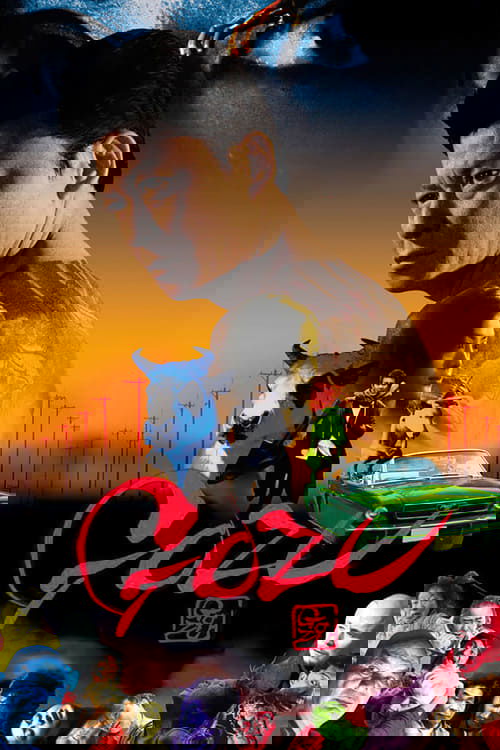
Gozu

2003 • Comedy, Crime
6.7
Takashi Miike takes the existential Japanese gangster movie and mutates it into a surreal, psychological horror experience with Gozu. The film starts as a standard mob assignment before descending into a bizarre, dreamlike town where nothing makes sense, heavily echoing the works of David Lynch. The atmosphere is thick with sexual repression, extreme paranoia, and identity crisis, pushing the boundaries of what a crime film can even be. It is a deeply uncomfortable, fascinating watch that completely deconstructs the hyper-masculine tropes of the genre through a lens of absolute absurdity.
Read More
11

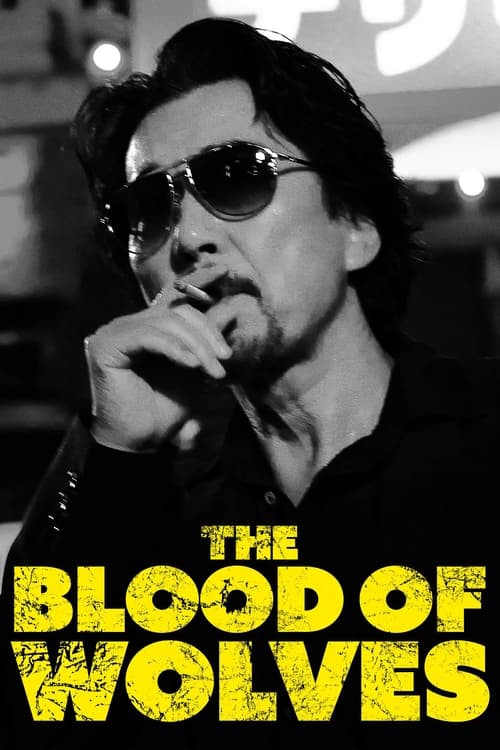
The Blood of Wolves

2018 • Crime, Drama
7.2
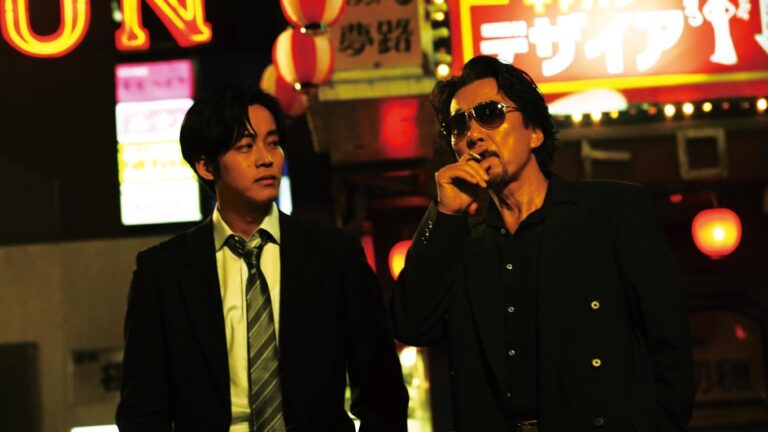
Serving as a brutal, modern love letter to Fukasaku's 1970s classics, Kazuya Shiraishi's The Blood of Wolves revitalizes the grimy, morally bankrupt world of the classic yakuza thriller. The film is dripping with sweat, neon, and corruption, focusing on the incredibly blurred lines between the police and the syndicates they monitor. Koji Yakusho delivers a powerhouse, magnetic performance as a detective whose unorthodox methods challenge the naive idealism of his rookie partner. It is a stunning, high-energy return to the gritty, cynical roots of Japanese gangster cinema, proving the genre still has plenty of venom left.
Read More

Diving into existential Japanese gangster movies is a journey into the darkest, most compelling corners of global cinema. These eleven films prove that the genre is capable of profound philosophical inquiry, using the violent, unpredictable world of the yakuza to ask uncomfortable questions about loyalty, mortality, and the human spirit. They are challenging, visually stunning, and undeniably essential for anyone looking to expand their cinematic palate beyond Hollywood standards.


What makes a Japanese gangster movie “existential”?

Instead of focusing on glorifying violence or wealth, an existential yakuza film explores the philosophical weight of the criminal lifestyle. These movies emphasize themes of fatalism, the meaninglessness of the jingi (honor) code, and the isolation of the protagonists. Directors use long takes, minimal dialogue, and jarring tonal shifts to highlight the emptiness and inevitable doom facing these characters, elevating them from simple action films to profound cinematic art.

Who are the best directors for philosophical yakuza films?

Takeshi Kitano (Beat Takeshi) is widely considered the modern master of the existential Japanese gangster movie, known for his deadpan style and sudden bursts of violence. Historically, Kinji Fukasaku dismantled the romanticized mobster myth with his ultra-realistic, nihilistic approach. Additionally, Seijun Suzuki and Masahiro Shinoda are legendary for infusing the Japanese crime genre with avant-garde visuals and French New Wave philosophy during the 1960s.

Are there any modern equivalents to classic existential yakuza movies?

Yes. While the golden age was the 1970s and 1990s, modern filmmakers are still exploring these themes. Takashi Miike frequently injects deep psychological and existential dread into his gangster projects. More recently, Kazuya Shiraishi’s The Blood of Wolves successfully captures the gritty, morally ambiguous, and fatalistic spirit of the classic era, proving that the philosophical crime thriller remains a vital part of contemporary Japanese cinema.

🍿 What to watch next

Loved this vibe? Keep the binge going with:

The 15 Best 90s Erotic Thrillers That Defined the Decade