

The streaming wars have given us an embarrassment of riches, but they’ve also created a paradox: with hundreds of new series dropping every month, some of television’s most brilliant work gets buried under algorithmic recommendations and marketing budgets. While everyone was obsessing over the latest prestige drama or viral Netflix sensation, five extraordinary binge-worthy TV shows were quietly crafting some of the most compelling, emotionally resonant storytelling of the past decade.
These aren’t your typical “hidden gems” that failed because they were too niche or experimental. Each of these series represents peak television at its most confident and fully realized. They feature A-list talent, prestigious networks, and critical acclaim. Yet somehow, they never broke through to mainstream consciousness the way lesser shows did. Perhaps they were too smart for their own good, or maybe they simply had the misfortune of launching in overcrowded years. Whatever the reason, their relative obscurity remains one of modern television’s greatest injustices.
What unites these underrated streaming series is their unwavering commitment to artistic vision over mass appeal. They don’t pander, they don’t explain everything twice, and they certainly don’t stretch eight episodes of story into ten seasons of content. Instead, they trust viewers to keep up, to think, to feel deeply. In an era of algorithmic content designed to be consumed and forgotten, these shows demand something more: your full attention and emotional investment. The reward? Some of the most satisfying, thought-provoking television you’ll ever experience.
If you’re exhausted by disposable streaming content and hungry for series that feel meticulously crafted rather than committee-approved, this is your roadmap. These five shows didn’t just slip through the cracks; they fell into a chasm. But they’re waiting for you, and they’re worth every minute.
-
1 Patriot (2015–2018): The Spy Thriller That Redefined Depression on Screen
Amazon Studios
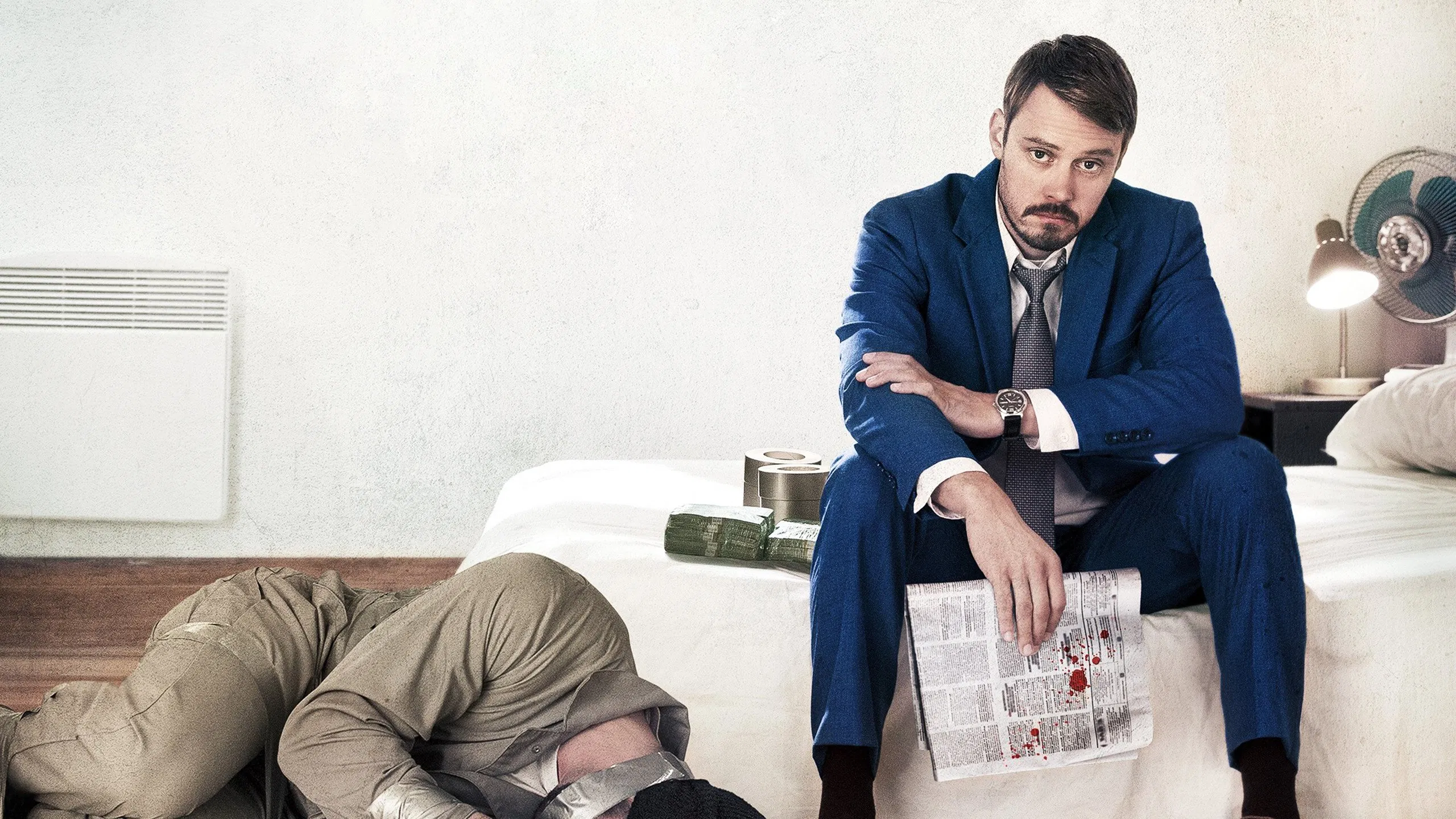
Steven Conrad's Patriot might be the most emotionally honest depiction of mental illness ever disguised as a spy thriller. On paper, it sounds straightforward: intelligence officer John Tavner (Michael Dorman) goes undercover to prevent Iran from going nuclear, posing as a mid-level employee at a Milwaukee piping firm. In execution, it's a masterclass in tonal daring that somehow balances existential dread, pitch-black comedy, and genuine espionage tension without ever feeling confused about what it wants to be.
John Tavner isn't James Bond, and he's certainly not Jason Bourne. He's a deeply damaged man whose job requires him to lie so constantly that he's lost track of his own identity. His coping mechanism? Writing and performing brutally honest folk songs about his classified missions at open mic nights, essentially turning state secrets into therapy sessions. It's absurd, heartbreaking, and somehow completely logical within the show's meticulously constructed world.
What sets Patriot apart from every other spy series is its willingness to sit with discomfort. Conrad directs with an almost Coen Brothers-esque appreciation for awkward silences, lingering shots of fluorescent-lit offices, and the soul-crushing mundanity of bureaucratic espionage. According to IMDb, the series holds an impressive 8.2 rating, but its viewership numbers never matched its critical acclaim. This is television that refuses to hold your hand, explaining plot points through natural dialogue and trusting viewers to piece together complex timelines and relationships.
The supporting cast elevates already-exceptional material. Kurtwood Smith delivers career-best work as John's handler father, a man who loves his son but can't stop turning him into a weapon. Terry O'Quinn brings unexpected pathos to a corporate middle manager who becomes collateral damage in John's mission. Every character, no matter how small, feels fully realized and morally complicated.Patriot ran for two seasons on Amazon Prime before being quietly canceled, a victim of minimal marketing and a premise that's nearly impossible to describe without sounding either too bleak or too weird. But for those who discovered it, the show has become something of a cult obsession. Online communities continue to dissect its layered storytelling, visual metaphors, and the way it treats depression not as a plot device but as a constant, grinding reality that colors every decision and interaction.
Bingewatching Patriot isn't escapism. It's an immersive journey into one man's psychological unraveling, punctuated by shocking violence, devastating humor, and moments of surprising tenderness. By the final episode, you'll feel like you've been through an emotional wringer, but you'll also understand why this underseen masterpiece deserves to be mentioned alongside prestige television's greatest achievements.
-
2 Rectify (2013–2016): The Quietest Revolution in Television Drama
AMC
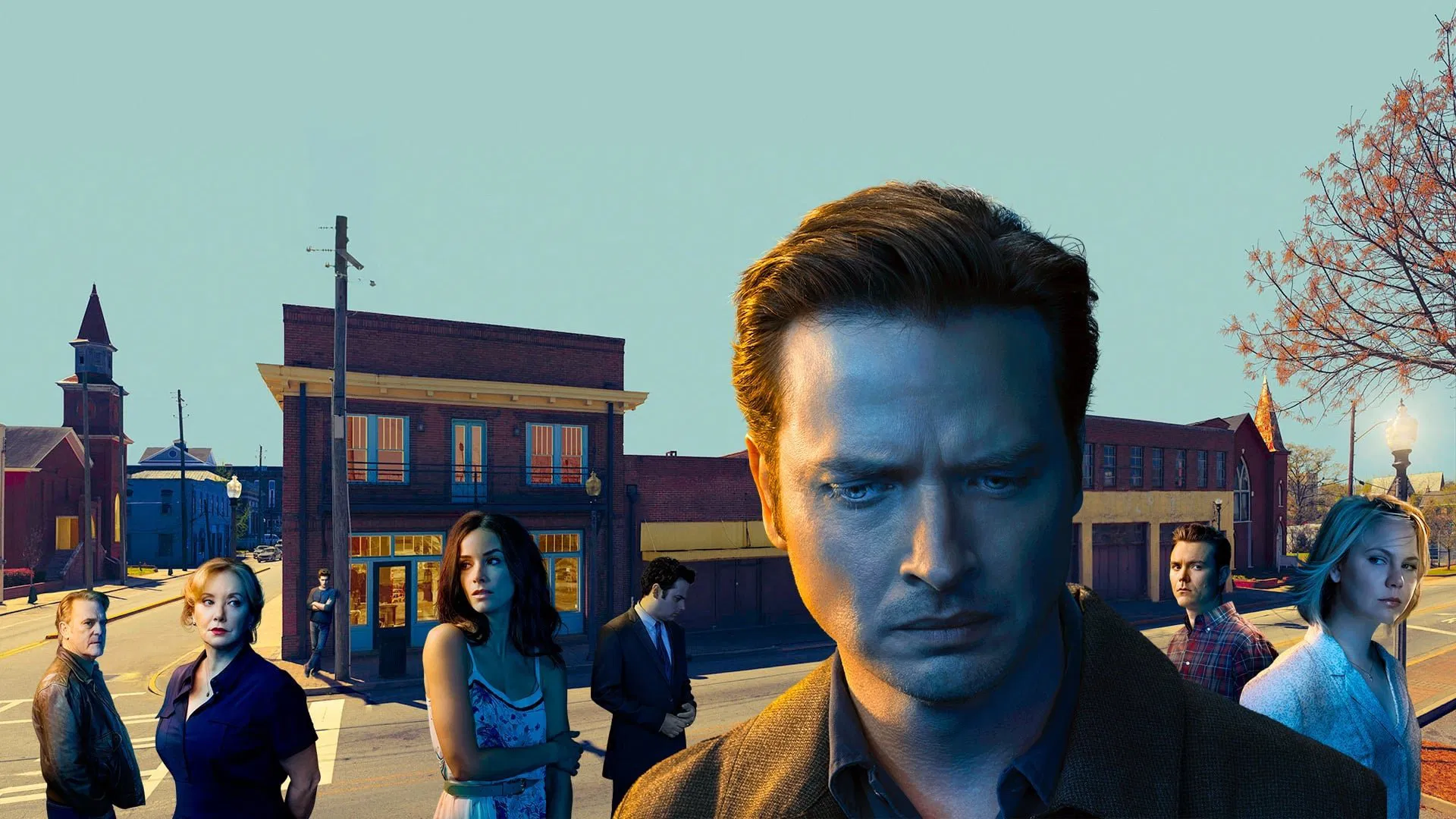
Ray McKinnon's Rectify approaches television drama with the patience and precision of literary fiction. The series opens with Daniel Holden (Aden Young) being released from death row after 19 years, exonerated by new DNA evidence in a controversial rape and murder case. But Rectify has zero interest in becoming a legal procedural or an innocence-project thriller. Instead, it asks a far more difficult question: how does someone rebuild a life after two decades of trauma, isolation, and the daily expectation of execution?
This is television as meditation. Scenes unfold at a glacial pace, with conversations trailing off into heavy silences and characters processing emotions in real time. Daniel doesn't deliver clever quips or demonstrate hidden survival skills. He's fragile, strange, occasionally unsettling, and utterly lost in a world that moved on without him. Young's performance is a revelation, portraying a man who exists slightly outside normal human rhythms, his speech patterns and thought processes permanently altered by his experiences.
The brilliance of Rectify lies in its ensemble approach. Daniel's family, his hometown, and even his victim's relatives all receive equal narrative weight and moral complexity. His sister Amantha (Abigail Spencer) has sacrificed her adult life fighting for his release and now struggles with the reality of his return. His stepbrother Ted (Clayne Crawford) represents small-town conservatism and buried resentment. The show refuses easy villains or heroes, instead presenting a community trying to process an impossible situation where everyone feels they're right.
McKinnon, who previously worked on "The Shield" and "Sons of Anarchy," brings none of that aggressive energy to Rectify. According to Rotten Tomatoes, the series maintains a 100% critics rating across its four seasons, with praise consistently focused on its "poetic" and "meditative" approach to storytelling. Yet it aired on Sundance TV, a network with limited reach, and struggled to find viewers willing to commit to television this deliberately paced.
The show's Southern Gothic atmosphere permeates every frame. Shot in rural Georgia, Rectify captures the beauty and claustrophobia of small-town life, where everyone knows your history and judgment comes wrapped in sweet tea and church invitations. The cinematography by Matthew Workman deserves special recognition, finding profound visual poetry in simple moments: sunlight through prison bars, rain on a trailer roof, Daniel's face half-hidden in shadow.
What makes Rectify truly binge-worthy is its cumulative emotional power. Episodes don't end on cliffhangers, but you'll find yourself immediately starting the next one because you're so invested in these characters' journeys. The show builds toward conclusions that feel earned rather than manufactured, and its final season delivers one of the most satisfying, emotionally complete endings in modern television.This isn't television that screams for attention. It whispers, and viewers have to lean in and meet it halfway. For those willing to adjust to its rhythms, Rectify offers something increasingly rare: drama that trusts silence as much as dialogue, that values emotional truth over plot mechanics, and that believes some stories deserve to unfold at the pace of actual human experience.
-
3 Halt and Catch Fire (2014–2017): From Tech Drama to Emotional Powerhouse
AMC
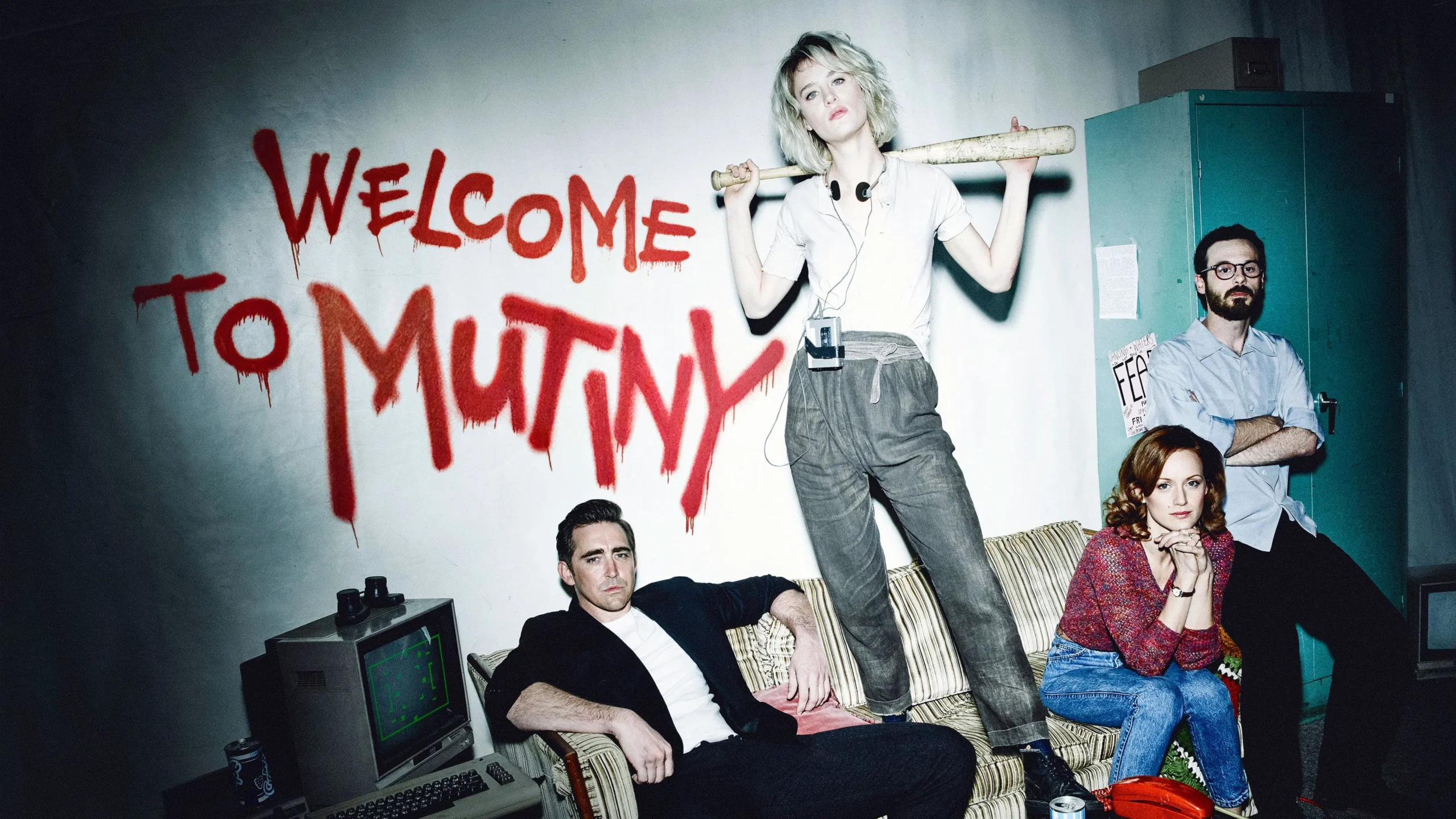
When Halt and Catch Fire premiered on AMC, the marketing positioned it as "Mad Men meets Silicon Valley," which was both accurate and completely misleading. The pilot episode featured the standard cable drama formula: an enigmatic antihero (Lee Pace's Joe MacMillan) manipulating brilliant but unstable collaborators in pursuit of revolutionary technology. By the series finale, it had transformed into something no one could have predicted: a deeply moving exploration of ambition, friendship, creativity, and the price of progress.
The genius of creators Christopher Cantwell and Christopher C. Rogers was their willingness to constantly reinvent the show. Season one focuses on building a revolutionary personal computer in 1980s Texas. Season two pivots to online gaming and community building. By the final two seasons, the show has leaped to the early internet era, with characters aged, scarred, and fundamentally changed by their successes and failures.
But Halt and Catch Fire was never really about technology. The computers, networks, and software serve as framework for examining how creative partnerships form, fracture, and sometimes heal. The true heart of the series is the relationship between Cameron Howe (Mackenzie Davis) and Donna Clark (Kerry Bishé), two brilliant engineers whose friendship, rivalry, and business partnership drives the show's emotional core. Their dynamic feels refreshingly real: complicated, occasionally toxic, but rooted in genuine respect and affection that survives repeated betrayals and reconciliations.
The show's fourth and final season represents some of the most confident storytelling in recent television history. The Hollywood Reporter praised its ending as "perfectly judged," and they're absolutely right. Cantwell and Rogers knew exactly when to end their story, resisting the temptation to stretch it beyond its natural conclusion. The final episodes provide closure while acknowledging that life continues beyond the frame.
Critical acclaim couldn't translate to viewership. Despite consistently positive reviews, Halt and Catch Fire never found a significant audience during its AMC run. It averaged under a million viewers per episode, making it one of the lowest-rated dramas on cable during its broadcast. Yet word-of-mouth has slowly built its reputation, with streaming platforms giving it new life among audiences who missed it the first time.
The performances deserve individual recognition. Lee Pace makes Joe MacMillan fascinating even when he's infuriating, charting his evolution from manipulative visionary to something resembling genuine humanity. Scoot McNairy's Gordon Clark could have been a boring everyman character, but McNairy finds unexpected depths in a man struggling with obsolescence. Davis and Bishé, though, are the revelation, creating two of the most fully realized female characters in tech drama.Bingewatching Halt and Catch Fire allows viewers to appreciate its long game. Callbacks and character development that seemed minor in one season become devastating in another. The show rewards attention and patience, building emotional investment so gradually that the later seasons' gut punches land with genuine force. This is television that understands how people actually change: slowly, painfully, with progress and regression happening simultaneously.
-
4 The Knick (2014–2015): Surgery, Addiction, and the Birth of Modern Medicine
HBO / Cinemax
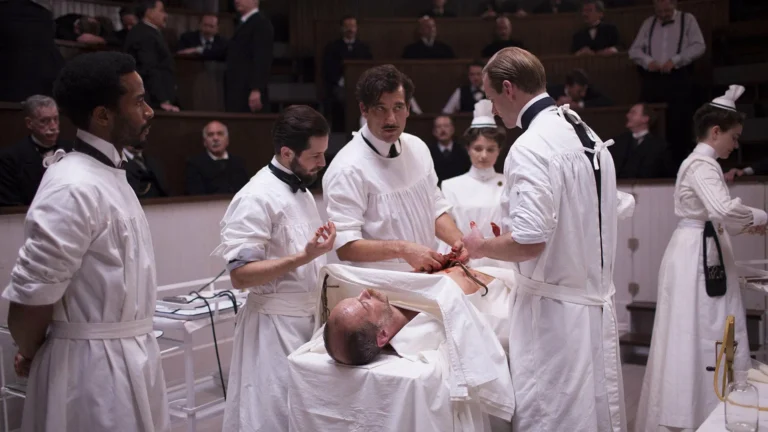
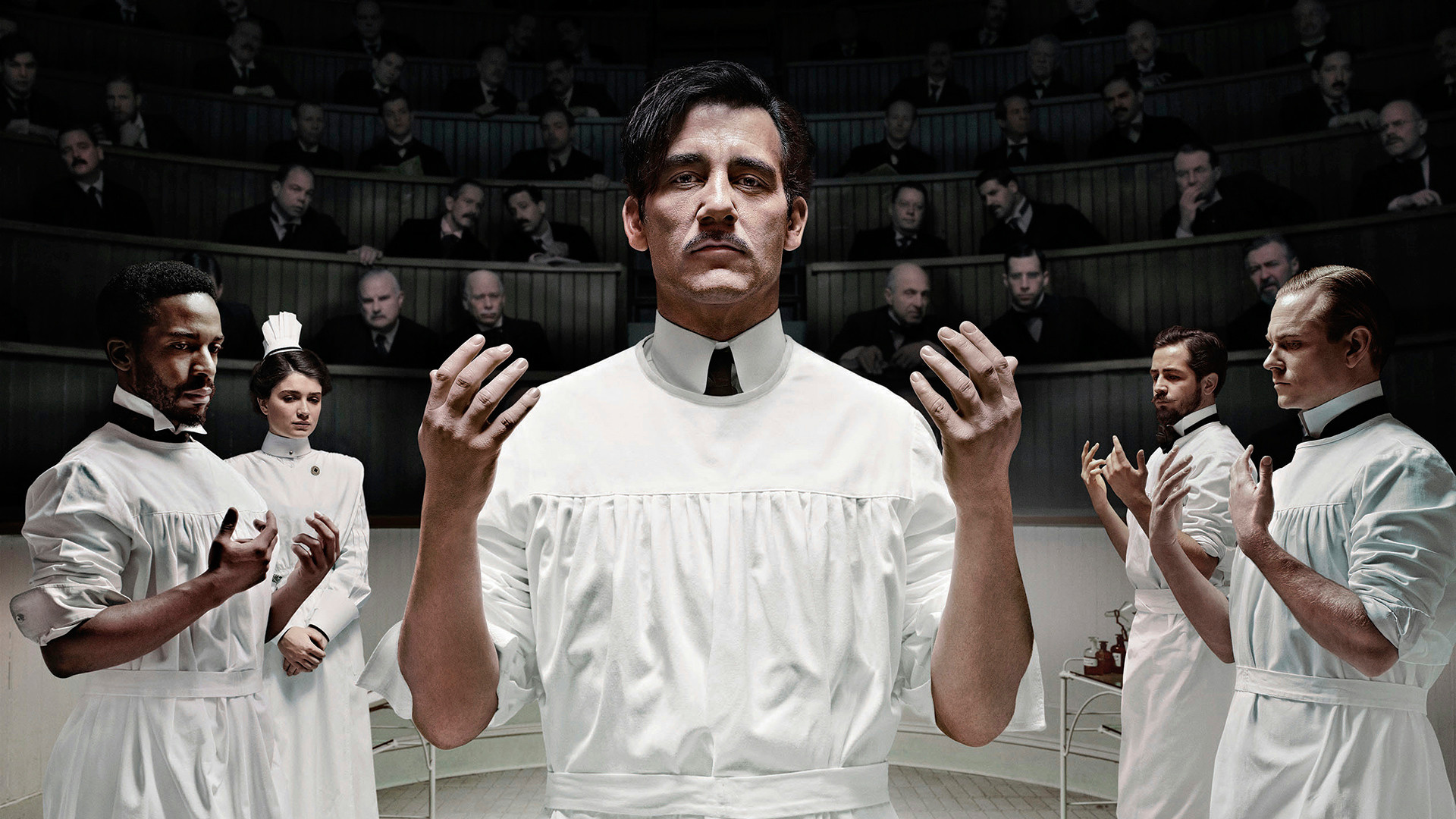
Steven Soderbergh doesn't do conventional television, and The Knick is as unconventional as prestige drama gets. Set in New York's Knickerbocker Hospital in 1900, the series follows Dr. John Thackery (Clive Owen) as he pioneers surgical techniques in an era before antibiotics, safety regulations, or any real understanding of sterile procedure. Operations happen in amphitheaters where medical students watch from galleries. Mortality rates are staggering. Innovation means experimenting on patients without informed consent.
This is horror disguised as medical drama. Soderbergh, directing all 20 episodes himself, films surgery with unflinching detail. Blood sprays. Patients scream. Instruments that look more like torture devices cut into flesh. According to Vulture's retrospective, Soderbergh insisted on period-accurate surgical procedures, consulting with medical historians to ensure every horrifying detail was correct. The result is television that makes you grateful for modern medicine while forcing you to confront the brutal reality of how we got here.
Clive Owen delivers career-defining work as Thackery, a brilliant surgeon who's also a cocaine addict spiraling toward self-destruction. Owen plays him as a man utterly consumed by his work, someone who sees patients as problems to solve rather than people to save. Yet somehow, Owen finds humanity in Thackery's monstrousness, making him fascinating rather than merely repellent. The supporting cast matches his intensity: André Holland as Dr. Algernon Edwards faces virulent racism while proving himself the most gifted surgeon in the hospital; Eve Hewson brings unexpected steel to Nurse Lucy Elkins; and Michael Angarano is heartbreaking as Dr. Bertie Chickering, a privileged heir desperate to prove his worth.
What makes The Knick extraordinary is Soderbergh's complete artistic control. He shot the entire series himself using Red cameras, giving it a distinctly modern visual language despite the period setting. Then he made the boldest choice: commissioning Cliff Martinez to score it with pulsing electronic music that sounds nothing like typical period drama. The anachronistic soundtrack shouldn't work, but it's brilliant, creating a sense of urgency and modernity that underscores how these doctors saw themselves as cutting-edge innovators.
The show ran for two seasons on Cinemax before being canceled, victim to the network's declining original programming budget and Soderbergh's own shifting interests. It ends on something of a cliffhanger, which remains frustrating, but those 20 episodes form a complete enough narrative arc. The Knick explores how progress happens: messily, expensively, through trial and catastrophic error, often driven by flawed individuals pursuing glory as much as healing.
Bingewatching The Knick is an intense experience. Soderbergh's uncompromising vision doesn't allow for easy viewing. Every episode contains moments designed to make you look away, but the craftsmanship and ambition keep you riveted. This is television as visceral art, asking viewers to confront uncomfortable truths about medical history, institutional racism, addiction, and the human cost of innovation.
-
5 Dark (2017–2020): The Time Travel Epic That Actually Stuck the Landing
Netflix
When Dark premiered on Netflix, it was easy to dismiss as "German Stranger Things." Both shows featured missing children, small-town mysteries, and supernatural elements. But Dark is playing an entirely different game. This is the most intricately plotted, philosophically ambitious time travel narrative ever attempted on television, a show so complex it requires spreadsheets and family trees to follow, yet somehow never loses its emotional center.
Creators Baran bo Odar and Jantje Friese constructed a puzzle box of staggering complexity. Four interconnected families across multiple time periods, with characters encountering their own past and future selves, creating paradoxes that loop back on themselves in ways that seem impossible until the show reveals how everything connects. According to Netflix's viewing data, Dark became one of the platform's most-watched non-English series, yet it never achieved mainstream cultural penetration in the way lesser shows did.
What separates Dark from other time travel stories is its commitment to consistency. Every apparent plot hole is eventually explained. Every character action has consequences that ripple across timelines. The show's writers clearly mapped the entire three-season arc before filming began, allowing them to plant details in season one that don't pay off until the finale. This level of planning is extraordinarily rare in television, where shows typically improvise and hope for the best.
The performances anchor the high-concept premise in raw emotion. Louis Hofmann brings tragic intensity to Jonas, a teenager whose attempts to fix time only make things worse. Maja Schöne is devastating as Hannah, whose selfishness and desire create cascading disasters. The entire ensemble, though, deserves praise for playing multiple versions of their characters across different ages and timelines while maintaining consistent core personalities.
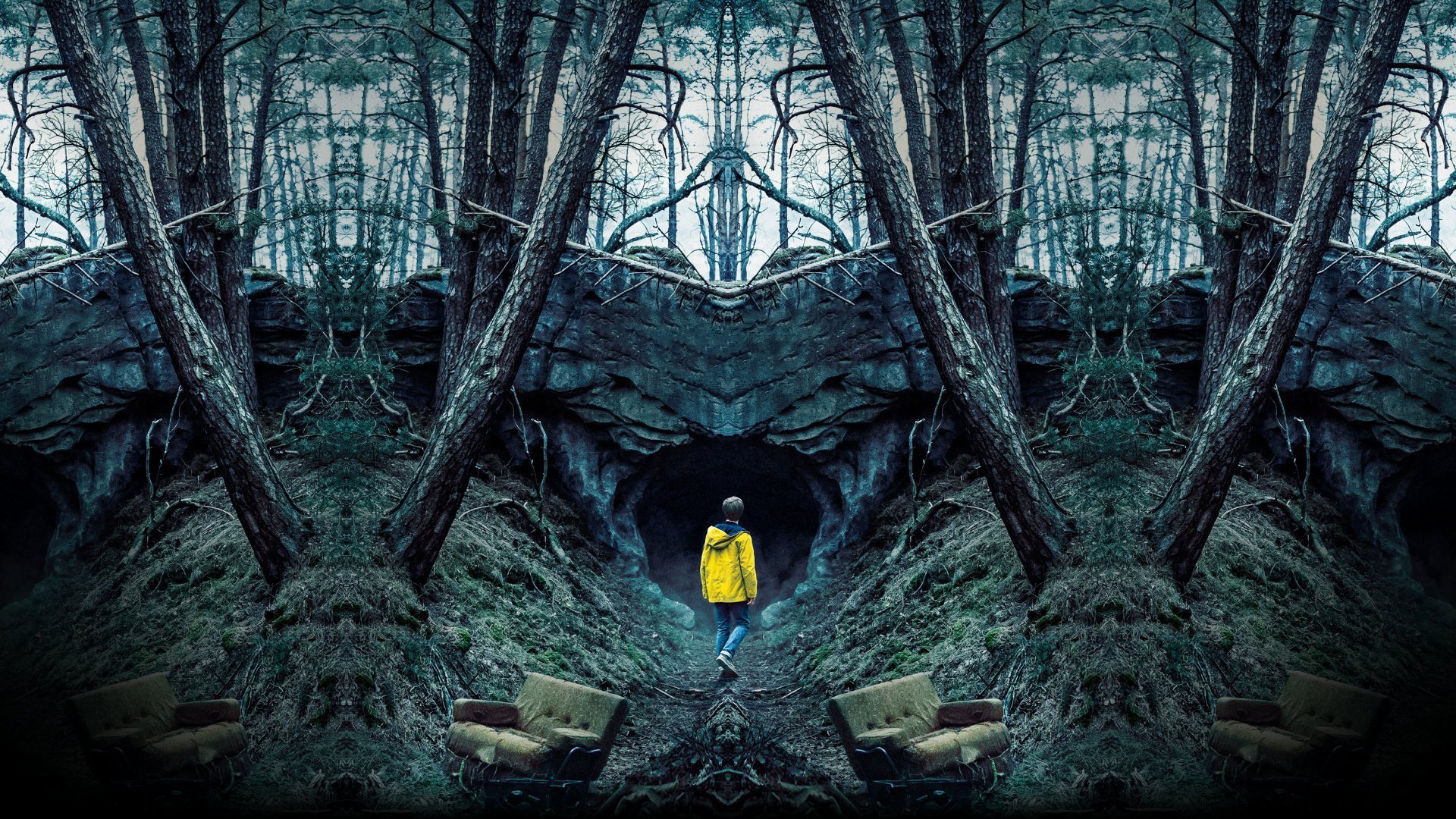
Dark's visual language sets it apart from typical Netflix fare. Cinematographer Nikolaus Summerer shoots the fictional town of Winden as perpetually overcast and oppressive, with desaturated colors and shadows that make every location feel claustrophobic. The bunker where much of the time travel occurs is genuinely unsettling, while the show's repeated use of the cave system creates a sense of inescapable cyclical fate.
The series' treatment of time travel philosophy elevates it beyond puzzle-box entertainment. Dark engages seriously with determinism versus free will, asking whether we can escape predetermined patterns or if trying to change fate is what creates it in the first place. These aren't shallow sci-fi concepts thrown in for flavor; they're the thematic foundation of the entire narrative.Dark concluded after three seasons with an ending that's been debated endlessly but undeniably satisfying. Unlike Lost, The X-Files, or countless other mystery box shows, Dark actually answers its questions and provides genuine resolution. The final season shifts the entire premise in unexpected ways while staying true to the show's internal logic, delivering both emotional closure and intellectual satisfaction.
Bingewatching Dark requires commitment and attention. This isn't background television. The show demands you remember details, track relationships, and actively engage with its timeline puzzles. But for viewers willing to invest, Dark delivers one of the most rewarding long-form narratives in television history, a series that respects its audience's intelligence and rewards their patience with storytelling that's as emotionally resonant as it is intellectually challenging.
Stop Sleeping on Television’s Best Kept Secrets
The five shows collected here represent everything great television can be when freed from the constraints of mass appeal. They’re challenging without being pretentious, emotional without being manipulative, and smart without being condescending. Each trusted its creative vision over focus groups and rating projections, and each paid a commercial price for that conviction.
Streaming platforms have democratized access to content, but they’ve also created an overwhelming paradox of choice. Algorithms push the same popular shows to everyone, creating monoculture hits while truly distinctive work languishes in obscurity. These five series prove that some of television’s best work isn’t rewarded with cultural omnipresence or massive viewership numbers. Sometimes, the best shows are the ones you have to seek out, the ones that demand something from their audience beyond passive consumption.
If you’re tired of shows that feel designed by committee, if you want television that lingers in your thoughts long after the credits roll, these are your next obsessions. They won’t always be comfortable, they won’t always be easy, and they definitely won’t feel like everything else on your streaming queue. But they will remind you why television, at its best, remains the most exciting narrative medium of our time.
Start anywhere. Pick the premise that intrigues you most. Just don’t let these masterpieces remain hidden any longer. Your next great television obsession is waiting.