
Hollywood has given us countless memorable lines, but fame has a curious way of distorting meaning. The most iconic movie quotes often become detached from their original context, morphing into cultural shorthand that completely contradicts what the filmmakers intended. It’s a fascinating paradox: the more a line gets repeated, shared, and memed across social media, the further it drifts from its source material. These quotes take on lives of their own, becoming something entirely different from what appeared on screen.
These aren’t just simple misquotes or Mandela Effect phenomena. We’re talking about fundamental misunderstandings of character motivation, narrative arc, and directorial intent. When a line escapes its cinematic home and enters the broader cultural lexicon, it undergoes a transformation that would make any film preservationist cringe. What started as a moment of menace becomes motivational. A cry of desperation gets repackaged as empowerment. Irony gets stripped away entirely, leaving only the shell of what made the moment powerful in the first place. The transformation happens gradually, almost imperceptibly, as the quote passes through countless retellings.
The phenomenon reveals something essential about how we consume media in the streaming age. We encounter these quotes through memes, GIFs, and TikTok soundbites long before we see the actual films. Context collapses. Nuance evaporates. What remains is the cultural echo, often bearing little resemblance to the original scene’s emotional weight or thematic purpose. Social media algorithms favor brevity and impact over accuracy and depth, accelerating this process of distortion.
From gangster epics to psychological thrillers, from science fiction mind-benders to romantic classics, these misunderstood movie quotes didn’t endure merely because they sounded cool or catchy. They persisted because they were loaded with menace, despair, irony, or emotional complexity that made them unforgettable. Here are ten legendary lines that pop culture keeps getting spectacularly wrong, along with what they actually mean in their original context.
-
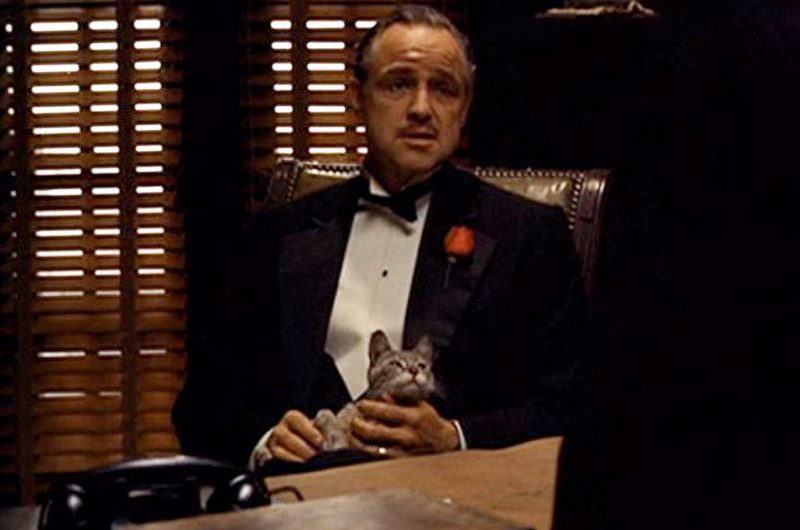
1 "I'm gonna make him an offer he can't refuse."
Paramount Internal ViacomCBS Watch Now
— The Godfather (1972)
How it's used today: A clever business metaphor for persuasive negotiation or win-win deal-making
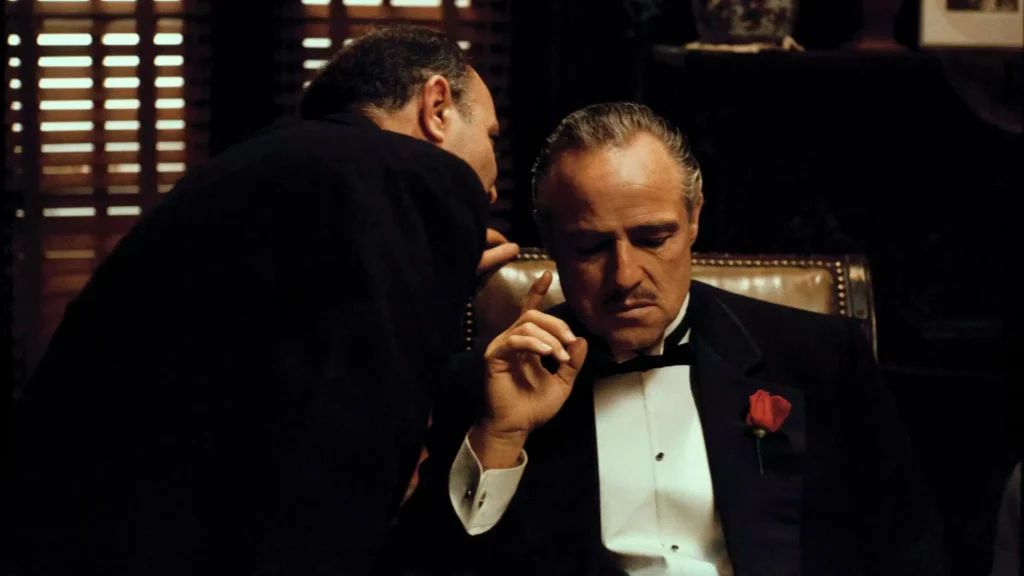
What it actually means: A polite death threat wrapped in velvet language and genteel phrasingSpoken with chilling calm by Vito Corleone in Francis Ford Coppola's masterpiece, this line has been endlessly repurposed in boardrooms and business seminars as shorthand for win-win negotiation tactics. Corporate consultants love it. Motivational speakers quote it without irony. LinkedIn influencers build entire posts around it, treating it as sage advice about closing deals and persuading clients. The phrase appears in business books, management seminars, and career coaching sessions as an example of effective persuasion techniques.
In reality, it's a masterclass in intimidation disguised as courtesy and refined manners. There is no deal being offered. There is no actual choice being presented to the other party. The elegance of the phrasing masks absolute coercion, and that contrast is precisely what makes the line so chilling when you understand its true meaning. When Vito makes someone an "offer they can't refuse," he's not appealing to their better judgment or presenting compelling arguments. He's threatening their life or livelihood with such sophistication that it sounds like he's doing them a favor. The Corleone family doesn't negotiate in good faith. They dominate while maintaining the appearance of civility and old-world respect, which makes their violence even more disturbing.
-
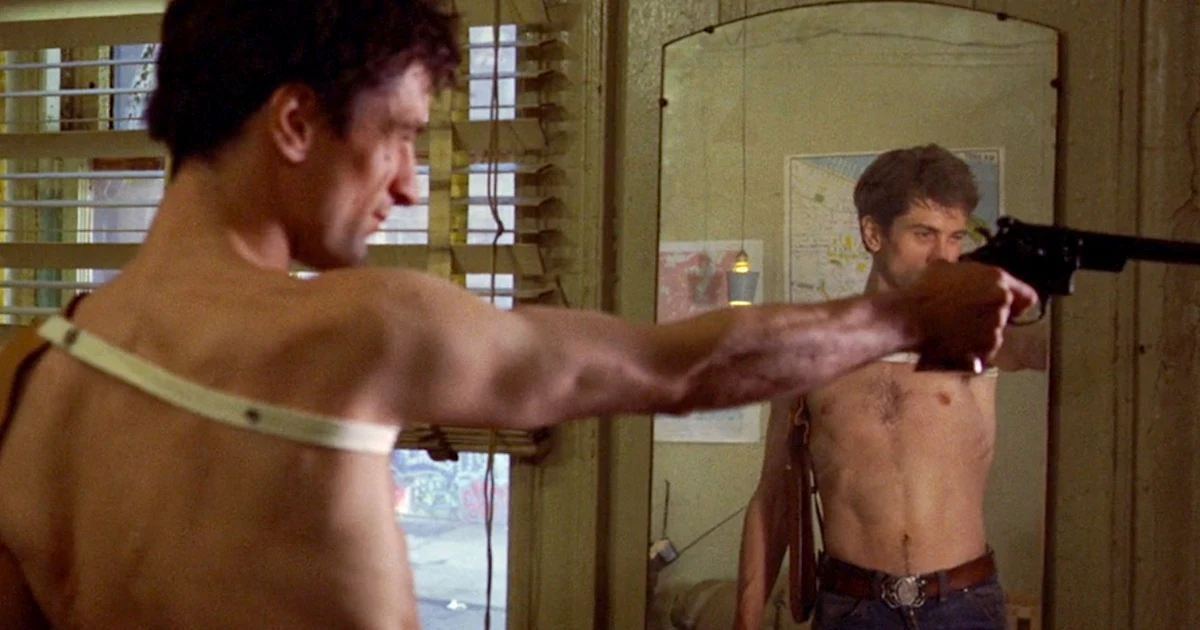
2 "You talkin' to me?"
Sony Pictures Entertainment Watch Now
— Taxi Driver (1976)
How it's used today: Defiant swagger and confident confrontation of adversaries
What it actually means: Total psychological collapse and devastating isolation from societyThis isn't bravado or authentic confidence. Travis Bickle isn't establishing dominance or challenging a real opponent in this scene. He's rehearsing violence in a mirror, spiraling deeper into isolation and mental deterioration that will eventually explode into horrific action. According to film scholars, director Martin Scorsese crafted this scene as a window into profound disconnection from reality, not as a moment of empowerment. The entire sequence functions as a warning sign of impending violence.
The line isn't about strength, confidence, or standing up for yourself. It's about a man so completely alienated from society that he needs to create imaginary confrontations just to feel alive and relevant. Bickle practices his tough-guy routine because he has no actual human connections, no one who would genuinely engage with him on any meaningful level. The mirror becomes his only companion, his only audience for the performance of masculinity he's constructed. When people quote this line as a show of strength or use it to pump themselves up before confrontations, they're missing the devastating loneliness and fracturing psyche that Scorsese and Robert De Niro so carefully constructed throughout the film.
-
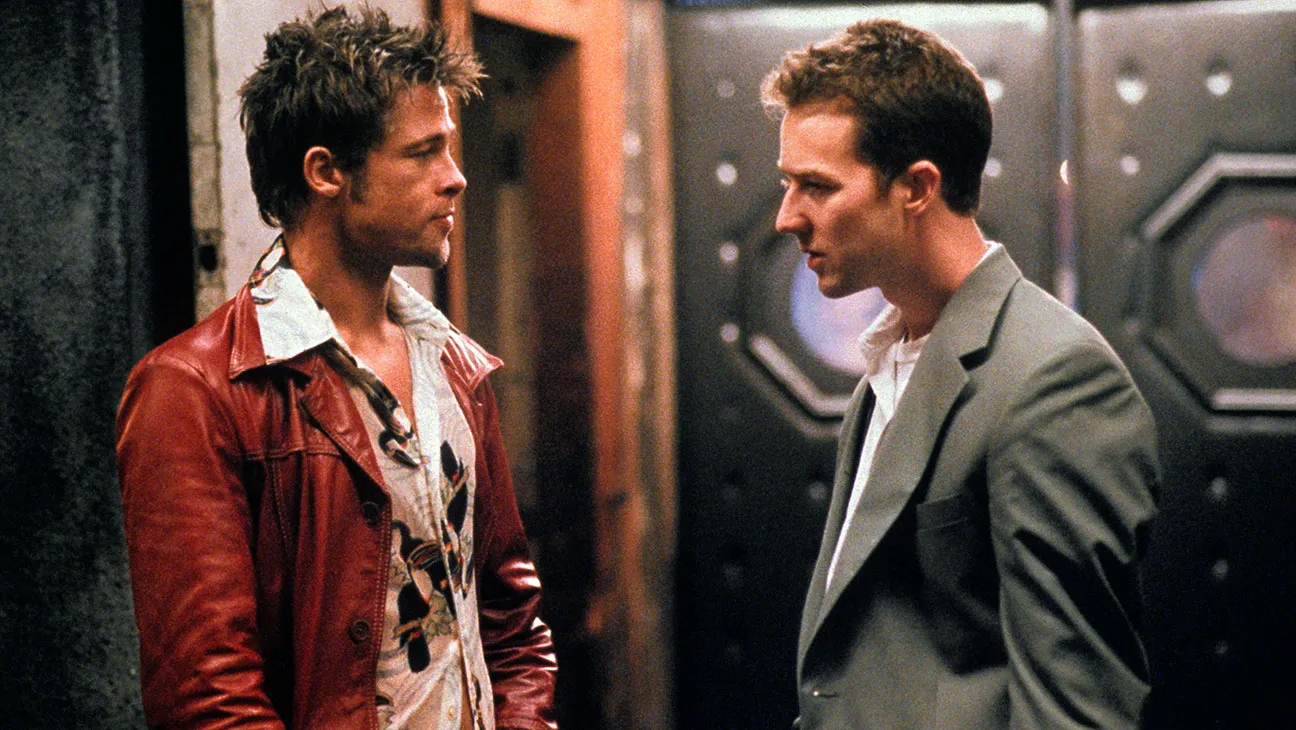
3 "The first rule of Fight Club is: You do not talk about Fight Club."
Critically Acclaimed Watch Now
— Fight Club (1999)
How it's used today: Rebellious cool factor and underground credibility for outsiders
What it actually means: Satire of self-destructive masculinity and dangerous cult behaviorFrequently quoted as an invitation to authentic rebellion against conformity and consumer culture, the line is actually part of a deeply ironic system that director David Fincher methodically dismantles throughout the film's runtime. The entire narrative is a critique, not a celebration, of the toxic masculinity and violence it depicts on screen. Fincher deliberately made the violence seductive and the philosophy appealing to expose how easily audiences can be drawn into dangerous ideologies.
The secrecy isn't empowering or liberating. It's cult indoctrination and manipulation. The rules aren't freeing men from society's constraints. They're controlling mechanisms that turn disillusioned men into foot soldiers for an even more oppressive ideology than the consumer culture they claim to reject. Film critics have noted that Fight Club's genius lies in how easily its satire can be mistaken for endorsement, which is exactly what happened when the quote became a pop culture phenomenon divorced from its cautionary context. The film warns against the very thing it's often celebrated for promoting.
-
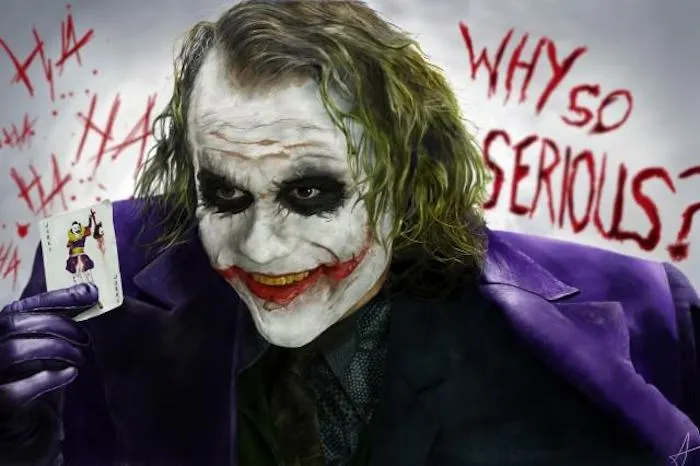
4 "Why so serious?"
WARNER BROS. Watch Now
— The Dark Knight (2008)
How it's used today: Playful provocation and lighthearted teasing among friends
What it actually means: A philosophy of chaos and rejection of all moral order in societyThe Joker's most famous line is often stripped of its menace and repackaged as mere playfulness or harmless mischief. In context, it's a declaration of nihilism, a complete rejection of morality, order, and meaning itself. Heath Ledger's Academy Award-winning performance made the line unforgettable, but Christopher Nolan's vision was far darker than internet memes and Halloween costumes suggest. The Joker isn't a lovable trickster or chaotic neutral character. He's a terrorist philosopher.
Humor isn't the joke here. Society itself is the target. The Joker isn't asking people to lighten up or relax about minor inconveniences. He's questioning why they cling to structures, rules, and civilized behavior when he views it all as arbitrary pretense that can be shattered at any moment. The line precedes acts of horrific violence designed to prove that morality is just one bad day away from complete collapse. When reduced to a caption on a funny photo or a lighthearted meme, it loses the existential dread and genuine threat that made it so powerful in Nolan's dark vision of Gotham City.
-
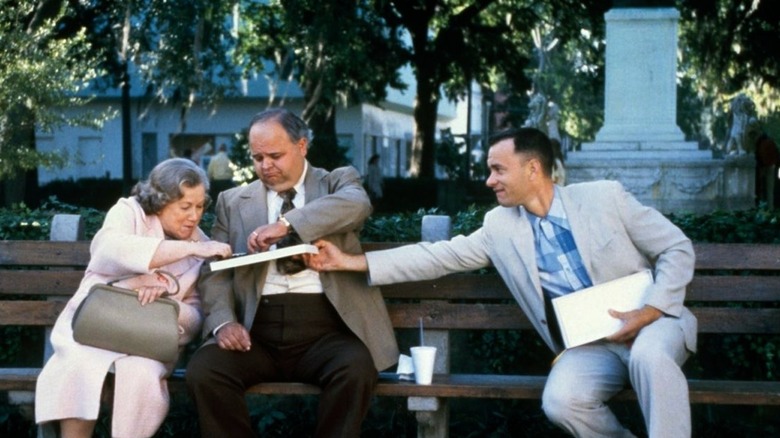
5 "Life is like a box of chocolates."
Paramount Pictures Watch Now
— Forrest Gump (1994)
How it's used today: Uplifting life advice about sweet surprises and positive thinking
What it actually means: Radical acceptance of randomness and fundamental lack of controlThis quote has been plastered on inspirational posters, greeting cards, motivational Instagram posts, and classroom walls for decades. People treat it as optimistic wisdom about life's pleasant surprises and unexpected delights. That interpretation completely misses the point of what Forrest is actually saying. The line has become synonymous with positive thinking and embracing life's adventures, which fundamentally distorts its meaning.
Forrest isn't saying life is sweet, wonderful, or filled with delightful surprises. He's saying it's unpredictable and fundamentally uncontrollable, no matter how much you plan or prepare. You don't choose the chocolates you get. You deal with whatever you're given, whether it's coconut cream that you hate or cherry cordial that you love. The philosophy isn't about optimism or maintaining a positive attitude. It's about acceptance in the face of randomness and circumstances beyond your influence. Tom Hanks' character navigates extraordinary circumstances throughout the film not through agency, planning, or determination, but through simple persistence and acceptance of whatever comes next, good or bad. The line captures his entire worldview: life happens to you, and wisdom lies in making peace with that reality rather than fighting against forces you cannot control.
-
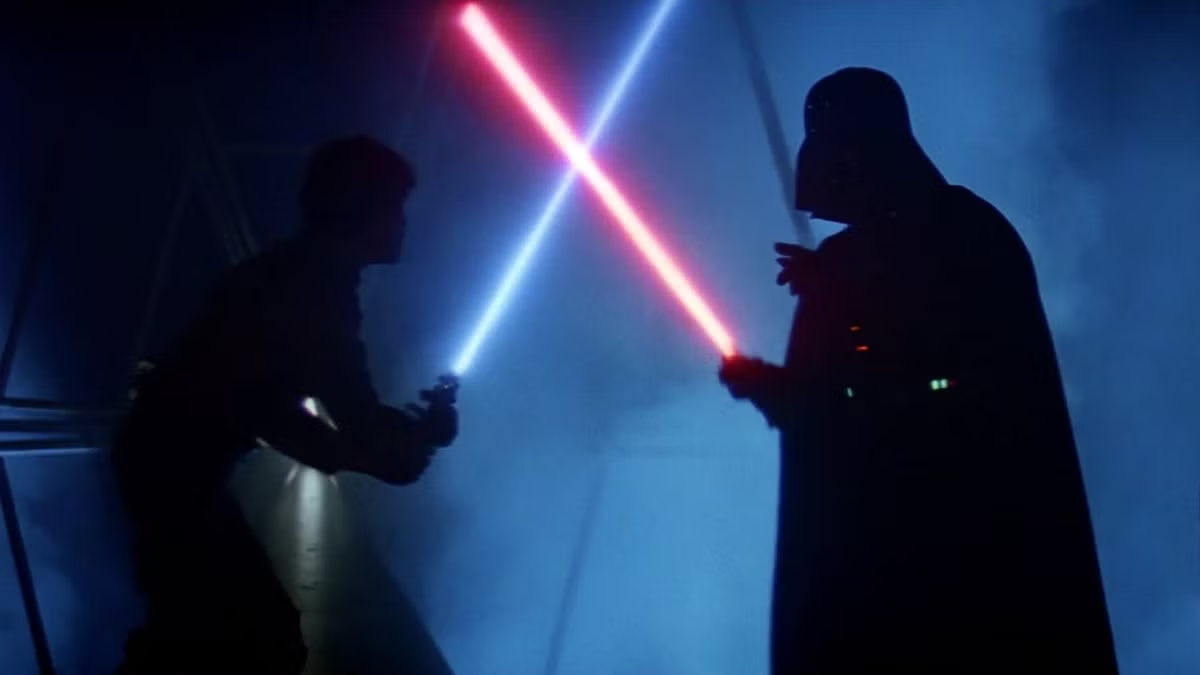
6 "No, I am your father."
Lucasfilm Watch Now
— Star Wars: Episode V – The Empire Strikes Back (1980)
How it's used today: The ultimate plot twist and surprise reveal in cinema
What it actually means: Identity annihilation and the collapse of moral certainty for the heroReduced to mere shock value over time (and often misquoted as "Luke, I am your father"), this line carries weight far beyond the twist itself. George Lucas crafted this moment to fundamentally reframe Luke's entire sense of self, purpose, and moral universe in ways that ripple through the rest of the trilogy. The revelation isn't just a plot point. It's a philosophical earthquake that shakes the foundation of everything Luke believed about himself and his place in the galaxy.
It's not primarily about surprise or shock for the audience. It's about the complete collapse of inherited identity and certainty for the protagonist. Luke believed he understood his place in the galaxy perfectly: son of a hero, student of the Jedi, opponent of evil, destined to restore balance. In one sentence, Darth Vader destroys that entire foundation and sense of purpose. The hero's bloodline is the villain's. The moral clarity that guided Luke throughout his journey vanishes instantly. The line works because it makes heroism complicated, legacy dangerous, and identity uncertain in ways that elevate Star Wars beyond simple space adventure. When we reduce it to "remember that big twist" or use it as shorthand for surprising revelations, we lose the existential crisis and moral complexity that makes The Empire Strikes Back so much darker and richer than typical space opera storytelling.
-
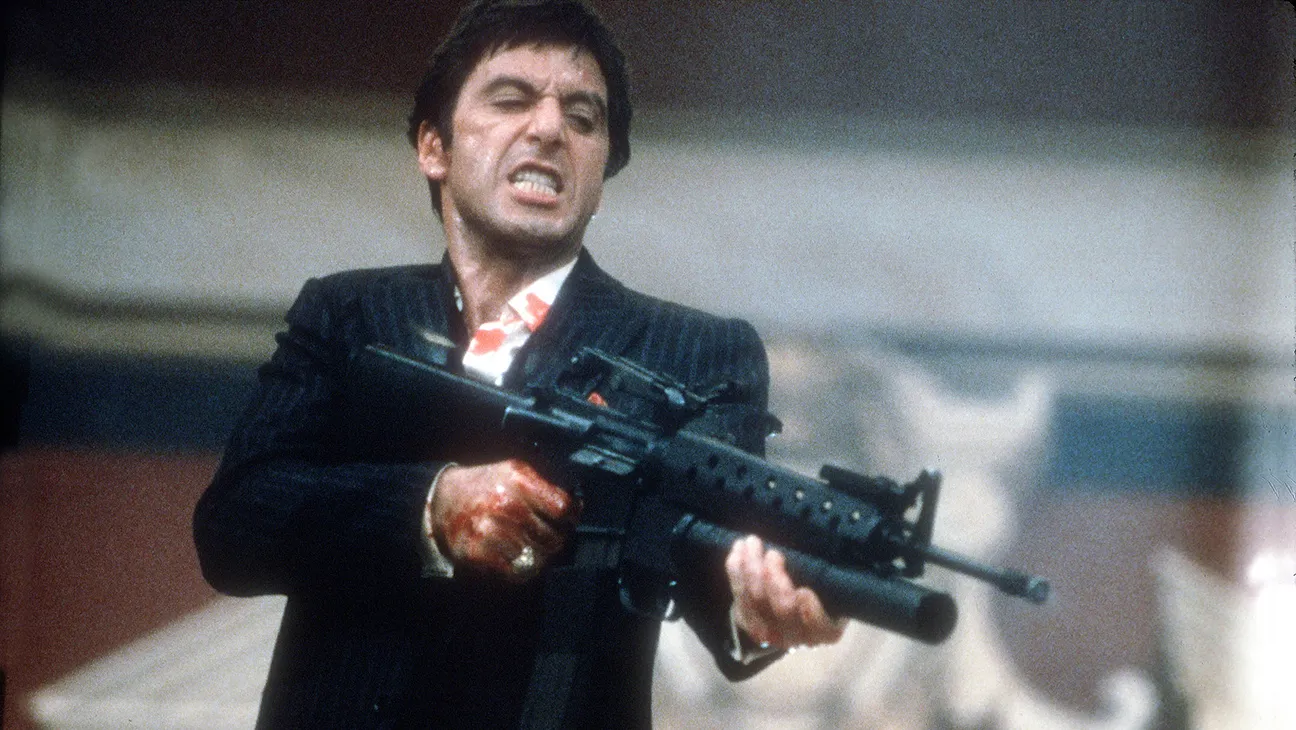
7 "Say hello to my little friend!"
UNIVERSAL PAY TELEVISION Watch Now
— Scarface (1984)
How it's used today: Peak cinematic badassery and ultimate power move
What it actually means: A desperate man who has lost absolutely everything that matteredThis isn't triumph or domination. It's desperation masquerading as dominance and power. Tony Montana is cornered in his mansion, delusional from cocaine abuse, paranoid from betrayal on all sides, and clinging to violence as the last proof of his own myth and identity. The line marks his absolute downfall and destruction, not his apex or moment of glory. Everything he built has already crumbled around him by this point in the narrative.
Brian De Palma's crime epic deliberately shows us a man destroyed by his own ambition, excess, and inability to maintain what he gained through violence. By the time Montana screams this line before unleashing his grenade launcher-equipped assault rifle, he's already lost his wife, his best friend, his sister, and his sanity. The spectacle of violence is meant to be pathetic and tragic, not glorious or admirable. Al Pacino plays the scene as tragic bravado, a man so consumed by his tough-guy persona that he literally dies defending it against overwhelming odds. When gym bros and hustle culture influencers quote this as motivational content or use it to soundtrack workout videos, they're celebrating exactly what De Palma was critiquing: the self-destructive mythology of masculine power and the emptiness of material success built on violence.
-
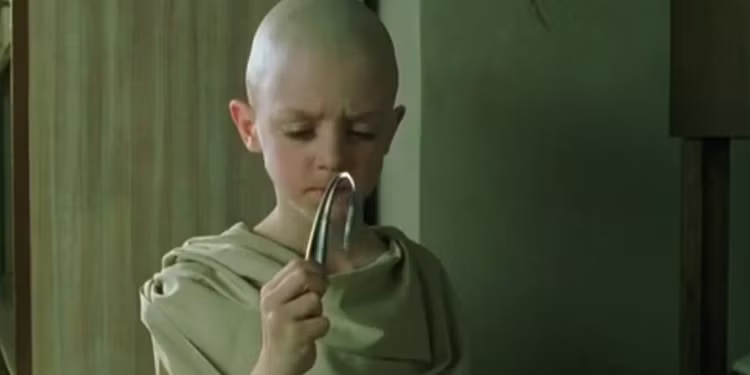
8 "There is no spoon."
WARNER HOME VIDEO Watch Now
— The Matrix (1999)
How it's used today: Reality doesn't matter; nothing is real so nothing matters
What it actually means: Your mind is the battlefield; perception is malleable through understandingThe quote isn't promoting nihilism or suggesting we should abandon reality as meaningless and irrelevant. The Wachowskis crafted this moment as a lesson in discipline and understanding systems, not dismissal of everything as illusion. The scene is fundamentally about enlightenment and perception, not about nothing mattering or objective reality being fake. It's a teaching moment, not a philosophical declaration that everything is pointless.
The film isn't saying reality is fake or that you should ignore the world around you. It's saying that perception is malleable when you understand the underlying systems that govern reality. The young monk bending the spoon isn't denying the spoon's existence or saying it doesn't matter. He's recognizing that his understanding of its properties is constructed and therefore negotiable through deeper awareness. Freedom comes not from denial of reality or pretending nothing matters, but from understanding the rules well enough to bend them in your favor. Neo must learn to work within the system, comprehend its logic and limitations, and then transcend those limitations through mastery. That's dramatically different from the "nothing matters" or "reality is fake" philosophy that the quote often gets reduced to in pop culture discussions about simulation theory.
-
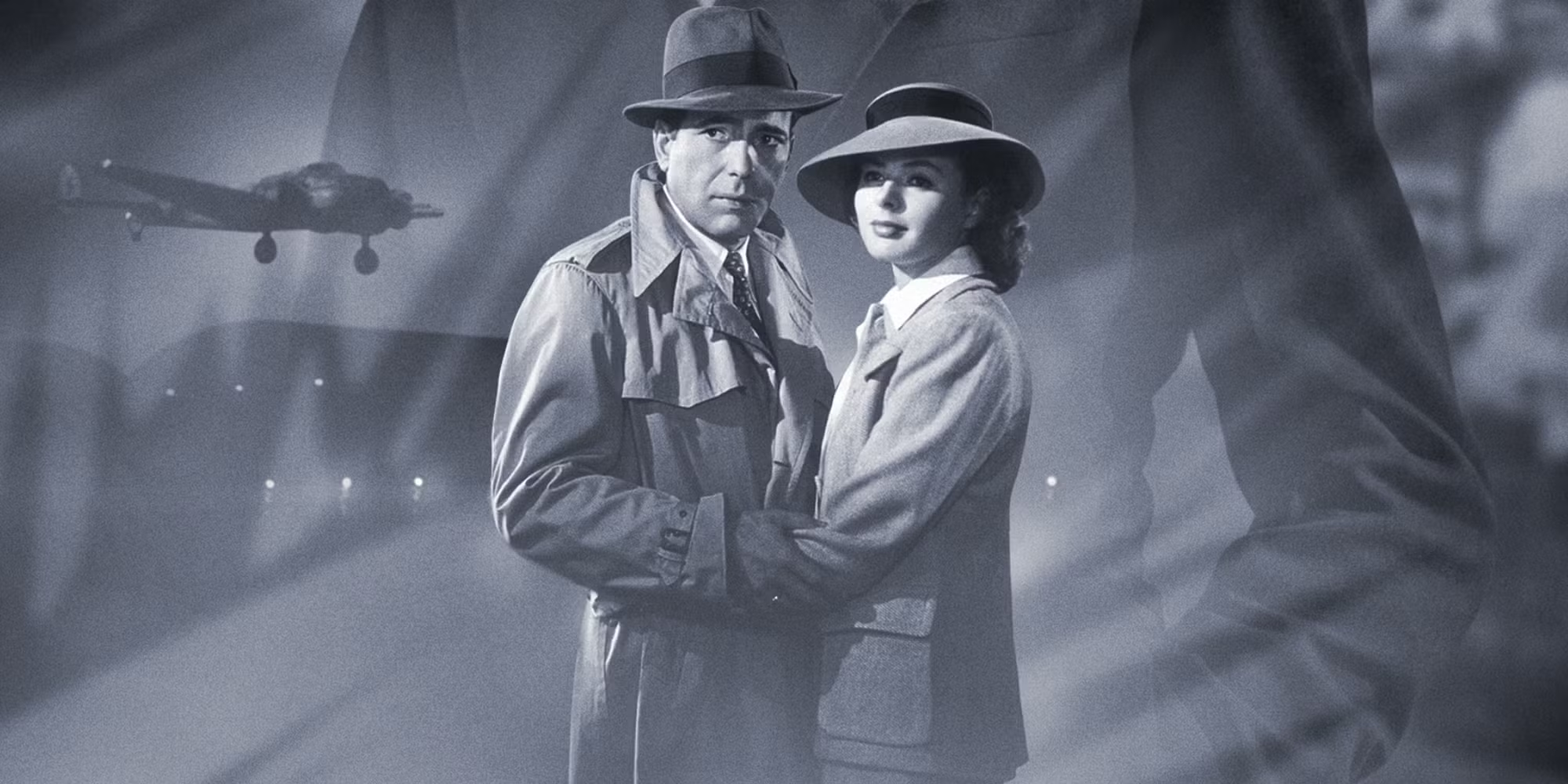
9 "Here's looking at you, kid."
Warner Bros. Watch Now
— Casablanca (1952)
How it's used today: Romantic charm and flirtatious affection between lovers
What it actually means: Love expressed through sacrifice and the pain of letting goOften mistaken for a flirtatious send-off or charming toast between romantic partners, the line is quietly devastating when you understand its full context in the narrative. Rick isn't choosing romance or declaring his love. He's choosing loss and loneliness for a greater purpose beyond personal happiness. The line represents one of cinema's most profound sacrifices, disguised as casual affection.
Michael Curtiz's wartime classic builds to this moment of noble sacrifice over its entire runtime. Humphrey Bogart's Rick Blaine loves Ilsa desperately and genuinely, but he recognizes that their personal happiness matters less than the resistance movement her husband leads against the Nazis spreading across Europe. The line is the sound of love letting go and accepting painful reality. It's affection wrapped in goodbye and farewell. Rick is looking at Ilsa one final time, memorizing her face and presence, acknowledging what they had together while accepting what they cannot have in a world at war. When people use it as a cute romantic phrase or incorporate it into wedding toasts, they strip away the heartbreak and selflessness that makes it one of cinema's most poignant farewells and most emotionally complex expressions of love.
-
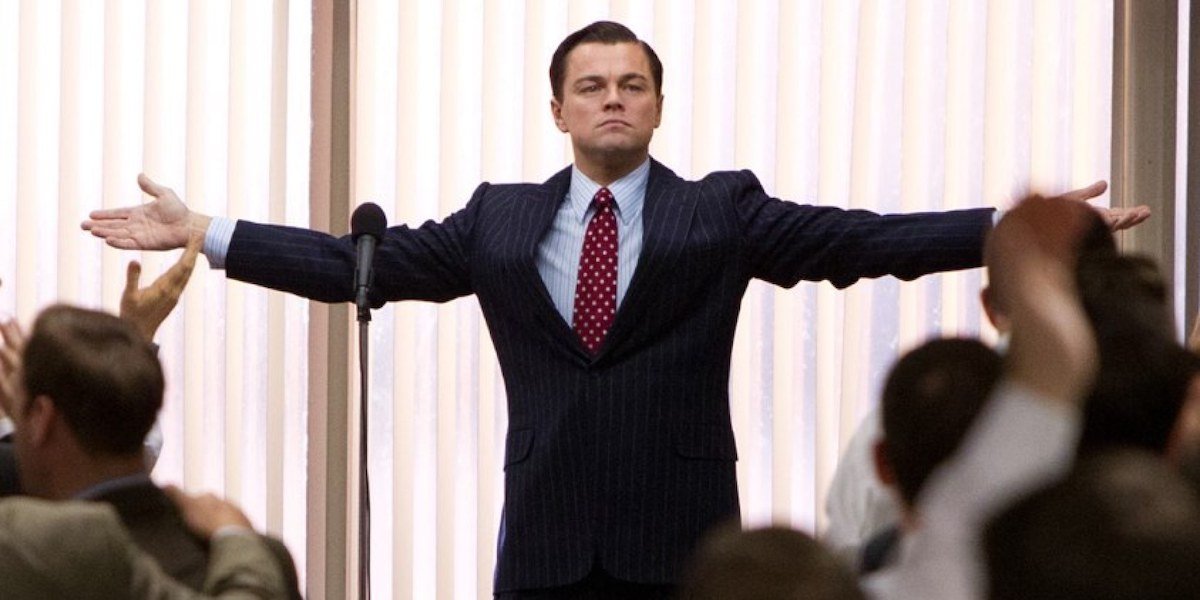
10 "I'm not leaving."
Hit Movies Watch Now
— The Wolf of Wall Street (2014)
How it's used today: Motivational rally cry and inspirational persistence against obstacles
What it actually means: Addiction and pathology speaking through denial and delusionThis moment has been meme-ified into inspirational nonsense, appearing in entrepreneurship videos, hustle culture compilations, and motivational social media content across platforms. In truth, it's a man incapable of stopping even as his world collapses around him and consequences become undeniable. The scene represents everything wrong with the greed-is-good mentality that Scorsese is critiquing throughout the film.
Martin Scorsese's financial satire presents Jordan Belfort's defiance not as admirable determination or praiseworthy persistence, but as pathological inability to change course when any rational person would. Leonardo DiCaprio plays the scene as manic desperation rather than strength. Belfort is addicted to money, power, drugs, and the rush of the con he's running on investors. When he screams "I'm not leaving" to his employees after the FBI raid that should signal the end, he's not demonstrating strength, perseverance, or admirable resilience. He's displaying the classic behavior of an addict who cannot stop even when consequences become undeniable and prison looms. It's not empowerment or motivation. It's dysfunction and pathology on full display. Scorsese makes this abundantly clear through everything that follows in the narrative, but the quote escaped its cautionary context to become exactly the kind of toxic Wall Street mythology and greed-obsessed thinking the film was critiquing.
Why These Misunderstandings Matter for Cinema and Culture
Great movies don’t offer simple slogans, easy takeaways, or comfortable platitudes to live by. They offer contradictions, complexity, and nuance that resist reduction into digestible sound bites. When quotes escape their narrative context and become memes, they lose the very tension, irony, and depth that made them powerful in the first place. The transformation strips away layers of meaning that took talented filmmakers years to craft and perfect.
Revisiting what these lines actually mean isn’t about pedantic nitpicking, film snobbery, or ruining people’s enjoyment of popular culture. It’s about rediscovering what cinema does best when operating at its highest level: challenging audiences rather than comforting them, complicating our assumptions rather than confirming them, forcing us to think rather than simply consume. The filmmakers who crafted these moments intended provocation, debate, and deeper reflection, not validation of our existing beliefs or easy answers to complex questions.
The distance between a quote’s popular interpretation and its actual meaning reveals something important about how we consume media in the digital age. We encounter fragments divorced from whole narratives and complete stories. We share moments without understanding their build-up, context, or consequences in the plot. The most famous line in a movie often becomes famous for exactly the wrong reason, transformed into its opposite through repetition and decontextualization across social platforms. Algorithms favor brevity and emotional impact over accuracy and nuance.
Perhaps that’s the ultimate irony worth considering: these misunderstood movie lines endure precisely because they’re elastic enough to mean whatever we need them to mean in any given moment. But returning to the source material, watching these scenes in their full context, and understanding the filmmakers’ intentions reminds us why great cinema matters and deserves careful attention. It refuses to be simple or comfortable. It demands that we wrestle with complexity, sit with discomfort, and question our first interpretations instead of accepting surface readings. That’s not a bug in how movies work or a flaw in the system. That’s the entire point of cinema as an art form.