
Lost. Six years, so many questions, and a finale that had everyone talking. It was a wild ride, right? The ending of Lost explained is something fans debated for ages. Did it wrap everything up neatly? Did it even need to? Let’s break down what really happened on that mysterious island and what it all meant for our favorite characters. It wasn’t always simple, and honestly, that’s part of why we loved it.
Key Takeaways
- The island’s final purpose was to serve as a sort of crucible for the characters, a place where they could confront their pasts and find redemption. Jack’s journey came full circle here, starting and ending with his role as protector.
- The ‘flash sideways’ weren’t an alternate reality, but more like a shared space, a sort of purgatory where the characters could find peace and reconnect after their lives ended. Christian Sheppard helped explain this to Jack.
- Ultimately, the castaways found their ultimate reunion not on Earth, but in an afterlife. This was where they could truly find peace together, completing their journeys and finding meaning in their shared experiences.
- Not every single mystery needed a concrete answer. The show focused more on the emotional arcs of the characters, suggesting that some questions are better left unanswered to focus on the human element of the story.
- The finale aimed for symmetry, mirroring early season events and Jack’s arc from beginning to end. This created a sense of completion, even if some plot threads remained loose.
The Island’s Final Purpose
So, what was the deal with the Island anyway? It turns out, the Island wasn’t just some random piece of land that a plane crashed on. It had a purpose, a really big one, actually. Think of it as the heart of everything, a place that needed protecting. The Island’s destiny was tied to the balance of good and evil in the world. It sounds pretty wild, I know, but that’s what the show was building towards.
Resolving The Island’s Destiny
In the end, the Island’s fate came down to a few key players. Jack, bless his heart, had to make a really tough choice. He ended up sacrificing himself to restore the light at the Heart of the Island. It was a pretty intense scene, like something out of a movie. This act prevented the Island from collapsing, which was the big threat looming over everyone. It wasn’t just about saving the people on the Island; it was about saving something much bigger.
Jack’s Role in the Island’s Fate
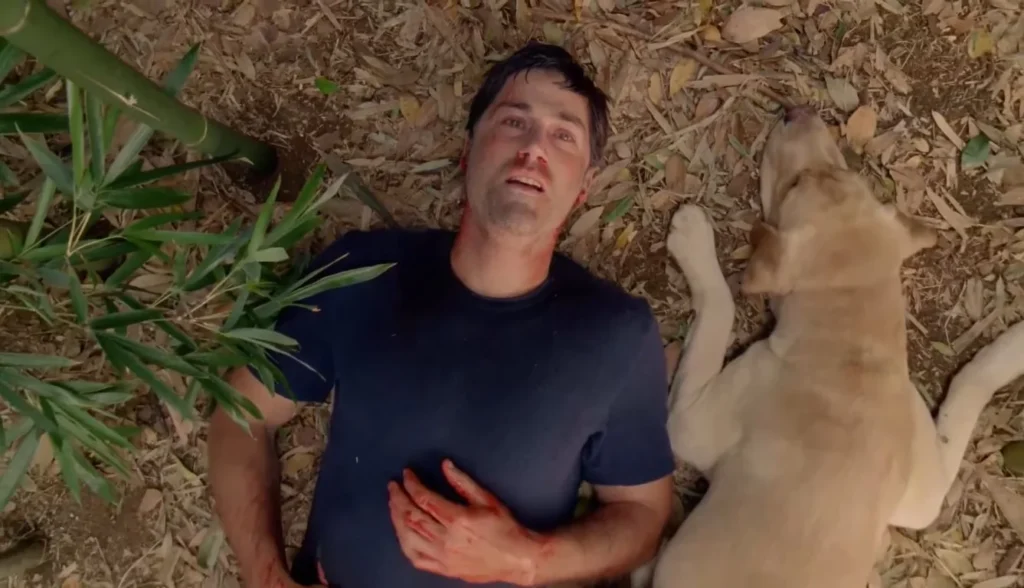
Jack’s journey really came full circle here. Remember how it all started with his eye opening on the Island? Well, it ended with his eye closing there too. He was always meant to be the protector, the one who would step up when it mattered most. He fought the Man in Black, making him mortal again, and then he went back to the Heart of the Island to fix the light. It was a heavy burden, but he carried it through.
Hurley’s Succession as Protector
After Jack’s sacrifice, someone had to take over. That job fell to Hurley. Yeah, that Hurley, the guy who could talk to ghosts. He became the new protector, with Ben Linus as his advisor. It was a bit of an unexpected pairing, but it made sense in the show’s weird logic. Hurley had a good heart and a unique connection to the Island, making him a fitting choice to continue Jacob’s work. He was tasked with keeping the Island safe, a responsibility he took on with his usual blend of humor and earnestness. It’s kind of cool to think about the Island’s significance in the grand scheme of things.
The Island was never just a place; it was a nexus, a point of balance that influenced the world in ways the characters, and the audience, were only beginning to grasp. Its ultimate purpose was to contain a force that needed constant management, a task passed down through generations.
The Flash Sideways Revealed
Okay, so let’s talk about those “Flash Sideways.” For a long time, we were all scratching our heads, right? Were these alternate timelines? Were they dreams? Turns out, it wasn’t quite that complicated, but it definitely wasn’t simple either. The Flash Sideways were essentially a shared afterlife, a sort of purgatory where the characters were waiting to move on. They weren’t living a different life because the plane didn’t crash; they were living a life where they remembered the island and all their experiences there, and crucially, they were all drawn back together. It was like a cosmic waiting room, designed for them to find peace and closure before their final journey.
Not An Alternate Timeline
This is where a lot of confusion came in. The show presented these scenes as if they were happening concurrently with a version of reality where Oceanic Flight 815 landed safely in Los Angeles. We saw Jack dealing with his father’s funeral, Kate starting a new life, and Sawyer back to his con-man ways. But the key was that these weren’t new lives. They were echoes, or perhaps more accurately, a state of being where the characters were reliving moments and interactions, but with the weight of their island experiences informing their actions and emotions. It was a way for the writers to explore character arcs and relationships outside the immediate pressures of the island’s mysteries. It allowed for a different kind of reflection on their lives and choices, and it was a way to bring everyone back together organically before the very end. The fact that they all kept finding each other, often in significant places, was a huge clue that this wasn’t just random chance. It was destiny, pulling them towards their final reunion.
The Nature of Purgatory
So, if not an alternate timeline, what was it? Think of it as a place for resolution. The island itself was a place of great significance, a sort of crucible for these people. But the Flash Sideways was where they could process everything that happened. It wasn’t a punishment, but a necessary step. People who died on the island, like Christian Shephard, were there, guiding others. It was a place where they could confront their regrets, make amends, and ultimately, forgive themselves and each other. It was a space where the supernatural elements of the island were replaced by a more spiritual, introspective journey. The whispers they heard on the island? Those were often the spirits of people ‘in between,’ waiting for their time, just like the castaways were in the sideways. It was a way to tie up loose ends, not just for the characters, but for the audience too, offering a sense of completion to their individual stories.
Christian Sheppard’s Explanation
And who better to explain this strange new reality than Christian Shephard? His presence in the Flash Sideways was a massive hint. He was a figure who often represented judgment and truth for Jack, and in this afterlife space, he became a guide. He was the one who clarified things, especially for Jack, explaining that this wasn’t a different life, but a place where they were all waiting. He helped Jack understand that his purpose wasn’t just about dying on the island, but about bringing everyone together. Christian’s role was to provide that final piece of the puzzle, confirming that their shared experiences on the island were what mattered most and that their ultimate reunion was the true goal. It was a moment of clarity for Jack, and for us watching at home, finally understanding the purpose of those seemingly disconnected scenes. It was a way to bring the show full circle, connecting the beginning of Jack’s journey with his father to the end of his journey in this spiritual sense. The church itself became a symbol of this final gathering, a place where all paths converged before the end of their earthly existence. You can see how Jack’s arrival at the church for his father’s funeral [01a7] was a precursor to this ultimate gathering.
The Flash Sideways weren’t about what could have been, but about what needed to be. It was a space for the characters to finally confront their pasts and prepare for whatever came next, together.
The Castaways’ Ultimate Reunion
Finding Peace Together
So, after all the chaos, the fighting, and the endless mysteries, what happened to our favorite survivors? It turns out, the ending wasn’t about escaping the island, but about finding peace together. The “flash sideways” we saw all season? It wasn’t some alternate reality where the plane never crashed. Nope, it was more like a waiting room, a kind of purgatory where everyone was hanging out until they could all meet up one last time. Christian Sheppard, Jack’s dad, even pops up to explain that the island was where these people really lived and loved, and their connections there were the most important. Their ultimate reunion happened in the afterlife, a place where they could finally find closure. It’s like they all had to go through their individual struggles to get to this point, this shared moment of understanding and peace.
The Meaning of Their Journeys
Each person’s trip on the island, and even their lives before it, shaped them. Jack, for instance, was always meant to be a leader, and his journey from the moment he opened his eyes on the beach to his final moments was all about accepting that destiny. Hurley, after all his struggles with seeing ghosts and feeling like a screw-up, steps up to become the island’s new protector, a role he was surprisingly suited for. It’s a beautiful arc, showing that even the most unlikely people can find their purpose. It makes you think about your own life and the people who have impacted you the most. It’s a reminder that our connections are what truly matter, and maybe that’s the biggest lesson the island had to teach. It’s a bit like how Josh Holloway ended up back working with J.J. Abrams for a new show; sometimes, paths just cross again in meaningful ways.
Completing the Circle in the Afterlife
When everyone finally gathered in that church, it was the culmination of everything. They remembered their lives on the island, the good and the bad, and they found solace in each other’s presence. It wasn’t about a dramatic rescue like you might see in something like Gilligan’s Island, but a spiritual one. They weren’t just survivors anymore; they were friends, family, who had been through the wringer together. The show really focused on the emotional payoff, making sure that these characters, who we’d spent years with, got a satisfying end. It’s that feeling of coming home, but on a much grander, more spiritual scale. They were all finally together, ready to move on, having completed their shared journey.
Unanswered Mysteries and Narrative Choices
So, the dust has settled on the Island, and we’re left with a lot of feelings, right? But also, a few lingering questions. It’s totally normal to wonder about all the little details that never got a neat little bow tied around them. The showrunners, bless their hearts, decided that not everything needed a concrete explanation. And honestly? Maybe that was the right call. It’s like trying to explain every single ingredient in a complex dish; sometimes, you just need to enjoy the taste.
The Necessity of Unresolved Questions
Think about it. Lost was never just about the mechanics of the Island or the origins of the Smoke Monster. It was always about the people. The writers had this massive tapestry to weave, and focusing on the emotional journeys of Jack, Kate, Sawyer, and the rest felt more important than explaining every single supernatural event. Some things are just meant to be a little mysterious, adding to the show’s unique vibe. It’s kind of like how some of the biggest plot points, like the nature of the Island itself, were left somewhat ambiguous. It’s a choice that, for many, made the ending feel more profound, less like a checklist and more like a story that continues to live in your head after the credits roll. It’s a bit like how some fans still debate the meaning of the final scene of The Sopranos all these years later.
Focusing on Character Journeys
Ultimately, the showrunners seemed to prioritize wrapping up the character arcs. The flash-sideways, for instance, weren’t an alternate timeline but a sort of purgatory, a space for the characters to find peace and acknowledge their connections before moving on. Christian Sheppard’s explanation in the church scene really hammered this home. It was about them finding each other, realizing their shared experiences, and finally letting go. This focus on emotional resolution, rather than explaining every single plot thread, is what made the finale so impactful for many viewers. It’s a narrative choice that prioritizes catharsis over complete exposition, and you can see why they’d go that route. It’s a bit like how the show’s conclusion was seen as a correction to earlier narrative choices [99f1].
Resisting Over-Explanation
It’s easy to demand answers for every single thing. We saw Desmond’s immunity to electromagnetism, Hurley’s ability to talk to the dead, and the whole Black Smoke situation. These elements added to the show’s unique flavor, but explaining them scientifically or logically might have actually taken away from the magic. The producers chose to let some of these fantastical elements remain unexplained, trusting the audience to accept them within the show’s world. This approach mirrors how other great stories often leave certain aspects open to interpretation. It’s a delicate balance, and Lost leaned into the ambiguity. It’s a decision that has led to ongoing discussions, with many significant mysteries still sparking debate even years later [58d8].
The Island’s true purpose and the exact mechanics of its supernatural occurrences were left intentionally vague. This allowed the narrative to center on the human element – the connections forged, the sacrifices made, and the ultimate search for redemption and peace among the survivors. The showrunners opted for thematic resonance over exhaustive explanations, believing that the emotional impact of the characters’ journeys was paramount.
Symmetry and Thematic Resonance
Looking back at the whole Lost saga, it’s pretty wild how much the ending felt like it was designed to mirror the beginning. It’s like the writers wanted to show us that everything, in the end, came full circle. The show was always about journeys, and the finale really hammered that home. Think about Jack’s arc – he lands on the Island, a bit lost and unsure, and his whole story, his destiny really, is tied to that place. It’s where he finds his purpose, and ultimately, where he finds his peace.
Parallels to Early Seasons
There were so many little callbacks and echoes of the early days. Remember Aaron’s birth? It felt like a deliberate echo of events from season one, reminding us of where it all started. It wasn’t just random; it was about showing how far everyone had come. The show used these parallels to create a sense of completion, like closing a book you’ve been reading for years. It’s a narrative technique that makes the ending feel earned, not just tacked on. The structure of the story itself, with its seven key plot points, provided a framework for this kind of symmetry [72dd].
Jack’s Journey from Beginning to End
Jack’s story is probably the most obvious example of this symmetry. He arrived on the Island feeling like he had no control, no real direction. He spent years trying to fix things, to be the leader, to save everyone. His journey was about accepting that some things are beyond his control and finding peace in that. His final moments, back in the bamboo forest where he first woke up, felt like a perfect bookend. It was where his Island life began, and it was where it ended. It’s a powerful visual that ties his entire experience together.
The Aesthetic of Completion
Beyond specific plot points, the whole feel of the finale was about wrapping things up. The way scenes were framed, the emotional weight of the reunions – it all contributed to this sense of finality. It wasn’t just about resolving the Island’s mysteries, but about resolving the characters’ emotional arcs. The showrunners wanted the ending to feel like a complete story, not just a series of events. This focus on character resolution is a key aspect of narrative symmetry [ffd1].
The finale wasn’t just about answering questions; it was about providing emotional closure. The showrunners deliberately crafted an ending that emphasized the characters’ personal journeys and their ultimate reunion, suggesting that their shared experiences, both good and bad, were the true meaning of their time on the Island.
Critical and Fan Reception
Polarized Responses to the Finale
The ending of Lost definitely stirred up a lot of feelings, and honestly, it’s still something people talk about. When “The End” finally aired, it wasn’t exactly a quiet moment. Reviews came in from all over, and it was pretty much split down the middle. Some folks thought it was brilliant, a perfect wrap-up to a wild ride. Others? Not so much. It seems like everyone had a strong opinion, and that’s kind of fitting for a show that kept us guessing for so long.
Metacritic gave it a 74 out of 100, which usually means “generally favorable reviews,” but that score doesn’t quite capture the sheer division out there. You had critics like IGN giving it a perfect 10, calling it “satisfying” and “entertaining.” Others, like The Guardian in the UK, reported that viewers were left disappointed. It really felt like a 50/50 split, with passionate arguments on both sides.
Praise for Emotional Satisfaction
On the positive side, a lot of the praise focused on how the finale made people feel. Even years later, some look back and see it as a “beautiful piece of television.” The way it brought characters together, offered emotional payoffs, and gave a sense of closure really hit home for many. It wasn’t just about solving every single mystery; it was about the characters finding peace. For those who connected deeply with the people on the island, this emotional resolution was what mattered most. It was about completing their journeys, not just tying up plot threads. This focus on character arcs is something that many fans appreciated.
Here’s what some of the happy campers had to say:
- Character Payoffs: Many felt the episode delivered the emotional resolutions fans had been waiting for.
- A Happy Ending: For a show that put its characters through so much, the finale offered a sense of peace and reunion.
- Beautiful Television: Some critics described the episode as a moving and well-crafted conclusion, even if divisive.
Criticism for Unanswered Questions
But then there were the critics and fans who felt the ending was a letdown. A big part of the problem for them was the sheer number of unanswered questions. After six seasons of intricate plotting and mind-bending mysteries, many expected concrete answers. When those didn’t fully materialize, it felt like a betrayal to some. The idea that the flash-sideways might have been a form of purgatory, while poetic for some, felt like an easy way out for others. It left a lot of the show’s complex mythology feeling a bit shaky.
The feeling for many was that the show had built up so much intricate lore and mystery, only to pull the rug out with an ending that prioritized emotional closure over narrative completeness. This left a significant portion of the audience feeling unsatisfied, wishing for more concrete explanations.
Some of the main points of contention included:
- The Flash-Sideways: The nature and purpose of these scenes were a major point of confusion and disappointment for some.
- Unresolved Mysteries: Many plot points and character backstories were left ambiguous, frustrating viewers seeking definitive answers.
- Pacing Issues: Some felt the finale rushed through resolutions or didn’t adequately explain key events.
Ultimately, the reception to the Lost finale was as complex and layered as the show itself. It gave us moments of profound emotional satisfaction for some, while leaving others scratching their heads and wishing for more. It’s a testament to the show’s impact that its ending continues to spark such passionate debate, even years later. The show’s legacy is certainly one of polarizing conclusions.
So, What’s the Takeaway?
Look, after six years of twists, turns, and a whole lot of questions, Lost finally wrapped things up. It wasn’t about explaining every single little thing, like why that polar bear was on a tropical island. Instead, the showrunners focused on finishing the story of the people we’d come to know. The finale brought everyone back together, not just to escape the island, but to find peace. It was a journey about life, death, and finding happiness, even if it meant a bit of a confusing ride along the way. In the end, the show gave us a sense of closure, reminding us that sometimes, the connections we make are the most important part of the story. ‘See you in another life, Brother.’
Frequently Asked Questions
What was the real purpose of the Island?
The Island was like a special place that helped people deal with their problems and find peace. It was a place where their life’s journey could really finish. Jack helped protect it, and then Hurley took over to keep it safe.
Were the ‘flash sideways’ an alternate reality?
No, the ‘flash sideways’ weren’t a different timeline where things happened differently. It was more like a waiting room, or purgatory, where the characters were before they moved on. They were all together, remembering their lives and finding peace before going to the next stage.
Did everyone get a happy ending?
In a way, yes. While some characters didn’t make it off the island alive, they all eventually reunited in the afterlife. This was their true happy ending, finding peace and being together again after all their struggles.
Why didn’t they explain every single mystery?
The show’s creators decided it was more important to focus on the characters’ stories and feelings. Just like in Star Wars, not everything needs a detailed explanation. They wanted the ending to feel complete for the people in the story, not just solve every little puzzle.