
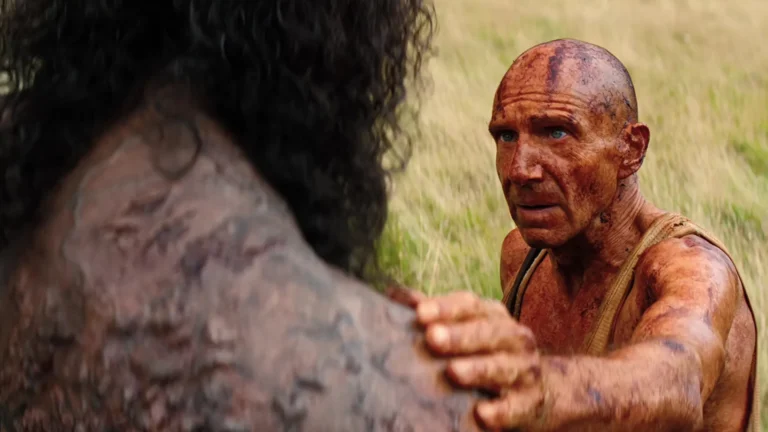

The 28 Days Later franchise has always understood something most zombie series miss entirely. The infected don’t end civilization. People do. Panicking crowds, desperate leaders, and survivors who rebuild society’s worst impulses under new management all contribute to the collapse.
That insight feels sharper than ever in January 2026. The fourth film, 28 Years Later: The Bone Temple, just arrived in U.S. theaters on January 16, bringing Danny Boyle and Alex Garland’s vision back with unsettling relevance. This isn’t nostalgia filmmaking. It’s a franchise that evolved from indie horror landmark into something resembling a cultural diagnosis, examining how crisis reveals character and how survival becomes a moral test rather than a physical one.
The conversation around these films has reignited for good reason. According to Rotten Tomatoes, the original 28 Days Later maintains a certified fresh status over two decades later, while newer entries continue generating passionate debate about infection horror, directorial vision, and whether sequels can match groundbreaking originals. The franchise refuses to coast on formula, which makes ranking these entries genuinely challenging.
So let’s examine all 28 Days Later movies not through nostalgic lenses, but by what they actually accomplish: as horror cinema, as thriller craft, as social commentary, and as pure nerve-shredding experience. The ranking criteria centers on invention, atmosphere, memorable set pieces, character development, and how effectively each installment expands the franchise’s core philosophy.
Fair warning: This ranking stays mostly spoiler-light, but references publicly discussed elements about The Bone Temple that critics and interviews have already highlighted.
-
4 28 Weeks Later (2007)
The Walt Disney Studios Watch Now
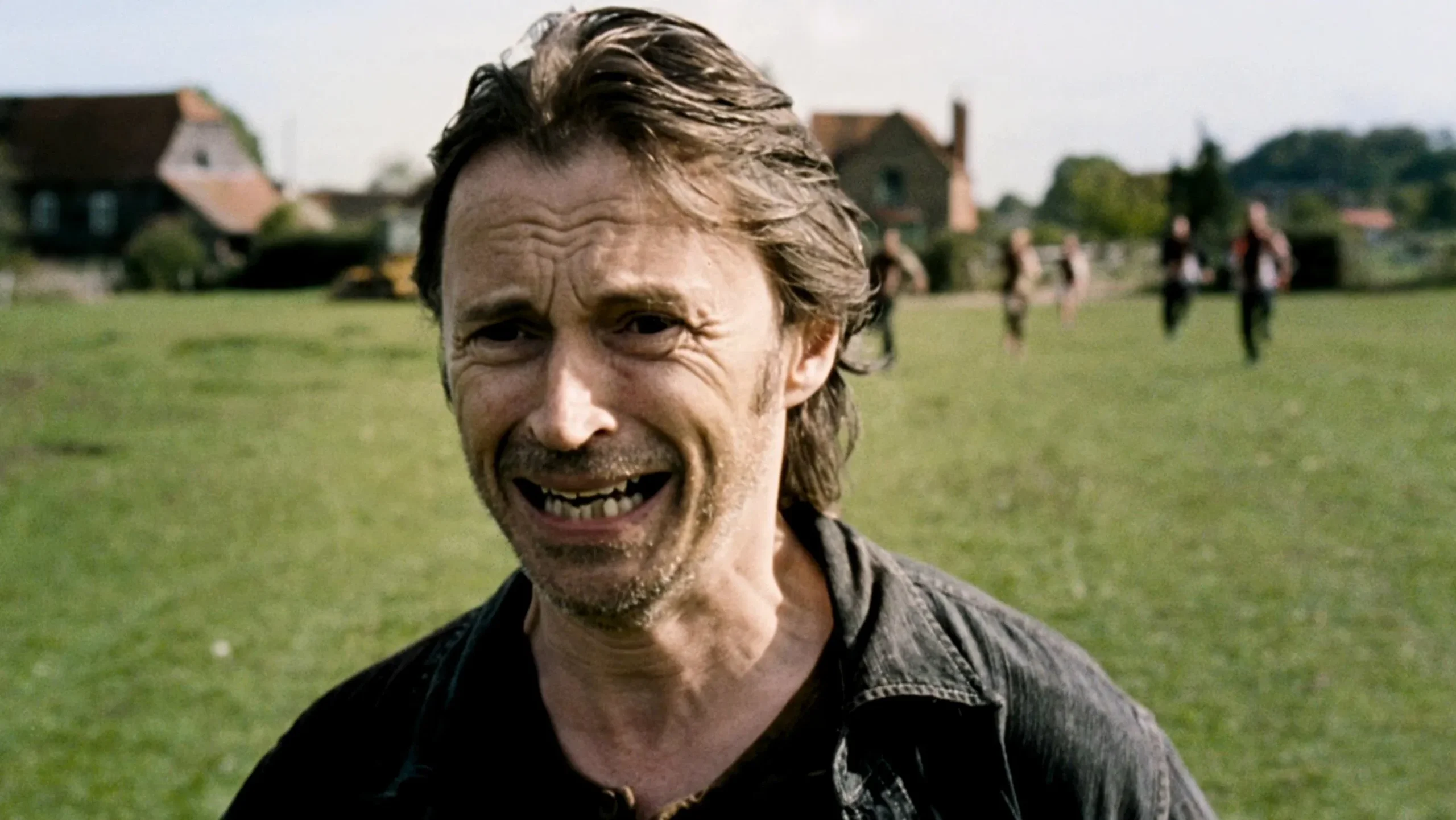
28 Weeks Later functions as the franchise's blunt-force instrument. Bigger budget, louder explosions, and deliberately meaner tone distinguish it from its predecessor. Director Juan Carlos Fresnadillo swaps the first film's grimy intimacy for occupation-zone thriller scope, complete with NATO checkpoints, government repopulation programs, and the dangerous fantasy that bureaucracy can outpace biology.
The film succeeds whenever it acknowledges that the Rage Virus isn't the only horror. The real terror lives in the confidence of officials who believe they can control the uncontrollable. Several sequences deliver hammer-blow impact, moments of sudden and irreversible collapse that remind viewers safety never lasts in this universe.
However, this entry lands at number four because it sometimes chases blockbuster architecture instead of cultivating the sick, quiet dread that made the original feel culturally seismic. The Rotten Tomatoes critical consensus captures this tension perfectly, praising its "fantastic atmosphere" while noting it lacks some of the original's humanism and emotional depth.
The firebombing sequence remains genuinely harrowing. Robert Carlyle's opening performance cuts deep, establishing moral compromises that echo through the entire runtime. Yet the film operates more as competent franchise expansion than essential viewing, prioritizing spectacle over the psychological horror that defines the series at its best.
-
3 28 Years Later (2025)
Sony Pictures Watch Now
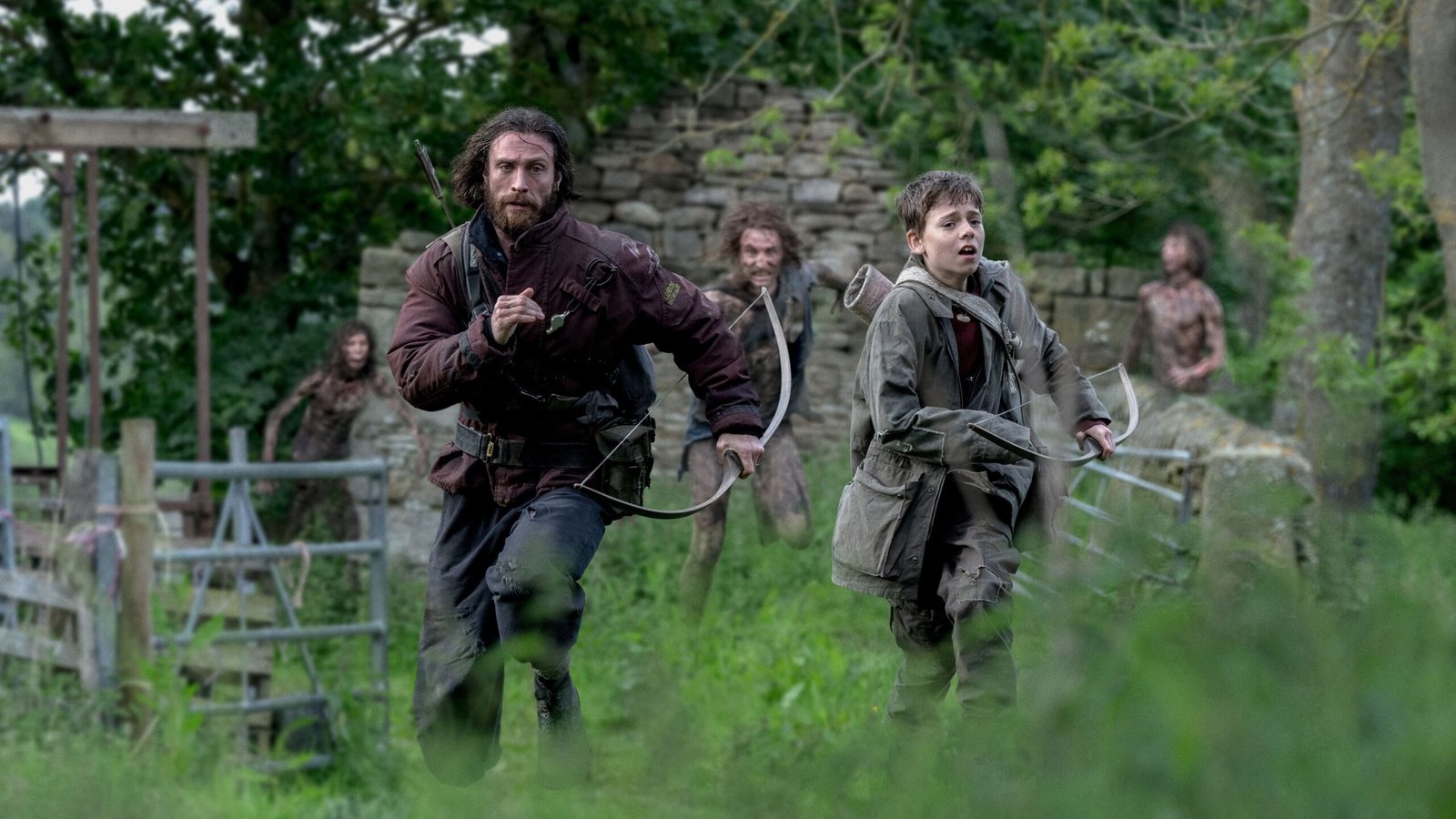
The remarkable aspect of 28 Years Later isn't story continuation. It reframes the entire franchise as coming-of-age horror, shifting focus from "how do we survive the outbreak?" toward "what kind of person does the outbreak create?"
Danny Boyle's return carries significant weight. He doesn't deliver a victory lap or greatest hits compilation. According to The Hollywood Reporter, the film leans into formal experimentation again, with mood swings, cultural commentary, and deliberate roughness rather than polishing edges for mainstream comfort. This installment becomes a vehicle for exploring contemporary anxieties (political division, institutional collapse, generational trauma) while maintaining propulsive survival-thriller mechanics.
This entry ranks above 28 Weeks Later because it reads as artistic statement rather than commercial obligation. The franchise returns not to cash in, but to mutate and challenge expectations. Boyle reportedly shot portions on iPhone, embracing digital grain and documentary texture that recalls the original's guerrilla energy.
Still, it claims the number three position because it plays an explicitly longer game. This is foundation-building, a first chapter in the purest sense, constructed to hand viewers off to what follows. The pacing occasionally feels patient to a fault, more interested in world-building than immediate payoff.
What comes next proves the gamble worthwhile. Nia DaCosta's sequel doesn't behave like typical franchise follow-ups, which makes this setup chapter feel more purposeful in retrospect.
-
2 28 Years Later: The Bone Temple (2026)
Sony Pictures Watch Now
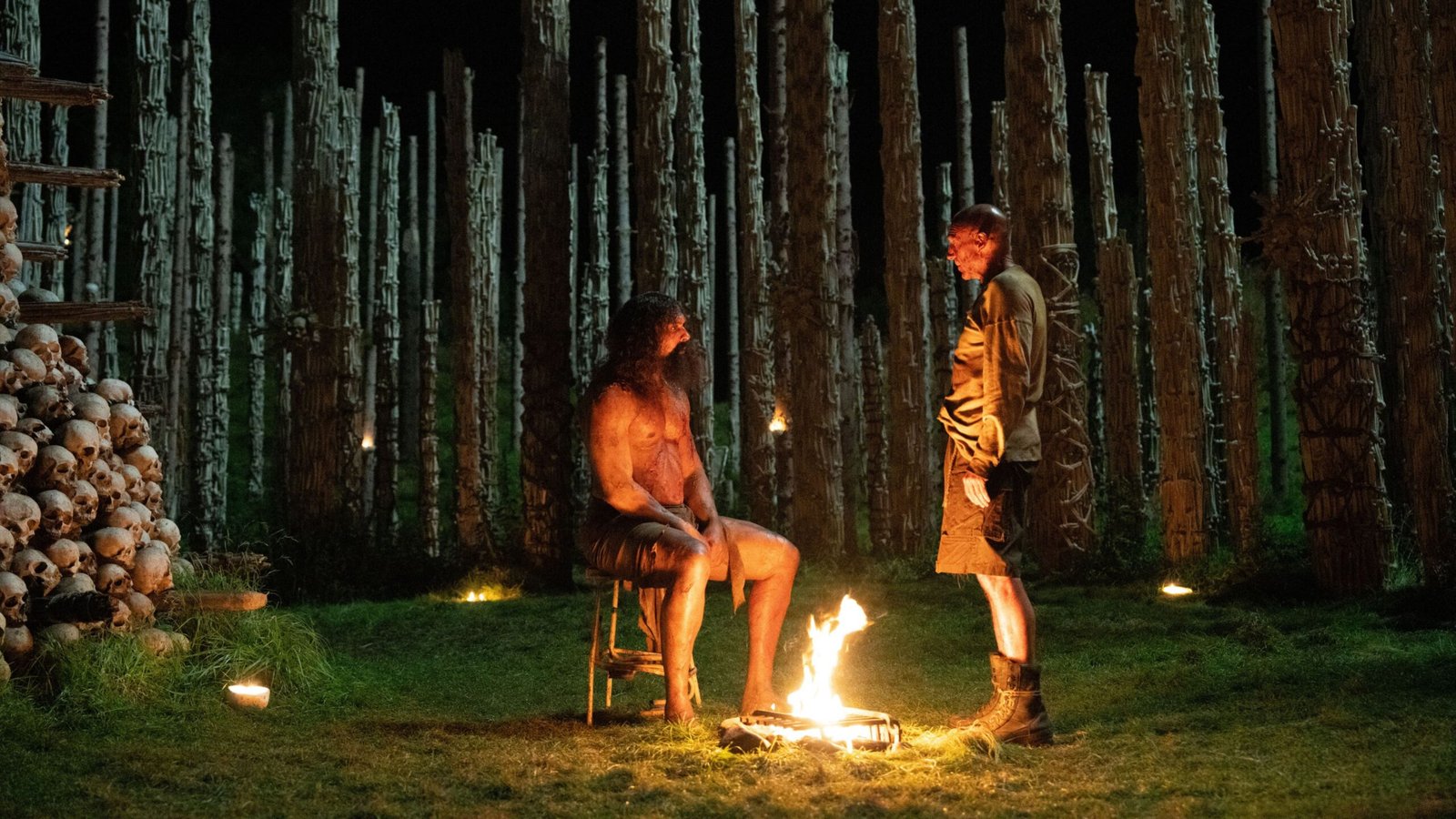
If 28 Years Later reintroduced the world, Nia DaCosta's The Bone Temple tears open the mythology with surgical precision and a distinctly different pulse. Critics have highlighted how DaCosta's approach contrasts with Boyle's earlier frenetic energy. More composed framing, deeper psychological tuning, and crucial interest in how humans manufacture violence even when literal monsters surround them.
The film's central hook, as major coverage describes, pushes beyond "infected monsters are scary" into "structures are scary." Cult logic, ritualized violence, and leadership-by-terror become the real threats. The New Yorker's coverage emphasizes how the movie transcends zombie tropes into darker satirical territory, expanding franchise scope without drowning in lore.
This installment has audiences texting each other in all caps because the ending revelation has been widely discussed in interviews and post-release coverage. Cillian Murphy's Jim returns in the final sequences, not with superhero fanfare but as a fundamentally changed man. Older, quieter, defined by responsibility rather than rage-fueled survival instinct. The IMDb page confirms Murphy's involvement, ending years of speculation.
DaCosta brings horror credibility from Candyman, understanding how to make violence mean something beyond shock value. Her visual compositions feel more deliberate than Boyle's kinetic style, creating suffocating atmosphere through careful framing rather than handheld chaos.
Why doesn't this claim the top spot? Because it functions as a bridge by design. Even positive reviews frame it as a franchise connector, an intentionally middle-chapter film that's bold and provocative but clearly positioning pieces for the next move. Some narrative threads dangle deliberately, which proves frustrating for viewers seeking complete standalone experiences.
As modern franchise filmmaking goes, though, this represents the kind of creative risk-taking major studios rarely greenlight unless they trust the creative team completely. The tonal shifts, structural experimentation, and refusal to simply copy-paste escalation deserve recognition.
-
1 28 Days Later (2002)
Sony Pictures Watch Now
Some horror movies influence their genre. Others rewrite pop culture's emotional temperature entirely.
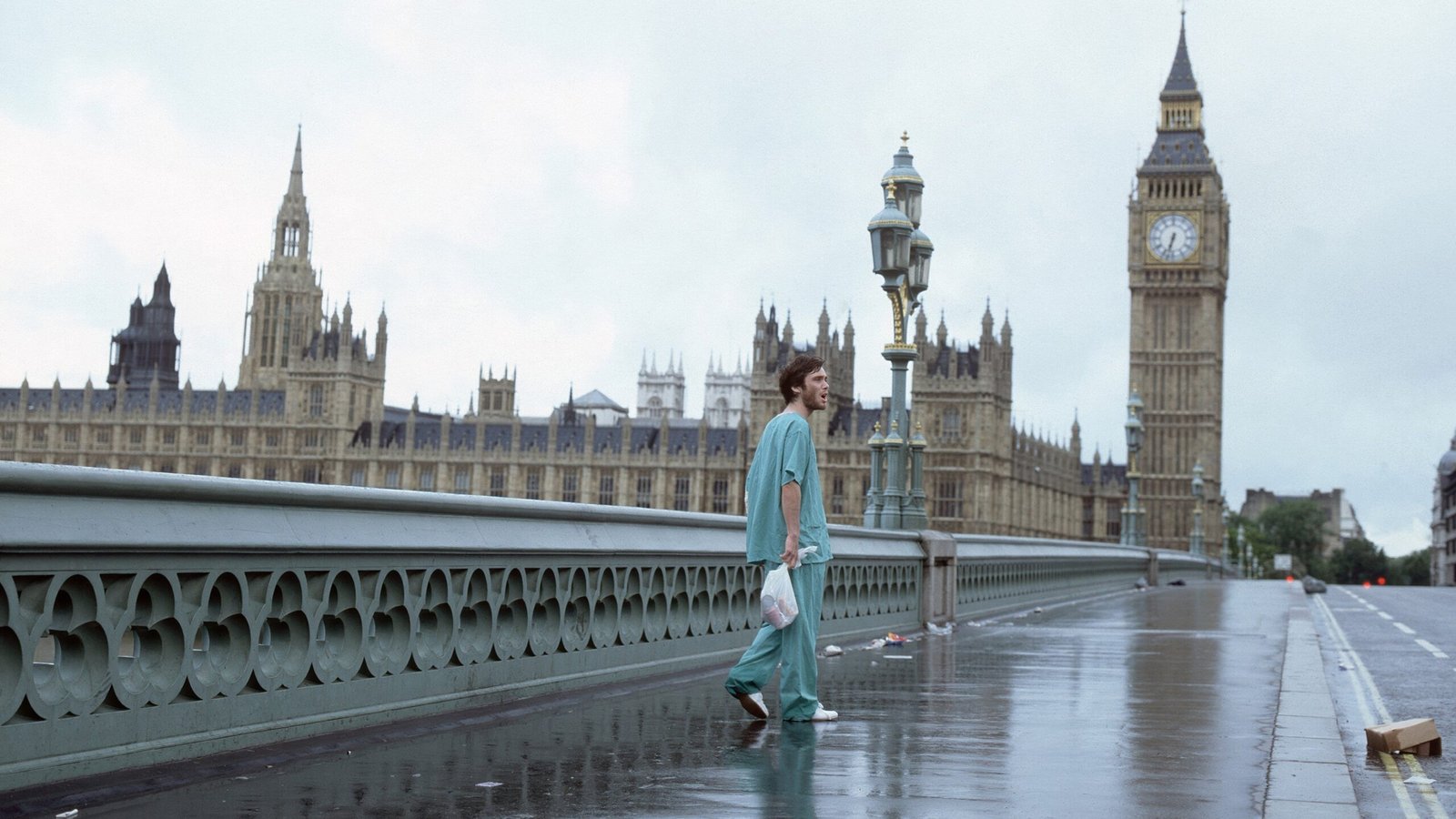
28 Days Later still registers like a nightmare experienced in someone else's body. The empty London imagery haunts decades later. Moral rot disguised as leadership feels prescient in uncomfortable ways. The sense that apocalypse isn't one catastrophic event but a sequence of small permissions people grant themselves when accountability disappears completely.
This rare franchise starter doesn't just introduce a concept. It introduces an ethic, a moral framework that separates it from typical outbreak horror. Every choice carries cost. Every "safe" location proves temporary. Every attempt to rebuild society risks recreating the worst aspects of what collapsed.
The film's lasting power comes from director Danny Boyle and writer Alex Garland understanding that infected humans running at full sprint aren't the deepest horror. The real terror lives in watching survivors like Christopher Eccleston's Major Henry West create authoritarian micro-societies, or witnessing Brendan Gleeson's Frank try to maintain decency in indecent circumstances.
Technically, the movie broke ground by shooting digital video when most theatrical releases still used film. That choice created documentary texture, making London's abandonment feel genuinely discovered rather than production-designed. John Murphy's haunting score, especially "In the House - In a Heartbeat," became synonymous with modern infection horror.
The original stays on top even with slicker filmmaking and bigger budgets in play because it isn't trying to expand a universe. It's trying to trap you in a world where hope exists, but only if you keep actively choosing it. That thematic clarity gives the film staying power beyond genre exercises or franchise building.
According to Empire Magazine's retrospective, 28 Days Later influenced everything from The Walking Dead to The Last of Us, establishing visual language and thematic depth that defined 21st-century apocalypse storytelling. The cultural impact extends beyond horror into broader conversations about crisis response, authority, and human nature under pressure.
Which makes the franchise's current moment feel oddly appropriate. With The Bone Temple in theaters now, we're not simply revisiting Rage Virus horror. We're revisiting the question these films have always asked underneath visceral scares: when the world ends, what do you become?
What Comes Next?
Most reporting around the new films frames them as a planned trilogy. Boyle remains involved going forward, and Murphy’s return positions as more than one-off cameo. If 28 Years Later was the spark and The Bone Temple is the smoke, the third chapter has potential to become the fire.
Especially now that the franchise has re-earned the right to be strange, experimental, and uncomfortably relevant again. That’s the real achievement here: in an era of safe franchise management, the 28 Days Later movies refuse to play it safe.
The infected might run fast, but the ideas move faster.