

Let us be completely honest with ourselves: the standard four-quadrant blockbuster formula of pure good versus pure evil is getting incredibly tired. Modern audiences crave texture, nuance, and philosophical movie villains who force us to question our own moral compass. When a screenwriter crafts an antagonist who operates not out of blind malice but out of logical necessity, the entire narrative elevates. We lean forward in our seats when a seemingly evil character delivers a monologue that makes a good point about the flaws of the protagonist’s worldview. It is the ultimate cinematic magic trick to make you root for the hero while secretly nodding along with the villain’s manifesto.
Creating these morally grey characters requires an intricate dance between the script, the director’s vision, and an actor capable of exuding absolute conviction. A truly great cinematic adversary does not cackle in the shadows. They stand in the broad daylight of their own righteous truth. When we realize the antagonist was right about the core societal issue at hand, the movie shifts from disposable entertainment into lingering art. If you are exhausted by one-dimensional bad guys and want to see masterful performances from some of the best sympathetic villains in cinematic history, this meticulously curated list is your perfect watch guide.
At a Glance: Best What to Watch Picks
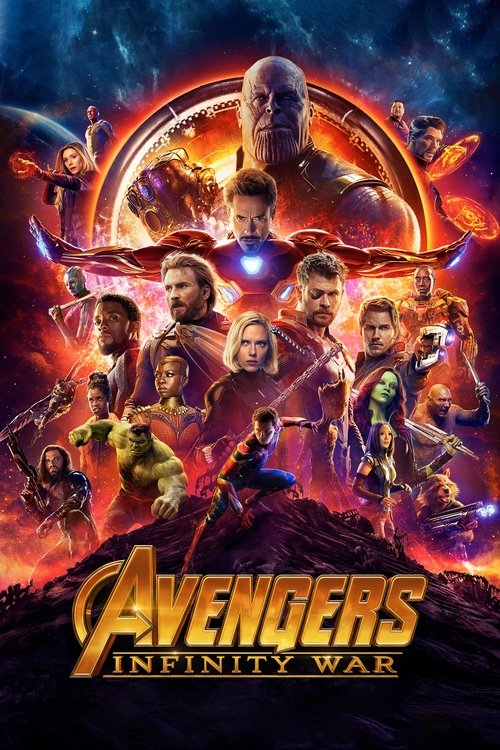
- →Avengers: Infinity War (2018)
- →Aquaman (2018)
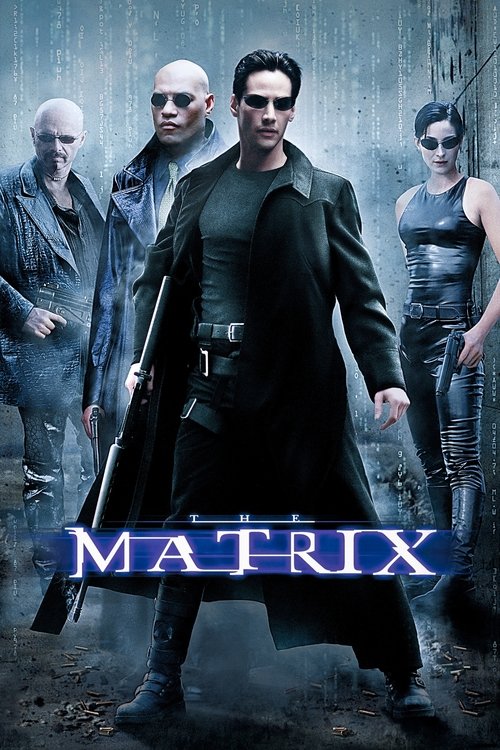
- →The Matrix (1999)
- →Snowpiercer (2013)
- →Black Panther (2018)
- →Spider-Man: Homecoming (2017)
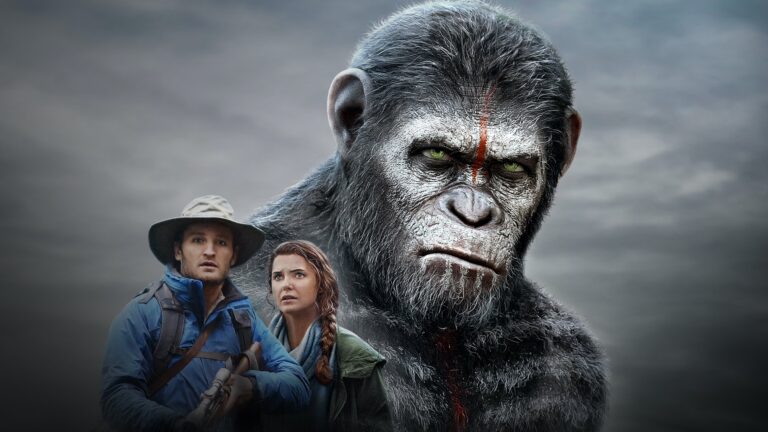
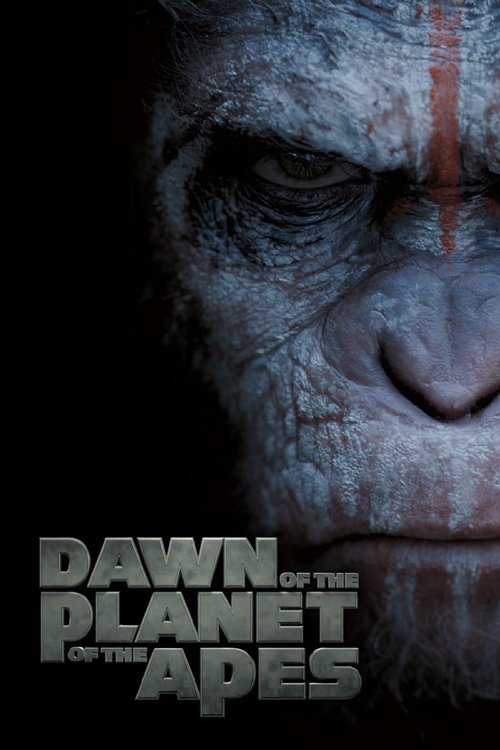
- →Dawn of the Planet of the Apes (2014)
- →Princess Mononoke (1997)
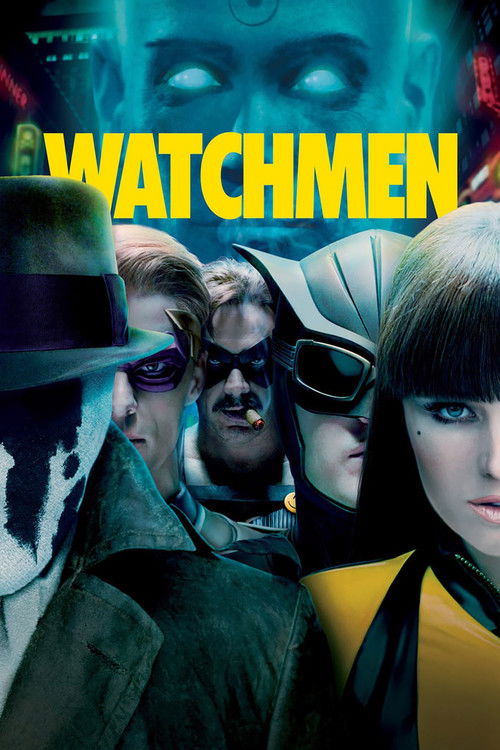
- →Watchmen (2009)
- →The Cabin in the Woods (2012)
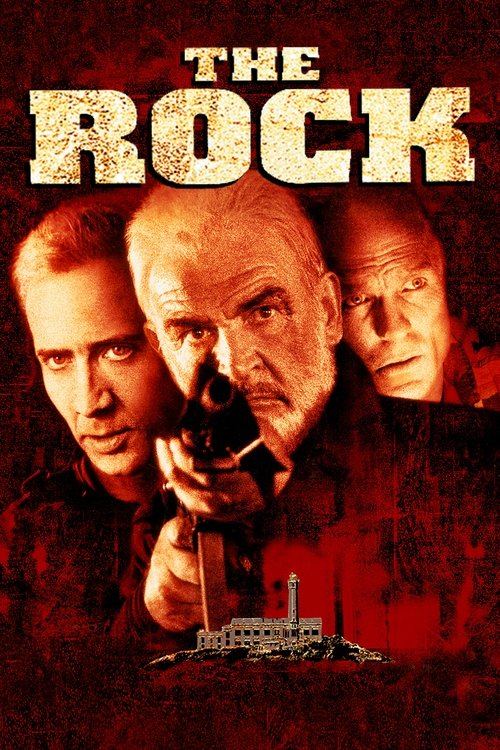
- →The Rock (1996)
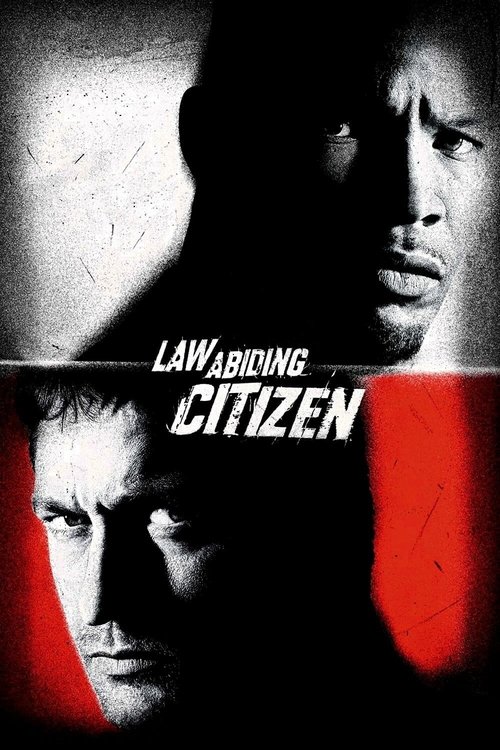
- →Law Abiding Citizen (2009)
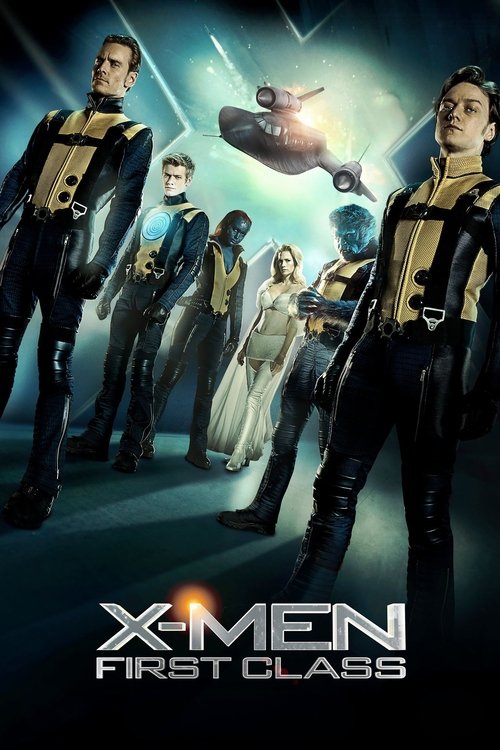
- →X-Men: First Class (2011)
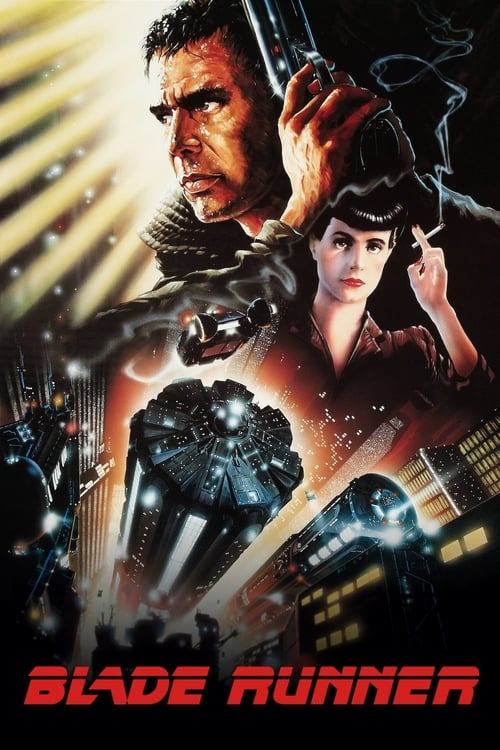
- →Blade Runner (1982)
Best Movies Where the Villain Makes A Good Point





The evolution of modern cinema has proven that audiences are no longer satisfied with simple tales of black and white morality. The most memorable cinematic experiences occur in the gray areas, where a beautifully written script and a powerhouse performance force us to question everything. When a film allows its primary adversary to stand their ground and make a good point, it elevates the stakes from mere physical survival to an ideological battle for the soul of the story.
Why do audiences love sympathetic villains?
Audiences are naturally drawn to sympathetic villains because they reflect the complexities of the real world. A one-dimensional evil entity offers no intellectual challenge. When a villain possesses a tragic backstory or a logical grievance, it engages the viewer’s empathy and forces them to weigh the antagonist’s valid motivations against their destructive actions.
What defines morally grey characters in cinema?
Morally grey characters are defined by their refusal to fit neatly into the archetypes of pure hero or pure villain. They operate in the murky middle ground of ethics. These characters often pursue noble or understandable goals (like protecting their people or saving the environment) but utilize ruthless, unforgivable, or controversial methods to achieve them.
How does a director show the antagonist was right without ruining the hero?
Masterful filmmakers prove the antagonist was right about a specific issue without necessarily endorsing their violent methods. The hero typically acknowledges the villain’s valid grievance but vehemently opposes the collateral damage required by the villain’s plan. This dynamic often forces the hero to evolve, adopting a better, more humane solution to the problem the villain correctly identified.