Hollywood has a recycling problem, and usually, it smells like desperation. For every creative reinvention, we endure a dozen soulless cash grabs that trade on nostalgia rather than artistic merit. As a critic, I approach the word “reboot” with a healthy dose of skepticism because it often signals a studio running on fumes. However, there are rare exceptions where a filmmaker takes a dusty property and doesn’t just polish it but completely deconstructs it to build something superior.

These aren’t just retreads; they are corrections. The best movie reboots better than the original works succeed because they understand the core potential of the source material better than the first attempts did. Whether it is stripping away camp to find the horror underneath or updating the politics for a modern era, these films prove that sometimes the second take is the one that actually counts. Here are eight times the remake wasn’t just good, but arguably the definitive version.

1

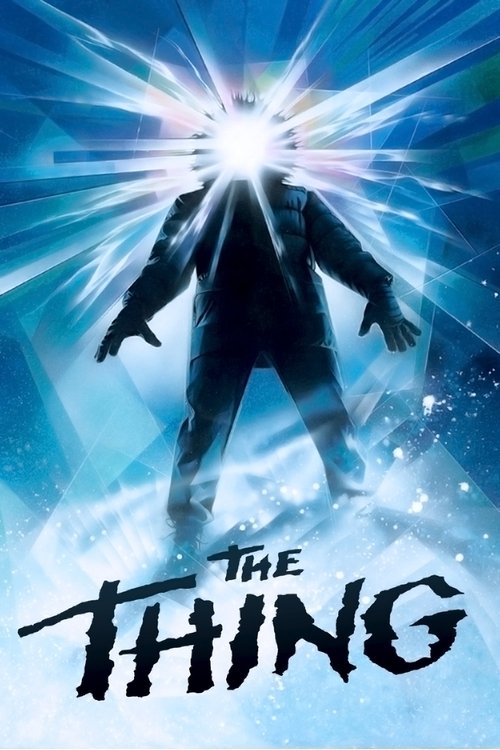
The Thing

1982 • Horror, Mystery
8.1
John Carpenter’s masterpiece is the gold standard for how to execute a remake. While the 1951 original The Thing from Another World was a competent Cold War allegory, Carpenter returned to the source novella to unleash a paranoia-fueled nightmare that transcends genre. Rob Bottin’s practical effects remain unsurpassed, creating visceral body horror that CGI still struggles to replicate decades later. But the true brilliance lies in the nihilism; Carpenter traded the original’s triumph of science for a claustrophobic study of distrust where the enemy could be anyone. It was critically savaged upon release, but history has vindicated it as one of the greatest horror films ever made.
Read More
2

The Fly

1986 • Horror, Science Fiction
7.4
David Cronenberg did not just remake a 1950s creature feature; he transformed it into a tragic opera about disease and decay. The 1958 original is a fun mystery with a guy in a fly mask, but Cronenberg’s version is a deeply upsetting romance anchored by Jeff Goldblum’s career-best performance. The film uses the sci-fi premise as a vehicle to explore the fragility of the human body, turning the protagonist's transformation into a slow, painful loss of self rather than a sudden monster reveal. It is disgusting, heartbreaking, and philosophically rich in a way that elevates it far above its B-movie roots.
Read More
3

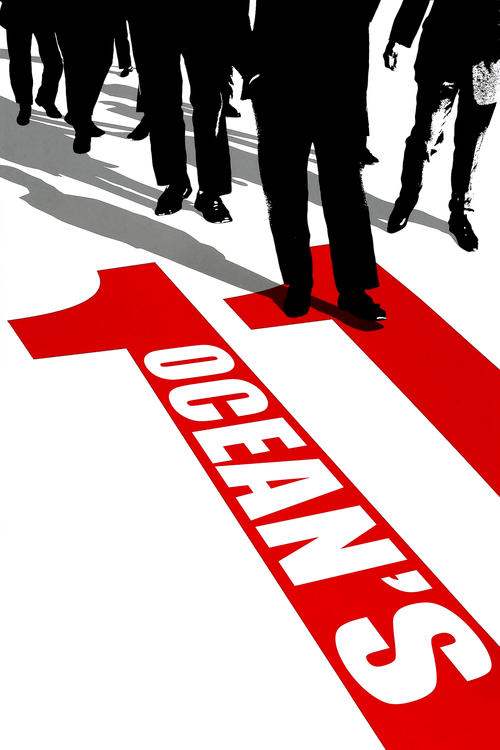
Ocean’s Eleven

2001 • Crime, Thriller
7.5
The 1960 Rat Pack original is famous for being a movie where Frank Sinatra and his buddies hung out on set, but as a film, it is actually quite sluggish. Steven Soderbergh’s update injected the premise with kinetic energy, a jazzy score, and a script that crackled with genuine wit. This is the epitome of "cool" cinema, where the chemistry between Clooney, Pitt, and Roberts feels effortless rather than indulgent. Soderbergh understood that a heist movie needs to be as slick as the con itself, resulting in a blockbuster that values style as a form of substance.
Read More
4

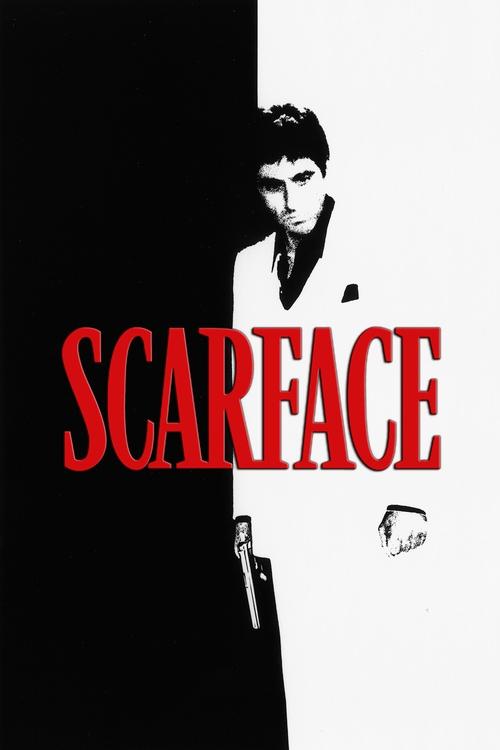
Scarface

1983 • Action, Crime
8.2
Brian De Palma took a 1932 Chicago gangster morality tale and exploded it into a neon-soaked Greek tragedy set in Miami. While the original is a solid pre-Code crime film, De Palma’s version became a pop culture monolith by embracing excess in every frame. Al Pacino’s Tony Montana is not just a criminal; he is the dark side of the American Dream personified, fueled by cocaine and hubris. The operatic violence and Giorgio Moroder’s synth score created a vibe so distinct that it influenced hip-hop culture and crime cinema for the next forty years.
Read More
5

True Grit

2010 • Adventure, Drama
7.3
It takes guts to remake a film that won John Wayne his only Oscar, but the Coen Brothers pulled it off by staying faithful to Charles Portis’s novel rather than the 1969 film. Roger Deakins’s cinematography paints the West not as a romantic playground but as a bleak, beautiful wasteland. The secret weapon here is Hailee Steinfeld, whose Mattie Ross is the true steel-spined protagonist, contrasting perfectly with Jeff Bridges’s unintelligible yet poetic Rooster Cogburn. The Coens stripped away the sentimentality of the original to reveal a somber meditation on violence and retribution.
Read More
6

Casino Royale

2006 • Action, Adventure
7.6
After the invisible cars and CGI surfing of the Brosnan era, the Bond franchise was on life support. Casino Royale was a defibrillator shock to the chest, stripping 007 down to a blunt instrument. Daniel Craig brought a physicality and vulnerability to the role that had been missing since the Connery days, presenting a Bond who could bleed, fail, and have his heart broken. Martin Campbell’s direction favored brutal, tactile stunts over gadgetry, proving that a spy thriller could be grounded without losing the escapist allure. It wasn't just a reboot; it was a resurrection.
Read More
7

Dune

2021 • Adventure, Science Fiction
7.8
David Lynch’s 1984 adaptation is a fascinating failure, but Denis Villeneuve finally cracked the code of Frank Herbert’s unfilmable novel. Villeneuve understood that Dune is not about dialogue-heavy exposition; it is about scale and atmosphere. By splitting the book in two and trusting the audience to follow the visual storytelling, he captured the feudal majesty and religious dread of Arrakis. The sound design alone does more world-building than the entirety of the 1984 film’s internal monologues, creating a sci-fi epic that feels ancient and tactile rather than kitschy.
Read More
8

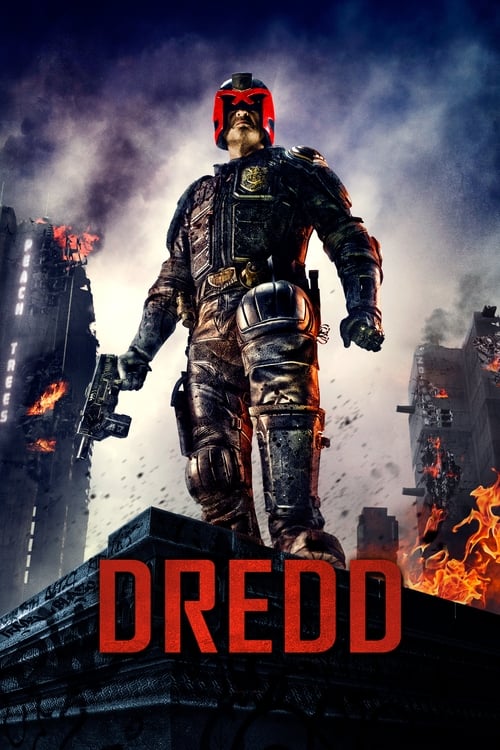
Dredd

2012 • Action, Science Fiction
6.9
Sylvester Stallone’s 1995 Judge Dredd was a tonal disaster that misunderstood the satirical bite of the comic, famously having the character remove his helmet to show off the star's face. The 2012 reboot corrected this with a ruthless efficiency, keeping Karl Urban’s helmet on for the entire runtime. It is a lean, mean, brutalist action movie that captures the fascism and grime of Mega-City One without holding the audience's hand. It ignored the need for a sprawling origin story and instead dropped us directly into a day in the life of a heavily armed lawman, resulting in a cult classic that deserved far better box office returns.
Read More

The Future of the Reboot

Is Originality Dead?

As we look at the current landscape of streaming wars and franchise fatigue, the reboot machine shows no signs of slowing down. However, the audience has become smarter; we can smell a cynical cash grab from a mile away. The success of films like Dune and Mad Max: Fury Road proves that we don’t hate reboots we hate laziness. When a filmmaker uses a familiar IP as a Trojan horse to deliver bold, auteur-driven cinema, the distinction between “original” and “remake” becomes irrelevant.

The future belongs to the reinterpreters, not the tracers. If studios want to mine their libraries, they need to hand the keys to visionaries who are willing to break the toys rather than just polish them. We don’t need another shot-for-shot remake of a classic; we need artists brave enough to look at a beloved property and say, “I can do this better.”