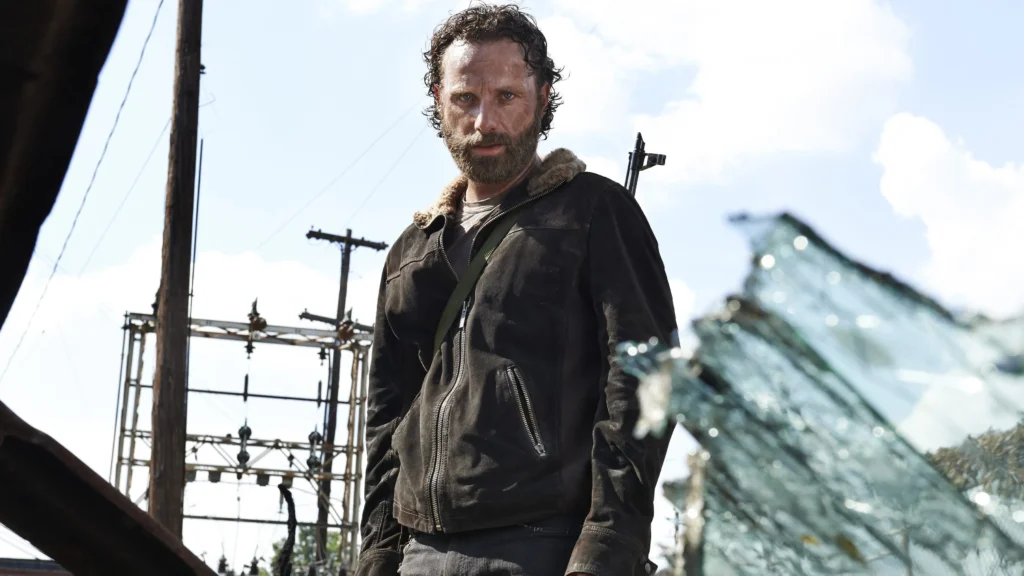

Television shows are resilient creatures. They survive budget cuts, showrunner changes, network shuffles, even entire seasons that fans pretend never happened. But there’s one thing that can quietly, irreversibly break a series: losing the wrong character. Not necessarily the lead. Not always the fan favorite. Sometimes it’s the character you didn’t fully appreciate until they were gone, the one who provided structural integrity rather than spotlight moments.
When these departures happen, the damage isn’t immediate or obvious. Critics might praise the show’s “bold new direction.” Producers promise the story will “honor the character’s legacy.” But something fundamental shifts. The show doesn’t just lose a character. It loses its center of gravity, its moral compass, or the specific chemistry that made everything else work. What follows isn’t always a spectacular crash. Sometimes it’s worse: a slow fade into mediocrity, where the show technically continues but spiritually ends.
We’ve seen this pattern repeat across genres and decades. Sometimes the actor chooses to leave. Sometimes behind-the-scenes circumstances force the departure. Sometimes creative decisions push a character out in pursuit of “evolution” that turns out to be demolition. The reasons vary, but the result is consistent: the show that remains is a fundamentally different creature, and not in a good way. These are the series that never recovered from losing the one character they couldn’t afford to lose.
-
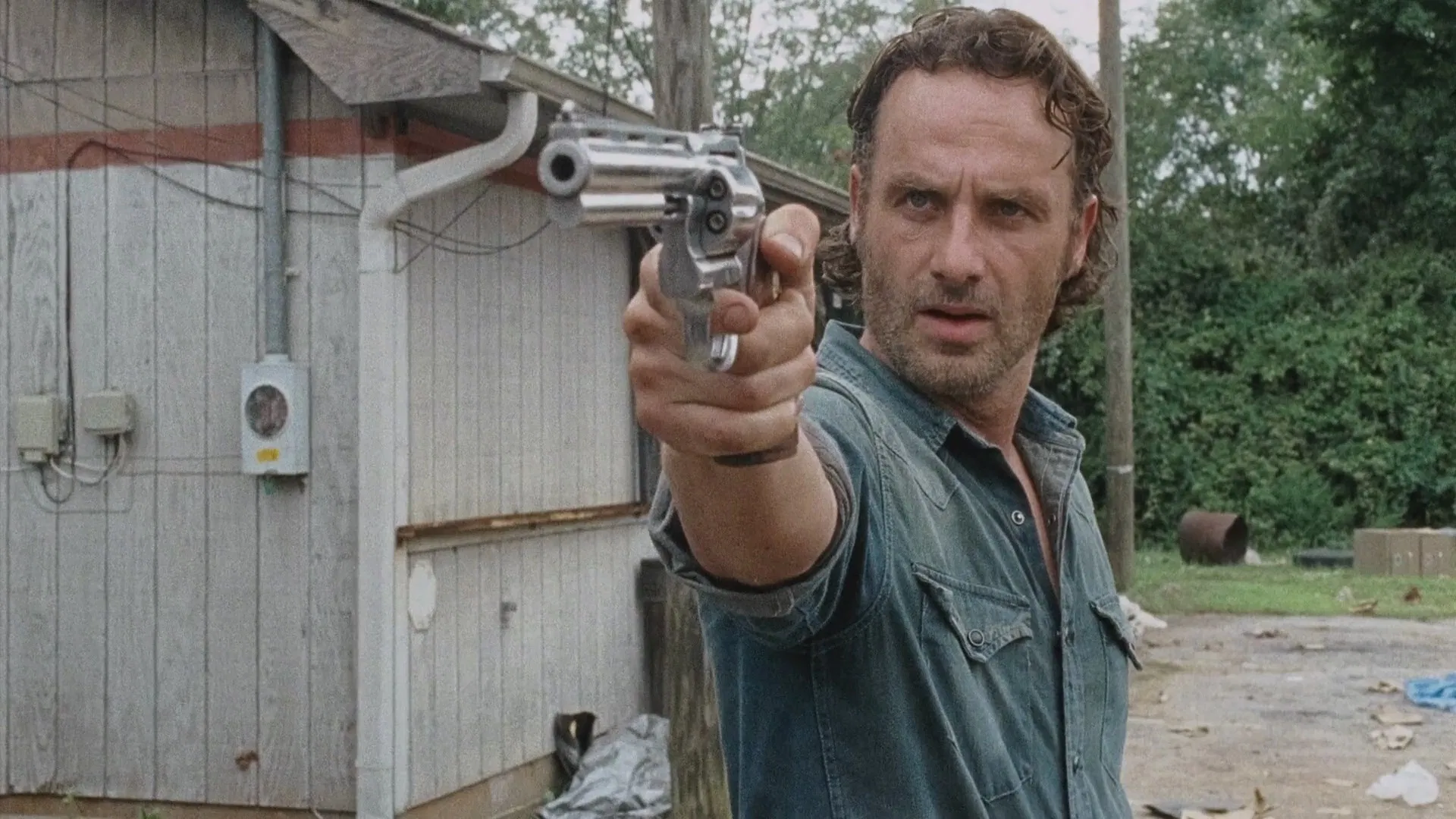
1 The Walking Dead: When the Moral Center Walks Away
Lions Gate
Character Lost: Rick Grimes
Let's address the elephant in the apocalypse: The Walking Dead was already uneven before Andrew Lincoln's departure in Season 9. The show had survived cast changes before, weathered controversial storylines, and bounced back from viewer fatigue. But Rick Grimes wasn't just another character. He was the show's philosophical anchor, the voice asking the questions that made survival matter beyond mere mechanics.
After Rick's exit, something subtle but devastating happened. The conflicts became repetitive without his presence to invest them with meaning. Leadership transformed from a character-driven burden into an abstract concept passed between increasingly interchangeable figures. The Whisperers arc had impressive practical effects, but it turned zombie survival into pure spectacle rather than moral examination. The Commonwealth storyline delivered complex world-building without the central figure who once made us care why civilization mattered.
The show's longevity proves you can continue without your lead. Its declining cultural impact proves you shouldn't. The Walking Dead kept asking how people survive but stopped interrogating why survival matters, which was always Rick's essential function. He wasn't perfect, he made devastating mistakes, but his journey gave the horror meaning. Without him, the show became technically proficient but emotionally hollow, a zombie of its former self.
-
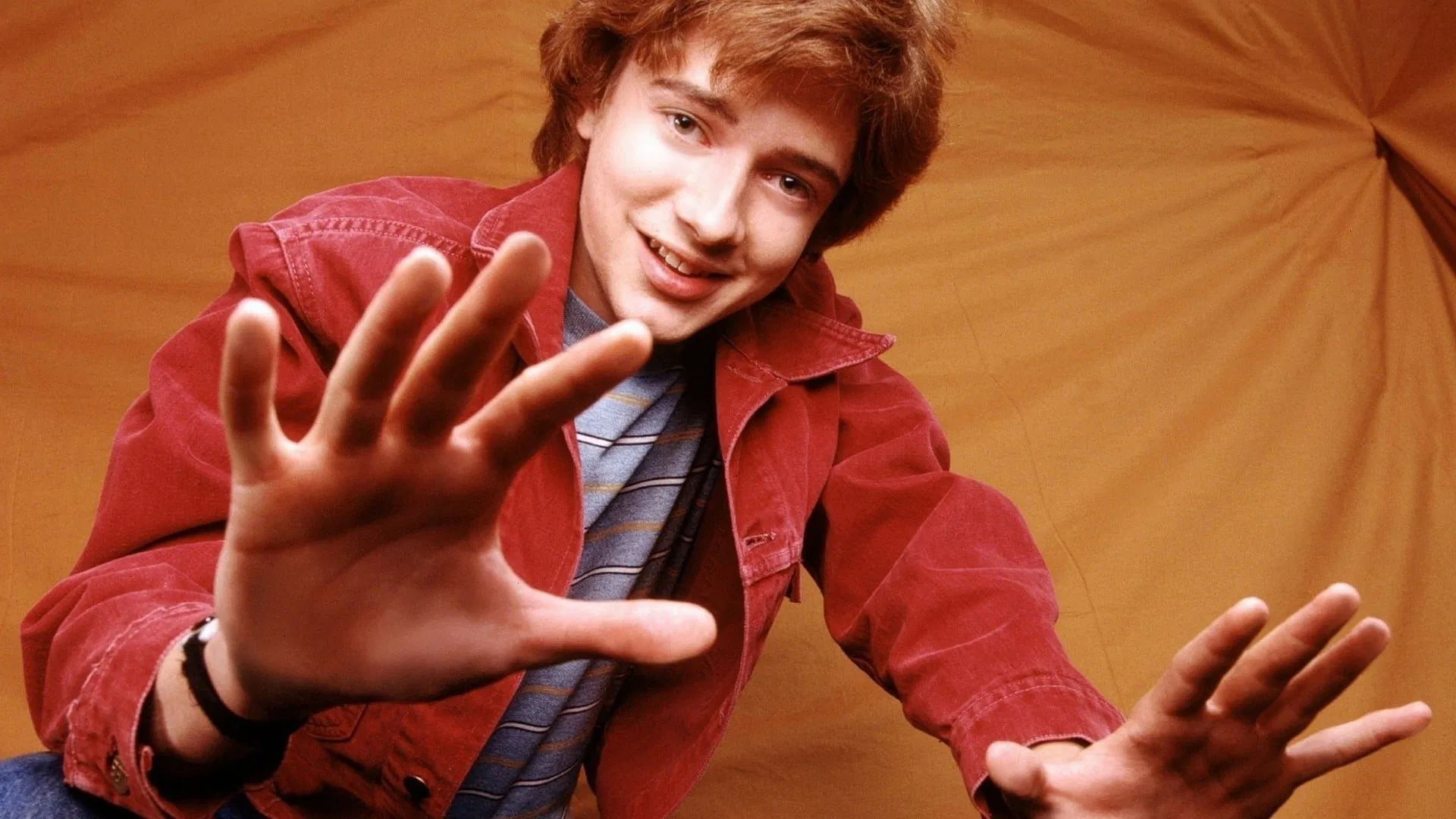
2 That '70s Show: Losing the Necessary Counterweight
Carsey-Werner
Character Lost: Eric Forman
Here's what many fans miss about Eric Forman's departure: he wasn't the funniest character. He wasn't the most popular. But Topher Grace's presence provided something irreplaceable, the emotional counterweight that made That '70s Show's sitcom formula actually work. Red Forman, one of television's greatest comedic creations, needed Eric's anxious earnestness to fully function. Their dynamic was the show's spine.
Season 8 tried valiantly to compensate. Josh Meyers joined as Randy Pearson, a character designed to fill Eric's structural role. The writers leaned harder into Kelso's absurdist humor, expanded Fez's screen time, and gave Donna more agency. On paper, these were reasonable adjustments. In practice, they exposed how much Eric's specific energy had held together disparate comedic styles.
Red's devastating one-liners lost their context without a son to terrorize with reluctant affection. The basement scenes, once the show's gravitational center, became louder and broader without Eric's relatable perspective. The group dynamic wasn't just missing a member, it was missing its reason to cohere. That '70s Show spent seven seasons building toward Eric and Donna's future together, then had to pretend that narrative didn't matter. The show didn't technically end when Eric left, but its emotional continuity did.
The series finale brought Topher Grace back for closure, which only highlighted the void his absence had created. You felt the relief when Eric walked back into frame, proof that some characters aren't replaceable because they were never meant to be.
-
3 Vikings: When Mythology Becomes Mere Spectacle

History
Character Lost: Ragnar Lothbrok
Vikings made a bold creative gambit: kill your charismatic lead at the show's midpoint and continue the saga through his sons. In theory, this honored historical authenticity, Ragnar's story naturally concluded, and Michael Hirst's vision could expand into generational epic. In practice, the show revealed how much of its identity was tied to Travis Fimmel's mercurial performance.
Ragnar wasn't just the protagonist. He was the philosophical question mark that drove the show's exploration of faith, ambition, and cultural collision. His death in Season 4 was earned and powerful, but what followed exposed the structural problem. His sons, Bjorn, Ivar, Ubbe, and Hvitserk, each inherited fragments of Ragnar's complexity without anyone possessing his gravitational pull. The narrative splintered into competing storylines that rarely achieved the cohesion earlier seasons maintained.
The Great Heathen Army's invasion of England delivered spectacular battle sequences. Ivar's ruthless intelligence made him compellingly monstrous. But the show's mythology shifted from intimate character exploration to historical pageantry. Bigger battles, more elaborate production design, increasingly complex political maneuvering, and yet somehow, a smaller soul. The dialogue lost Ragnar's poetic curiosity. The religious tension became background texture rather than driving force.
This wasn't immediate collapse. Seasons 5 and 6 had powerful moments, and Katheryn Winnick's Lagertha continued delivering compelling performances. But Vikings gradually transformed from character-driven historical drama into spectacle-driven action series. Ragnar's absence left a vacuum not just of screen presence but of thematic purpose. His sons fought for kingdoms; Ragnar fought with ideas. That's not a battle you can win with better cinematography.
-
4 The Office: When Safe Replaces Necessary Chaos
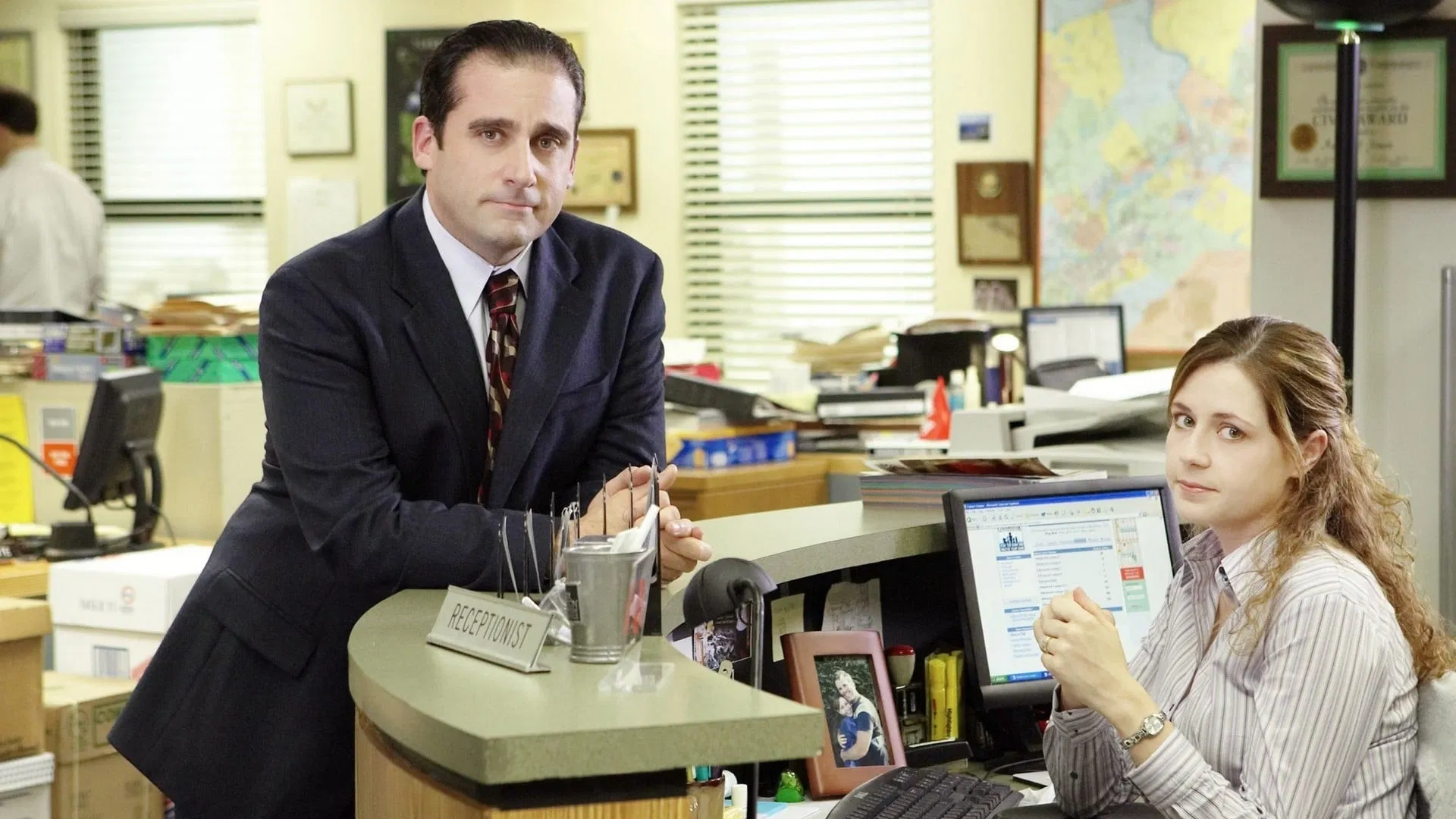
NBC
Character Lost: Michael Scott
Let's navigate this carefully, because defending The Office's post-Michael seasons risks mob justice from disappointed fans, while criticizing them invites equally passionate defenders. Here's the nuanced truth: Season 8 and 9 contained genuinely good episodes. The Florida arc had energy. Robert California was fascinatingly weird. The finale delivered emotional closure. And yet, Steve Carell's departure fundamentally altered the show's DNA in ways that made it technically competent but spiritually different.
Michael Scott wasn't just comic relief or the bumbling boss archetype. He was the chaos factor that made everyone else's sanity feel earned. He was the emotional engine whose desperate need for validation created the show's heart. He was the reason The Office could swing from cringe comedy to genuine pathos within single episodes. His specific brand of misguided sincerity made the show's sweetness feel authentic rather than manipulative.
Without Michael, The Office became safer, softer, and more conventionally sentimental. The mockumentary format continued, but the interviews lost their confessional urgency. The Jim and Pam relationship drama, once a subplot that Michael's antics kept grounded, became central and occasionally tedious. Andy's transformation into the new manager never quite worked because he was written as Michael-lite rather than as his own force of nature. The show leaned into will-they-won't-they dynamics (Dwight and Angela, Erin and Pete) without Michael's presence to balance romance with absurdity.
The decline was subtle enough that many viewers didn't consciously register it, which actually made it worse. This wasn't a spectacular failure that generated hate-watching energy. It was gradual diminishment, the show slowly becoming a pleasant but unremarkable workplace sitcom that happened to have great characters. When Michael Scott left Dunder Mifflin, he didn't just leave Scranton. He took the show's courage to be uncomfortable, its willingness to let sincerity emerge from catastrophic social failures, and its understanding that chaos isn't the enemy of heart.
-
5 The X-Files: Belief Without a Believer
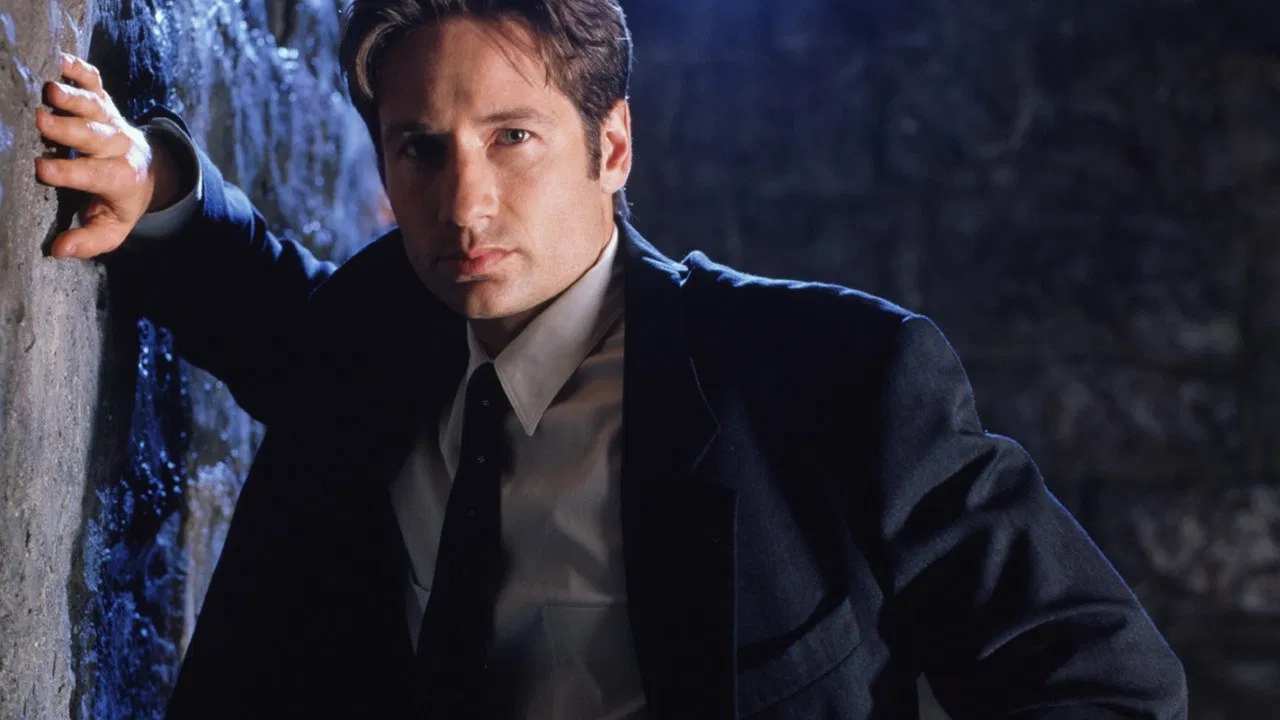
FOX
Character Lost: Fox Mulder
The mythology of The X-Files was always bigger than Fox Mulder. The conspiracy spanned decades, involved multiple governments, and implicated entire systems of power. So when David Duchovny reduced his involvement in Seasons 8 and 9, becoming a recurring character rather than the lead, the show's infrastructure theoretically remained intact. The truth was still out there. Scully was still investigating. New agents brought fresh energy. On paper, the transition should have worked.
But The X-Files was never really about the mythology. It was about obsession, the specific mania that drove Mulder to chase patterns everyone else dismissed. He wasn't just investigating conspiracies; he was trying to make sense of his sister's disappearance, to prove his sanity, to find meaning in chaos. That emotional engine gave the alien storylines weight beyond sci-fi plot mechanics. When he left, the show's emotional anchor disappeared even as its narrative continued.
Agents Doggett and Reyes, played by Robert Patrick and Annabeth Gish, were well-acted characters with potential. But they entered a show structurally built around Mulder and Scully's specific dynamic: the believer and the skeptic, faith and science in constant productive tension. Without Mulder, Scully shifted from skeptic to believer, which made narrative sense but removed the show's central debate. The new agents felt disconnected from the mythology's stakes because they lacked Mulder's personal investment.
The monster-of-the-week episodes, often The X-Files' strongest material, continued with quality. But the conspiracy episodes became procedural rather than passionate. The show kept asking what the truth was without Mulder's manic energy demanding why it mattered. When The X-Files returned for its revival seasons, Duchovny's presence immediately restored something essential, proof that you can survive without your believer but you can't thrive.
-
6 Two and a Half Men: Identity Erasure Disguised as Evolution
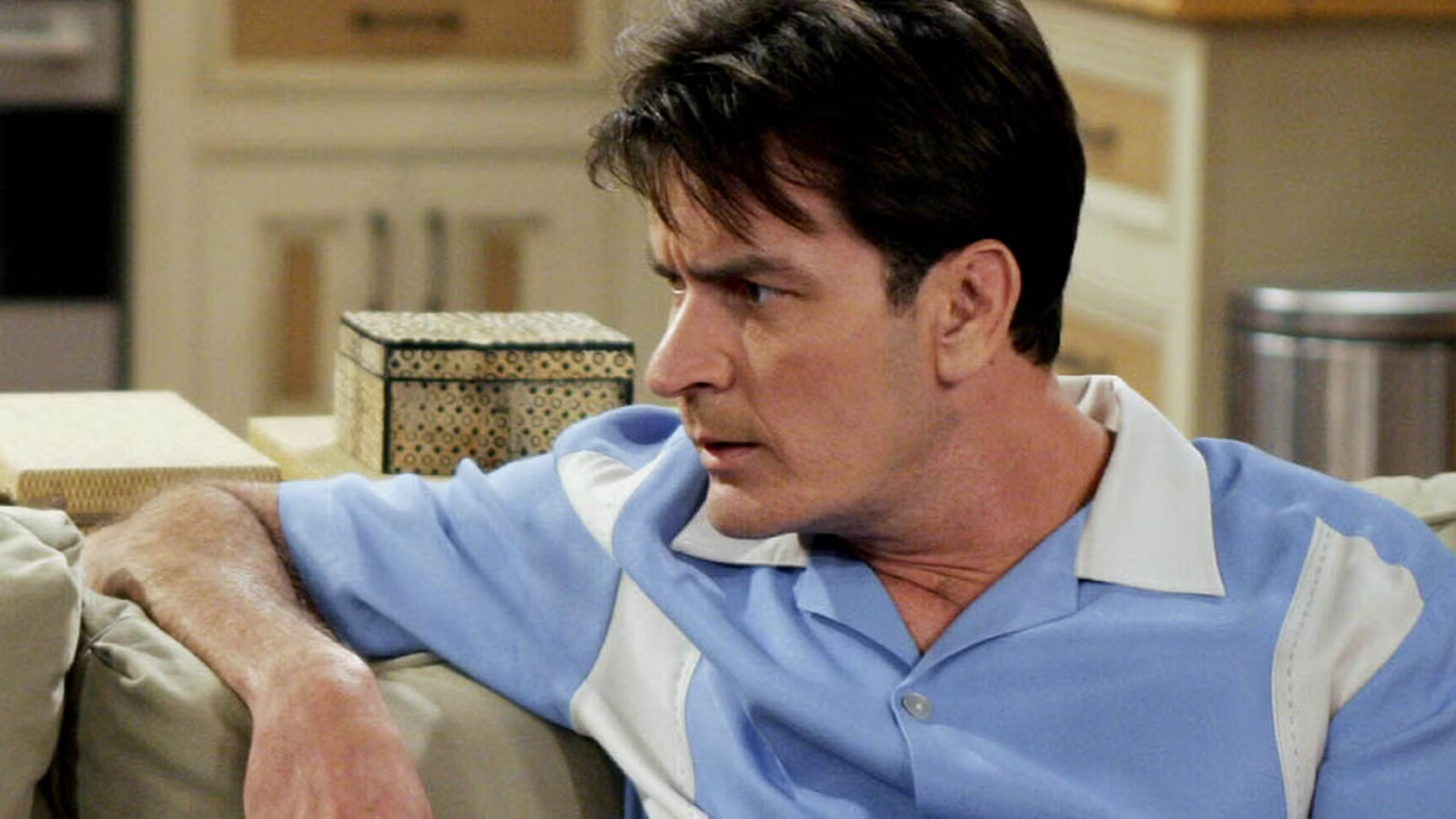
CBS
Character Lost: Charlie Harper
Let's be direct: Two and a Half Men losing Charlie Sheen wasn't a creative decision, it was a necessity born from off-screen chaos. The show couldn't continue with Sheen after the very public fallout with creator Chuck Lorre. But understanding why the change happened doesn't make what followed any less jarring. Hiring Ashton Kutcher to play Walden Schmidt wasn't evolution. It was identity erasure disguised as reinvention.
Charlie Harper was the show's engine. His shallow, self-centered hedonism created the comedy, while his occasional glimpses of vulnerability created stakes. The formula was simple: Charlie's lifestyle disrupted by Alan's parasitic presence and Jake's childhood, with all three characters reflecting different approaches to masculinity and failure. The show knew what it was, cynical comfort food that didn't pretend to be more.
Walden Schmidt represented a complete tonal shift. Where Charlie was aggressively uncomplicated, Walden was sensitive and emotionally available. Where Charlie's wealth came from jingles and residuals, Walden was a tech billionaire with seemingly infinite resources. The premise didn't just change, it inverted. Two and a Half Men became a show about a sad rich man looking for connection while Alan continued being Alan, which removed the original show's entire point.
The awkwardness peaked in the series finale, which spent its energy on meta-commentary about Sheen's departure rather than providing closure for the characters who remained. The show didn't adapt to Charlie's absence. It pretended nothing fundamental had changed while changing everything. Viewers weren't watching evolution; they were watching a reboot that kept the title and location but jettisoned the identity. You can replace an actor. You can't replace the entire reason a show exists.
-
7 House of Cards: When the Manipulator Leaves the Manipulation
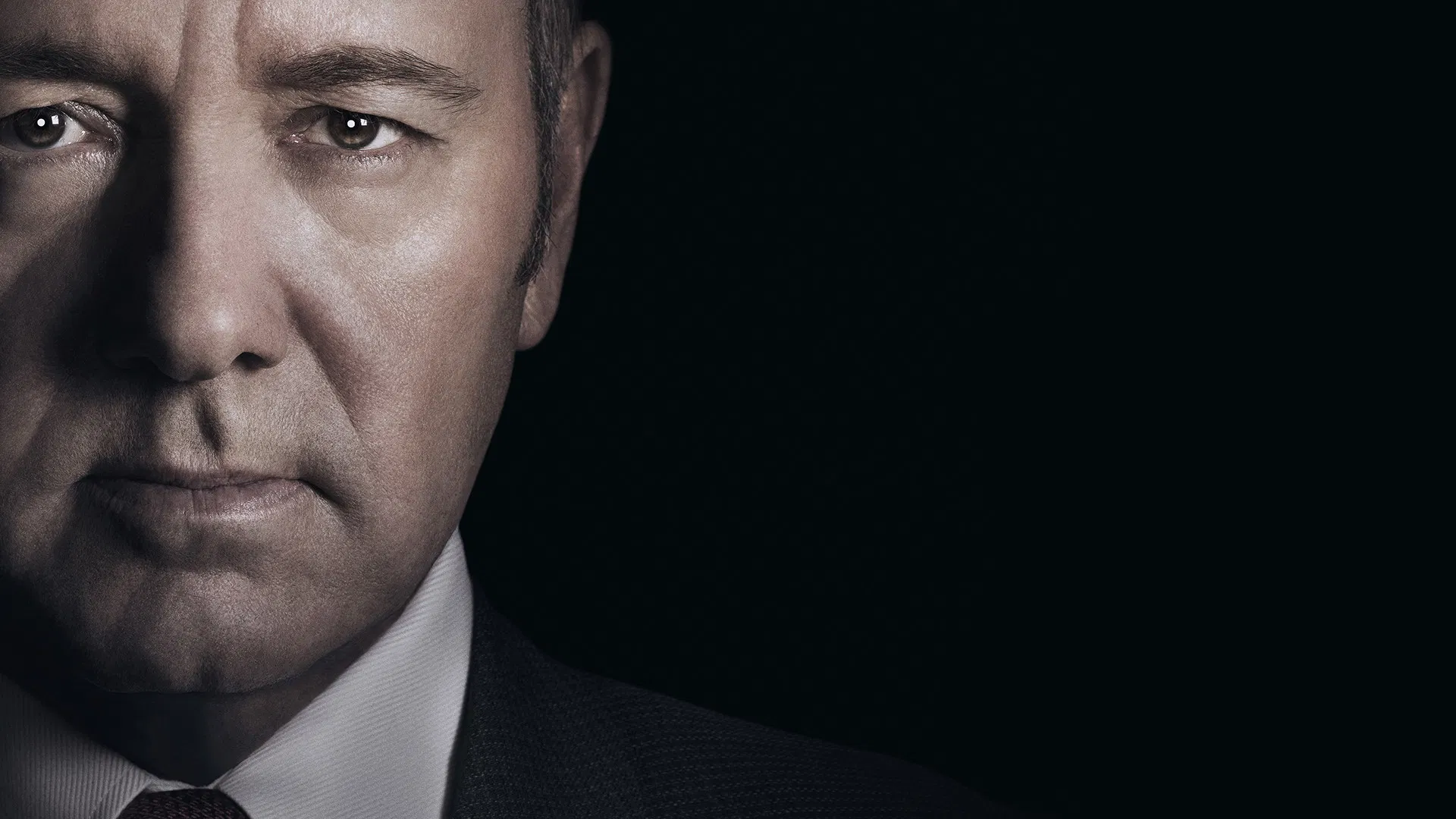
Netflix
Character Lost: Frank Underwood
The circumstances of Kevin Spacey's removal from House of Cards were necessary and appropriate given the serious allegations against him. But the creative challenge the show faced afterward was unprecedented: continue a series entirely built around one character's Machiavellian brilliance when that character cannot appear. The final season's attempt to pivot to Claire Underwood's story wasn't unsuccessful because of Robin Wright's performance, which remained excellent. It failed because House of Cards had nothing to say without Frank.
Frank Underwood was the show's manipulative core, its narrative gravity, its reason to exist. The direct-address fourth-wall breaks weren't just a stylistic choice; they were the show's acknowledgment that we were complicit in his schemes, seduced by his intelligence even as we recognized his monstrosity. Every storyline, every power play, every shocking murder existed in relation to Frank's ambitions. Claire was fascinating as his partner and eventual rival, but their dynamic was the story.
Season 6 tried to position Claire's ascendance as empowerment, the woman finally escaping the man's shadow and wielding power on her own terms. But the show had spent five seasons establishing that the Underwoods' power came from their partnership's twisted synergy. Without Frank, Claire wasn't liberated; she was narratively stranded. The final season's convoluted plotting around Frank's off-screen death, the rushed introduction of new antagonists, and the unclear stakes all pointed to one uncomfortable truth: the show had nothing to say about power without its power-hungry protagonist.
This wasn't a story about what happens when the manipulator exits the game. It was narrative scrambling, an attempt to justify the show's continuation when its foundation had been removed. House of Cards didn't just lose its lead character. It lost its thematic purpose, its stylistic identity, and its reason for us to keep watching.
-
8 Game of Thrones: The Adult Left the Room
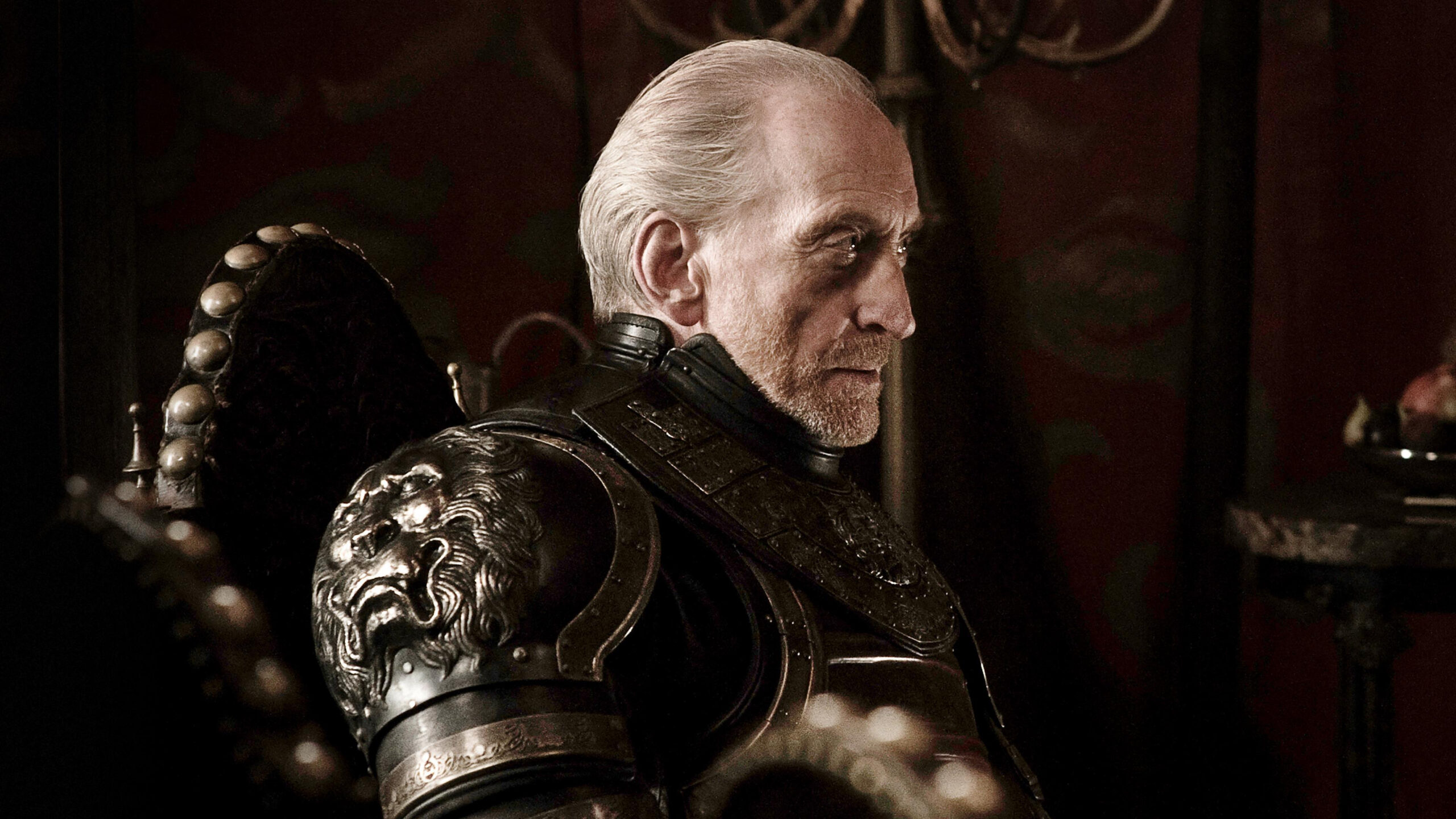
HBO
Character Lost: Tywin Lannister
Here's where the fan debates ignite, because suggesting Game of Thrones' decline began in Season 4 rather than Season 8 is heresy to some and obvious truth to others. But consider this: after Charles Dance's Tywin Lannister died on a toilet in the Season 4 finale, Game of Thrones slowly but steadily lost something essential. Not immediately. Not obviously. But irrevocably.
Tywin wasn't the protagonist. He wasn't even necessarily a fan favorite, too cold and calculating for easy attachment. But he was the adult in the room, the character whose political intelligence justified the show's chess-match complexity. Every conversation Tywin had crackled with subtext, power dynamics, and strategic calculation. He made other characters smarter by proximity because they had to be to survive him. His presence elevated Game of Thrones' political intrigue from medieval soap opera to legitimate exploration of power's nature.
After his death, something shifted in the show's dialogue and political dynamics. Tyrion, once the sharpest mind in Westeros, made increasingly questionable strategic decisions. The small council scenes lost their intellectual bite. Political tensions simplified into good versus evil rather than competing legitimate interests. Cersei became a cartoonish villain rather than a complex antagonist. The show had villains left, Ramsay Bolton, the High Sparrow, Euron Greyjoy, but it lost the sophisticated political operator who made villainy feel calculated rather than sadistic.
The Long Night was coming, which narratively justified simplifying political conflicts into existential survival. But that shift also conveniently masked how much the show's political complexity had eroded. By the time Season 8's rushed plotting and character assassinations arrived, the foundation had already weakened. The chessboard remained, the pieces still moved, but the grandmaster who once made us believe everyone was playing four-dimensional chess was gone. What remained were players making moves that felt increasingly motivated by plot necessity rather than character logic.
This isn't about blaming Charles Dance's departure for every subsequent problem. It's recognizing that certain characters provide structural integrity that isn't obvious until they're gone. Tywin Lannister was Game of Thrones' guarantee that political maneuvering would remain intelligent and consequential. Without him, the show had to work much harder to maintain that standard. And increasingly, it didn't.
Why One Character Can Break Everything
Television writing is chemistry, not mathematics. You can’t calculate which characters are expendable versus essential by screen time, plot importance, or fan polls. Some characters stabilize an entire show’s tone without viewers consciously registering their function. They’re the glue, not the spotlight. The foundation, not the facade.
When these characters leave, shows don’t instantly collapse. That would almost be easier to diagnose and accept. Instead, they drift. The writing becomes slightly less sharp. The emotional stakes feel slightly more manufactured. The show continues producing episodes that are technically competent but spiritually different. Audiences feel the change before critics articulate it, reflected in gradually declining ratings, increasingly divided fandom responses, and that indefinable sense that the show isn’t quite itself anymore.
Chemistry isn’t replaceable. You can hire talented actors, write compelling new characters, and invest in fresh dynamics. But the specific alchemy that made the original ensemble work can’t be reverse-engineered. Narrative authority matters. Some characters carry weight that makes everyone around them feel more substantial. Remove them and the entire world feels lighter, less consequential. Tonal stability is fragile. When the character who unconsciously balanced a show’s tone leaves, that balance doesn’t automatically transfer to someone else.
These eight shows prove that sometimes the most important character isn’t the lead, the fan favorite, or the most frequently featured player. Sometimes it’s the one whose absence reveals how much they were holding together. And by the time everyone realizes what’s been lost, it’s too late to get it back.