The best cyber-noir movies trade clean futures for grimy ones. Where mainstream sci-fi sells utopia, this hybrid genre keeps the trench coats, the rain, the moral compromise, and the femme fatales of 1940s Warner Bros. crime pictures, then drops them into neon-saturated megacities where corporations have replaced the mob and reality itself is up for negotiation. From Ridley Scott’s foundational text to recent Korean Netflix releases nobody talked about enough, the genre has been quietly producing some of the most thoughtful, atmospheric, philosophically loaded films in modern cinema for over forty years.

This list cuts past the obvious picks to give you a curated cyberpunk noir lineup that respects both the noir half and the cyber half of the equation. Every entry has a hardboiled detective backbone, a moral grey zone, and a visual identity that earned its place in the canon. If you’ve ever fallen down the rabbit hole of philosophical movie villains who actually make a good point, several of these films are why that conversation exists in the first place.

What Are the Most Iconic Cyber-Noir Movies Ever?

The most iconic cyber-noir movies blend hardboiled detective stories with dystopian sci-fi visuals, and the canon is anchored by Blade Runner (1982), Ghost in the Shell (1995), and Blade Runner 2049 (2017). These films share rain-slicked megacities, identity-crisis protagonists, corporate antagonists, and the moral grey zones that define classic film noir tradition.

Best Cyber-Noir Movies

1

Blade Runner

1982 • Drama, Science Fiction
7.9
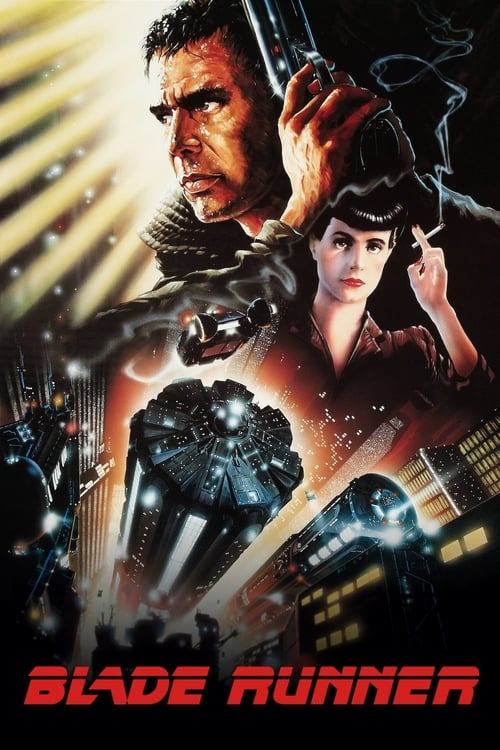
Ridley Scott's neo-noir vision set a visual ceiling filmmakers are still trying to break. Working with cinematographer Jordan Cronenweth, Scott pulled smoke, neon, and slanted shadow into compositions that read like Edward Hopper paintings dropped into 2019 Los Angeles. Harrison Ford plays Deckard with a hangdog weariness lifted straight from Philip Marlowe, while Rutger Hauer's improvised "tears in rain" monologue remains one of the few genuinely transcendent moments in studio sci-fi. The theatrical cut famously bombed, earning $33 million against costs near $30 million, but its critical reappraisal turned it into the foundational text of cyber-noir movies. Every entry that follows owes it royalties.
Read More
2

Akira

1988 • Action, Animation
7.9
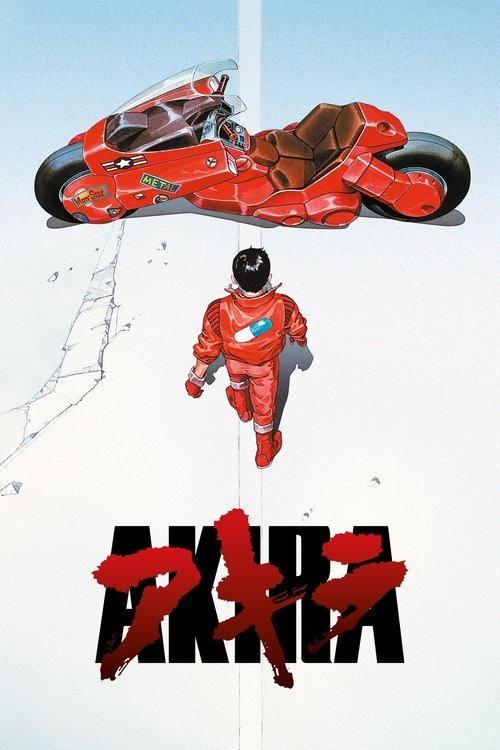
Katsuhiro Otomo spent six years and a then-record budget turning his manga into a frame-by-frame onslaught that broke Western preconceptions of animation in a single screening. Neo-Tokyo glows with corrupted neon, military jeeps tear through Shinjuku alleys, and the famous Kaneda bike slide became one of the most copied shots in modern cinema (Jordan Peele's Nope still references it). Beneath the body horror and biker gangs sits a hardboiled investigation thread, complete with informants, government conspiracies, and a city that lies to its own people. As cyberpunk noir foundations go, Akira is the one Western filmmakers spent the next three decades catching up to.
Read More
3

Ghost in the Shell

1995 • Action, Animation
7.9
Mamoru Oshii adapted Masamune Shirow's manga with a meditative patience that feels almost criminal in retrospect. Major Motoko Kusanagi spends as much time staring at her reflection in rain-soaked windows as she does dismantling rogue cyberbrains, and Kenji Kawai's chanted score turns Hong Kong-inspired skylines into something genuinely sacred. The Wachowskis famously screened it for studio executives during their Matrix pitch with the words "we want to do that for real," which alone earns Ghost in the Shell a permanent slot among iconic cyber-noir movies. The Section 9 procedural framework, hardboiled philosophical detectives questioning their own consciousness, became the template every digital investigation drama still copies.
Read More
4

Strange Days

1995 • Crime, Drama
7.0
Kathryn Bigelow directed and James Cameron co-wrote this fever dream of pre-millennium Los Angeles, and somehow it remains underseen three decades later. Ralph Fiennes plays Lenny Nero, a scumbag ex-cop hawking illegal SQUID recordings (literal first-person memory clips) as the city tilts toward Y2K chaos. The opening eight-minute robbery sequence, shot in a single virtuoso POV take, predates Children of Men by a decade and still humiliates most modern action filmmaking. Angela Bassett's Mace anchors the moral weight while race-riot subplots give this dystopian thriller a political pulse that hits harder now than in 1995. A commercial flop that aged into prophecy.
Read More
5

Dark City

1998 • Mystery, Science Fiction
7.3
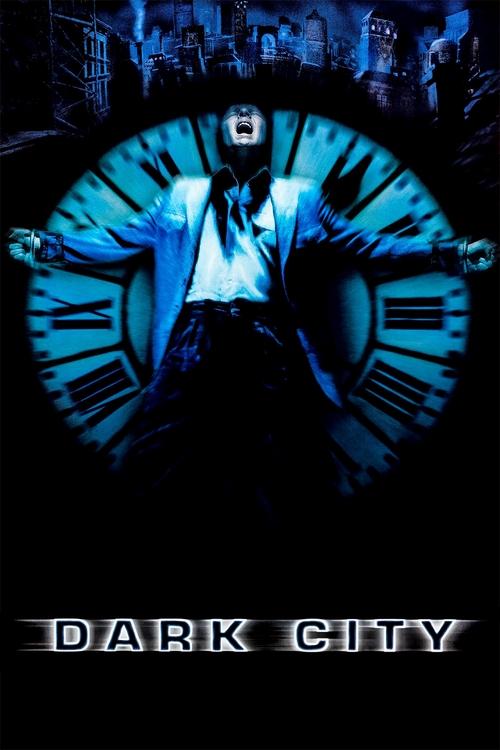
Alex Proyas released this German Expressionist fever dream just months before The Matrix and got commercially flattened for the trouble, which is one of the great injustices in modern sci-fi. Roger Ebert was so smitten he named it the best film of 1998 and recorded a feature-length commentary track. Rufus Sewell wakes up in a hotel bathtub next to a murdered woman with no memory of who he is, and Proyas turns that hardboiled noir setup loose inside a city where the architecture literally rearranges itself at midnight. Production designer George Liddle built sets that bend the eye, and Trevor Jones's brass-heavy score feels lifted straight from a 1940s Warner Bros. crime picture.
Read More
6

The Matrix

1999 • Action, Science Fiction
8.2
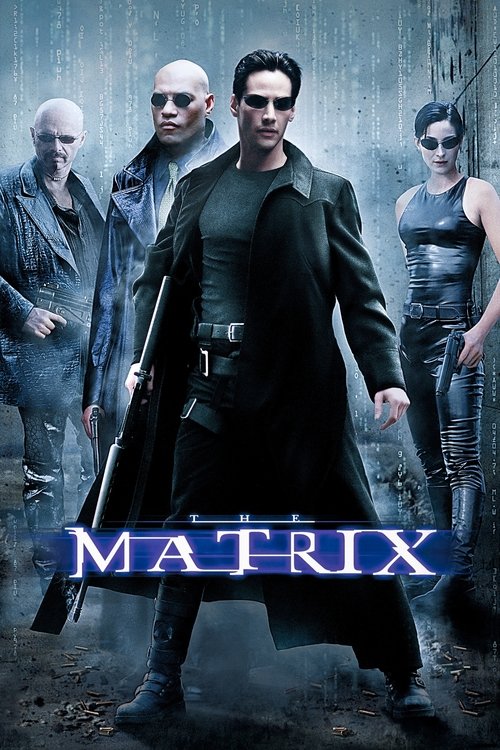
The Wachowskis spent $63 million and walked away with $467 million worldwide, four Academy Awards, and a vocabulary the entire culture still speaks. Lana and Lilly weaponized Hong Kong wire-fu, anime composition, and Jean Baudrillard simulacra theory into a black-leather cyberpunk noir that turned a green-tinted office cubicle into the most paranoid corporate environment ever filmed. Hugo Weaving's Agent Smith is the genre's defining antagonist precisely because his contempt feels earned, while the abandoned subway showdown remains a master class in fight choreography. Beneath the bullet time and PVC trench coats sits a perfectly classical noir framework: a doomed man, a femme fatale, and a city that is not what it seems.
Read More
7

Minority Report

2002 • Action, Science Fiction
7.4
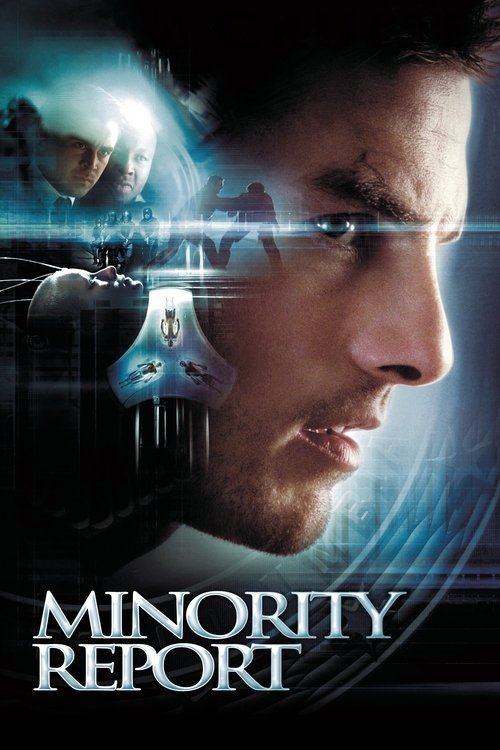
Steven Spielberg burned $102 million on what is essentially a Philip K. Dick short story, and the result is the most expensive film noir ever made. Tom Cruise sprints through a future Washington D.C. that production designer Alex McDowell built using input from real futurists, and the gestural-interface scenes single-handedly trained an entire decade of UX designers. Janusz Kamiński's bleach-bypass cinematography drains color from the future until everything looks like a memory of a memory, the perfect visual metaphor for a precrime detective haunted by his missing son. Among cyberpunk noir mainstream releases, it remains the rare Hollywood blockbuster that genuinely respects the genre's philosophical machinery instead of just borrowing its trench coats.
Read More
8

A Scanner Darkly

2006 • Animation, Science Fiction
6.8
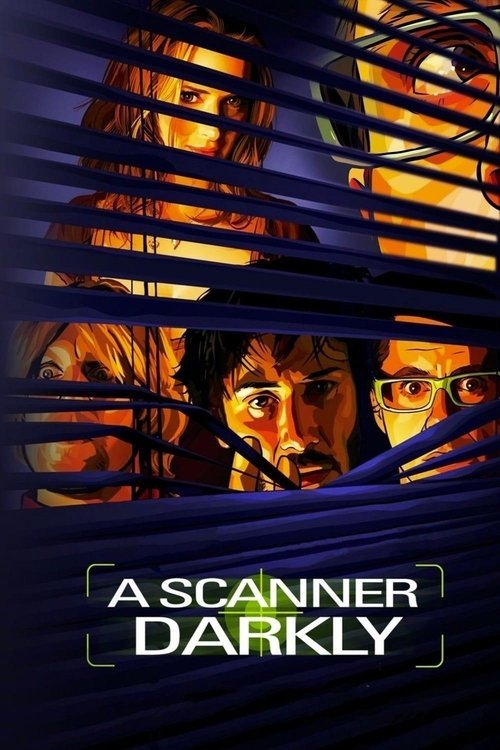
Richard Linklater rotoscoped over 50,000 frames to bring Philip K. Dick's most paranoid surveillance novel to the screen, and the choice was perfect. The interpolated animation makes faces flicker, ripple, and become other faces, which is exactly what the protagonist's scramble suit does in the book. Keanu Reeves plays an undercover narc whose own surveillance assignment is himself, and Robert Downey Jr. and Woody Harrelson deliver the loosest, most lived-in performances of their careers as paranoid stoner informants. The Substance D plot is a near-future drug-noir investigation, but Linklater is really filming the architecture of self-deception itself. Genuinely one of the most underrated cyberpunk noir entries of the 2000s.
Read More
9

Ex Machina

2015 • Drama, Science Fiction
7.6
Alex Garland wrote screenplays for a decade before stepping behind the camera with this $15 million chamber piece, and walked away with the Academy Award for Visual Effects against budgets ten times larger. Domhnall Gleeson plays a coder summoned to a remote tech billionaire's bunker to administer a Turing test on Alicia Vikander's Ava, and the whole film operates as a femme fatale noir wearing science-fiction skin. Oscar Isaac's Nathan is a hardboiled detective story's monster, all shaved-head menace and after-dinner whiskey monologues. Rob Hardy's clinical, glass-walled cinematography turns the bunker into a series of interrogation rooms. Among AI thriller films, almost nothing else hits this hard with this little.
Read More
10

Blade Runner 2049

2017 • Drama, Science Fiction
7.6
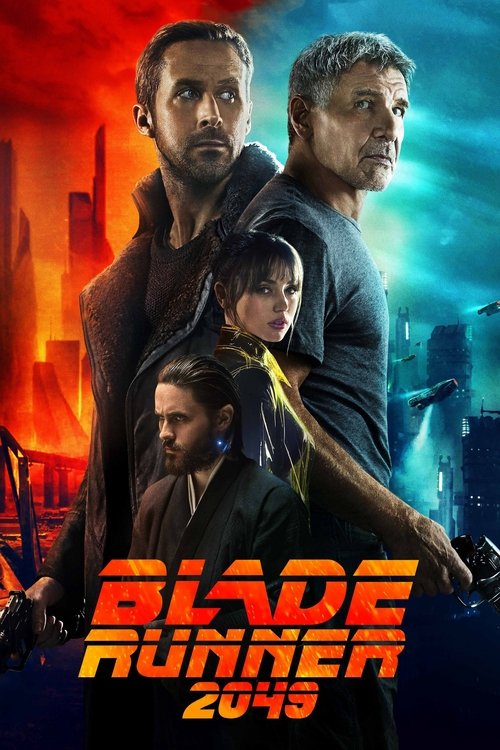
Denis Villeneuve somehow inherited Ridley Scott's visual cathedral and built a sequel that arguably surpasses it, which should not have been possible. Roger Deakins finally won his long-overdue Oscar for cinematography here, and every frame justifies the trophy: orange-saturated Vegas wastelands, brutalist LAPD interiors, holographic giantesses leaning into rain. Ryan Gosling's K is a procedural detective in the most literal hardboiled sense, working a missing-person case that unravels his own identity. The $185 million budget produced a $260 million box office disappointment that has since become a critical canon entry. The runtime is patient, the score by Hans Zimmer and Benjamin Wallfisch is industrial, and the neo-noir bones are pristine.
Read More
11

Reminiscence

2021 • Mystery, Science Fiction
6.5
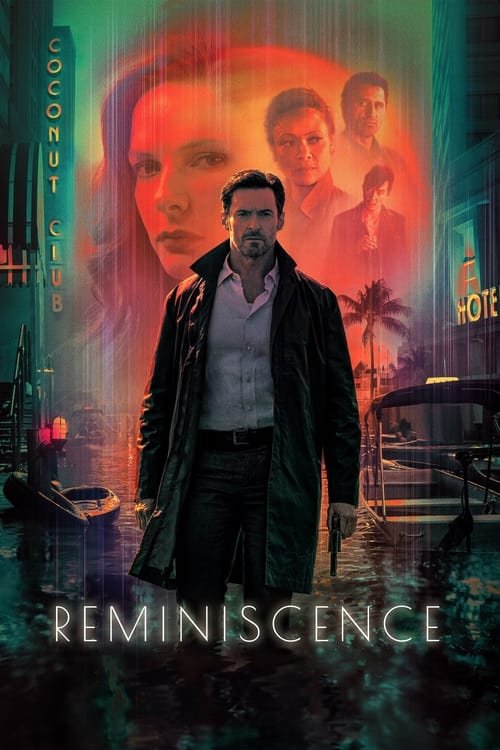
Lisa Joy stepped out from behind Westworld's writer's room to deliver her directorial debut, and the result is one of the purest neon-soaked noir films of the decade. Hugh Jackman plays Nick Bannister, a memory-detective in a half-submerged Miami where clients pay to relive their past, and the femme fatale framework comes preloaded courtesy of Rebecca Ferguson's Mae. Climate-collapse future cities have rarely looked this convincing, with practical water sets and submerged production design carrying real weight. Critics were mixed and the box office was a total wash, but as a moody, slow-burning cyber-noir detective story shot like a Raymond Chandler adaptation set after the ice caps melted, Reminiscence has aged into a genuine cult find.
Read More
12

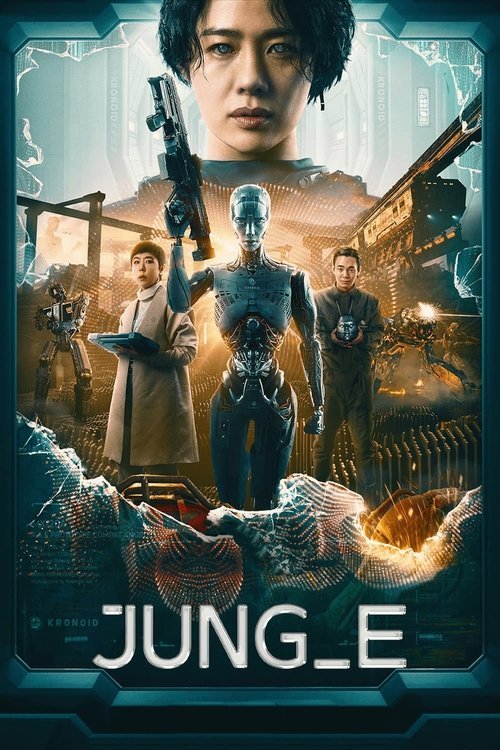
JUNG_E

2023 • Science Fiction
6.1
Yeon Sang-ho of Train to Busan fame swerved hard into philosophical sci-fi territory with this Netflix release, and the genre purists who skipped it missed something special. Set in a 22nd-century corporate space colony engulfed in civil war, the film follows a researcher (the late Kang Soo-yeon, in her final role) trying to clone her own mother's combat-AI consciousness. The neon-drenched lab sequences and rain-slick Seoul-inspired flashbacks plant it firmly inside the cyberpunk noir lineage, while the moral architecture of memory-as-weapon owes obvious debts to Philip K. Dick. The corporate-malfeasance plotting and weaponized-grief twist have far more in common with classic film noir than the film's marketing ever suggested.
Read More
13

The Creator

2023 • Action, Adventure
7.0
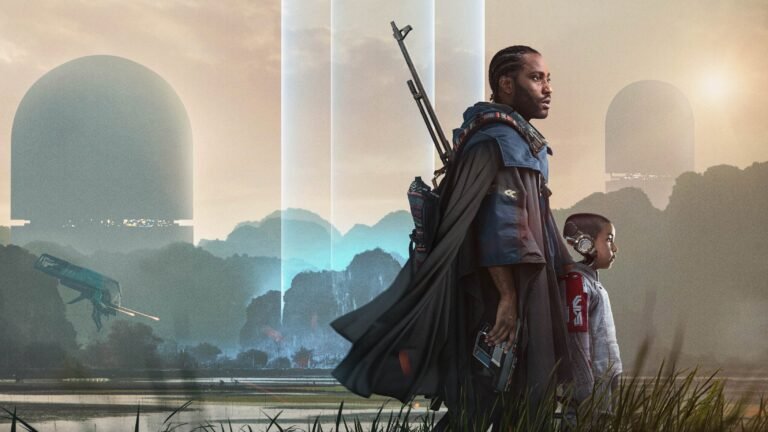
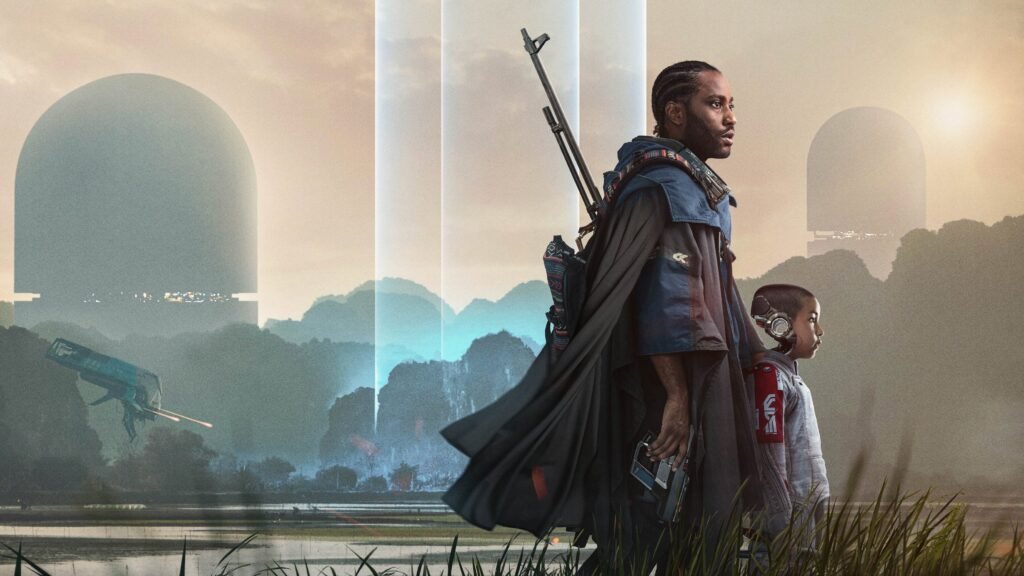
Gareth Edwards shot this on a famously lean $80 million budget and made it look like a $300 million tentpole, which is the kind of feat cinematographers Greig Fraser and Oren Soffer earned every accolade for. Set in a near-future where the West has gone to war with sentient AI, the film follows John David Washington's hardboiled ex-special-forces operative tracking a child-shaped AI weapon through neon-soaked Vietnam and Thailand locations. The hand-held aesthetic, prosthetic robotics, and grimy practical-location shooting give it texture almost no recent dystopian sci-fi has matched. As one of the freshest cyber-noir movies to hit theaters in years, it's a genuine return-to-form for thinking-person's blockbuster sci-fi.
Read More

Where Cyber-Noir Movies Go From Here

The genre is in genuinely good shape. After a stretch of streaming-era flops and theatrical disappointments, recent entries like The Creator and Reminiscence proved there’s still appetite for thoughtful, neon-drenched future-noir on the global stage, while Korean and Japanese filmmakers continue producing the most adventurous work in the space. The boundaries are also expanding outward in productive ways, with hybrid drug-noir and surveillance-thriller entries opening new territory that earlier genre purists never got to explore.


Frequently Asked Questions About Cyber-Noir Movies

Are cyber-noir movies and cyberpunk movies the same thing?

They overlap heavily but are not identical. Cyberpunk movies emphasize the high-tech, low-life setting and rebellion against megacorporate or AI control, while cyber-noir movies specifically pull from detective fiction conventions: missing-person cases, moral ambiguity, voiceover narration, and femme fatales. Most cyber-noir movies are cyberpunk, but plenty of cyberpunk films, especially action-heavy entries, skip the noir bones entirely.

What defines cyber-noir movies as a film genre?

Cyber-noir movies are a hybrid genre that combines the visual conventions and moral atmosphere of classic film noir (rain-soaked cities, hardboiled detectives, femme fatales, corruption) with cyberpunk’s near-future tech, megacorporations, and identity-crisis themes. Most entries feature a lone protagonist investigating something that ultimately exposes the rot at the system’s core. Blade Runner remains the genre’s foundational text and defining template.

What are the newest cyber-noir movies worth knowing about?

The most recent cyber-noir movies arrived in 2023 with Gareth Edwards’ The Creator, a lean-budget AI war thriller filmed across Vietnam and Thailand. The film delivers neon-soaked futurism on an $80 million budget that punches well above its weight class. The genre had been relatively quiet during the early 2020s, making this release a meaningful return-to-form moment for thoughtful big-budget science-fiction storytelling.
🍿 What to watch next

Loved this vibe? Keep the binge going with:

15 Best Coming-of-Age Movies That Capture Perfect Summer Nostalgia