The greatest espionage movies turn paranoia into poetry, transforming dead drops, double agents, and moral gray zones into some of the most riveting cinema ever made. From the smoke-curled tradecraft of John le Carré adaptations to the breakneck set pieces of modern blockbusters, the genre rewards patient viewers and adrenaline junkies in equal measure. The best entries don’t just chase plot twists; they expose how intelligence work corrodes loyalty, identity, and trust, anchoring globe-spanning stakes in deeply human compromise.

This curated list of 17 essential espionage movies spans six decades and every flavor of spy storytelling, from cerebral Cold War interrogations to ticking-clock action spectacle. Whether your taste leans toward le Carré’s tradecraft realism or the kinetic thrills found in the most intense military movies based on true events, every pick here earns its place through performances, direction, and cultural impact that helped define the spy thriller genre.

What Are the Best Espionage Movies of All Time?

The best espionage movies of all time blend tradecraft authenticity with character-driven tension, with Tinker Tailor Soldier Spy, Bridge of Spies, and The Lives of Others standing as the genre’s pinnacle. These films prioritize moral ambiguity over gunfire, exposing the human cost of intelligence work through performances and direction that have shaped the spy thriller landscape for decades.

Best Espionage Movies

1

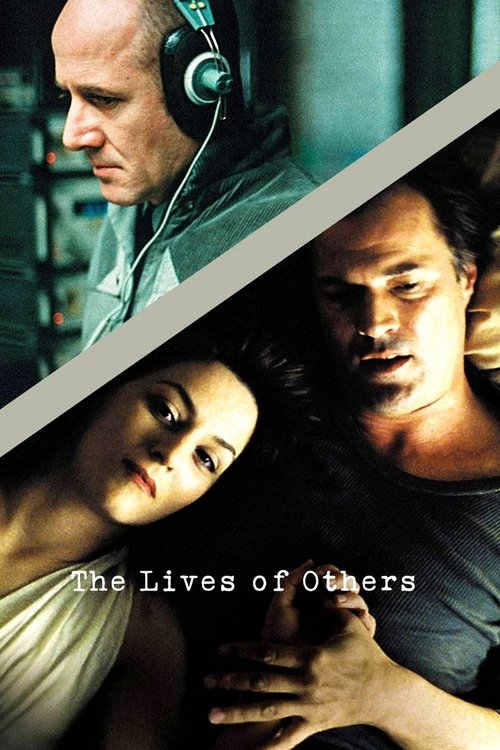
The Lives of Others

2006 • Drama, Thriller
8.0
Florian Henckel von Donnersmarck won the Best Foreign Language Film Oscar for his debut feature, a feat all the more remarkable given that the film's surveillance-heavy structure could have collapsed into procedural tedium. Ulrich Mühe, himself a former Stasi-surveilled East German actor, plays Captain Wiesler with a coiled stillness that earns every flicker of internal change. Cinematographer Hagen Bogdanski drains 1984 East Berlin to institutional greens and beiges, turning apartments into evidence rooms. The film's emotional engine is one of the great quiet performances of the century, anchoring a story about a state employee discovering empathy through audio bugs. It remains the definitive screen treatment of Stasi-era counterintelligence.
Read More
2

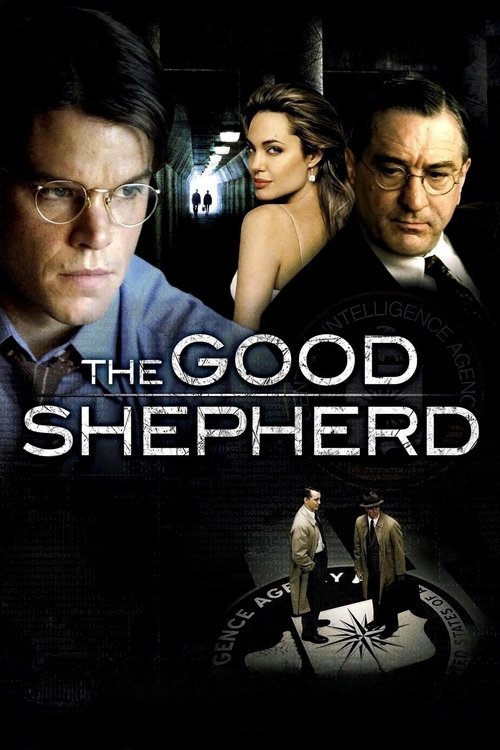
The Good Shepherd

2006 • Drama, History
6.4
Robert De Niro's second directorial effort is a 167-minute origin story for the CIA itself, structured around composite character Edward Wilson (Matt Damon) and traced from Yale's Skull and Bones society through Berlin, Cuba, and the rotting marriage at the institution's center. Eric Roth's ambitious script weaves Cold War set pieces with quiet suburban devastation, and supporting work from Angelina Jolie, William Hurt, Alec Baldwin, and Joe Pesci gives the cast surprising heft. Cinematographer Robert Richardson (Scorsese, Tarantino) shoots in cool blues and overcast grays, refusing nostalgia at every turn. Critics were divided on its glacial pace, but the film's ice-water portrait of institutional rot remains unmatched among CIA-focused espionage movies.
Read More
3

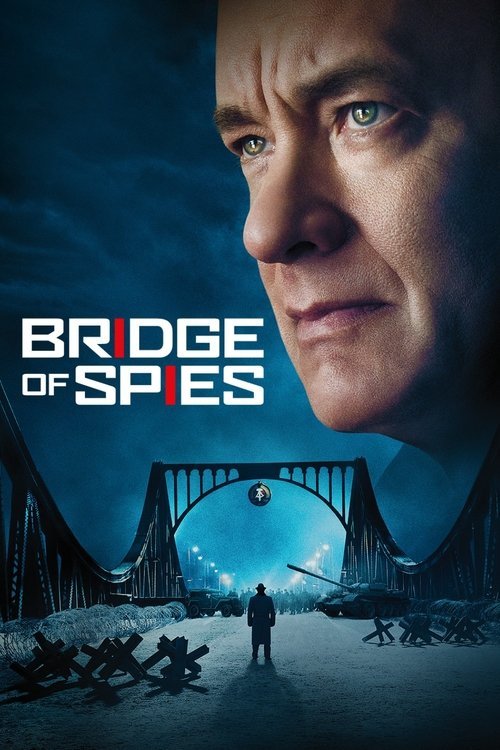
Bridge of Spies

2015 • Drama, Thriller
7.2
Steven Spielberg reunited with Tom Hanks for this Cold War prisoner-exchange drama, working from a screenplay by Joel and Ethan Coen with Matt Charman. Mark Rylance won Best Supporting Actor at the Oscars for a performance built almost entirely from stillness, playing Soviet operative Rudolf Abel with the dry humor of a man who has accepted his circumstances. Cinematographer Janusz Kamiński shifts palettes between Brooklyn courtrooms and a wintry, cratered Berlin. The U-2 incident, the Glienicke Bridge handover, and Abel's quiet "would it help" refrain landed with both critics and audiences, hauling in $165 million worldwide. The Coen wit gives weight to a story that, in lesser hands, could have flattened into civics-class respectability.
Read More
4

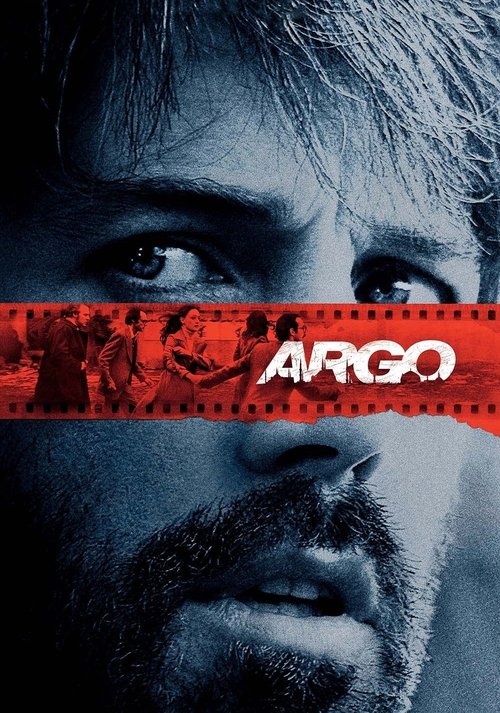
Argo

2012 • Drama, Thriller
7.3
Ben Affleck directed and starred in this Best Picture winner about the CIA's 1980 "Canadian Caper," in which six American hostages were extracted from Tehran under cover of a fake science-fiction film production. Chris Terrio's Oscar-winning screenplay compresses Tony Mendez's memoir into a tight third-act airport sequence so tense it remains one of the genre's textbook climaxes. Bryan Cranston, Alan Arkin, and John Goodman power the Hollywood half, providing pitch-perfect comic relief. Rodrigo Prieto's grainy cinematography mimics 1979 newsreel footage. The film grossed $232 million globally on a $44.5 million budget, and while historians debated its dramatic license, the procedural texture earned its place in the canon of true-story spy films.
Read More
5

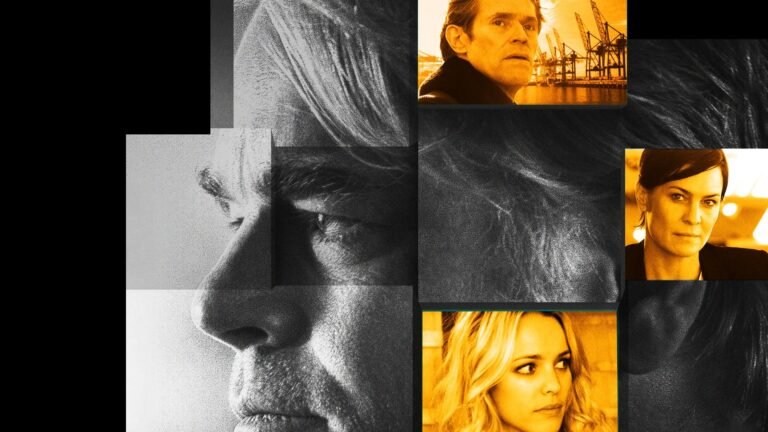
A Most Wanted Man

2014 • Thriller
6.5
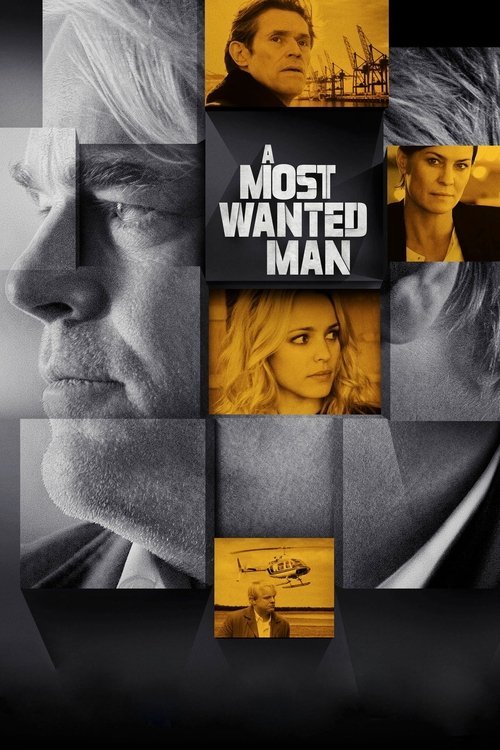
Anton Corbijn directs Philip Seymour Hoffman's final lead performance, an adaptation of John le Carré's 2008 novel set in post-9/11 Hamburg. Hoffman plays Günther Bachmann, a chain-smoking, heavy-drinking German intelligence chief running a small unit dedicated to slow-burn asset cultivation rather than the trigger-happy interventions favored by the CIA. Rachel McAdams, Willem Dafoe, and Robin Wright round out an ensemble that respects the bureaucratic grind. Cinematographer Benoît Delhomme drains Hamburg of warmth, framing dock cranes and concrete stairwells with sociologist's eye. The final scene, in which Bachmann's quiet operation is steamrolled by American partners, lands with the kind of soul-deep frustration that le Carré built his career on. Hoffman's performance is shattering.
Read More
6

Spy Game

2001 • Action, Crime
6.9
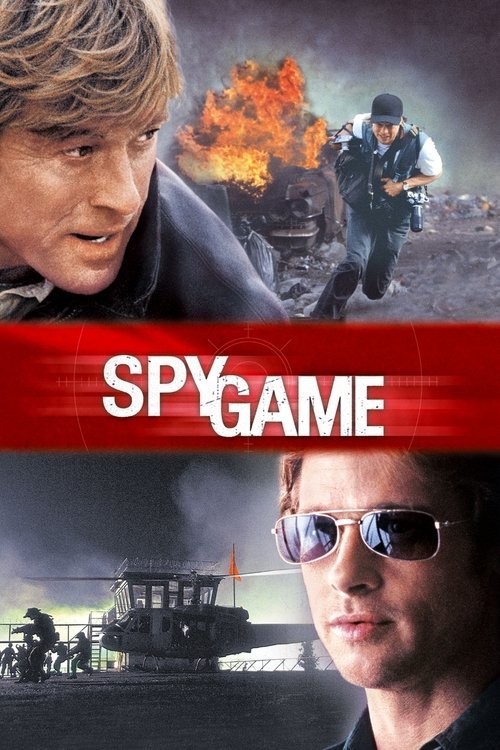
Tony Scott directs Robert Redford and Brad Pitt across three decades of Cold War flashbacks, structured around a single ticking-clock day at CIA headquarters. The framing device (Redford's Nathan Muir lobbying internal politics to extract Pitt's protégé from a Chinese prison) lets editor Christian Wagner cut between Vietnam, Beirut, and East Berlin without losing momentum. Daniel Mindel's slick cinematography and Harry Gregson-Williams's score lean into Tony Scott's signature commercial gloss, but the writing by Michael Frost Beckner and David Arata respects the tradecraft. Catherine McCormack provides the romantic anchor in the Beirut sequences. Spy Game is the rare turn-of-the-century studio espionage thriller that takes asset handling, mentor-student dynamics, and bureaucratic survival genuinely seriously.
Read More
7

Black Bag

2025 • Drama, Mystery
6.3
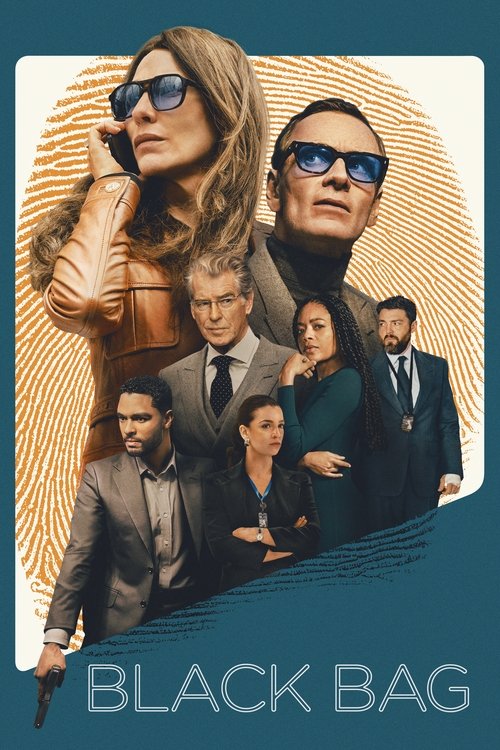
Steven Soderbergh directs David Koepp's screenplay about a married pair of MI6 officers (Cate Blanchett, Michael Fassbender) forced into a domestic-professional crisis when one is suspected of treason. The supporting cast (Marisa Abela, Tom Burke, Naomie Harris, Pierce Brosnan, Regé-Jean Page) brings the ensemble depth Soderbergh has been refining since Out of Sight. The director shoots his own cinematography under the Peter Andrews pseudonym, leaning into clean digital interiors and a chilly London palette. The 93-minute runtime is the kind of disciplined economy modern espionage movies rarely manage. Critics praised it as one of 2025's smartest mid-budget thrillers, cementing Soderbergh's late-career streak.
Read More
8

Tinker Tailor Soldier Spy

2011 • Drama, Mystery
6.6
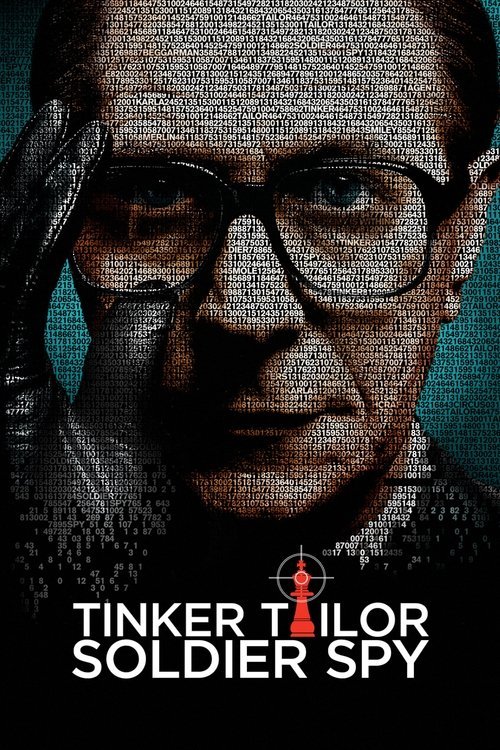
Director Tomas Alfredson translates John le Carré's novel into a slow-burn ballet of glances and silences, anchored by Gary Oldman's Oscar-nominated turn as George Smiley. Cinematographer Hoyte van Hoytema (later Dunkirk, Oppenheimer) drains the palette to bureaucratic browns and grays, making MI6's Circus feel less like a thriller backdrop and more like a tomb. The film respects audiences enough to expect them to keep up, deploying flashbacks within flashbacks and trusting whispered exchanges over chase sequences. Co-stars Colin Firth, Tom Hardy, Mark Strong, and Benedict Cumberbatch all do career-best work in spare scenes. The Karla letter, the Christmas party flashback, and the final montage set to "La Mer" are sequences spy thriller fans return to repeatedly.
Read More
9

The Bourne Identity

2002 • Action, Drama
7.5
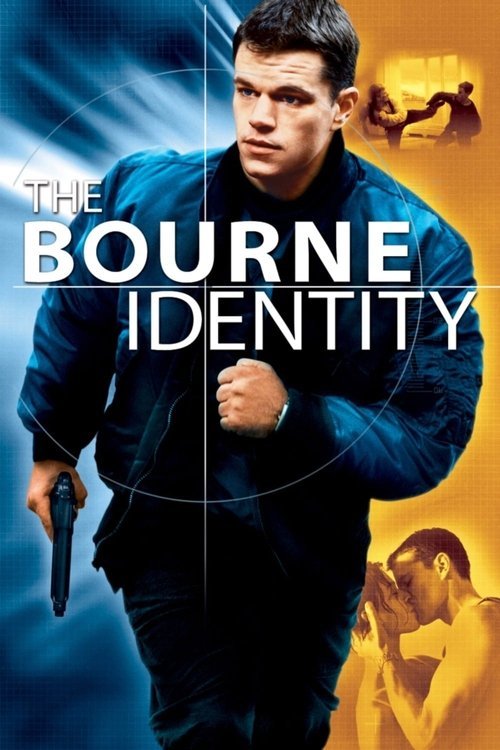
Doug Liman's adaptation of Robert Ludlum's novel, with Tony Gilroy and W. Blake Herron's screenplay, completely rewired the modern action thriller. Matt Damon's Jason Bourne stripped the spy-hero archetype of suaveness, replacing martinis and quips with grocery stores, plain hotel rooms, and the cold competence of a man trying to figure out who he is while three teams hunt him. Cinematographer Oliver Wood embraced shaky handheld coverage that countless imitators have copied since. The film grossed $214 million on a $60 million budget and launched a franchise that briefly forced Bond to evolve. Its Paris apartment fight, embassy escape, and final phone call to Brian Cox set the template for a decade of espionage thrillers.
Read More
10

Operation Mincemeat

2022 • Drama, History
6.5
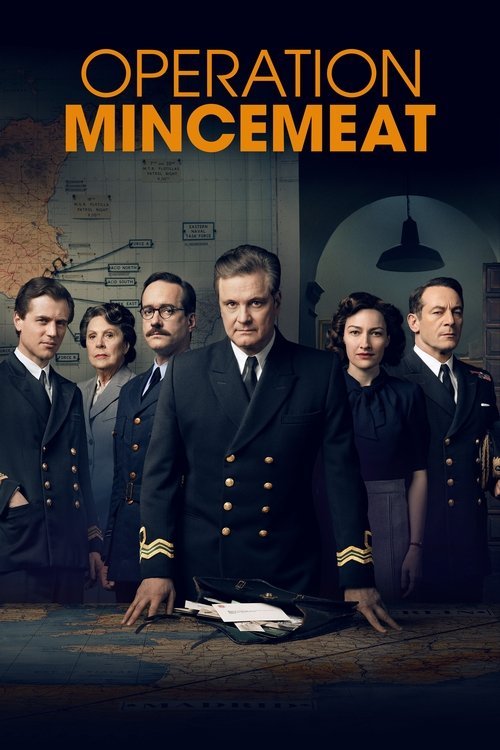
John Madden directs this WWII deception drama about one of British intelligence's most audacious successes: planting forged documents on a corpse to mislead Hitler about the 1943 Allied invasion of Sicily. Colin Firth and Matthew Macfadyen lead as Ewen Montagu and Charles Cholmondeley, the two officers behind the operation, with Penelope Wilton, Kelly Macdonald, and Johnny Flynn (playing a young Ian Fleming) anchoring the supporting bench. Michelle Ashford's screenplay (from Macintyre's nonfiction book) leans into the absurdity of the plan without losing its weight. Sebastian Blenkov's cinematography respects the period without lapsing into dusty nostalgia. The film slipped past American audiences in a quiet 2022 release, but among recent espionage movies, it deserves rediscovery as a craft showcase.
Read More
11

Mission: Impossible – Fallout

2018 • Action, Adventure
7.4
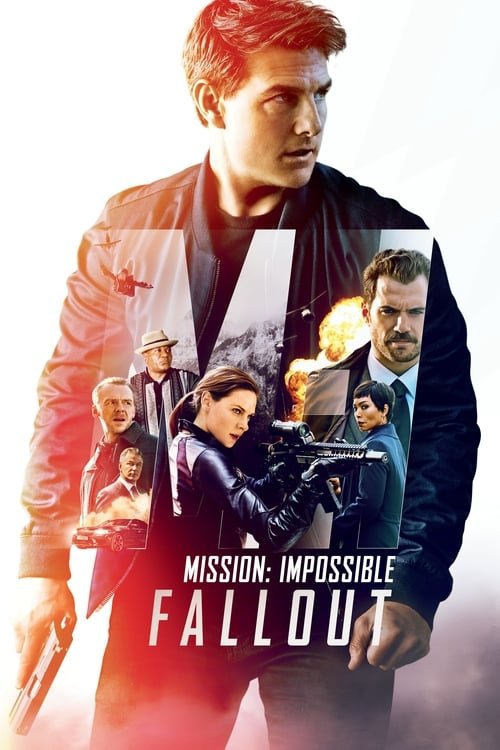
Christopher McQuarrie's sixth franchise entry is the action-espionage genre operating at peak engineering. Tom Cruise broke an ankle on a Blackfriars Bridge rooftop jump, learned to fly a helicopter for the climactic chase, and performed an honest-to-God HALO jump through a CGI-free thunderstorm. Cinematographer Rob Hardy gives the practical stunt work room to breathe. Henry Cavill, Rebecca Ferguson, and Vanessa Kirby round out an ensemble that treats the IMF's globe-trotting tradecraft with surprising gravity. The film grossed $791 million worldwide and sits with a 97% Rotten Tomatoes critics score, the highest in the franchise. As pure spectacle espionage, this entry rewires expectations, and even le Carré purists tend to give it a respectful pass.
Read More
12

All the Old Knives

2022 • Mystery, Thriller
6.0
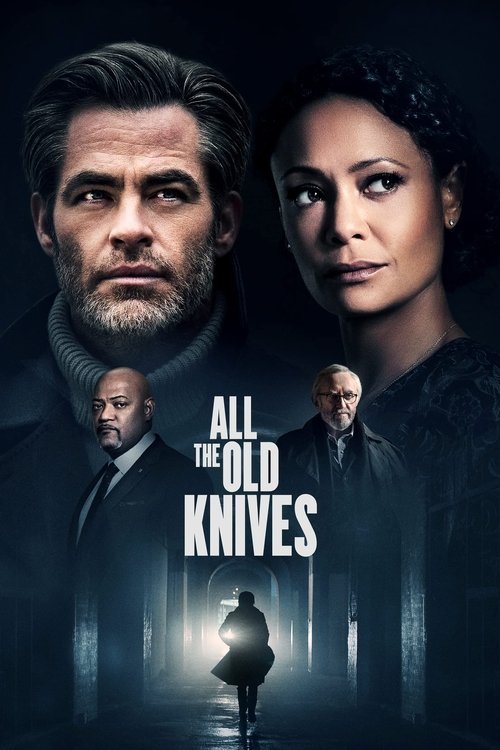
Janus Metz Pedersen directs Olen Steinhauer's adaptation of his own novel, a dialogue-driven two-hander about former CIA partners (Chris Pine, Thandiwe Newton) reuniting at a Carmel-by-the-Sea restaurant to relitigate a terror attack on a Vienna-bound flight. The structure is deceptively simple: a long dinner conversation interrupted by flashbacks, with the question of whether one of them is a mole driving the entire runtime. Cinematographer Charlotte Bruus Christensen finds the menace in candle-lit booths and fog-bound coastline, and the chemistry between Pine and Newton sustains the talky framework. Released directly to Amazon Prime Video, the film is one of the genre's most underrated recent entries, perfect for spy thriller fans who appreciate restraint over spectacle.
Read More
13

Breach

2007 • Crime, Drama
6.6
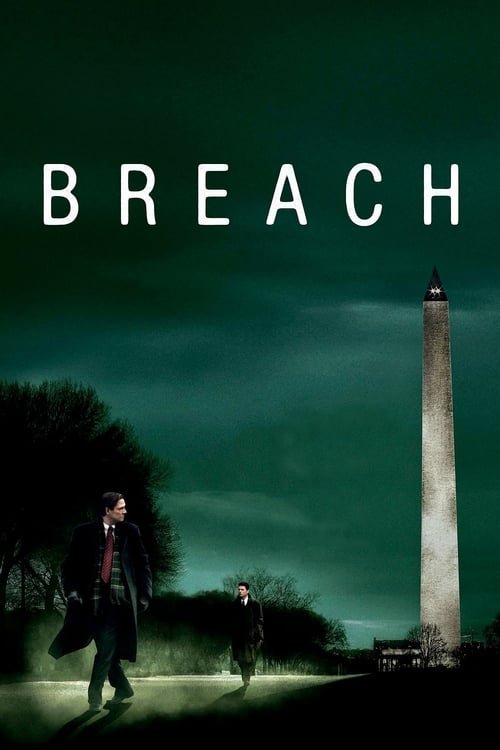
Billy Ray's measured procedural about real-life FBI mole Robert Hanssen is the rare espionage thriller that derives its tension entirely from interpersonal observation, with no shootouts, foot chases, or operatic set pieces. Chris Cooper does career-best work as Hanssen, layering bureaucratic resentment, religious fervor, and predatory paranoia into a portrait that should have earned an Oscar nomination. Ryan Phillippe holds his own as Eric O'Neill, the young clerk planted to surveil his boss, and Laura Linney provides essential ballast as the supervising agent. The film's narrow focus and 110-minute runtime make it a clinic in restraint, refusing the maximalism of its contemporaries. For viewers who prize realistic tradecraft, Breach is essential homework.
Read More
14

Casino Royale

2006 • Action, Adventure
7.6
Martin Campbell's reboot was tasked with the impossible: making James Bond credible after the Brosnan-era invisible cars and Madonna fencing matches. Daniel Craig's casting was so controversial that protest websites sprang up before release, and then the film opened, and the discourse evaporated. The cold-open Madagascar parkour chase, the Venice climax, and the brutal poker sequences (where the literal espionage takes place) all landed with critics who had written off the franchise. Eva Green's Vesper Lynd remains the most consequential Bond Girl since the 60s, and her arc still informs every Craig-era follow-up. The film grossed $616 million worldwide on a $150 million budget, proving that smart espionage movies could still be globally bankable.
Read More
15

Munich

2005 • Action, Drama
7.1
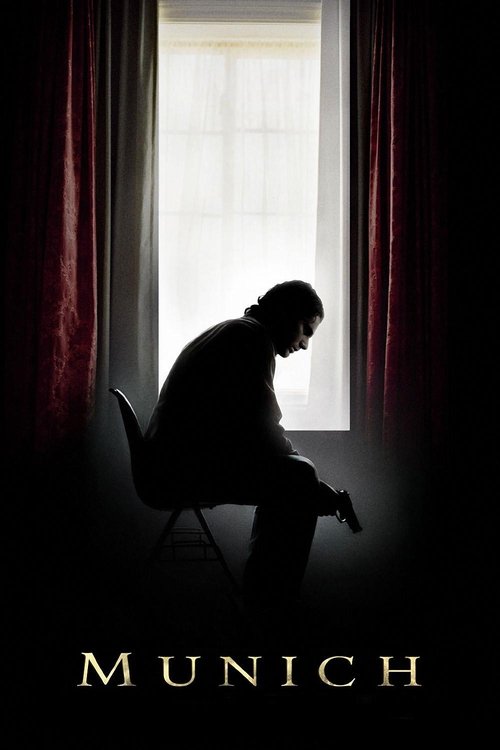
Steven Spielberg directs Tony Kushner and Eric Roth's adaptation of George Jonas's contested book about Israel's response to the 1972 Olympic massacre, and the result is the angriest film of his career. Eric Bana anchors the kill team alongside Daniel Craig (one year before his Bond debut), Ciarán Hinds, Mathieu Kassovitz, and Hanns Zischler. Janusz Kamiński's cinematography drags saturation toward sickly yellow and washed-out olive, a deliberate departure from spy-genre slickness. The film's moral exhaustion, where every successful operation diminishes the protagonist further, was misread by some as endorsement of equivalence, when it's really one of mainstream cinema's most thoughtful interrogations of state-sponsored vengeance and the corrosive logic of covert reprisal.
Read More
16

The Spy Who Came In from the Cold

1965 • Drama, Thriller
7.1
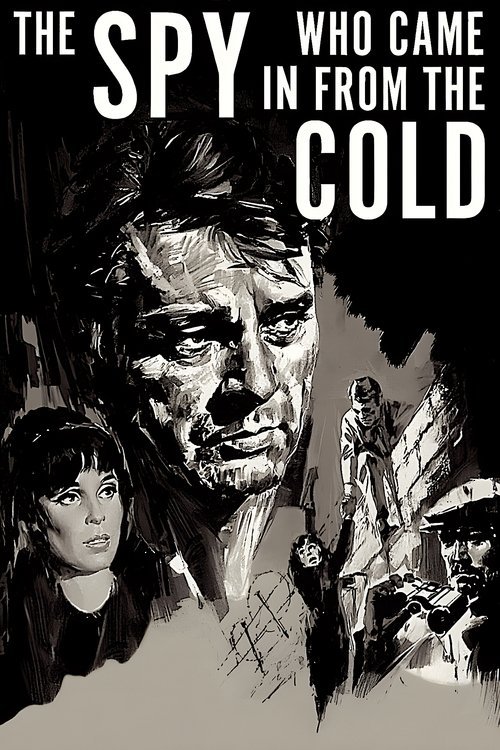
Director Martin Ritt and cinematographer Oswald Morris shot in stark black and white, channeling the moral void le Carré built into his breakthrough novel. Richard Burton earned an Oscar nomination as burned-out British operative Alec Leamas, and his bone-tired delivery still sets the bar for disillusioned spy performances. Adapted by Paul Dehn and Guy Trosper directly from le Carré's text, the film refused the Bond-era polish emerging around it, treating intelligence work as a soul-eating bureaucratic grind. The Berlin Wall climax, staged in fog-bound shadow, remains one of the quietly devastating endings in the genre. Released in 1965, it set the template every cerebral spy film since has tried to honor.
Read More
17

Three Days of the Condor

1975 • Mystery, Thriller
7.3
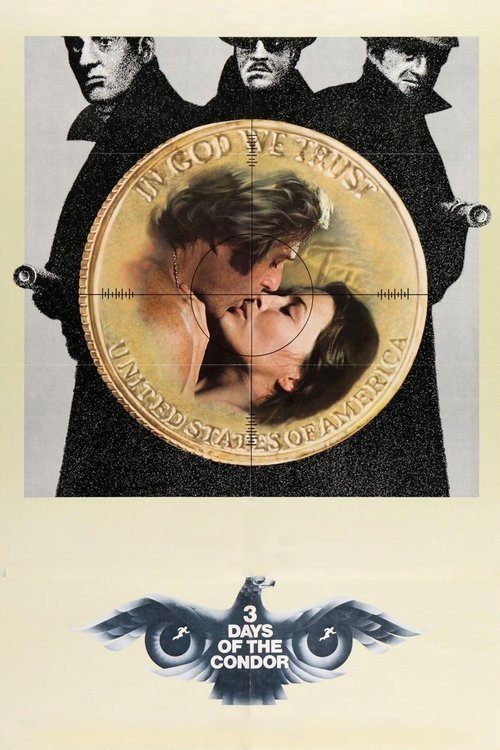
Sydney Pollack directs with paranoid 70s economy, leaning on cinematographer Owen Roizman's restless New York coverage to make a CIA analyst's morning routine feel like a death sentence. Robert Redford plays Joe Turner with the casual intelligence only a movie star at peak confidence can pull off, and Faye Dunaway's improvised romantic subplot still divides critics, which is exactly why it's interesting. The screenplay by Lorenzo Semple Jr. and David Rayfiel compresses James Grady's novel into 117 minutes that never waste a frame. The film's central thesis (the agency you serve will absolutely sacrifice you) reshaped the genre, and Pollack's downbeat ending in front of the New York Times offices still hits like cold water.
Read More

Why These Espionage Movies Still Define the Genre

These 17 picks reveal why espionage movies still draw some of cinema’s finest directors and most committed performances. The genre rewards intelligence on both sides of the camera, demanding writers who can compress geopolitical complexity into character beats and actors who can carry decades of subtext in a single glance. From Sidney Pollack’s paranoia masterclasses to Steven Soderbergh’s icy modern entries, the spy thriller continues to evolve while honoring its tradecraft roots, offering audiences the rare chance to see prestige craftsmanship applied to genuine entertainment.


Frequently Asked Questions About Espionage Movies

What espionage movies are based on true stories?

Many of the strongest espionage movies pull directly from declassified history, with Argo dramatizing the CIA’s 1980 Iranian hostage extraction down to its forged film-production cover. The genre’s true-story tradition lends procedural weight that pure invention rarely matches, anchoring tradecraft in documented operations and giving stakes a journalistic credibility audiences can independently verify after the credits roll.

Which espionage movies are best for first-time fans?

First-time genre fans should start with espionage movies that balance accessibility and craft, building toward more challenging entries. Casino Royale offers the perfect on-ramp with its blend of character drama and kinetic action, and once viewers acclimate to the genre’s rhythms, denser fare like le Carré adaptations and slow-burn Cold War procedurals becomes far easier to genuinely appreciate.

Are espionage movies and spy movies the same thing?

Espionage movies and spy movies overlap significantly but carry slightly different connotations, with espionage emphasizing intelligence-gathering, tradecraft, and political stakes while spy movies often skew toward action and gadgetry. The distinction is loose; most films sit on a spectrum, and critics use the labels interchangeably depending on tone, with le Carré adaptations leaning espionage and the wider Bond franchise leaning spy.
🍿 What to watch next

Loved this vibe? Keep the binge going with:

5 Disturbing Thrillers That Mirror Reality Today