The landscape of modern cinema is flooded with visual spectacle, but the true holy grail for cinephiles is a film that aggressively challenges your perception of reality. We are talking about top-tier mind-bending movies that refuse to spoon-feed their audience. These are the rare, meticulously crafted cinematic puzzles where visionary directors embed profound philosophical subtext directly into the framing, the sound design, and the lingering glances of their leads. When a film successfully executes this level of psychological manipulation, it transcends mere entertainment and becomes a truly active experience.

If you are tired of predictable three-act structures and crave narratives that demand a second or third viewing, you have landed in exactly the right place. Uncovering the hidden messages in these masterpieces requires a keen eye and an open mind. From scathing societal allegories masked as high-octane science fiction to deeply personal psychological labyrinths, the films curated below are guaranteed to rewire your neural pathways. Grab your notepad, because we are diving deep into the subtext of the industry’s most brilliant cerebral achievements.

Best Mind-Bending Movies

Exploring Mind-Bending Movies with Hidden Messages:
1

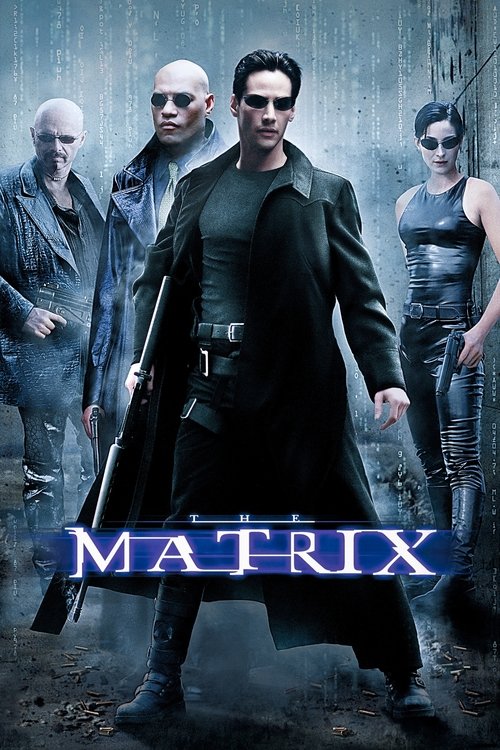
The Matrix

1999 • Action, Science Fiction
8.2
The Wachowskis completely revolutionized late-nineties blockbuster filmmaking, but the spectacular bullet-time choreography often overshadows the intensely layered thematic depth. As one of the most iconic mind-bending movies of our time, its brilliant aesthetic regarding identity politics and systemic oppression remains startlingly relevant. The cold, sterile color grading of the simulation contrasts beautifully with the visceral grit of the real world, creating a subconscious visual language that tells a completely different story from the dialogue. The Hidden Message: The system is a lie designed to exploit your energy. On a deeper level, the directors crafted a profound transgender allegory about the painful, necessary transition of shedding a socially constructed identity to embrace your true self outside of a rigid, binary system.
Read More
2

Snowpiercer

2013 • Action, Drama
6.9
Bong Joon Ho is an absolute master of weaving biting social commentary into genre filmmaking, and his English-language debut is a masterclass in spatial momentum. Instead of relying on traditional exposition, the film uses the literal architecture of the speeding train to map out rigid socio-economic hierarchies. The performances, particularly Tilda Swinton's grotesquely brilliant bureaucratic caricature, anchor the high-concept premise in a disturbingly recognizable reality. The Hidden Message: You cannot fix a corrupt, hyper-capitalist system from within. Ascending the corporate ladder only makes you complicit in the oppression of the lower classes, suggesting the only way to achieve true equality is to completely derail the machine.
Read More
3

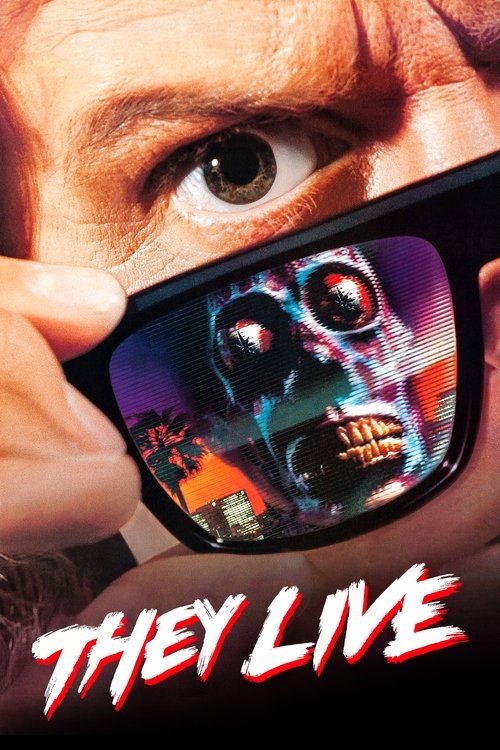
They Live

1988 • Action, Science Fiction
7.3
John Carpenter stripped away the polish of mainstream Hollywood to deliver a hilariously cynical and remarkably prophetic critique of consumer culture. The genius here lies in the crude, brilliant mechanism of the sunglasses, which literally filter out the distractions of modern capitalism to reveal the ugly, manipulative truth beneath. The gritty, low-budget aesthetic perfectly complements the subversive narrative about media consumption and mass compliance. The Hidden Message: Consumerism is a literal form of mind control. The film screams that the ruling class relies on mass media, advertising, and the illusion of the American Dream to keep the working class docile, exhausted, and perfectly obedient.
Read More
4

Mulholland Drive

2001 • Drama, Mystery
7.8
David Lynch constructed the ultimate surrealist nightmare disguised as a neo-noir mystery, making it a mandatory watch for fans of mind-bending movies. The film absolutely refuses to hold your hand, instead relying on intense, atmospheric dread and Naomi Watts' staggering, dual-layered performance to carry the emotional weight. Lynch uses jarring soundscapes and disjointed scene transitions to simulate the collapsing architecture of a fractured psyche. The Hidden Message: Hollywood is a glittering meat grinder. Lynch strips away the glamour of Tinseltown to expose a predatory industry that consumes youthful innocence, manufactures artificial identities, and ultimately discards artists once they have outlived their usefulness.
Read More
5

Enemy

2014 • Mystery, Thriller
6.8
Denis Villeneuve operates at peak atmospheric tension here, utilizing a sickeningly jaundiced color palette to trap the viewer in a suffocating psychological purgatory. Jake Gyllenhaal delivers a masterfully subdued masterclass in playing two sides of the same fractured coin. The brilliance of this entry into the pantheon of mind-bending movies is how it treats its central mystery not as a plot to be solved, but as an emotional state to be endured. The Hidden Message: Toxic masculinity is an inescapable, self-inflicted web. Villeneuve uses the doppelgänger motif to explore the subconscious terror of commitment, suggesting that men often compartmentalize their lives to justify infidelity and trap themselves in a cyclical nightmare.
Read More
6

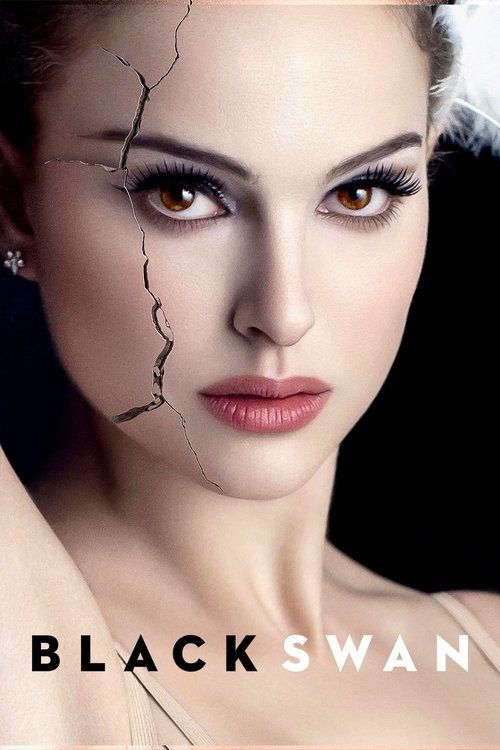
Black Swan

2010 • Drama, Horror
7.7
Darren Aronofsky blends the elegant beauty of classical ballet with the grotesque visceral body horror of a nervous breakdown. Natalie Portman's Oscar-winning turn is physically exhausting to watch, anchored by incredibly tight, claustrophobic cinematography that traps you inside her deteriorating headspace. The execution escalates into a fever pitch of sensory overload that is impossible to look away from. The Hidden Message: True artistic perfection is inherently self-destructive. Aronofsky illustrates that achieving immortality on the stage requires the absolute sacrifice of one's sanity and physical health, positing that the ultimate performance demands the symbolic death of the performer.
Read More
7

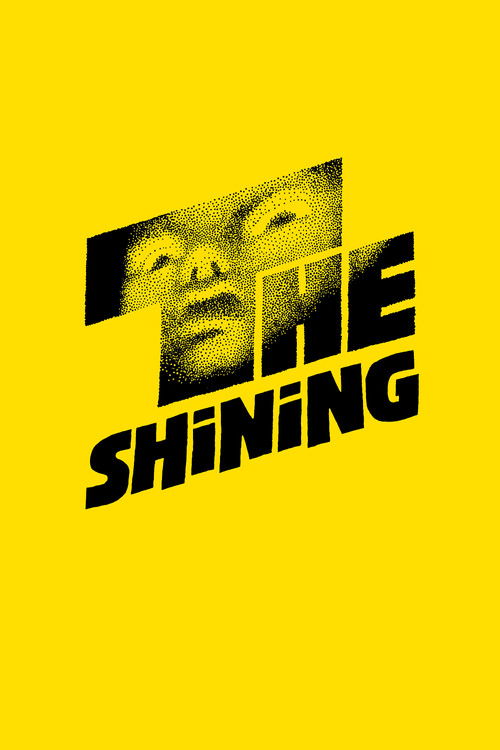
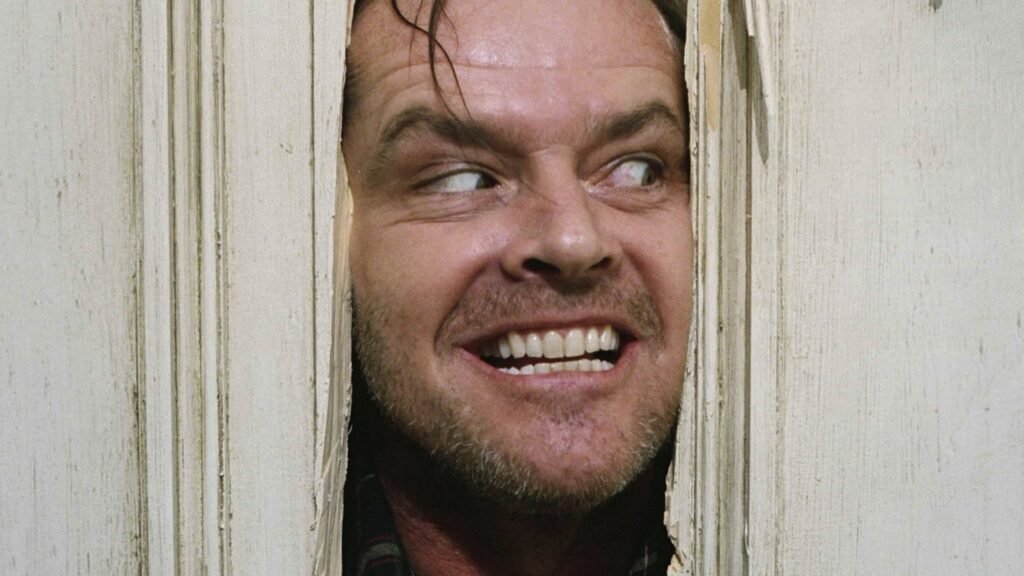
The Shining

1980 • Horror, Thriller
8.2
Stanley Kubrick famously disregarded the source material to craft a meticulous, geometrically impossible monument to isolation and madness. Every single frame is loaded with deliberate, almost obsessive details, from the pattern of the carpets to the specific brands in the pantry. The sweeping steadicam shots create a terrifying sense of predatory observation, making the hotel itself the most compelling character on screen. The Hidden Message: History's horrific sins are doomed to repeat themselves. Kubrick uses the Overlook Hotel as a massive metaphor for America itself, suggesting that the nation's bloody foundation breeds an inescapable culture of domestic violence and madness.
Read More
8

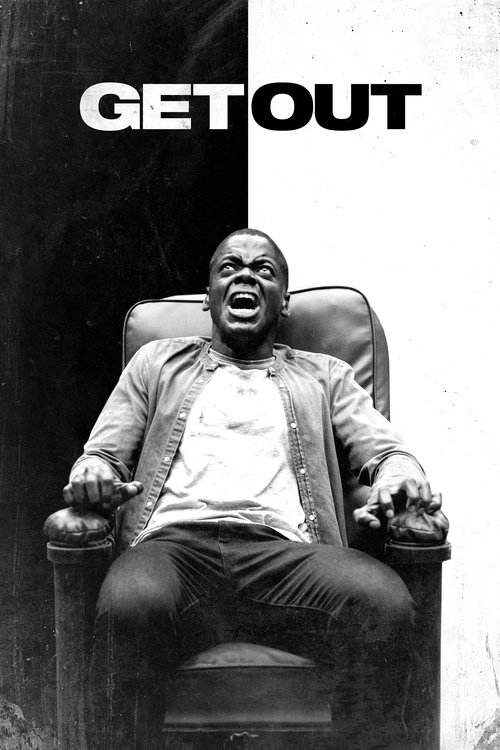
Get Out

2017 • Horror, Mystery
7.6
Jordan Peele arrived as a fully formed cinematic visionary with this tightly wound, fiercely intelligent social thriller. The brilliance of the film lies in how it weaponizes microaggressions, turning everyday awkward social interactions into moments of paralyzing terror. The concept of the "Sunken Place" is a masterstroke of visual metaphor, representing the voicelessness of marginalized communities through breathtakingly simple but effective wirework and sound design. The Hidden Message: A post-racial society is a dangerous myth, and performative liberal allyship is just as insidious as overt bigotry. Peele masterfully exposes the modern exploitation that often hides behind a smiling, wealthy, and seemingly progressive facade.
Read More
9

mother!

2017 • Drama, Horror
7.0
Darren Aronofsky returns to the list with a film that is practically an endurance test of escalating, suffocating anxiety. Shot almost entirely in extreme close-ups on Jennifer Lawrence, the camera forces the audience to feel her constant, violating invasion of privacy. The narrative completely abandons literal logic in favor of a rapidly accelerating, chaotic sensory assault. The Hidden Message: Humanity is a parasite destroying Mother Nature to feed the ego of a narcissistic creator. The film operates as a hyper-aggressive Biblical allegory where the house is Earth, Lawrence is nature, and Javier Bardem is a God who prioritizes the blind adoration of his destructive followers over the health of his own home.
Read More

Decoding the Best Mind-Bending Movies

Exploring mind-bending movies with rich, underlying themes reminds us of the true power of the cinematic medium. These filmmakers are not just telling stories (they are holding up fractured mirrors to our society, our anxieties, and our deepest subconscious fears). By abandoning straightforward narratives, they force us to become active participants in the viewing experience, ensuring that these films linger in our thoughts long after the credits roll.

Whether it is a devastating critique of modern consumerism or a terrifying dive into a fragmented psyche, the hidden subtext within these works elevates them from simple entertainment to vital cultural artifacts. The next time you sit down with one of these masterpieces, remember to look past the frame, listen to the silence, and question everything you are being shown.

What makes a movie ‘mind-bending’ and worth analyzing beyond surface level?

A ‘mind-bending’ movie is characterized by its complex narrative, layered symbolism, and profound philosophical subtext, which challenge viewers’ perceptions of reality and invite active interpretation rather than passive consumption.

Why do some films contain hidden messages, and how can viewers uncover them?

Hidden messages in films are embedded through visual framing, sound design, and subtle performances to convey deeper themes. Viewers can uncover these by analyzing symbolism, paying close attention to details, and remaining open-minded during repeated viewings.

How do mind-bending movies reflect societal issues or subconscious fears?

These movies often hold up fractured mirrors to society, critiquing social norms, consumerism, or cultural anxieties, and explore subconscious fears by delving into psychological labyrinths and existential questions embedded within the narrative.

What should viewers keep in mind when watching a psychological or philosophical mind-bender?

Viewers should be attentive to visual cues, listen to subtle sound design, question established interpretation, and be prepared for multiple viewings to fully grasp the complex subtext and themes embedded within such films.

In what ways do mind-bending films go beyond traditional storytelling to engage viewers?

They abandon straightforward plot structures, challenging viewers to interpret ambiguous symbolism, question the narrative’s reality, and participate actively in uncovering layered meanings, thus creating a more immersive and thought-provoking experience.
🍿 What to watch next

Loved this vibe? Keep the binge going with:

11 Underrated Thrillers With Twists You Won’t Predict