The greatest fictional presidents in film and television have become cultural touchstones far bigger than the shows and movies that produced them. From Aaron Sorkin’s rapid-fire Oval Office monologues to Roland Emmerich’s apocalyptic rally cries, these screen commanders-in-chief set the bar for how Hollywood imagines the most powerful office on Earth. They deliver speeches that outlive administrations, make impossible calls under alien invasions, nuclear threats, and domestic scandal, and occasionally steal an election by pushing a staffer in front of a train.

This ranking cuts across sixty years of American political storytelling, from Stanley Kubrick’s satirical war room to Shonda Rhimes’s White House melodrama. Anyone who wants a pure film-focused companion piece should also bookmark our definitive cinephile ranking of the best presidential movies of all time, which covers overlapping titles from the big-screen entries below. Each president on this list earned their spot through performance, cultural impact, and the sheer staying power of their best moments.

Who Are the Greatest Fictional Presidents on Screen?

The greatest fictional presidents on screen are Josiah Bartlet from The West Wing, Thomas J. Whitmore from Independence Day, and James Marshall from Air Force One, with Martin Sheen, Bill Pullman, and Harrison Ford defining the archetype for decades. Each balances moral authority with dramatic urgency in ways that still shape how writers approach the Oval Office today.

Best Fictional Presidents

1

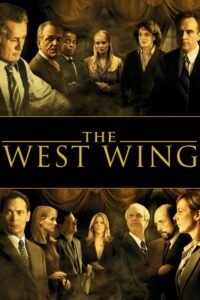
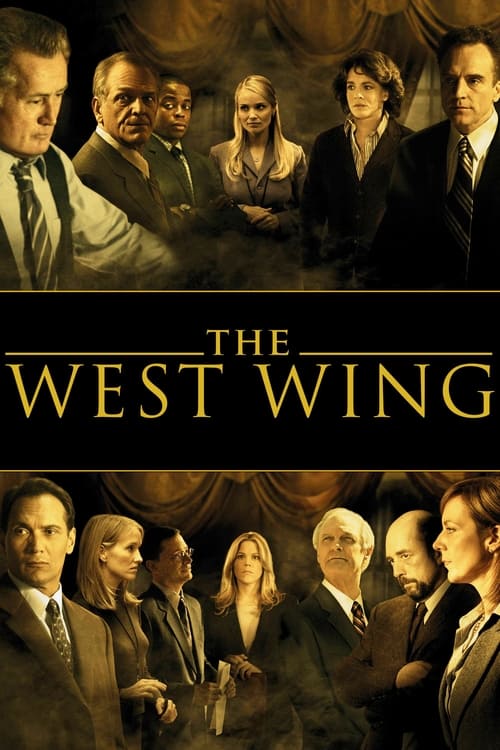
The West Wing

1999 • Drama
8.2
Aaron Sorkin built Bartlet as a Nobel laureate economist from New Hampshire who could quote Latin scripture mid-argument, and Martin Sheen played him with a professor's warmth layered over a four-star temper. The character reshaped public imagination of what a president could sound like, spawning a cottage industry of political speechwriters who admit the show influenced their craft. Sheen's moral weight in episodes like "Two Cathedrals," directed by Thomas Schlamme, remains a high-water mark for televised political drama. Bartlet's multiple sclerosis arc added a complication few shows would risk, and Sorkin used it to explore honesty, ambition, and the private cost of public service.
Read More
2

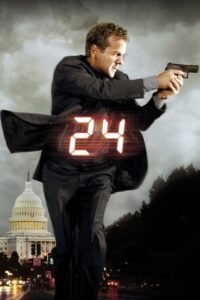
24

2001 • Action & Adventure, Crime
7.8
Dennis Haysbert gave Palmer a bass-register gravitas that made every scene feel like a Cabinet meeting, and creator Joel Surnow used the character to anchor the show's most intense Jack Bauer face-offs. Palmer's courage in the show's first season, calmly accepting an assassination threat rather than abandoning his principles, made him one of the most respected screen presidents of his era. Haysbert's performance was credited by multiple cultural commentators as helping shift audience perception of a Black commander-in-chief in the years before the 2008 election. His later Allstate commercials leaned on the same authoritative tone viewers already associated with Palmer's Oval Office.
Read More
3

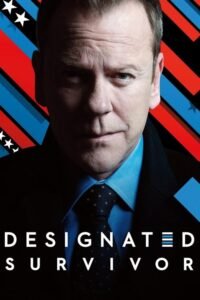
Designated Survivor

2016 • Drama, War & Politics
7.1
Kiefer Sutherland pivoted from Jack Bauer to soft-spoken policy wonk in this post-attack thriller from creator David Guggenheim, playing a man who never wanted the job and has to earn it under impossible circumstances. Kirkman stands out among screen presidents because he represents the bureaucratic everyman, not the rhetorical titan, and Sutherland leaned into glasses-and-cardigan normalcy rather than West Wing bombast. The pilot episode drew 10 million viewers and positioned the character as a balm for audiences exhausted by 2016-era politics. His independent party affiliation gave writers room to sidestep the red-blue template most network dramas default to.
Read More
4

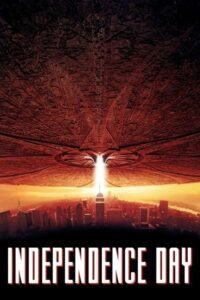
Independence Day

1996 • Action, Adventure
6.9
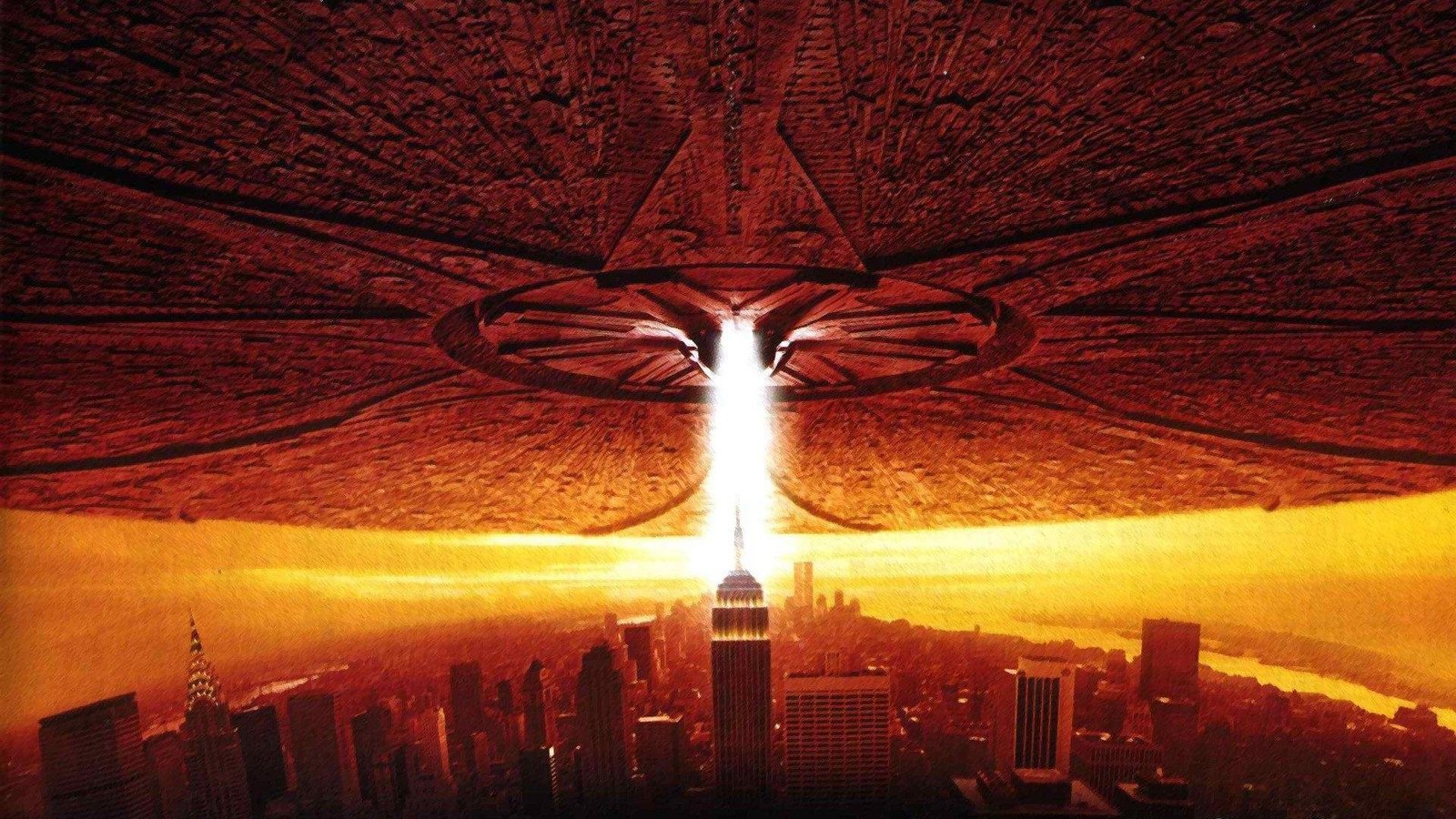
Bill Pullman's July 4th hangar speech remains the most quoted monologue ever delivered by any of cinema's fictional presidents, a 104-second rally cry written by Dean Devlin and Emmerich that tips the entire film from spectacle into catharsis. Whitmore is a Gulf War fighter pilot whose final-act cockpit heroics earn the character a permanent spot in every "best movie presidents" discussion. The cultural footprint is enormous: Pullman has said fans still shout "Today, we celebrate our Independence Day!" at him in airports thirty years later. The speech even triggered an actual Wikipedia debate over whether it deserves its own standalone entry.
Read More
5

Air Force One

1997 • Action, Thriller
6.5
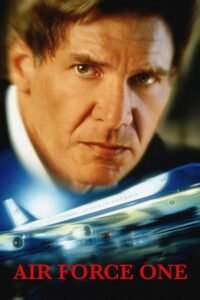
Harrison Ford built Marshall as a Medal of Honor Vietnam veteran who refuses to abandon his captured family aboard a hijacked Air Force One, and the film's premise turned Ford's Indiana Jones physicality into presidential action-hero currency. Screenwriter Andrew W. Marlowe gave the character a speech condemning terrorism that Marshall refuses to soften, establishing his moral spine before the first punch lands. The film grossed more than double its budget and earned Oscar nominations for editing and sound. Ford remains, in most critical polls, the single best action-movie president ever cast, a distinction unchallenged since 1997.
Read More
6

The American President

1995 • Drama, Romance
6.5
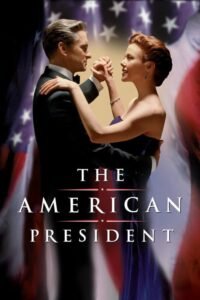
Aaron Sorkin's first presidential character, written four years before Bartlet, is a widowed Democratic incumbent trying to date an environmental lobbyist played by Annette Bening while gearing up for reelection. Michael Douglas gives Shepherd a weary charisma, and the climactic press-room speech, delivered after months of polling hits, became the rhetorical template Sorkin would later import wholesale into NBC. Rob Reiner's direction keeps the film moving like a rom-com while letting the politics breathe. Of all the romantic fictional presidents ever written, none has aged as gracefully as this one.
Read More
7

Deep Impact

1998 • Action, Drama
6.2
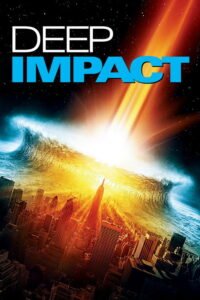
Morgan Freeman brought his trademark measured gravitas to Beck, a President forced to announce the potential end of human civilization on live television. Mimi Leder directed the address scene with almost zero score underneath, leaving Freeman's voice alone to carry the national mourning. The character is defined by what he does not do: no chest-thumping, no bluster, no last-minute cockpit heroics. Freeman presents leadership as calm triage, and the film's pairing against Armageddon that same summer is a clinic in how differently two blockbusters can imagine the commander-in-chief. Beck remains a favorite in political-science classrooms discussing crisis communication.
Read More
8

House of Cards

2013 • Drama
8.0
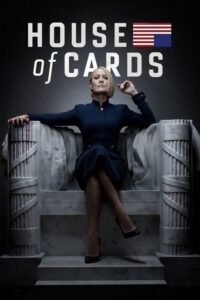
Adapted from the 1990 BBC series and transplanted to a Netflix prestige-drama template, Underwood became the defining screen villain of the streaming era. The fourth-wall-breaking monologues, inherited from the original Ian Richardson performance, let audiences ride shotgun inside one of television's most calculating politicians. The character's legacy is complicated by Spacey's real-world misconduct allegations, which effectively ended his run, but the writing and direction of David Fincher's premiere two-parter remain widely taught in screenwriting programs. Few fictional presidents have ever demonstrated ambition as transparently weaponized as this one.
Read More
9

Battlestar Galactica

2004 • Action & Adventure, Drama
8.2
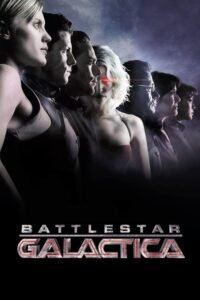
Ronald D. Moore's reimagined Battlestar Galactica handed the presidency to Mary McDonnell's Roslin, a cancer-stricken bureaucrat sworn in mid-evacuation after a Cylon apocalypse. McDonnell plays her as a schoolteacher with a steel backbone, and the show uses her religious visions to explore whether faith and good governance can coexist. Among fictional presidents in genre television, she is the benchmark, a character who had to decide whether to steal an election to prevent the extinction of humanity and who answered that question honestly enough to divide the fanbase for years. Rolling Stone ranked the show itself the greatest science-fiction series of all time in a 2018 list.
Read More
10

Commander in Chief

2005 • Drama
7.6
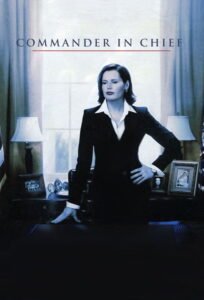
Rod Lurie created Allen as an independent Vice President who ascends after the incumbent's fatal stroke, and Geena Davis's Golden Globe win gave the one-season ABC drama an outsized cultural footprint. Davis played her as a constitutional law scholar with four children and zero patience for gendered condescension, and the show's debut drew 16.2 million viewers. Behind-the-scenes turmoil and multiple showrunner changes cut the series short after 18 episodes, but its legacy is immense: Davis later credited the role with inspiring the founding of her Geena Davis Institute on Gender in Media, an organization that reshaped Hollywood's conversation about female representation.
Read More
11

Veep

2012 • Comedy
7.5
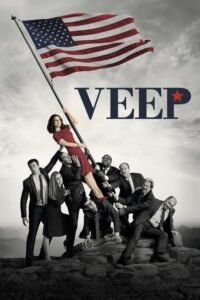
Julia Louis-Dreyfus's performance as Meyer is the most awarded portrayal of any president, real or fictional, in television history. Armando Iannucci's profane political satire built her as a wildly unqualified and monstrously ambitious Vice President who stumbles into the Oval Office and spends the rest of the series trying to stay there. The show's writing, anchored by Iannucci and later David Mandel, remains the gold standard for political comedy, and Meyer's Season 7 breakdown during a brokered convention is still being dissected in comedy-writing rooms. Veep is the only HBO comedy to ever win the Primetime Emmy for Outstanding Comedy Series three years running.
Read More
12
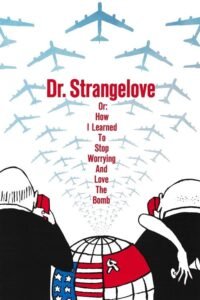
Peter Sellers played three roles in Stanley Kubrick's nuclear-war satire, but Muffley is the anchor: a bald, bespectacled Midwestern pacifist trying to politely explain impending apocalypse to a Soviet premier over the phone. Kubrick shot the War Room scenes on a stark Ken Adam-designed set that became one of the most influential production designs in film history. The "Gentlemen, you can't fight in here! This is the War Room!" line alone earned the character permanent entry in every conversation about satirical fictional presidents. The film holds a 98% score on Rotten Tomatoes and is routinely cited among the greatest comedies ever made.
Read More
13

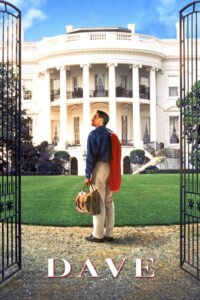
Dave

1993 • Comedy
6.6
Kevin Kline's dual performance as a small-town employment agency owner and the comatose president he physically resembles earned him a Golden Globe nomination and remains the warmest political fable of the nineties. Ivan Reitman directed Gary Ross's screenplay with a Capra-esque sincerity, and the film's fiscal-policy scene in which Dave invites his accountant friend into the Oval Office to balance the federal budget on a legal pad is an enduring piece of wish-fulfillment civics. Of all the romantic and idealistic fictional presidents, Kovic is the one most audiences would actually want in office. The film earned $63.3 million on a $28 million budget.
Read More

Fictional Presidents Who Earned Their Place on Screen

Six decades of political storytelling have produced a roster of screen leaders that rivals any actual administration in cultural footprint, and the best of them have outlasted presidencies, party realignments, and entire networks. Whether viewers are drawn to Sorkin’s rhetorical idealism, Kubrick’s satirical acid, or Emmerich’s rally-the-world bombast, the common thread is the same: these characters make the presidency feel consequential in ways the nightly news often cannot. Their speeches get memorized, their crises get studied, and their performances get cited in political-science syllabi.

Great casting and great writing are what separate the memorable fictional presidents from the forgettable cardboard ones, and this list will keep evolving as streaming platforms continue to greenlight political thrillers and disaster blockbusters at record pace. For readers who want to go deeper on the real-world templates behind the crisis presidents above, our roundup of intense military stories based on real events pairs perfectly with this ranking. Click through to continue the journey across Movievia’s political and military film coverage.


FAQ About Fictional Presidents

Who are the most iconic fictional presidents in TV shows?

Josiah Bartlet from The West Wing is widely considered the gold standard of fictional presidents in TV shows, with Martin Sheen earning multiple Emmy nominations for the role. His blend of moral conviction, intellectual sparring, and sharp policy instincts has shaped how television portrays political leadership for more than two decades, and the show itself influenced an entire generation of speechwriters and political staffers.

Who played the best fictional presidents on the big screen?

Harrison Ford’s turn as James Marshall in Air Force One remains one of the most celebrated performances of fictional presidents on the big screen. His combination of action-hero grit and presidential gravitas set a template that Hollywood still references three decades later, and he is routinely ranked first in critical polls of the best movie presidents of the modern era.

Which fictional presidents in movies are based on real people?

Most fictional presidents in movies are original creations rather than direct portrayals of real leaders, though screenwriters routinely borrow traits from specific administrations. Thomas J. Whitmore in Independence Day, for example, channels Kennedy-era optimism and fighter-pilot bravado without mirroring any actual president, and most blockbuster commanders-in-chief are similarly composite inventions designed to avoid partisan alienation.

🍿 What to watch next

Loved this vibe? Keep the binge going with:

6 Essential Matt Damon & Ben Affleck Movies to Watch Before The Rip