Hollywood spent nearly a century treating Indigenous characters as scenery, stock villains, or tragic ghosts of a vanishing frontier. The last three decades have changed that equation entirely. The best Native American Movies today fuse sweeping visual craft with authentic cultural consultation, sovereign-nation storytelling, and performances from an entire generation of Indigenous actors the studios can no longer ignore. From the Osage-led testimony inside Martin Scorsese’s late-career masterpiece to the Comanche-language hunting grounds of a blockbuster action prequel, this is no longer a fringe genre. It is a vital wing of American cinema.

This list isolates the films where the core plot is Indigenous, not decorative. Titles where the central storyline concerns tribal life, historical reckoning, or modern reservation reality, rather than fleeting cameos in a cowboy story. Several entries overlap with our deep dive into revisionist Westerns where Native Americans are the good guys, because this list leans heavily on films that refused the old cavalry-charge mythology and handed the moral weight to the people the genre had spent decades sidelining. These fifteen Native American films deliver that weight with craft, nuance, and fire.

Best Native American Movies
1

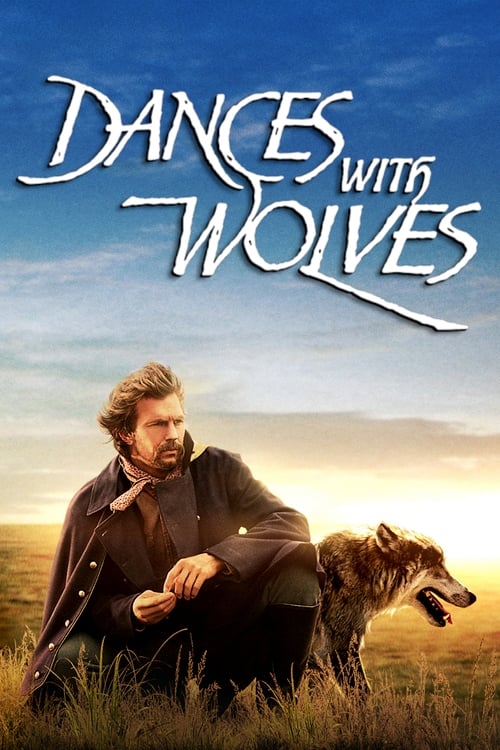
Dances with Wolves

1990 • Adventure, Drama
7.8
Kevin Costner's three-hour Best Picture winner looks miraculous now, not because of its central white-outsider framing (which subsequent generations have rightly critiqued), but because of its bone-deep commitment to language and detail. Costner insisted on subtitled Lakota dialogue from his supporting cast long before Hollywood thought audiences would tolerate it, and the film's Lakota community is rendered with individual humor, rivalry, and interiority rather than monolithic nobility. Graham Greene's Kicking Bird and Rodney A. Grant's Wind In His Hair remain two of the most fully realized Indigenous characters of the studio era, and John Barry's score still feels elegiac in the best way. It is the blockbuster that opened the door.
Read More
2

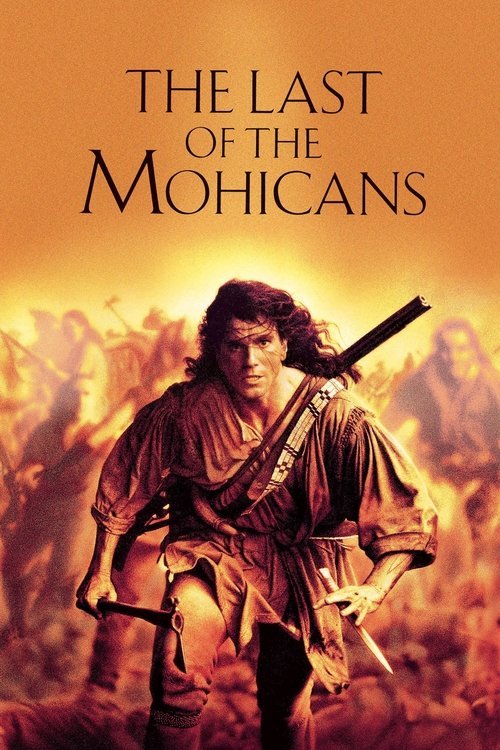
The Last of the Mohicans

1992 • Action, History
7.4
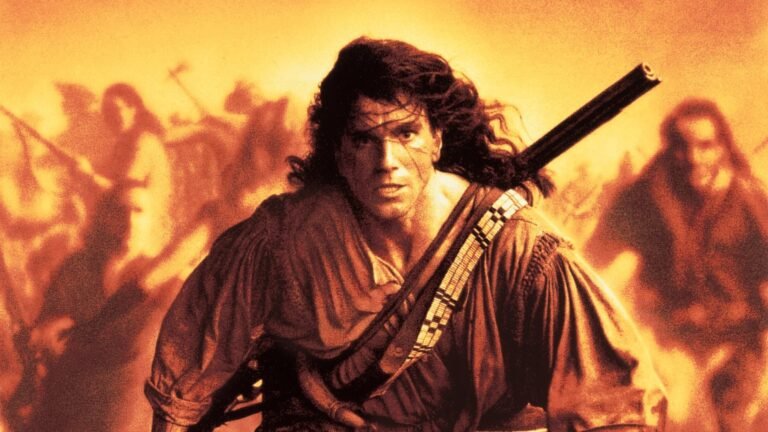
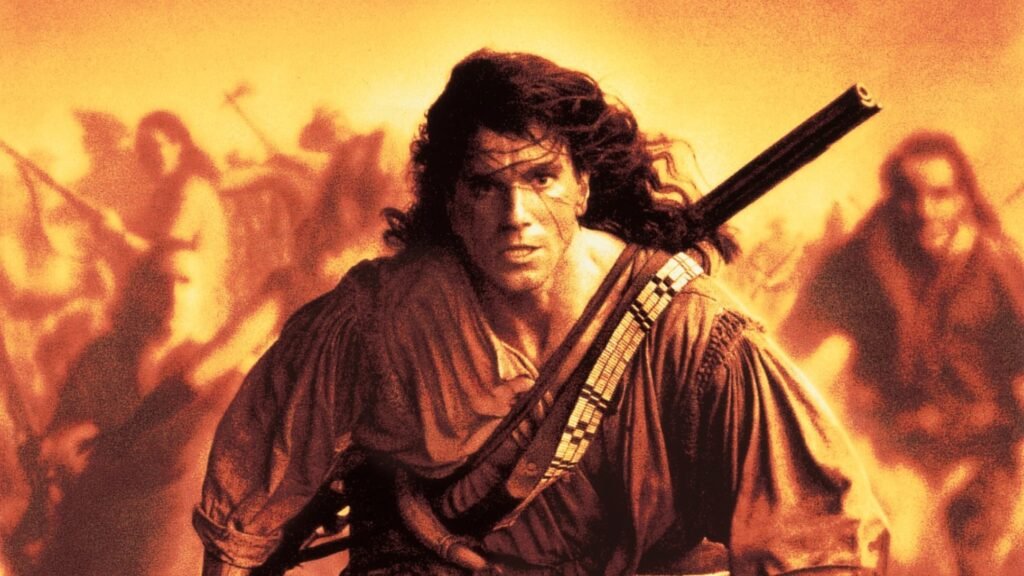
Michael Mann's adaptation is less a faithful translation of Cooper than a propulsive, operatic frontier thriller wearing Revolutionary-era clothing. Russell Means, an American Indian Movement founder and activist, anchors the film as Chingachgook with unshakeable authority, while Eric Schweig's Uncas and Wes Studi's villainous Magua generate some of the most physically committed performances of 1990s cinema. Studi in particular makes Magua a fury of grief and vengeance that outstrips any standard antagonist. The climactic cliffside pursuit remains a benchmark for kinetic staging, and the film's willingness to center Mohican grief as its emotional engine still distinguishes it from the Western genre it evolved out of.
Read More
3

Little Big Man

1970 • Adventure, Comedy
7.5
Arthur Penn's shape-shifting epic beat Dances with Wolves to the revisionist punch by two decades. Told as the flashbacks of a 121-year-old Cheyenne-raised white man (Dustin Hoffman in a career-defining performance), the film oscillates between absurdist comedy and sudden, devastating brutality. Chief Dan George's Old Lodge Skins redefined what Indigenous elders could be in American film: spiritually alive, sexually active, grievingly funny, and entirely his own man. His Oscar nomination broke ground. The massacre sequences arrived in theaters during the Vietnam War and refused to let audiences pretend the frontier had been anything less than state violence.
Read More
4

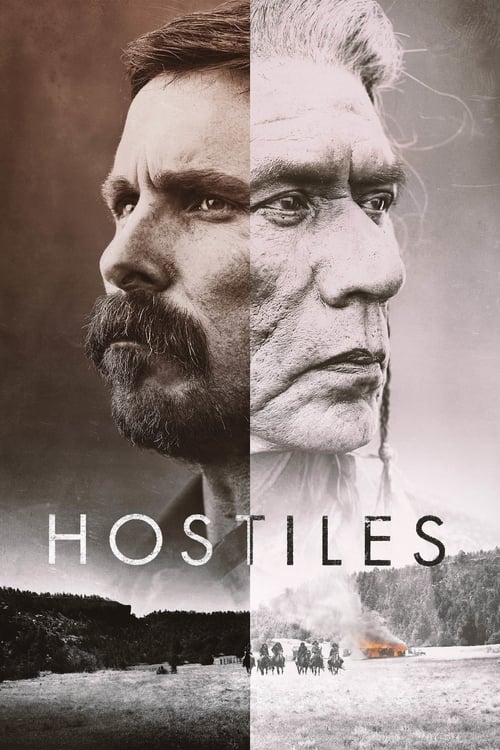
Hostiles

2017 • Adventure, Drama
6.9
Scott Cooper's late-period revisionist Western casts Christian Bale as an Army captain tasked with escorting a dying Cheyenne chief and his family from New Mexico to Montana. Wes Studi's Yellow Hawk is all silent dignity, and the decision to give him and his family (Adam Beach, Q'orianka Kilcher, Tanaya Beatty) full narrative weight lifts this above the typical reconciliation drama. The film refuses cheap forgiveness, letting violence and repentance share the same frame. It belongs among the most quietly devastating Native American Movies of the modern era, built on long silences, punishing landscapes, and the question of whether a nation can ever mourn what it built itself on.
Read More
5

Smoke Signals

1998 • Comedy, Drama
6.8
Chris Eyre directs, Sherman Alexie writes, and the result is a foundational text in the modern Indigenous film movement. Adam Beach and Evan Adams play two Coeur d'Alene friends road-tripping from their Idaho reservation to Phoenix to retrieve the ashes of Victor's estranged father. The genius of Smoke Signals is how casual it is. Reservation life simply exists on screen, with its basketball courts, its frybread, its commodity-cheese jokes, its KREZ radio station, and its inherited traumas. It rewrote what Native American Movies could sound like, giving the world a taste of interior Indigenous humor no outsider-directed film had ever landed.
Read More
6

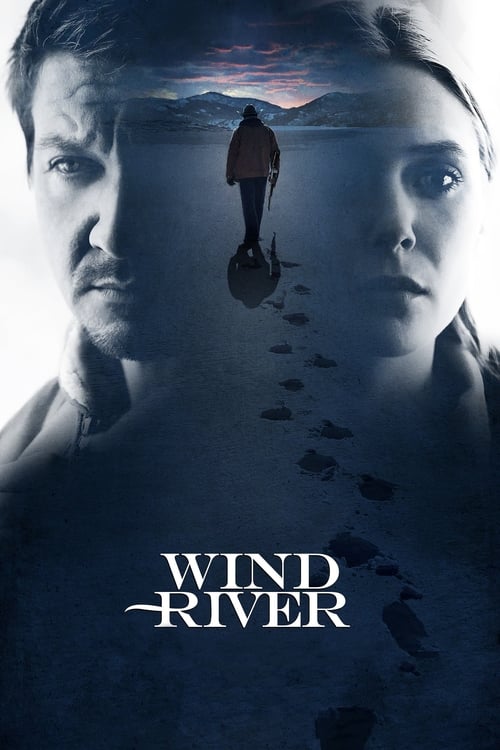
Wind River

2017 • Crime, Drama
7.4
Taylor Sheridan's snowbound thriller uses a murder investigation as a vehicle for one of the most important statistics Hollywood has ever foregrounded: that Indigenous women vanish from reservations at rates law enforcement refuses to tally. Gil Birmingham, Kelsey Asbille, Graham Greene, and Tantoo Cardinal deliver performances of terrible restraint, and the film's closing on-screen text about missing Indigenous women hit viewers like a punch in the throat. Sheridan has been rightly critiqued for centering non-Native leads, yet the film's impact on public awareness of the MMIW emergency is undeniable and earned it a permanent spot in the modern Native American cinema conversation.
Read More
7

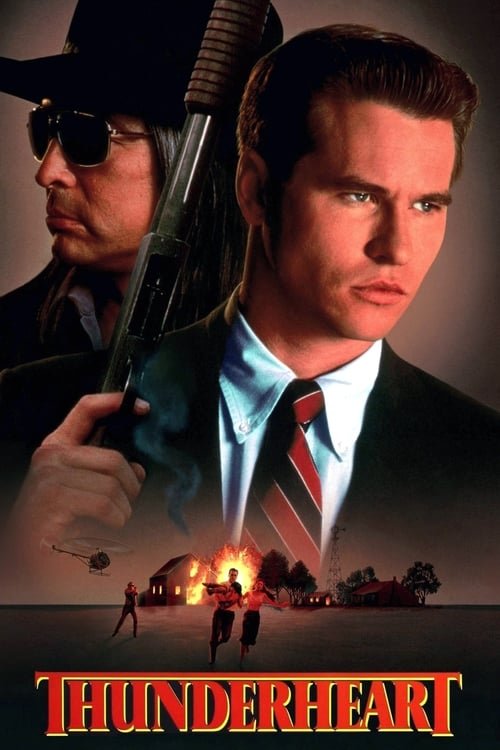
Thunderheart

1992 • Crime, Mystery
6.3
Michael Apted directs Val Kilmer as an FBI agent of part-Sioux descent sent to investigate a homicide on the Bear Creek reservation, a thinly veiled Pine Ridge analog. What elevates Thunderheart above its procedural framework is the casting: Graham Greene's tribal cop Walter Crow Horse is a comic and moral anchor, and Chief Ted Thin Elk's Grandpa Sam Reaches brings a genuine spiritual gravity that studio films rarely attempt. The film's treatment of the AIM-era federal government is unusually pointed for a 1990s Hollywood release, making it one of the more politically charged Native American Movies of its decade.
Read More
8

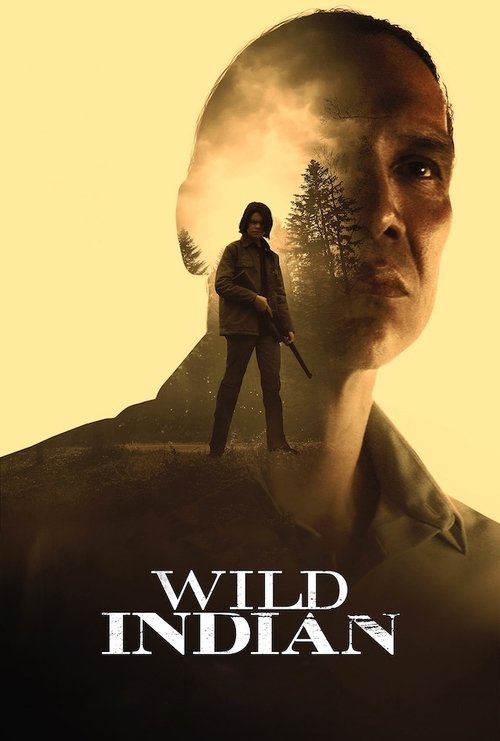
Wild Indian

2021 • Crime, Drama
5.4
Michael Greyeyes delivers a career-defining performance as Makwa, an Ojibwe man who has remade himself into a ruthless corporate executive after a violent childhood secret. Corbine's debut is an unsparing character study that refuses the healing arc Hollywood usually grafts onto Indigenous protagonists. The film treats trauma as geological rather than narrative, something layered and permanent, and Greyeyes meets that with ice-cold intensity. Chaske Spencer matches him as the friend whose life took a very different fork. Wild Indian is a small film with enormous reach and a crucial new voice in Indigenous filmmaking.
Read More
9

Killers of the Flower Moon

2023 • Crime, Drama
7.4
Martin Scorsese's late-career masterpiece reconstructs the Osage Reign of Terror, when members of the oil-rich Osage Nation were systematically murdered for their headrights in 1920s Oklahoma. Lily Gladstone's Mollie Burkhart is the film's soul, and her Oscar-nominated performance is a study in interior grief as her family is picked off one by one. Leonardo DiCaprio and Robert De Niro anchor the white complicity, but Scorsese's decision to end the film with an on-stage radio dramatization commenting on its own telling is a rare act of authorial humility. It is among the most important Native American Movies of the 21st century for sheer confrontation with historical truth.
Read More
10

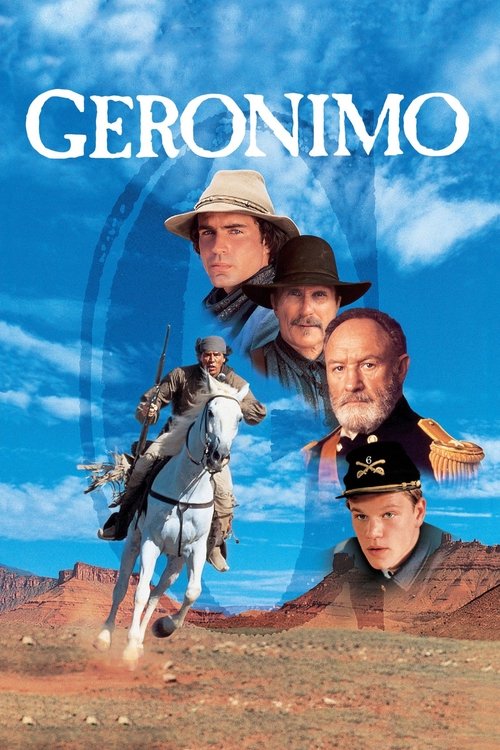
Geronimo: An American Legend

1993 • Action, Drama
6.3
Walter Hill's underrated biopic hands its center to Wes Studi, who plays Geronimo with a granite gravity that reframes the historical record. Jason Patric, Gene Hackman, and Robert Duvall fill out the military side, but the film belongs to Studi and to the Apache perspective it takes seriously. Hill refuses to make Geronimo a myth or a martyr. He is instead a strategist, a grieving husband, and a man navigating impossible choices as the reservation system closes around his people. The cinematography by Lloyd Ahern captures the Sonoran landscape with painterly reverence.
Read More
11

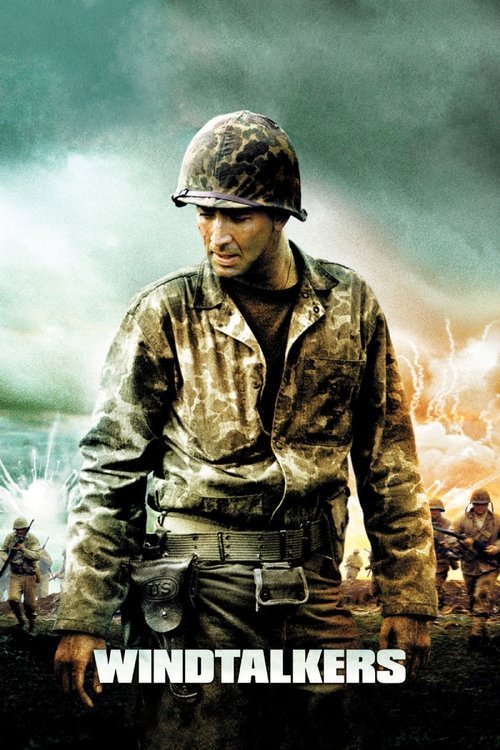
Windtalkers

2002 • Action, War
6.3
John Woo's Pacific War drama has always been a critical lightning rod, and fair enough: Nicolas Cage's Marine gets more screen time than the Navajo protagonists the real story belongs to. Yet Adam Beach's Ben Yahzee and Roger Willie's Charlie Whitehorse ground the film in authentic performance, and the subject itself — the unbreakable Navajo code that shaped the Pacific theater while the United States was simultaneously suppressing Indigenous languages at home — remains one of the most extraordinary paradoxes in American history. For that subject alone, Windtalkers earns a place among the essential Native American Movies of its era.
Read More
12

The New World

2005 • Drama, History
6.5
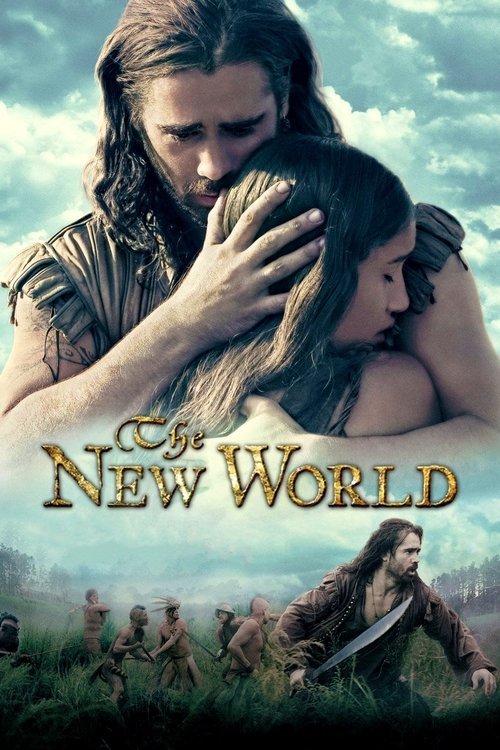
Terrence Malick's rapturous, wind-and-river version of the Pocahontas and John Smith story treats contact-era Virginia as a kind of shattered Eden. Q'orianka Kilcher's performance as Matoaka (she was fourteen) is extraordinary, giving the historical figure the full arc of adolescence, love, exile, and cultural severance that Disney's 1995 animation could never approach. Malick's camera lingers on gestures, grass, water, and silence, and the result is a film that mourns colonial contact rather than celebrates it. Colin Farrell and Christian Bale orbit Kilcher rather than the reverse. It is a singular entry in the Native American historical drama shelf.
Read More
13

Prey

2022 • Action, Science Fiction
7.7
Dan Trachtenberg resurrected the Predator franchise by handing it to a young Comanche warrior named Naru and refusing to look back. Amber Midthunder delivers a physical, lived-in performance that rewrote what a blockbuster Indigenous protagonist could be, and the film's release with a full Comanche-language dub marked a historic first for a major studio production. The action craftsmanship is superb — the beaver-pond sequence alone belongs in an action filmmaking syllabus — but what lingers is the way Naru's competence is never framed as a surprise. She is simply the most capable person in every frame, and the Predator learns that the hard way.
Read More
14

Atanarjuat: The Fast Runner

2002 • Drama, Fantasy
6.9
Zacharias Kunuk's entirely Inuktitut-language retelling of an ancient Igloolik legend won the Camera d'Or at Cannes and effectively launched the modern Indigenous world cinema movement. Shot on location in the Arctic with an all-Inuit cast and crew, the film depicts shamanic conflict, seduction, betrayal, and the legendary naked flight of Atanarjuat across the sea ice. Natar Ungalaaq's performance is physically extraordinary, and Kunuk's patient visual language — long takes, naturalistic sound, the sheer whiteness of the tundra — gives the film a documentary authenticity no scripted feature had previously achieved. It remains one of the most important Indigenous-directed films ever made.
Read More
15

Blood Quantum

2019 • Horror
5.8
Jeff Barnaby's blood-soaked horror places a zombie outbreak on a Mi'kmaq reservation where the Indigenous characters are mysteriously immune, leaving the settlers outside the gates desperate for sanctuary. The political metaphor is razor-sharp and Barnaby (who tragically passed in 2022) refused to soften any of it. Michael Greyeyes anchors the cast with simmering authority, and the film earns its gore by committing to a genuine ethical thought experiment about who deserves shelter during civilizational collapse. It is one of the most inventive genre entries in the contemporary Indigenous film catalog and a powerful late statement from a filmmaker gone too soon.
Read More

The Evolving Legacy of Native American Movies in Cinema

The strongest Native American Movies on this list do something the genre spent a century refusing to do: they treat Indigenous peoples as complex protagonists with futures, not just mourned relics of the past. That shift, from John Ford’s stoic cavalry-movie extras to Lily Gladstone commanding a three-hour Scorsese epic with her silences, is one of the most meaningful corrections American film has ever undertaken. For viewers drawn to the reservation-set realism of Wind River, the contemporary edge of Wild Indian, or the urgent sovereignty questions raised by Killers of the Flower Moon, our companion feature on must-watch modern movies about Native Americans carries the same conversation straight into the present-day Indigenous cinema moment.

The future of the genre belongs to Indigenous directors, writers, and showrunners, and the groundwork is already on screen. Every viewer who sits with these fifteen films becomes part of the audience that signals to studios what the next fifteen should look like.


FAQ About Native American Movies

What are the most historically accurate Native American Movies ever made?

Killers of the Flower Moon is widely considered the gold standard for historical accuracy among recent Native American Movies, thanks to its deep consultation with the Osage Nation and its refusal to soften the Reign of Terror. Geronimo: An American Legend and Hostiles also prioritize documented history, treating Apache and Cheyenne perspectives as primary sources rather than decorative context. Accuracy in this genre is not only about dates. It is about whose grief the camera sits with.

Which Native American Movies feature authentic Indigenous representation?

Authenticity in Native American Movies is best measured by Indigenous involvement at every production level: writing, directing, producing, and casting. Smoke Signals, Atanarjuat: The Fast Runner, Wild Indian, and Blood Quantum are directed by Indigenous filmmakers with Indigenous leads and Indigenous creative teams. Prey went a step further by producing a full Comanche-language dub of the final film, a historic first for a major studio release. Look for tribal consultation credits and casting of Indigenous actors in Indigenous roles as a baseline.

Are there any Native American Movies directed by Indigenous filmmakers?

Yes, and the list is growing every year. Key entries in the Indigenous-directed Native American Movies canon include Chris Eyre’s Smoke Signals (Cheyenne and Arapaho), Zacharias Kunuk’s Atanarjuat: The Fast Runner (Inuit), Jeff Barnaby’s Blood Quantum and Rhymes for Young Ghouls (Mi’kmaq), Sterlin Harjo’s television work (Seminole/Muscogee), and Lyle Mitchell Corbine Jr.’s Wild Indian (Bad River Ojibwe). The next decade of the Indigenous cinema conversation will be defined by this generation and the one behind them.
🍿 What to watch next

Loved this vibe? Keep the binge going with:

12 Best Time Travel Movies Without a Time Machine