When The Blair Witch Project terrified the globe in 1999, it birthed a cinematic revolution. Filmmakers realized they could generate maximum terror with minimal budgets by relying on the audience’s imagination. Fast forward two decades, and the found footage genre is largely considered a cinematic punchline. The industry took a brilliant concept of raw, unfiltered fear and aggressively strip-mined it. Corporate studios pumped out endless, low-effort Blair Witch copycats to cash in on the craze, completely forgetting the fundamental rules of tension and realism.

This oversaturation led to a massive wave of horror movie fatigue. Audiences grew completely exhausted by characters who inexplicably refused to drop their cameras while running from literal demons. The market became choked with nauseating shaky cam tropes, illogical editing, and insulting conclusions. Today, we are analyzing the catastrophic missteps of the industry. These are the exact theatrical disasters and lazy cash-grabs that permanently damaged the reputation of the found footage genre.

Found Footage Genre Movies (To Avoid)
1

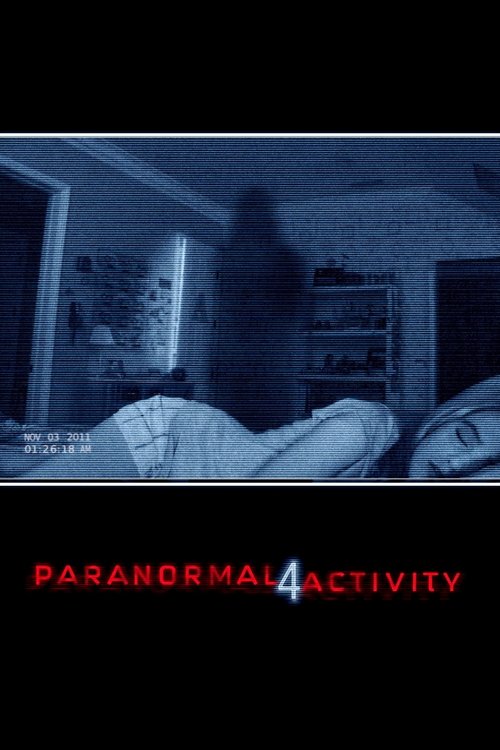
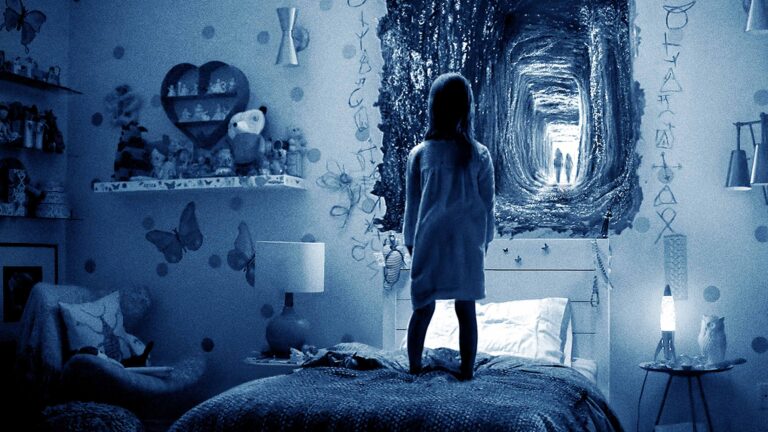
Paranormal Activity 4

2012 • Horror
5.4
This fourth installment proved the well was completely dry. Instead of building legitimate tension, the directors relied on cheap Xbox Kinect dot-matrix gimmicks and obnoxious teenage protagonists. The suffocating dread of the original was replaced with predictable jump scares timed perfectly for a distracted teenage audience. It highlighted peak horror movie fatigue, proving the studio cared more about an annual Halloween release slot than a coherent narrative.
Read More
2
5.3
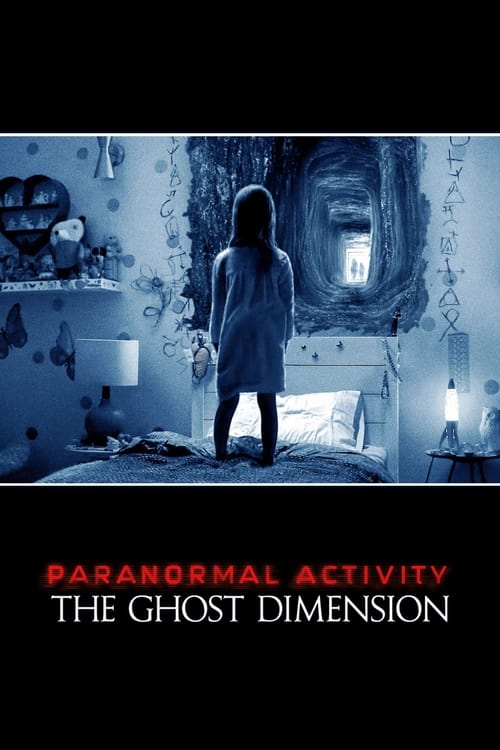
The cardinal rule of the found footage genre is that what you cannot see is far scarier than what you can see. The Ghost Dimension explicitly violated this rule by introducing a special spirit camera that allowed the audience to view the demon, Toby, as a swirling mass of terrible CGI particles. By showing the monster, the filmmakers stripped away all mystique, turning a psychological thriller into a laughable cartoon.
Read More
3

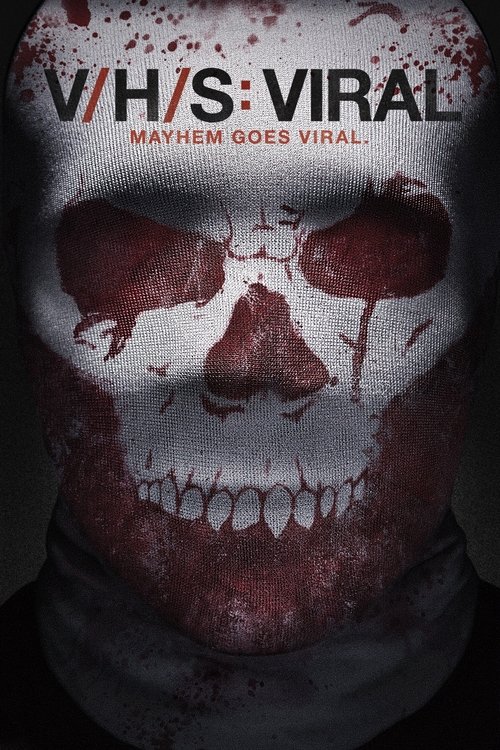
V/H/S: Viral

2014 • Horror, Thriller
4.8
The V/H/S franchise built its reputation on dirty, analog grime. Viral completely abandoned this winning formula. By pivoting to the concept of internet fame and digital uploads, the film lost the menacing, cursed-tape vibe that made the earlier anthologies so successful. The segments felt less like illicit snuff films and more like highly produced YouTube skits, alienating the core fanbase entirely.
Read More
4

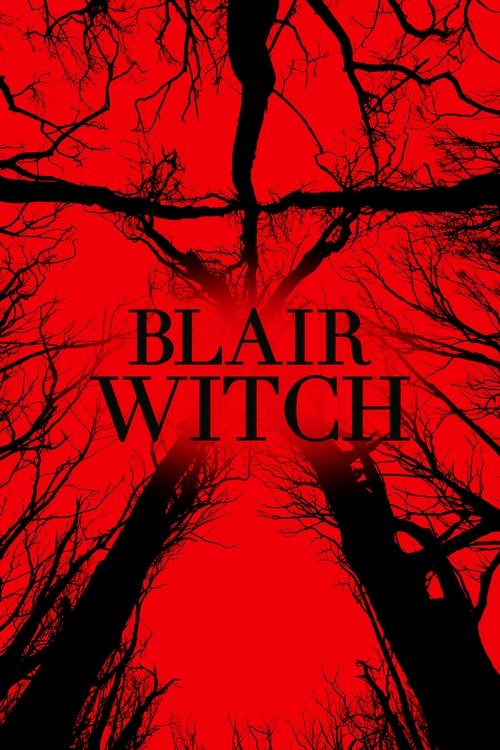
Blair Witch

2016 • Horror, Thriller
5.2
Attempting to revive a legendary property requires finesse. Director Adam Wingard instead delivered a sensory assault. The 2016 sequel replaced the psychological torment of getting lost in the woods with deafening audio stingers and ridiculous CGI branch monsters. It proved that simply throwing modern technology (like drones and earpieces) at a classic formula does not guarantee a good movie.
Read More
5

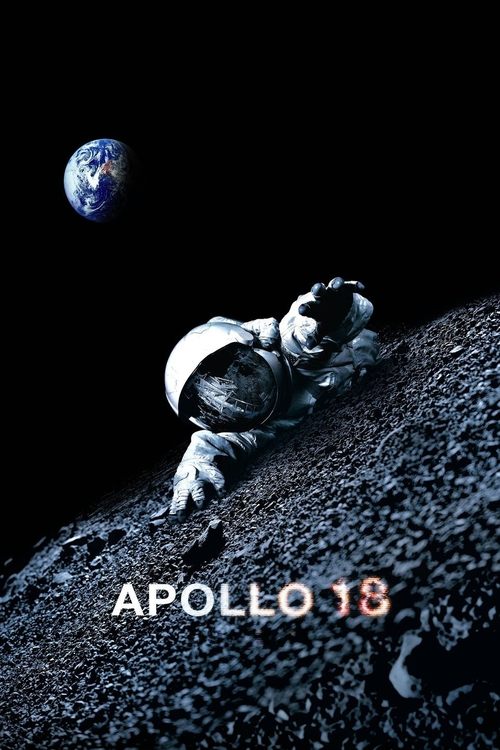
Apollo 18

2011 • Horror, Science Fiction
5.3
Setting a documentary horror in space sounds incredible on paper. In execution, Apollo 18 is a masterclass in awful editing. The film relies on multiple impossible camera angles, leaving the viewer wildly confused about who is supposedly recording the astronauts. The editing is so rapid and cinematic that it entirely ruins the illusion of classified NASA footage. Plus, the antagonists are literal moon rocks.
Read More
6

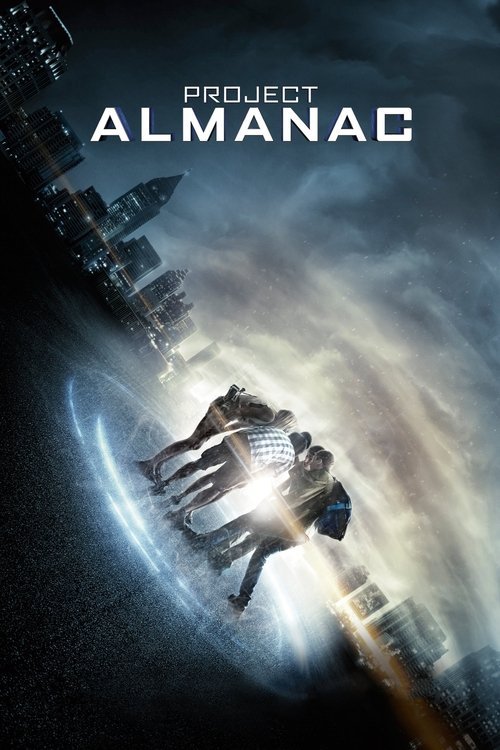
Project Almanac

2015 • Science Fiction, Thriller
6.8
Project Almanac tries to ground a time-travel story through the lens of a teenager's camcorder. The problem is the post-production. The movie features multiple angles of the same scene, perfectly timed music swells, and hyper-kinetic editing that no high schooler could ever achieve in real-time. It completely disrespects the constraints of its own format, leaving viewers dizzy and frustrated.
Read More
7

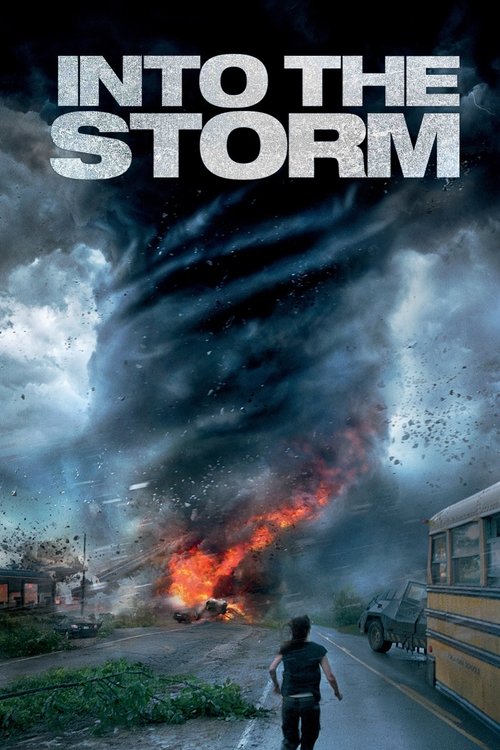
Into the Storm

2014 • Action, Thriller
6.1
This natural disaster flick wanted the intimacy of amateur video but refused to sacrifice its blockbuster CGI budget. The result is a bizarre hybrid where extreme tornados are captured with suspiciously perfect lighting and framing. It feels aggressively manufactured. When a movie looks this clean and expensive, labeling it "found footage" is a blatant lie to the audience.
Read More
8

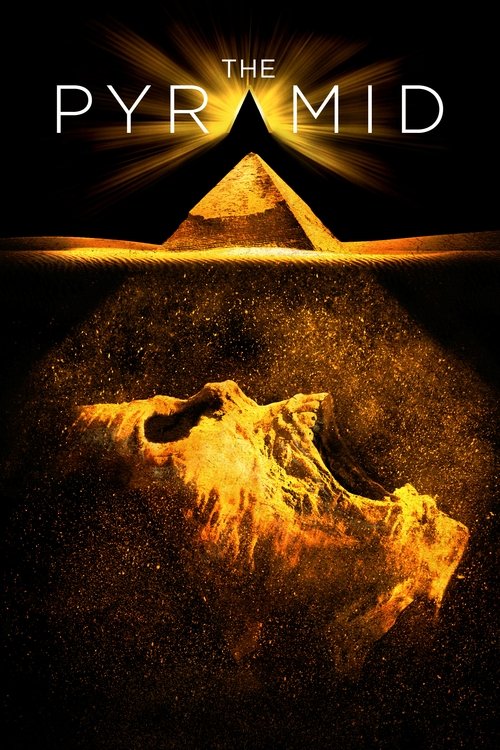
The Pyramid

2014 • Horror
5.3
Nothing highlights the laziness of modern shaky cam tropes quite like a director giving up halfway through a film. The Pyramid starts strictly from a first-person perspective but suddenly switches to traditional, omniscient third-person cameras whenever the action gets too complicated to shoot properly. It treats the audience like they are entirely unobservant, cementing its status as a total cinematic failure.
Read More
9

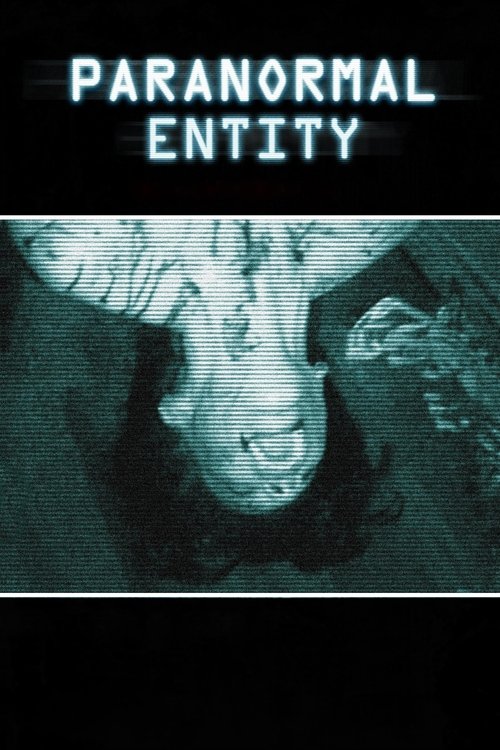
Paranormal Entity

2009 • Horror, Mystery
5.1
Produced by the infamous mockbuster studio The Asylum, this film was designed specifically to trick confused grandmothers at Blockbuster. It lifts the exact plot beats of Paranormal Activity but executes them with soap opera-level acting and dollar-store visual effects. This specific brand of blatant plagiarism severely diluted the market, making it impossible for original indie filmmakers to get noticed.
Read More
10

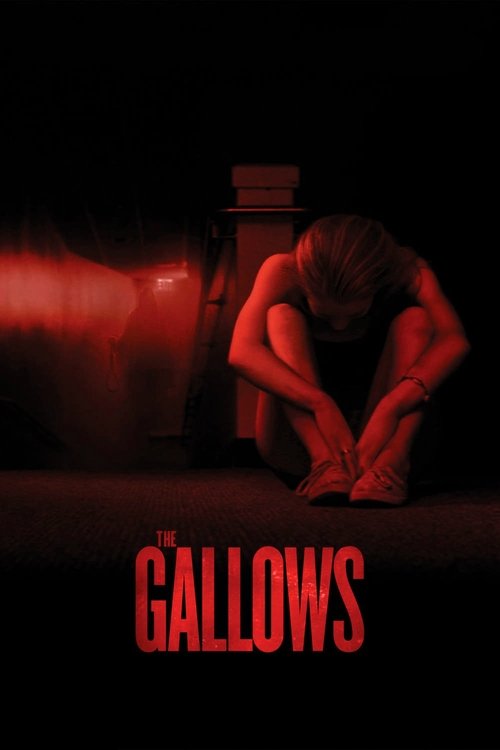
The Gallows

2015 • Horror
4.9
The Gallows is arguably the most aggressively annoying entry on this list. It relies entirely on a screaming, unlikable protagonist swinging a camera wildly in the dark. The filmmakers substitute genuine dread for sudden loud noises, leaning on every single toxic trope that critics despise. It is the cinematic equivalent of a headache.
Read More
11

Area 51

2015 • Horror, Mystery
4.9
Oren Peli created a masterpiece with his first film, but his follow-up, Area 51, proved that lightning rarely strikes twice. After sitting in post-production purgatory for years, it finally released to zero fanfare. The movie is a tedious slog of sneaking around sterile white hallways, offering absolutely no new mythology or scares. It felt archaic the second it was finally released.
Read More
12

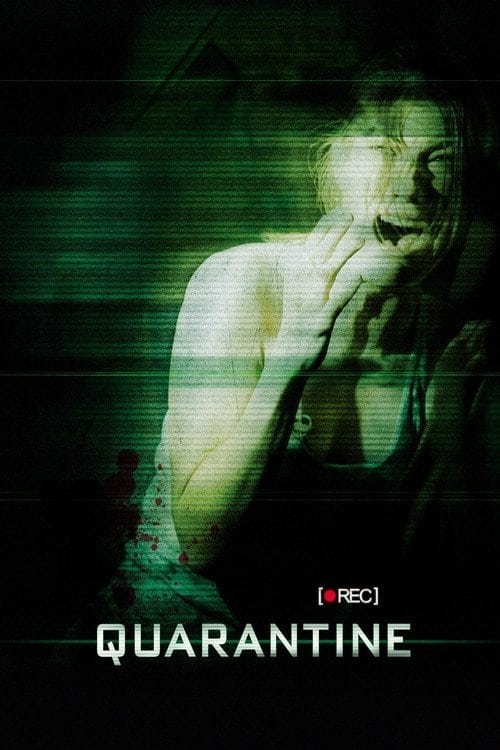
Quarantine

2008 • Horror, Science Fiction
5.8
The Spanish film REC is a terrifying, claustrophobic masterpiece of the found footage genre. Quarantine is a shot-for-shot American remake that completely misses the point. By removing the deeply unsettling religious undertones of the original and replacing them with a generic rabies-like virus, the Hollywood machine proved it lacked the nuance to handle sophisticated horror.
Read More
13

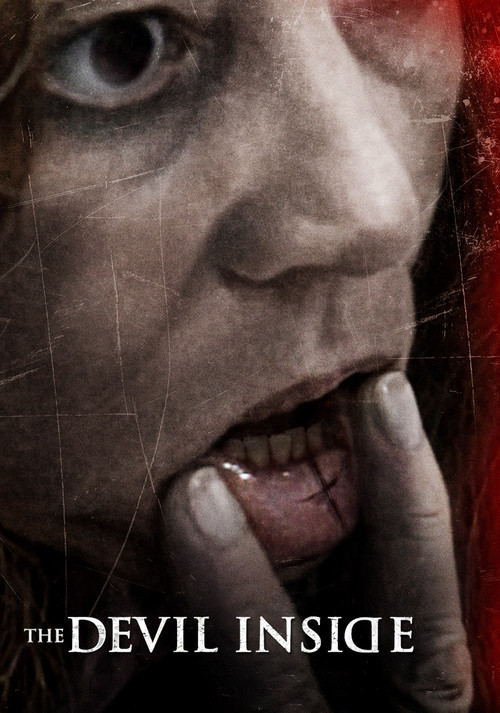
The Devil Inside

2012 • Horror, Thriller
4.7
No film has ever disrespected a paying theater audience quite like The Devil Inside. After a meandering, incredibly dull exorcism plot, the movie abruptly cuts to black during a car crash. Instead of rolling credits, the screen displays a title card telling the audience to visit a website to learn the true fate of the characters. It was a cynical, disgusting marketing stunt that infuriated the public and severely damaged trust in the genre.
Read More
14

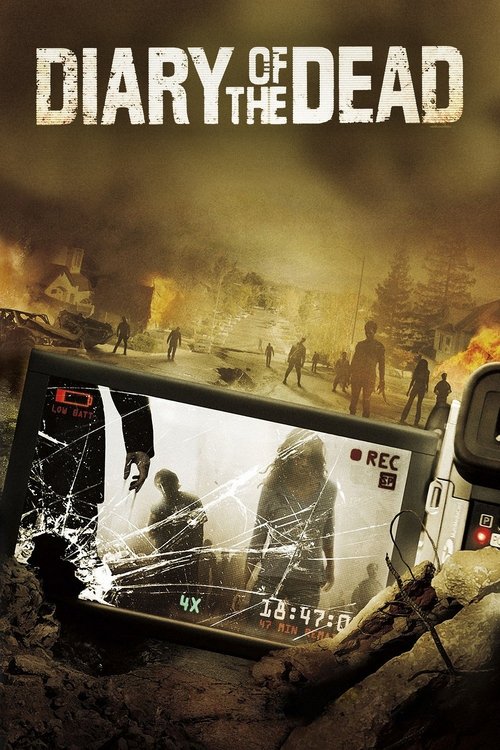
Diary of the Dead

2007 • Fantasy, Horror
5.6
Even legends stumble. George A. Romero essentially invented the modern zombie, but his attempt to tackle the found footage genre felt remarkably out of touch. The dialogue is highly unnatural, the characters are unbelievable as student filmmakers, and the forced social commentary about the digital age feels like a boomer shaking his fist at a smartphone.
Read More
15

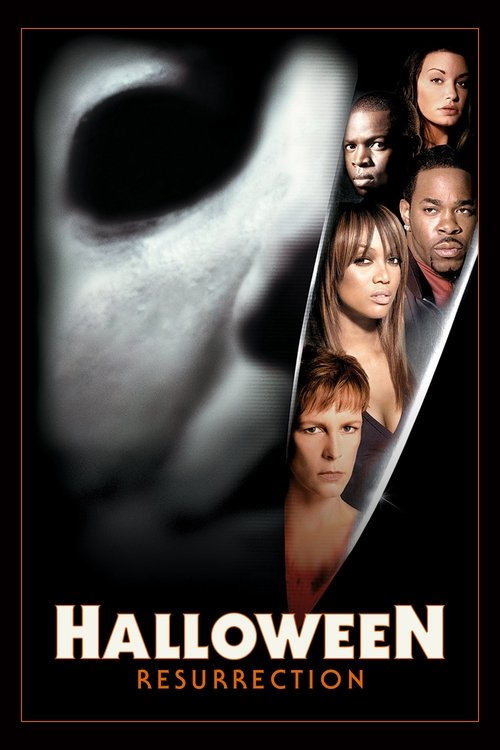
Halloween: Resurrection

2002 • Horror, Thriller
4.6
Taking a legendary slasher icon and shoving him into a reality TV webcam gimmick is a prime example of chasing a trend over maintaining brand integrity. Halloween: Resurrection uses terrible, grainy head-cam footage to simulate a live internet broadcast. It removed all the cinematic grandeur of Michael Myers, reducing him to a punchline in a desperately uncool, desperately dated cash grab.
Read More
16

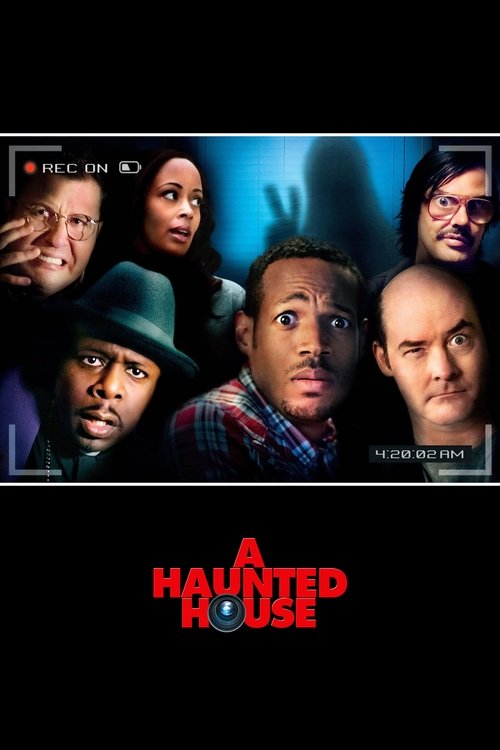
A Haunted House

2013 • Comedy, Horror
5.9
When the Wayans brothers target a genre for a spoof movie, it is the ultimate indicator that the format's tropes have become culturally exhausted. A Haunted House systematically mocked the dragging bodies, the static night-vision cameras, and the demonic possession rules. Once audiences are laughing at the exact mechanics that used to terrify them, the genre is officially on life support.
Read More

The rise and fall of the found footage genre is a harsh lesson in Hollywood economics. What began as a brilliant, terrifying method to bypass massive studio budgets eventually devolved into an excuse for lazy filmmaking. The reliance on nauseating shaky cam tropes, endless Paranormal Activity sequels, and insulting non-endings ultimately destroyed the audience’s trust. While indie filmmakers still occasionally strike gold with the format, the golden era of the theatrical first-person horror boom is definitively over.


Why did the found footage genre become so unpopular?

The format suffered from massive oversaturation. Following the massive financial success of a few key hits, major studios flooded the market with incredibly low-budget, low-effort Blair Witch copycats. Audiences quickly developed horror movie fatigue as they were subjected to the same predictable jump scares, awful shaky camerawork, and terrible acting year after year.

What are the most annoying shaky cam tropes?

Viewers consistently complain about the “illogical cameraman.” This happens when a character refuses to drop their heavy recording equipment while actively running for their life from a murderer or a monster. Additionally, movies that cheat by using professional, cinematic lighting and clean audio while pretending to be amateur home video completely ruin the required suspension of disbelief.

Will the found footage genre ever make a comeback?

While the traditional format is heavily damaged, the genre is currently evolving into “Screenlife” horror. Movies taking place entirely on computer screens, Zoom calls, or through social media interfaces offer a modern, highly relatable spin on the old aesthetic. The core desire for intimate, first-person terror remains, but the delivery methods must change to match modern technology.

🍿 What to watch next

Loved this vibe? Keep the binge going with:

The 15 Greatest TV Seasons of the Most Popular Shows Ever