
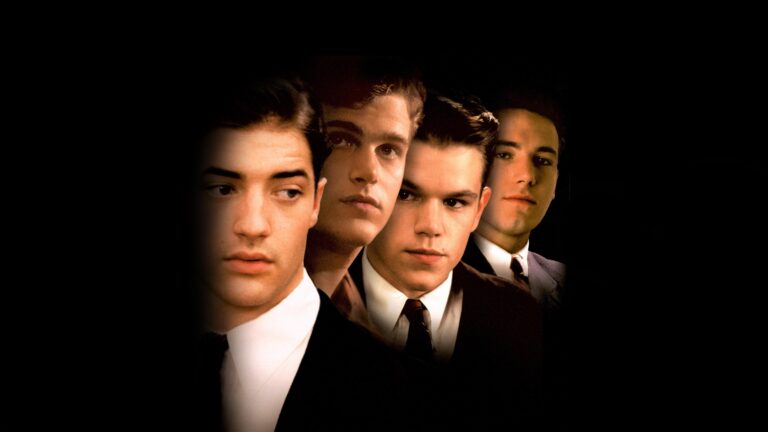

The cinema of the 1990s captured a highly specific, rarefied world of academia. Long before social media influencers attempted to replicate the look with fast fashion, Hollywood directors were meticulously capturing the authentic Old Money Aesthetic on celluloid. We are talking about genuine heritage style, ivy-covered brick facades, crest-emblazoned blazers, and the deep-seated generational privilege that defined elite campus culture during this decade. These films did not merely use extreme wealth as an aesthetic backdrop. They actively interrogated the mechanics of the American upper class, delivering razor-sharp commentary wrapped in cable-knit sweaters, perfectly tailored tweed, and undeniable cinematic pedigree.
For true cinephiles and style historians, revisiting these underappreciated gems provides a masterclass in production design and wardrobe styling. The authentic Old Money Aesthetic relies heavily on subtlety, utilizing muted autumnal color palettes, sprawling manicured estates, and rigid social hierarchies to convey power without raising its voice. From prestigious New England boarding schools to the hallowed, secretive halls of the Ivy League, the following seventeen films serve as the definitive architectural and sartorial blueprints for collegiate elitism.
At a Glance: Best What to Watch Picks
- →School Ties (1992)
- →Scent of a Woman (1992)
- →Rushmore (1998)
- →Strike (1998)
- →Outside Providence (1999)
- →The Man Without a Face (1993)
- →Toy Soldiers (1991)
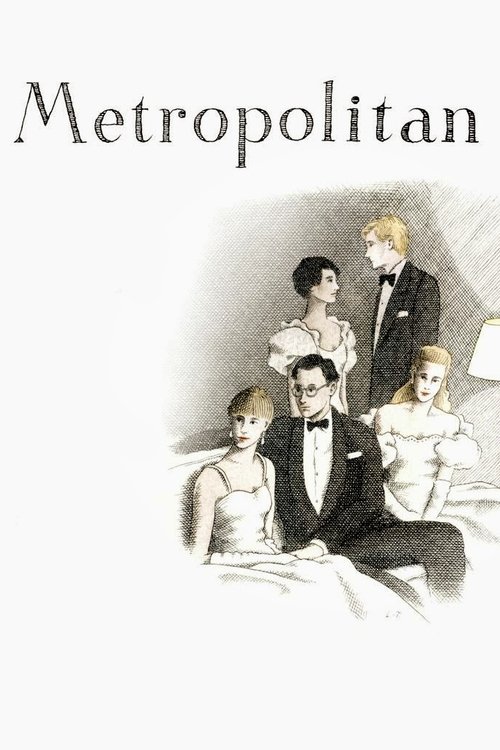
- →Metropolitan (1990)
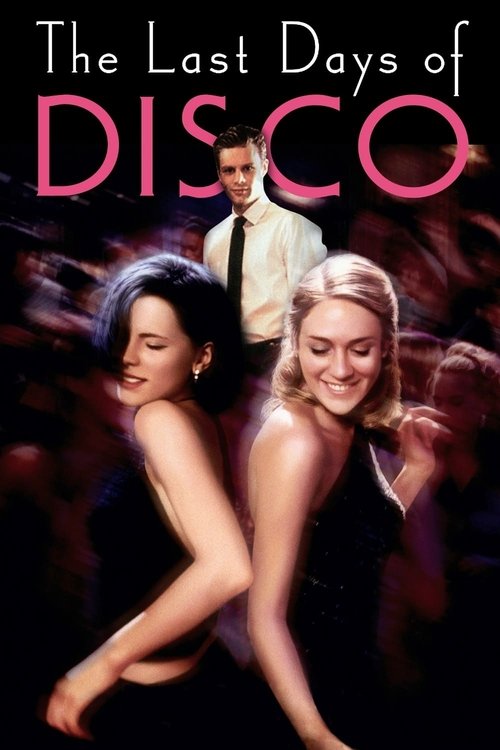
- →The Last Days of Disco (1998)
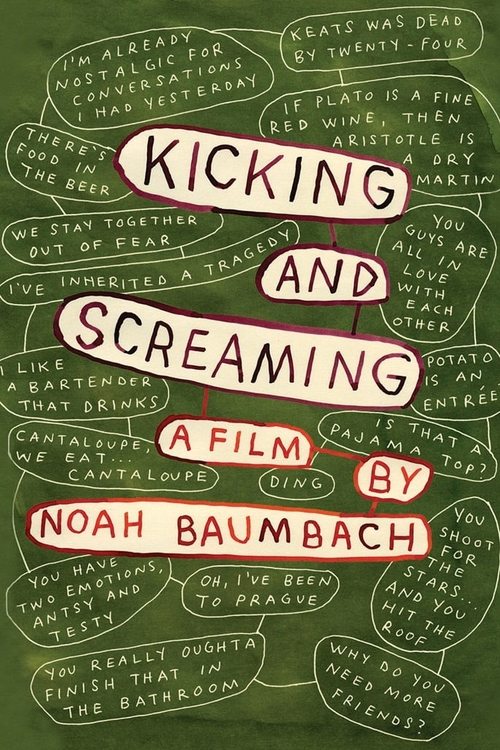
- →Kicking and Screaming (1995)
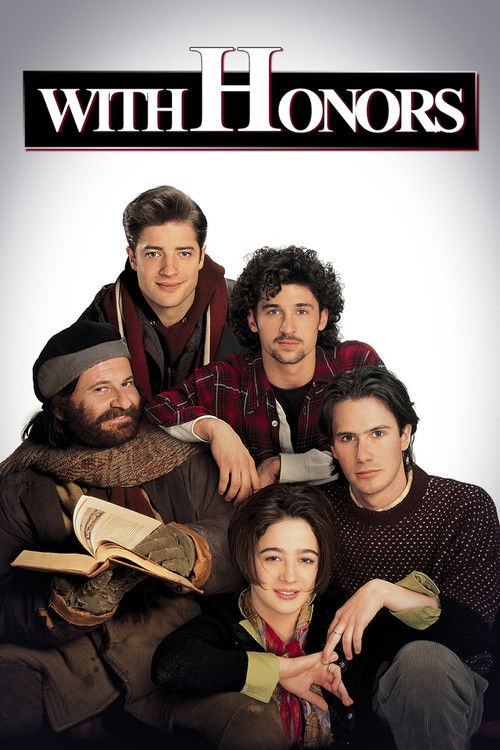
- →With Honors (1994)
- →The Curve (1998)
- →Cruel Intentions (1999)
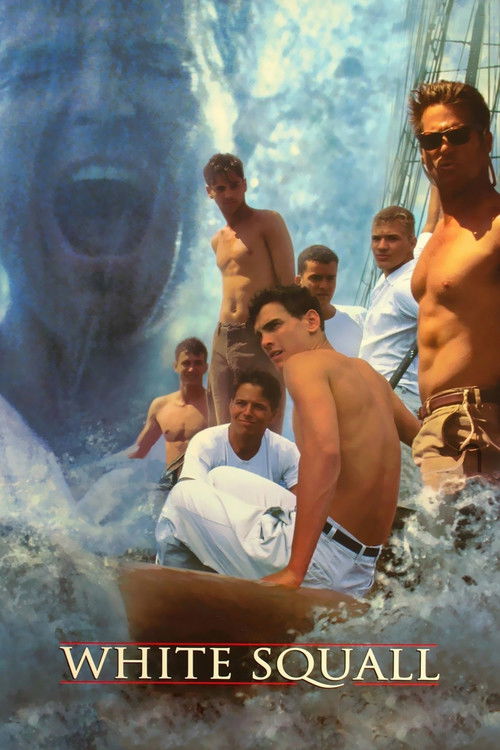
- →White Squall (1996)
- →Masterminds (1997)
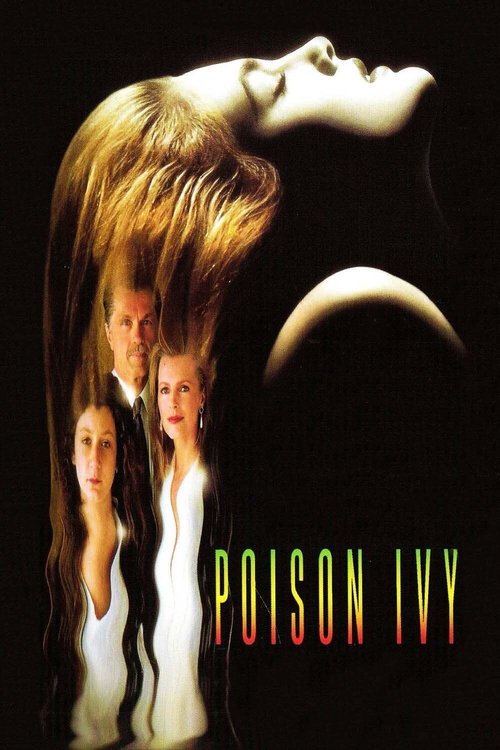
- →Poison Ivy (1992)
- →PCU (1994)
The Best Old Money Aesthetic on Campus Movies
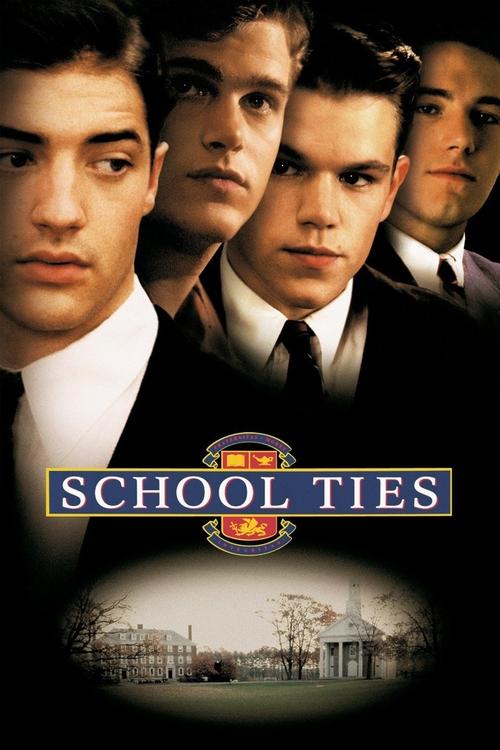
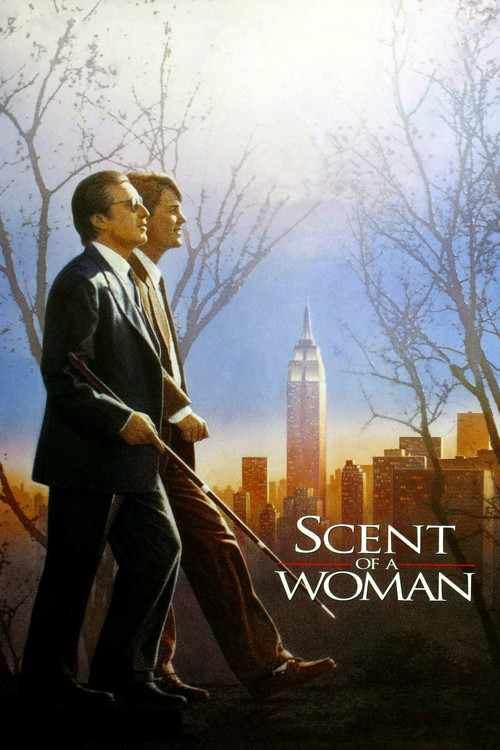
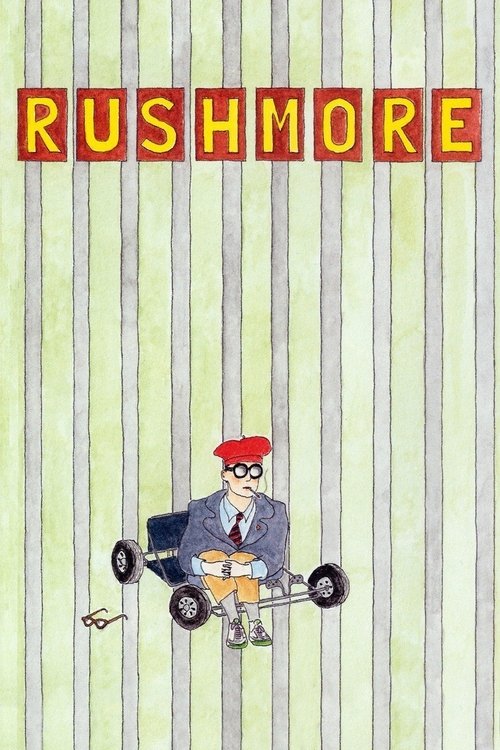




The 1990s produced a unique, incredibly potent era of academic filmmaking that understood how to weaponize wardrobe and production design. These seventeen films remain essential viewing not simply for their nostalgic value, but for their masterful execution of the Old Money Aesthetic. They prove that authentic style on film is never just about the clothes themselves, but about the history, power, and privilege those garments represent. By studying these campus classics, viewers gain a deeper appreciation for how Hollywood builds untouchable worlds, using tweed, brick, and ivy to craft some of the sharpest societal critiques of the decade.
How did 90s campus movies influence the modern Old Money Aesthetic?
The films of the 1990s codified the visual rules of elite academia for a mass audience. Before these movies, upper-crust sartorial codes were largely isolated to actual Ivy League campuses and exclusive New England enclaves. By placing these specific styles on massive cinema screens, directors and costume designers created a widely accessible blueprint for the Old Money Aesthetic. Modern fashion trends, such as the resurgence of “Dark Academia” and “Quiet Luxury”, directly pull their foundational references from the specific tailoring, muted color palettes, and collegiate branding showcased in these specific 90s films.
Which costume designers pioneered the Old Money Aesthetic in 90s cinema?
Several brilliant designers shaped this movement, meticulously sourcing authentic heritage brands rather than building costumes from scratch. Designers like Mary Zophres (who worked on Rushmore) and the teams behind Whit Stillman’s films understood that the Old Money Aesthetic required genuine articles from Brooks Brothers, Ralph Lauren, and J. Press to read authentically on camera. They prioritized the concept of “wealth whispers”, ensuring that the garments looked incredibly expensive but also comfortably worn-in, signifying that the characters had possessed this wealth for generations rather than having just acquired it.
Why is the Old Money Aesthetic so prevalent in boarding school films?
Boarding schools serve as the ultimate cinematic microcosm for class warfare and societal hierarchy. The Old Money Aesthetic provides immediate visual shorthand for power, tradition, and exclusion. When a director dresses a character in a perfectly fitted crest blazer, the audience instantly understands the character’s background, their assumed superiority, and the intense pressure of their legacy. This aesthetic instantly establishes the stakes of the narrative, creating a visually intimidating world that outsiders (and the audience) must desperately try to navigate or tear down.