

The Crimson Tide: Redefining Vampire Horror
If the last decade of cinematic bloodsuckers taught us anything, it is that the genre often suffers from a severe identity crisis. Somewhere between the brooding, glittery romance of the Twilight saga and the sanitized superhero-ification of Morbius, we collectively forgot a fundamental truth: vampires are apex predators who do not want your heart; they want to violently tear it out. When executed correctly, a vampire film serves as a masterclass in visceral horror, trading polite nibbles for arterial spray. These films remind audiences that the vampire mythos is rooted in the fear of being hunted, consumed, and discarded by something stronger than us.
This list is for the gore-hounds and practical effects purists who believe the best entries in the genre are the ones unafraid to ruin the wardrobe department’s entire budget. After meticulously combing through the archives of horror history, ranging from dusty Grindhouse classics to modern, high-octane splatter-fests, we have curated the definitive ranking of the most sanguinary cinema ever produced. These are not cautionary tales about eternal love; they are survival stories drenched in hemoglobin. Prepare your stomachs, because things are about to get messy. Here are the 10 bloodiest vampire movies of all time, ranked by sheer volume of visceral carnage.
-
10 Bram Stoker’s Dracula (1992)
Sony Pictures Entertainment Watch Now
Operatic Violence in a Gothic Masterpiece
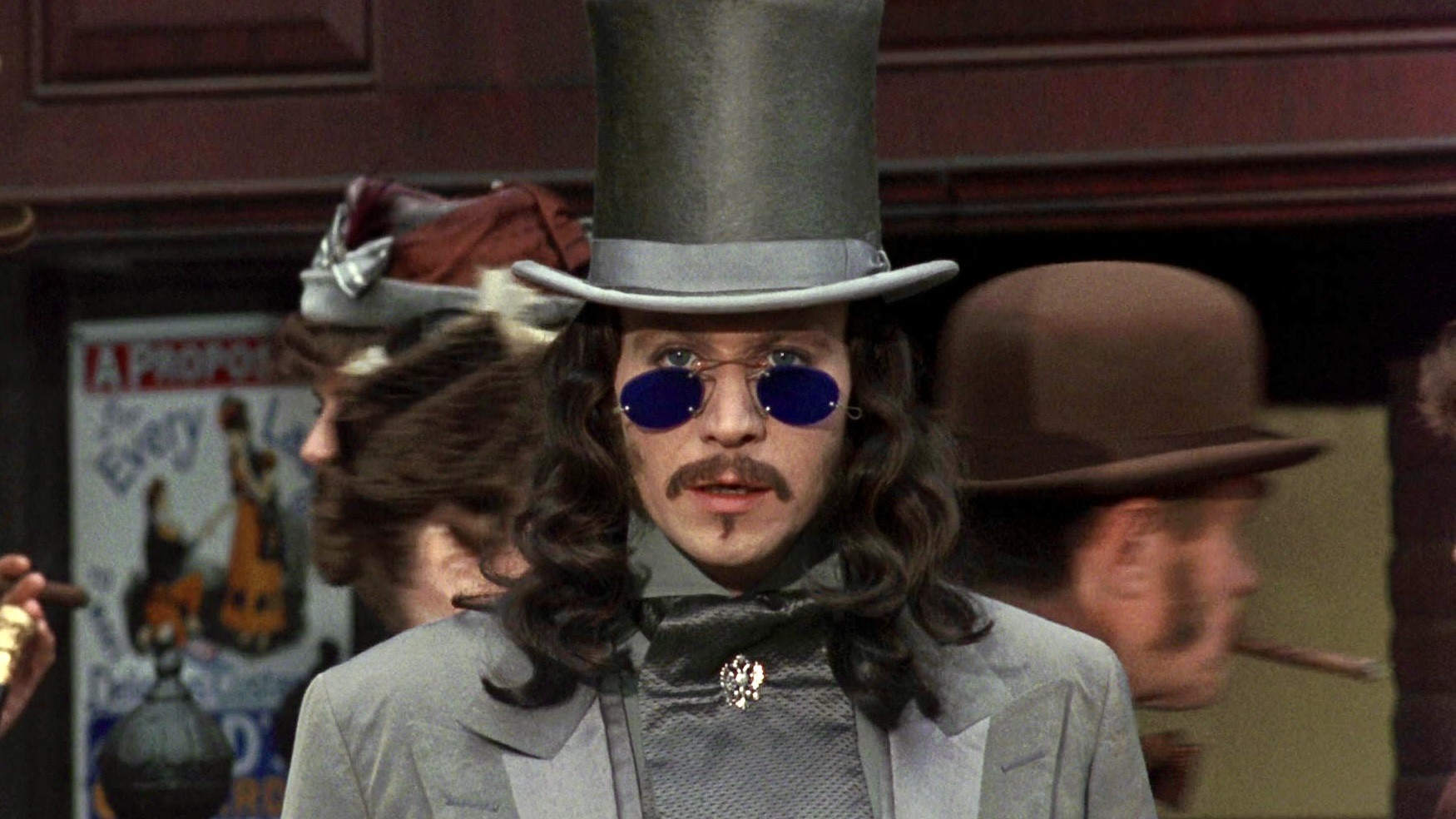
Bram Stoker’s Dracula (1992) is often praised primarily for its sweeping gothic romance and Eiko Ishioka’s Oscar-winning costume design, yet Francis Ford Coppola’s adaptation is surprisingly drenched in stylized gore. Coppola opted for old-school, in-camera effects rather than relying on early CGI, which gives the violence a tangible, operatic quality that digital blood simply cannot replicate. The director treats blood not just as a shock tactic, but as a vital life force that connects the characters across centuries. It is a film where the environment itself seems to bleed, reinforcing the idea that evil has seeped into the very stonework of the Count's castle.
From the unforgettable opening scene where a cross is stabbed in a fit of rage, causing the stone walls to literally bleed in heavy torrents, to the savage decapitations and throat-slittings that follow, the film never shies away from the red stuff. The scenes involving the brides feasting on an infant or the final confrontation are executed with a gruesome elegance that sets it apart from typical slasher fare. While it maintains a high-art aesthetic, make no mistake: this is a brutal film where blood sprays, oozes, and flows in nearly every reel. It remains the most artistically sophisticated use of gore on this list, proving that horror can be both beautiful and repulsive.
-
9 Near Dark (1987)
STUDIOCANAL
The Gritty Realism of Near Dark
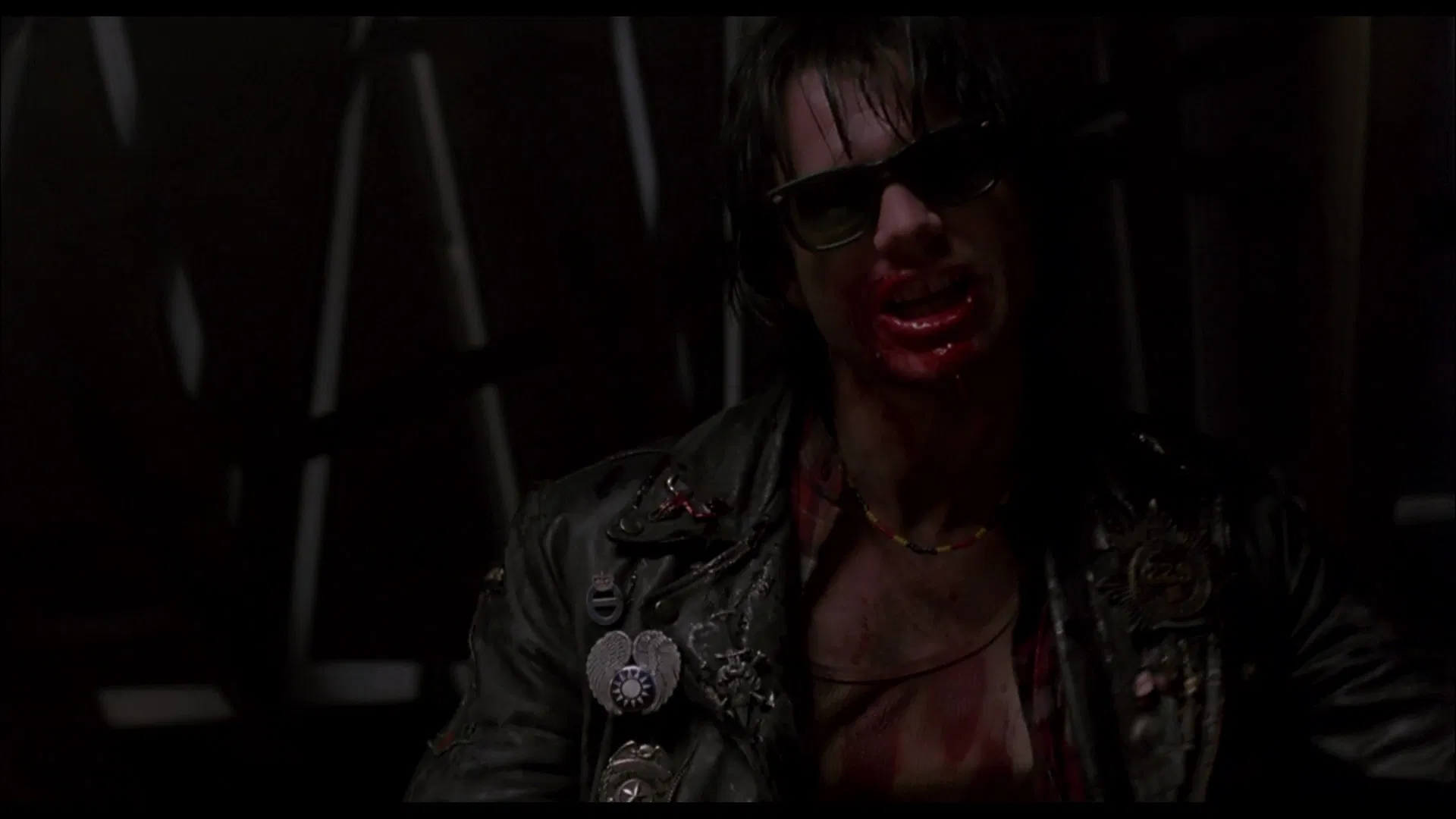
Near Dark (1987) stripped away the gothic castles and velvet capes long before Kathryn Bigelow was winning Oscars for The Hurt Locker. This gritty, neo-western vampire classic replaced the aristocracy with dusty highways, dirty denim, and a nomadic existence that felt terrifyingly real. Bigelow’s vampires are not seductive counts; they are drifters who kill because they have to, and they enjoy every second of it. The film’s atmosphere is thick with dread, suggesting that the monsters are not hiding in a crypt, but in the beat-up van parked next to you at a roadside diner. It revolutionized the genre by grounding the supernatural in the grime of the American Midwest.
The standout moment and the primary reason it secures a spot on this list of bloodiest vampire movies is the infamous barroom massacre. It is a scene of pure, unadulterated carnage where the vampire "family" severs arteries with the casual indifference of someone cracking open a cold beer. Led by a terrifying Bill Paxton, the violence here feels dangerous and heavy, completely lacking the fantastical gloss of its contemporaries. When throats are slit in Near Dark, it looks painful and messy, emphasizing the brutality of the predators. This sequence remains one of the most effective displays of power dynamics in horror history, proving that a bar fight can be more frightening than a haunted house.
-
8 Fright Night (2011)
The Walt Disney Studios Watch Now
A Remake That Punched Above Its Weight
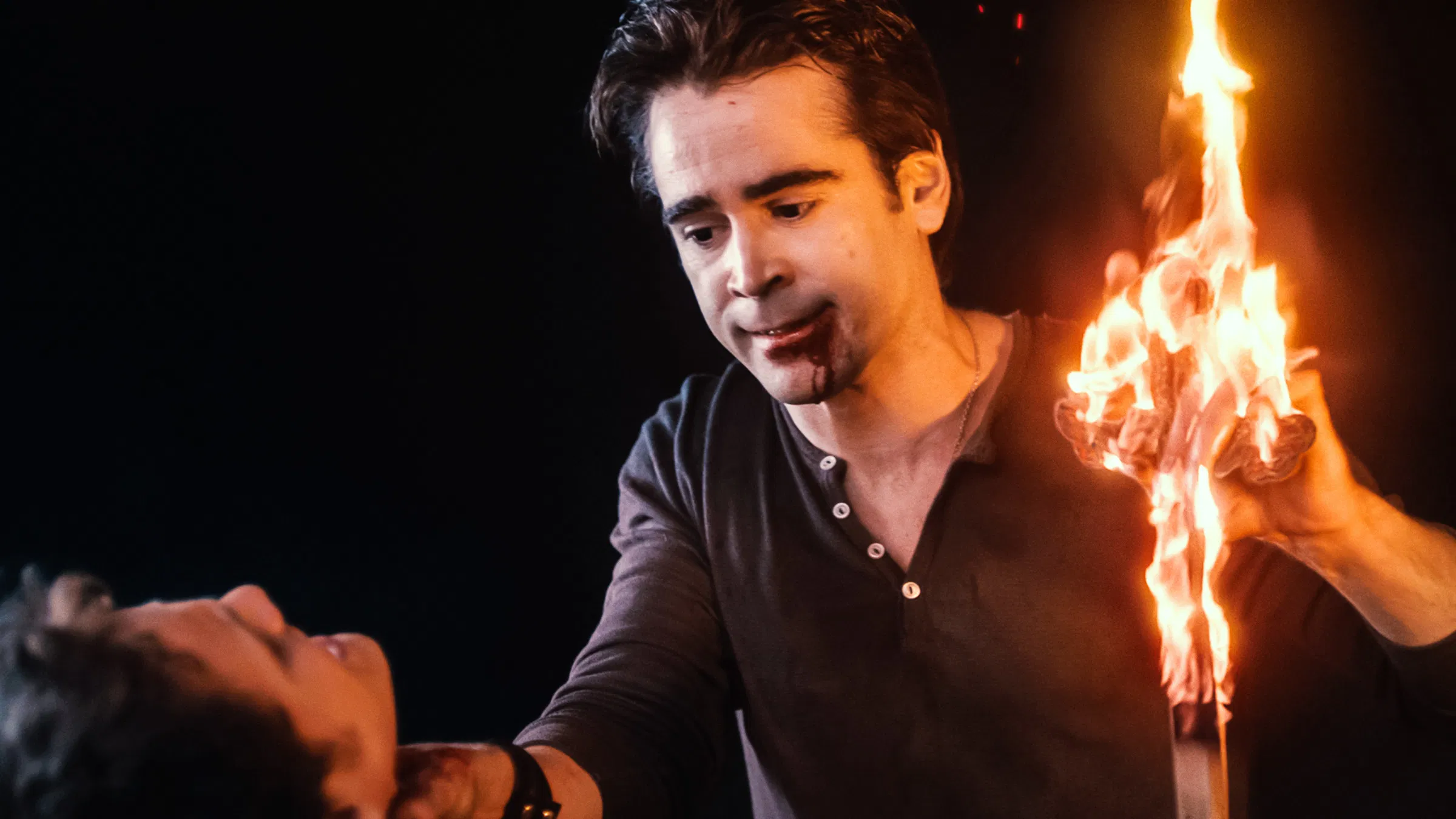
Fright Night (2011) proved that remakes are rarely kind to horror fans, yet Craig Gillespie’s update of the 1985 classic punched well above its weight class. This success was largely thanks to Colin Farrell’s menacing portrayal of Jerry, who is not a seducer, but a shark in a tank top. The film understands that to modernize the story, the threat level had to be escalated significantly. Gillespie leans hard into the R-rating, abandoning the campy charm of the original for aggressive, bone-crunching violence. The tension is palpable from the start, but when the violence erupts, it is sudden and shocking, utilizing modern practical effects to devastating impact.
The 2011 Fright Night unleashes a staggering volume of blood in its third act, particularly when the suburban home essentially becomes a slaughterhouse. The practical effects used for the vampire transformations and the resulting dismemberment elevate this from a teen comedy to a legitimate splatter film. Scenes involving severed limbs and exploding vampires are handled with a glee that would make the original creators proud. The film does not just hint at the violence; it revels in it, spraying the camera and the cast with gallons of fake blood. It is a surprisingly vicious entry that deserves more credit for its uncompromising approach to the vampire hunter dynamic.
-
7 Thirst (2009)
NBC Universal Watch Now
The Medical Horror of Thirst
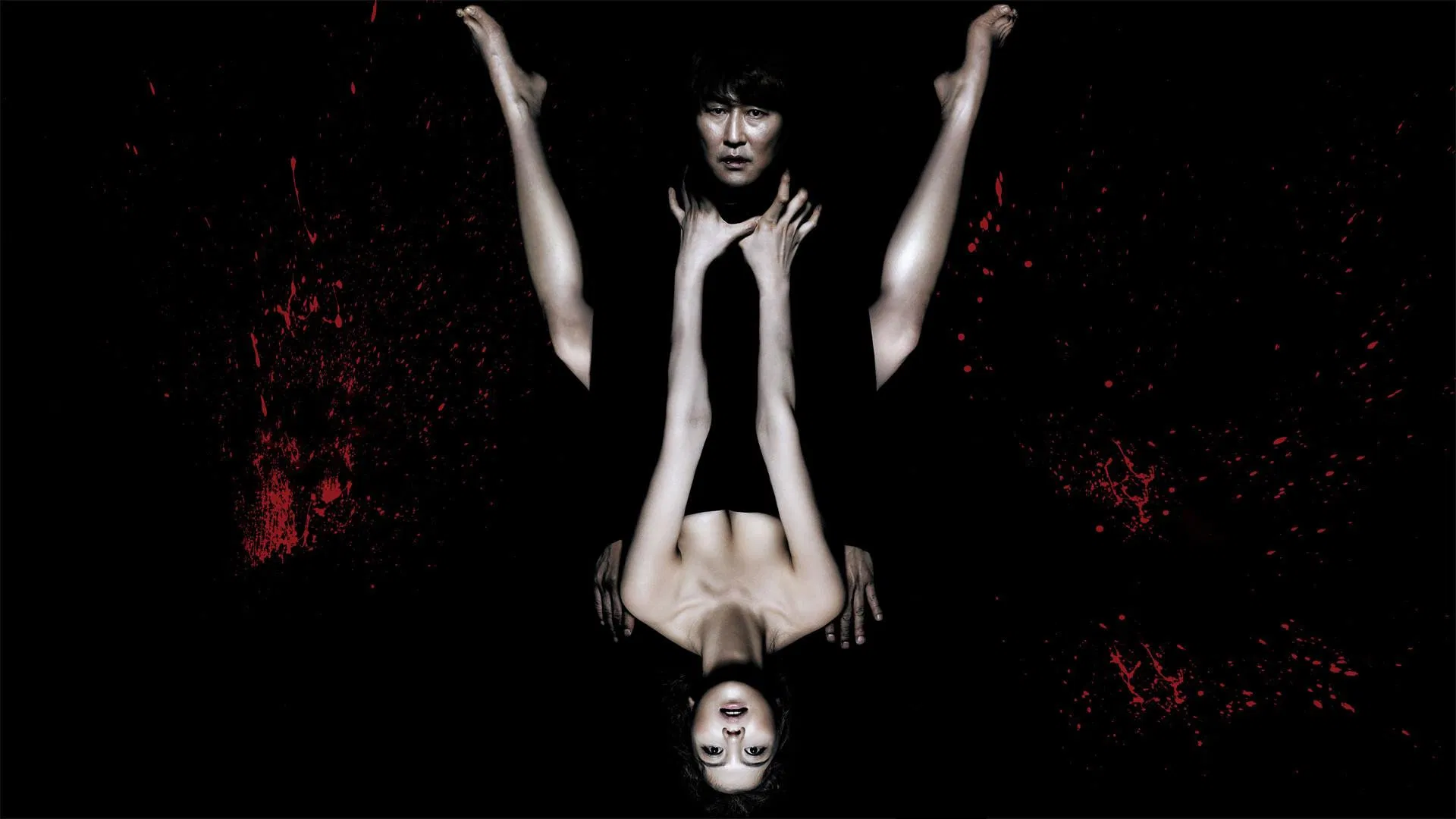
Thirst (2009) demonstrates why South Korean cinema is renowned for not pulling punches (as seen in Oldboy), and Park Chan-wook’s film is a masterclass in biological horror. The story follows a priest who turns into a vampire after a failed medical experiment, and the director focuses intensely on the "medical" aspect of blood consumption. It is less about combat and stylized action, and more about the messy, desperate necessity of feeding to survive. The film treats vampirism almost like a terminal illness that requires a gruesome treatment plan. Park Chan-wook uses long, uncomfortable takes to force the audience to confront the reality of what drinking blood actually entails.
The film is deeply unsettling, largely due to the sound design alone: the wet, slurping noises are enough to churn stomachs even before the visuals kick in. The climax, set in a blindingly white room that essentially becomes a canvas for red paint, is one of the most visually striking and disturbing sequences in modern vampire lore. As reported by Variety and other critics at the time, the film pushes the boundaries of the genre by mixing dark humor with extreme gore. The juxtaposition of the pristine white setting with the uncontrollable torrents of crimson creates a lasting image that defines art-house horror violence. It is a beautiful, terrible nightmare.
-
6 Daybreakers (2009)
Lionsgate Watch Now
The Exploding Bodies of Daybreakers
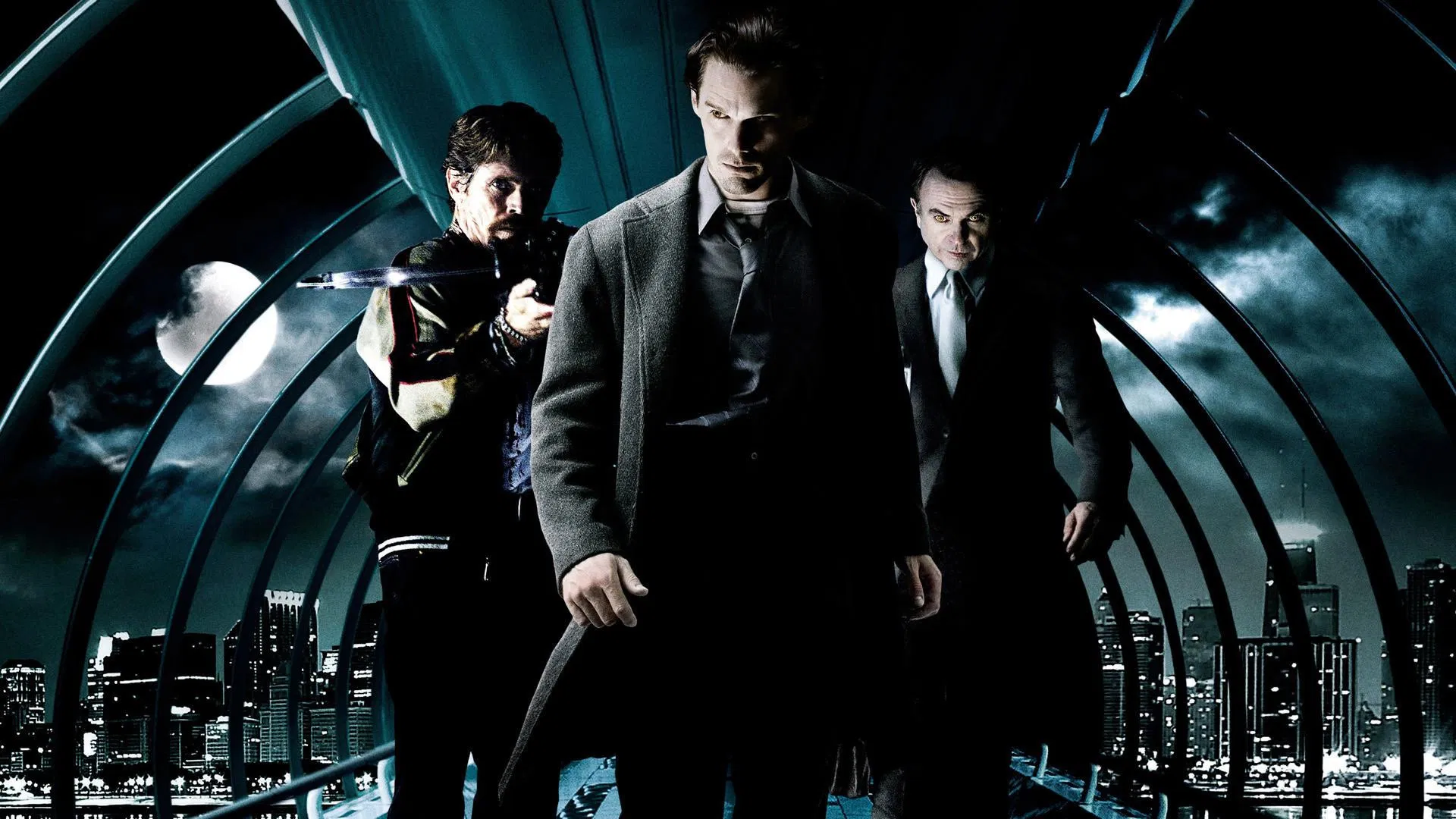
Daybreakers (2009) offers a fascinating sci-fi premise that asks a simple question: What happens when vampires win and subsequently run out of food? The answer is incredibly messy. The Spierig Brothers crafted a world where the blood shortage causes citizens to devolve into "subsiders"—starving vampires that transform into mindless, bat-like monstrosities. This setup allows for a unique brand of violence that is both explosive and clinical. The film features industrial blood-farming facilities that treat humans like cattle, a concept that is horrifying in its bureaucratic efficiency. It is a unique blend of dystopian sci-fi and creature-feature horror.
The Spierig Brothers utilized a unique blend of CGI and practical prosthetics to show bodies literally exploding from blood pressure issues and high-caliber rounds. The torture scenes in the farming facilities are cold and mechanical, making the inevitable prison-break splatter all the more satisfying. When the cure is finally discovered, the resulting feeding frenzy is a chaotic storm of limbs and viscera. The film’s finale is a relentless bloodbath that sees characters torn apart in graphic detail. It is a film that delights in the physics of gore, ensuring that every death is memorable, loud, and incredibly wet.
-
5 Abigail (2024)
Universal Pictures Watch Now
A Ballerina Bathing in Blood
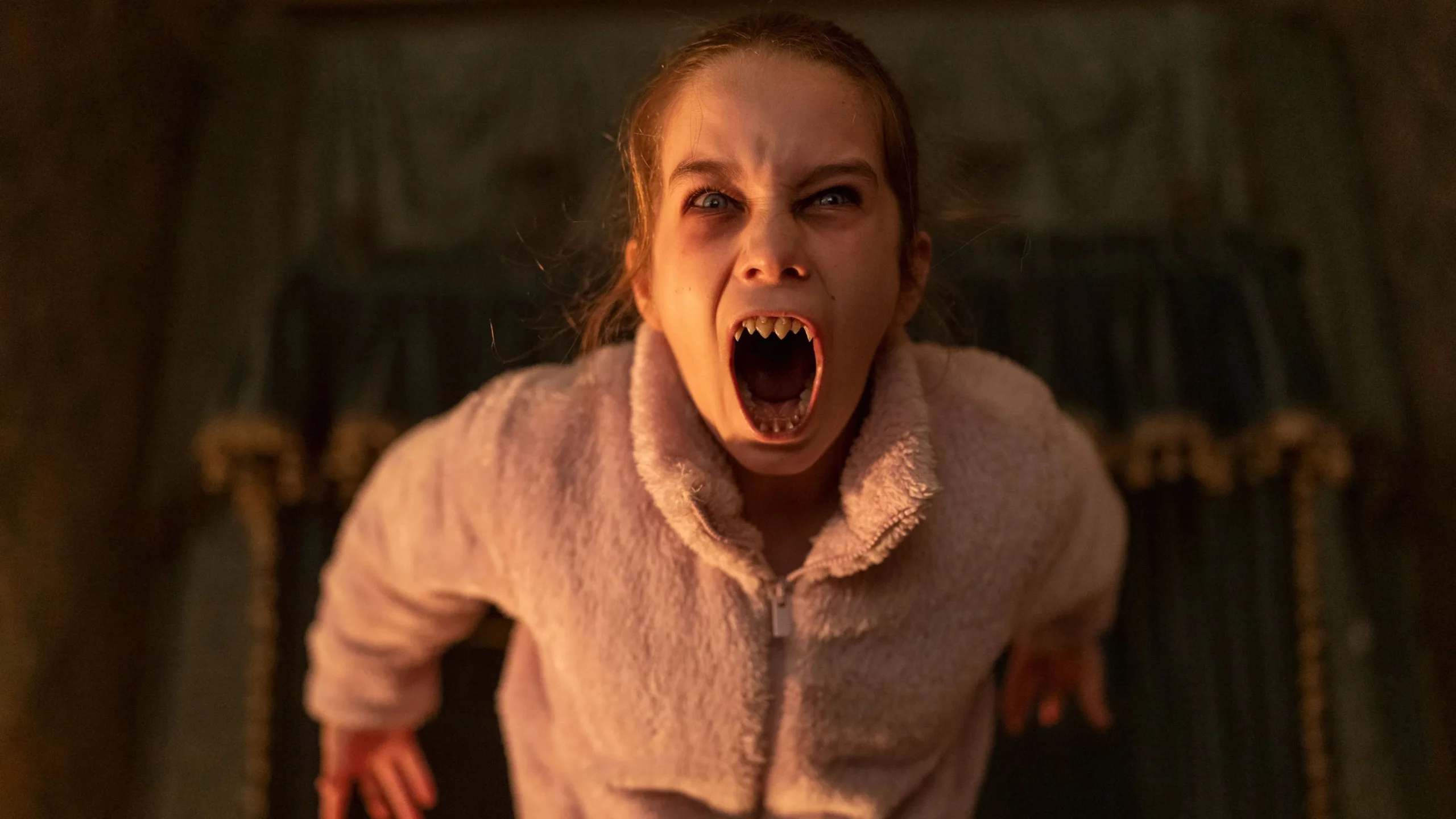
Abigail (2024) is a recent addition to the canon that starts as a tense heist thriller and ends in a literal swimming pool of gore. Directed by Radio Silence (the team behind Ready or Not), the film understands the assignment perfectly: if you have a ballerina vampire, the kills should be choreographed, but the aftermath should be chaotic. The premise of kidnappers realizing they are locked in with a monster is executed with sharp wit and sharper teeth. The film builds tension admirably before the third act, where the floodgates open and the screen is practically painted red.
The final act is a relentless assault of exploding bodies, which seems to be a recurring theme in modern vampire cinema. The directors famously stated in interviews that they utilized thousands of liters of fake blood, and it shows on screen. The cast spends the last thirty minutes of the runtime coated head-to-toe in visceral red slime, slipping and sliding through the carnage. It is a fun, raucous ride that pays homage to the splatter films of the 80s while utilizing modern effects technology. Abigail proves that the vampire genre still has plenty of fresh, arterial spray left to offer audiences.
-
4 Blade (1998)
New Line Watch Now
The Action-Horror Hybrid That Saved Marvel
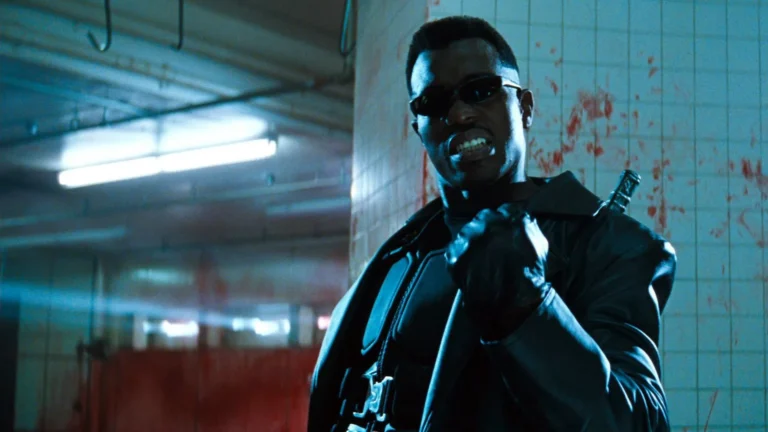
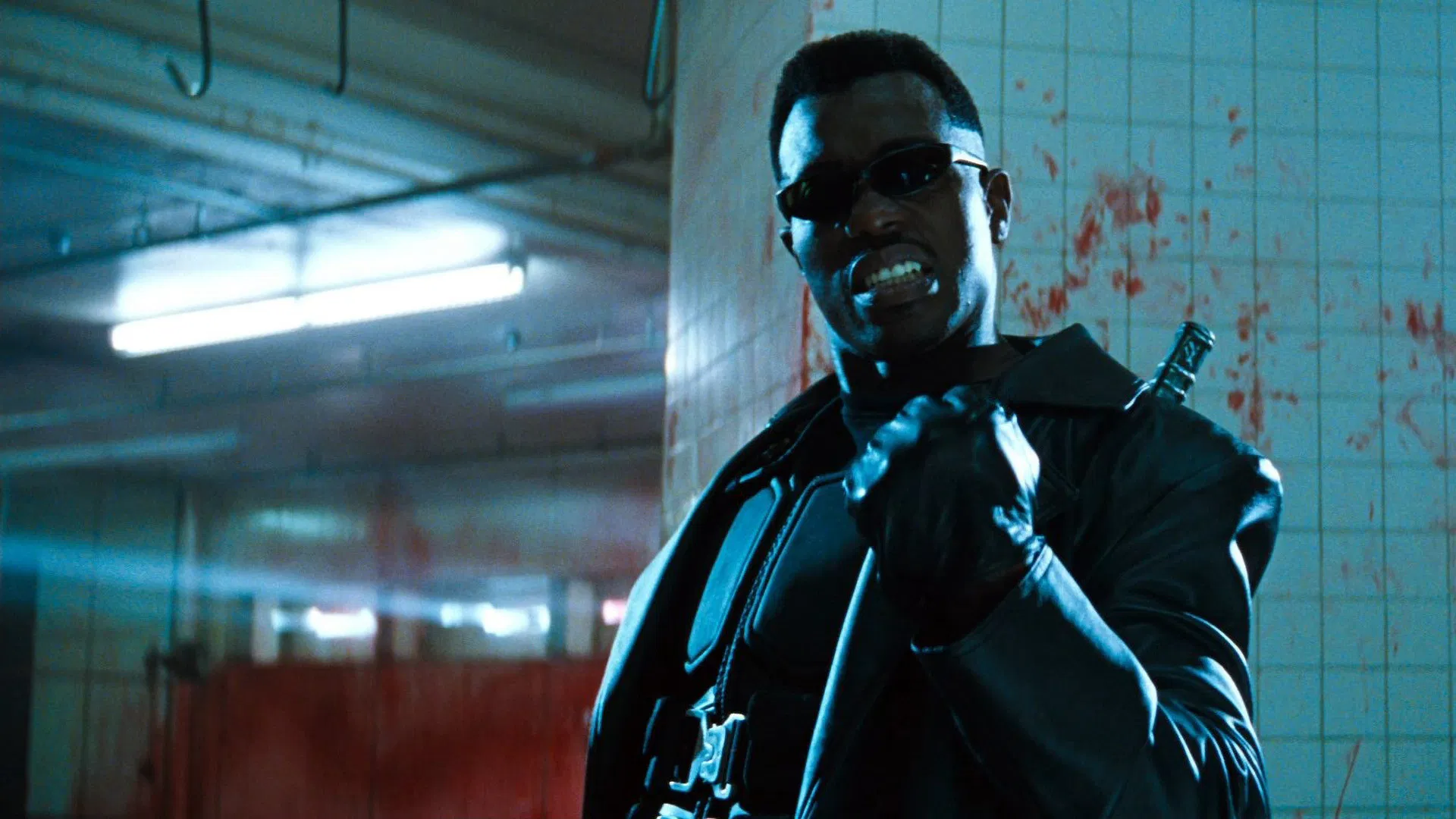
Blade (1998) features the scene that arguably saved Marvel before the MCU even existed and defined a generation of action horror. The opening "blood rave" is iconic: fire sprinklers rain down blood onto a thumping techno dance floor of vampires, setting the stage for Wesley Snipes to disintegrate dozens of bloodsuckers. Director Stephen Norrington infused the vampire mythos with a cyber-punk aesthetic that was unheard of at the time. This wasn't just a horror movie; it was a high-octane action film where the enemies happened to be undead monsters. The pacing is relentless, and the gore is stylized to match the frenetic energy of the soundtrack.
While the "dusting" effect (where vampires turn to ash) saves on cleanup, the practical gore effects involving severed limbs and the sheer stylized violence earn Blade a top spot. It was the first film to make vampire violence look like a martial arts film, blending swordplay with horror elements seamlessly. The sight of Blade slicing through enemies, sending charred bone and sparks flying, changed the visual language of the genre. It paved the way for the action-heavy horror films that followed, but few have matched the sheer cool factor of that initial blood-soaked nightclub sequence.
-
3 From Dusk Till Dawn (1996)
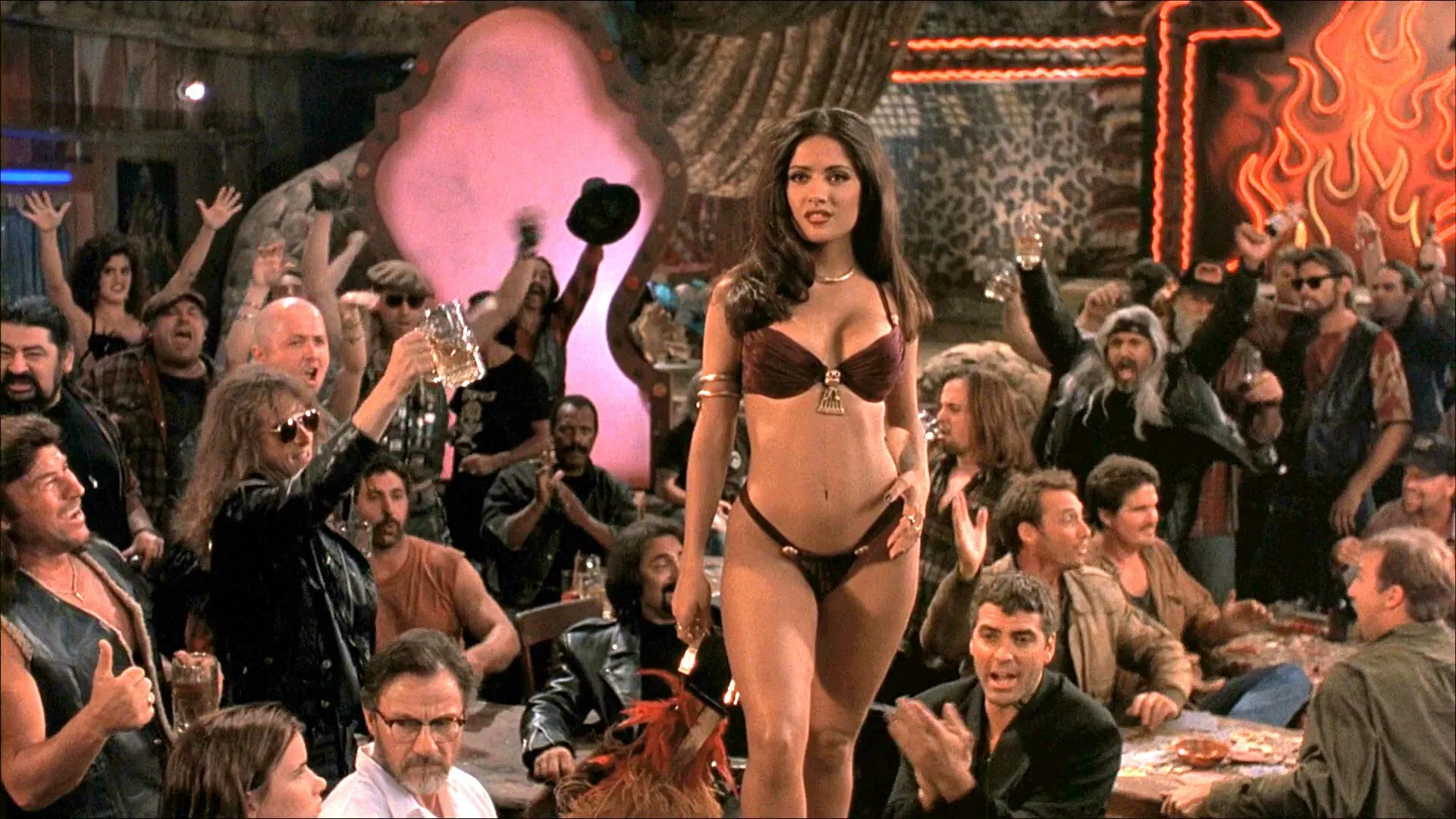
Paramount Pictures Corp. Watch Now
Grindhouse Excess at the Titty Twister
From Dusk Till Dawn (1996) starts as a Quentin Tarantino crime drama and pivots hard into a Robert Rodriguez splatter-fest. Once the sun goes down at the Titty Twister bar, the film becomes an exercise in absolute excess. The sudden genre shift is one of the most famous twists in cinema, catching unsuspecting audiences off guard and throwing them into a meat grinder. Rodriguez directs with a manic energy, treating the vampires not as romantic figures, but as ugly, distorted demons that need to be put down with extreme prejudice. It is a love letter to the exploitation films of the 1970s.
We are talking about guitars made of human torsos, hearts ripped out of chests, and melting faces. The makeup effects by KNB EFX Group are legendary, utilizing condoms filled with fake blood and compressed air to create arterial sprays that coat the camera lens. The sheer creativity of the kills—from stake-guns to jackhammer stakes—makes the violence feel fresh and fun. It is grindhouse cinema at its absolute peak, offering a level of practical gore effects that defined the mid-90s horror landscape. The finale is a chaotic, messy triumph of blood and guts that refuses to take itself too seriously.
-
2 Blade II (2002)
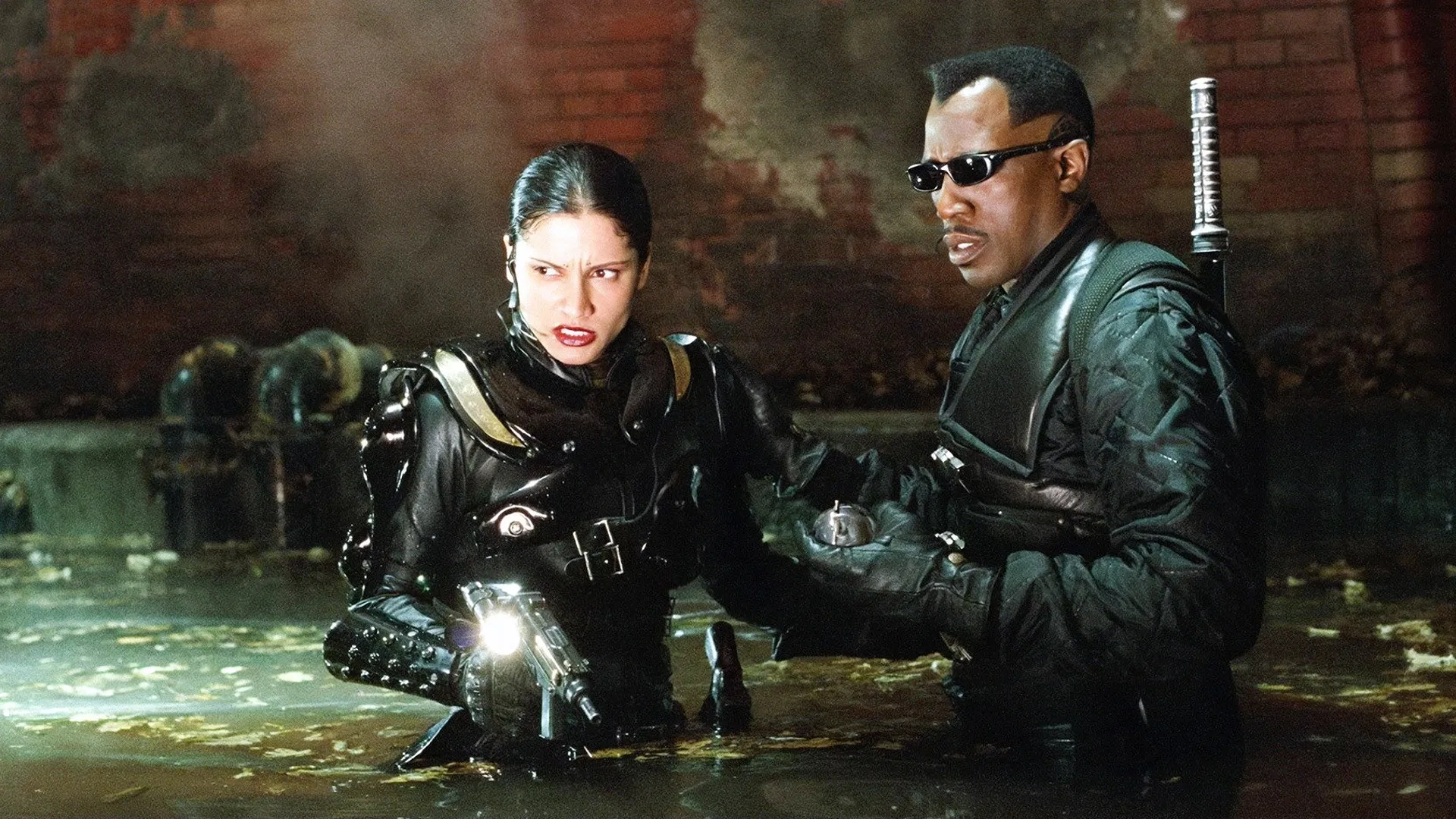
WARNER BROS. Watch Now
The Reaper Strain in Blade II
Blade II (2002) takes the silver medal because Guillermo del Toro managed to outdo the original by introducing a new, more terrifying threat: The Reapers. These genetically modified super-vampires feed on both humans and normal vampires, and their design is pure nightmare fuel. Del Toro brought his signature creature-feature aesthetic to the franchise, turning the Reapers into unholy biological machines with splitting jaws and insatiable hunger. The film is darker, grimier, and significantly bloodier than its predecessor, focusing on the anatomy of the monsters in excruciating detail.
The dissection scene alone, where the heroes examine a Reaper corpse, is a highlight of visceral horror, but the combat scenes are where the film truly shines. The Reapers explode in showers of fluid, and their feeding method involves tearing throats out with a three-pronged tongue. The violence is fast, brutal, and constant. Del Toro creates a sewer-dwelling atmosphere where everything feels damp and dangerous. By pitting vampires against super-vampires, Blade II doubles the body count and delivers some of the most creative creature effects and gore ever committed to film.
-
1 30 Days of Night (2007)
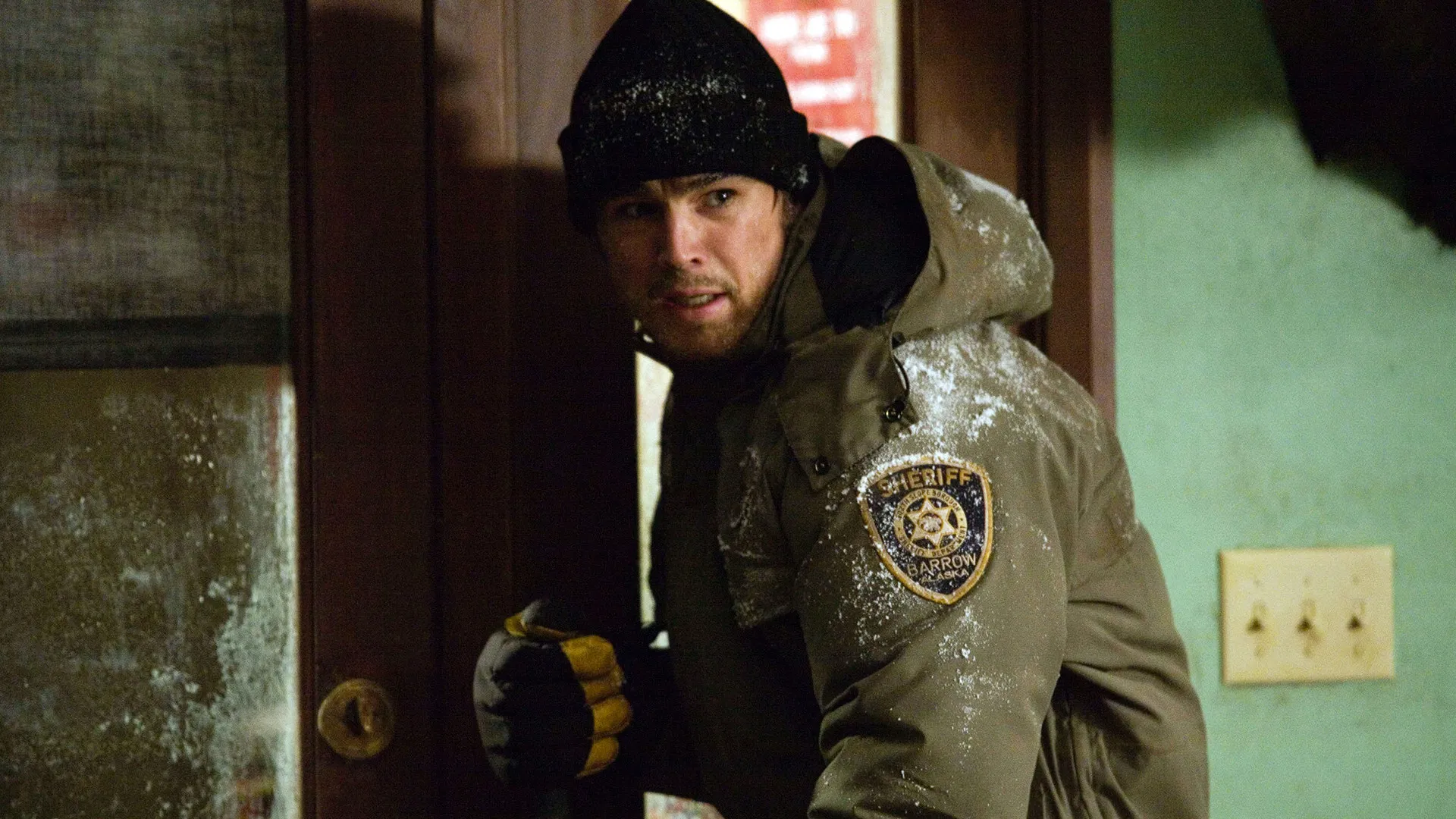
Columbia Pictures Watch Now
The Feral Brutality of 30 Days of Night
30 Days of Night (2007) retains the crown as the undisputed king of vampire violence. While other films on this list have volume, David Slade’s masterpiece has intensity. It did something no other film had done effectively: it made vampires feral animals. There is no romance, no seduction, and no bargaining here. The vampires in Barrow, Alaska, are pack hunters who communicate in shrieks and clicks. The isolation of the setting amplifies the horror, as the townspeople are trapped in a frozen wasteland with predators who view them strictly as livestock.
The contrast of the bright red blood against the pristine white snow creates a visual pop that is searingly memorable. The overhead crane shot, watching the vampires descend on the townspeople and drag them into the shadows while the snow turns red, is perhaps the most terrifyingly "real" depiction of a vampire attack in cinema history. The decapitations are executed with axes, and the feeding is shown in excruciating detail. It is a film that hurts to watch because it strips the vampire mythos of all pretension and leaves only the meat. If you are looking for the bloodiest, cruelest display of hematic horror, the Alaskan winter is where you will find it.
A Final Note on Hemoglobin
From the operatic tragedy of Coppola’s Dracula to the feral intensity of 30 Days of Night, these films prove that the vampire genre is at its best when it embraces the red stuff. These directors understood that to fear the monster, we must see what the monster does. While psychological horror has its place, there is a primal satisfaction in watching the visceral reality of a predator at work. As the genre continues to evolve with entries like Abigail, one thing remains clear: audiences still have a deep hunger for practical effects and gore.
So, the next time you are scrolling through a streaming service looking for a creature feature, skip the teenage angst and go straight for the jugular. Whether it is a bar brawl in Mexico or a massacre in the Arctic Circle, these films offer a reminder that vampires are not our friends. They are hungry, they are messy, and they make for some of the most entertaining cinema in history. Which vampire flick do you think needed a mop the most? Let us know in the comments below!