
When The Blair Witch Project terrified the globe in 1999, it birthed a cinematic revolution. Filmmakers realized they could generate maximum terror with minimal budgets by relying on the audience’s imagination. Fast forward two decades, and the found footage genre is largely considered a cinematic punchline. The industry took a brilliant concept of raw, unfiltered fear and aggressively strip-mined it. Corporate studios pumped out endless, low-effort Blair Witch copycats to cash in on the craze, completely forgetting the fundamental rules of tension and realism.
This oversaturation led to a massive wave of horror movie fatigue. Audiences grew completely exhausted by characters who inexplicably refused to drop their cameras while running from literal demons. The market became choked with nauseating shaky cam tropes, illogical editing, and insulting conclusions. Today, we are analyzing the catastrophic missteps of the industry. These are the exact theatrical disasters and lazy cash-grabs that permanently damaged the reputation of the found footage genre.
At a Glance: Best What to Watch Picks
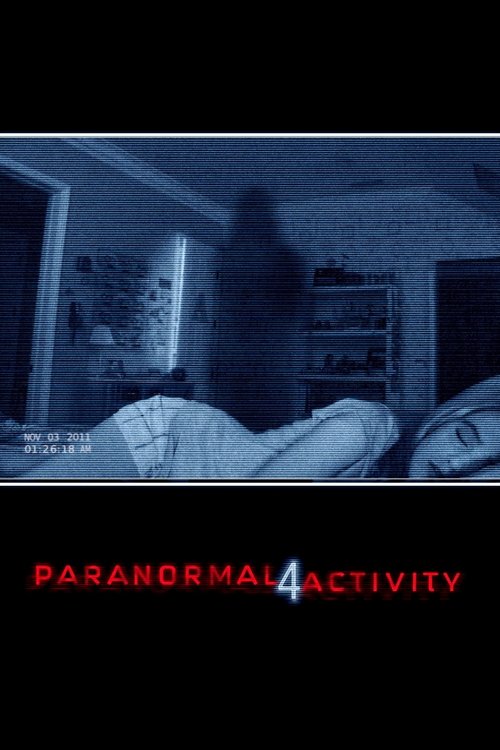
- →Paranormal Activity 4 (2012)
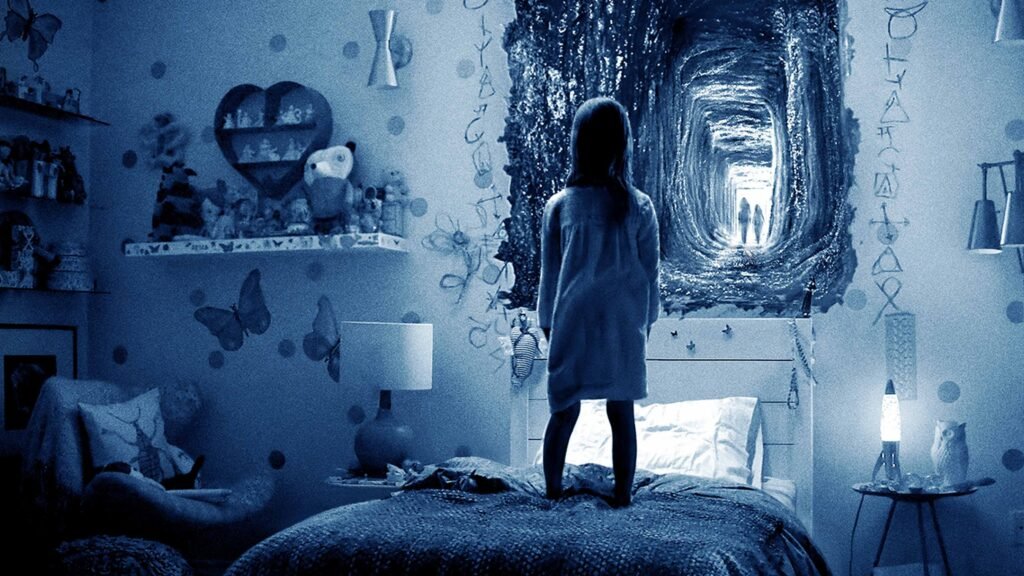
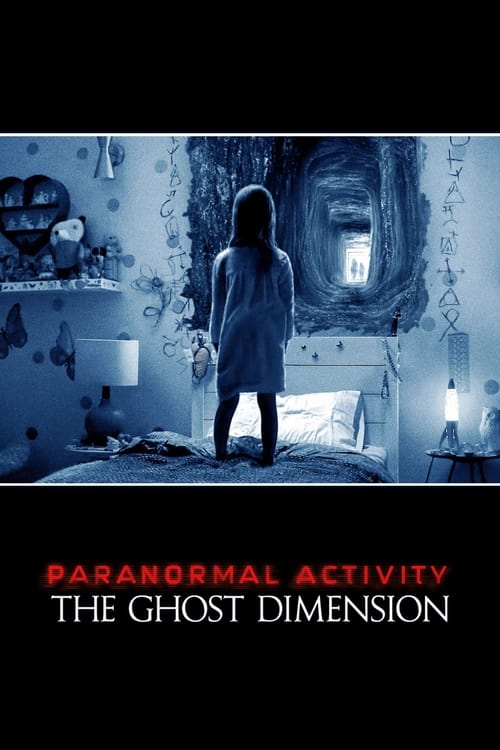
- →Paranormal Activity: The Ghost Dimension (2015)
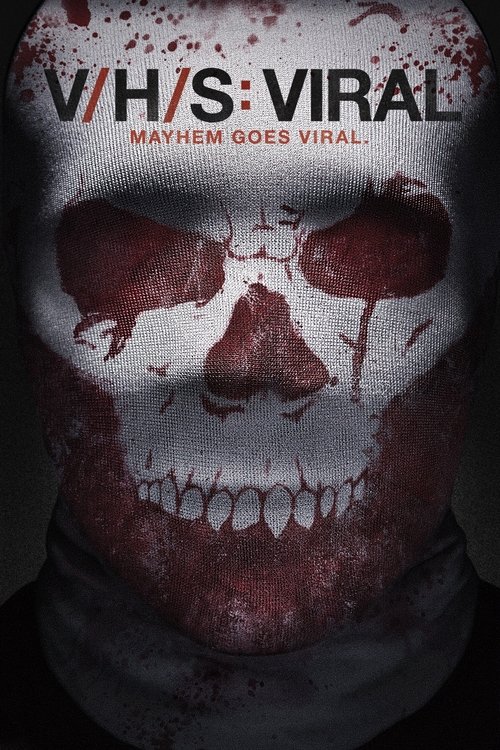
- →V/H/S: Viral (2014)
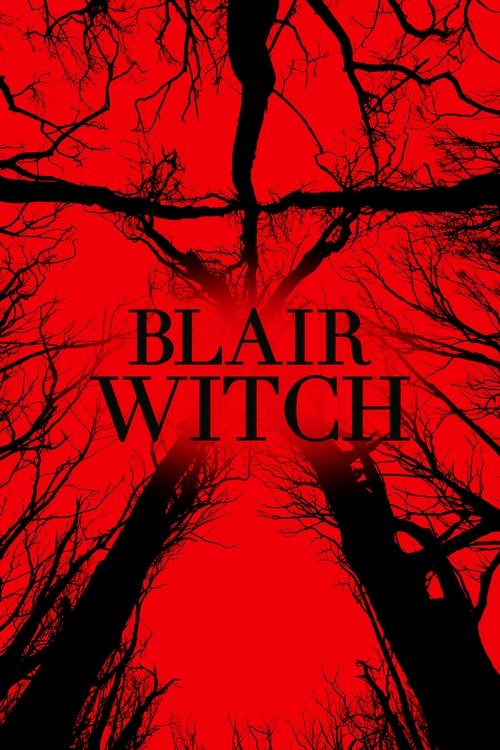
- →Blair Witch (2016)
- →Apollo 18 (2011)
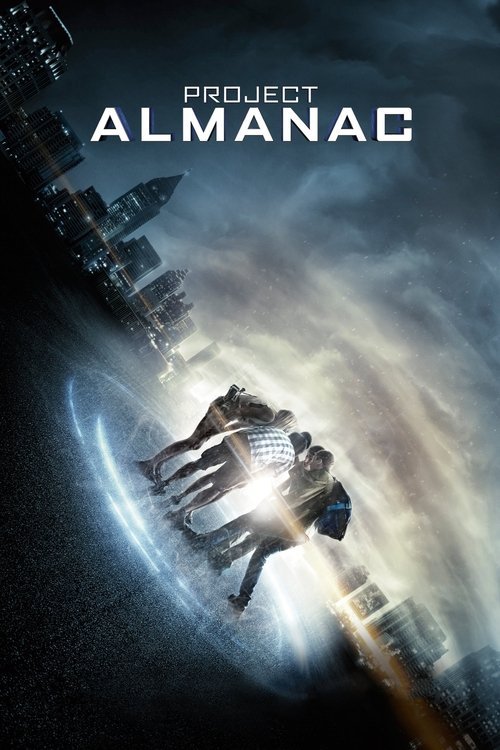
- →Project Almanac (2015)
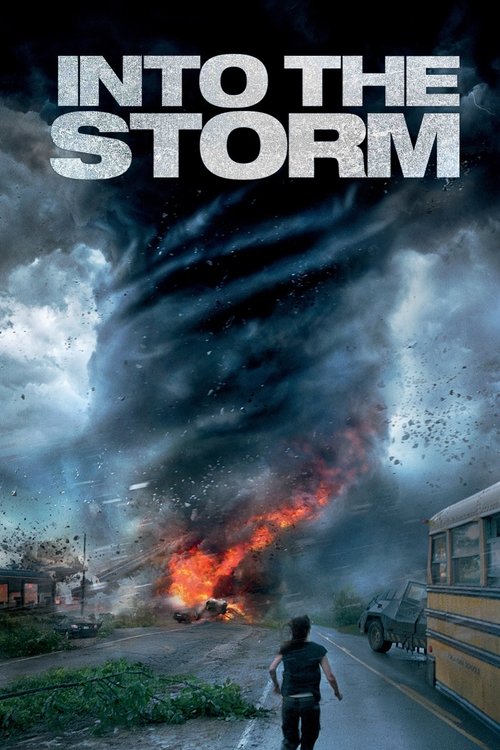
- →Into the Storm (2014)
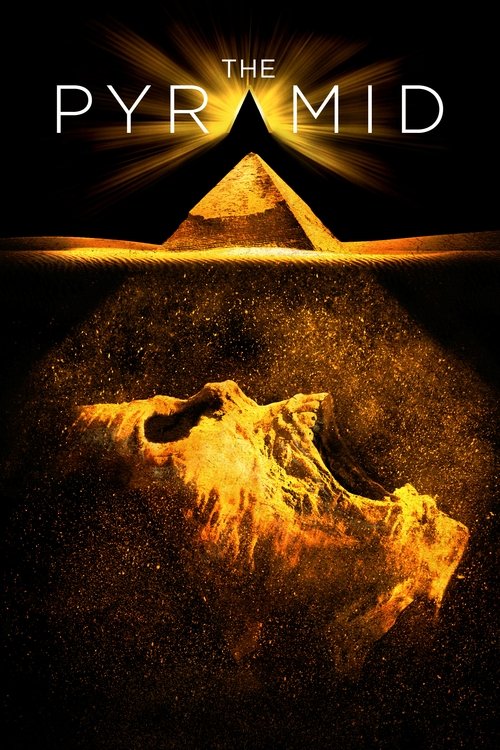
- →The Pyramid (2014)
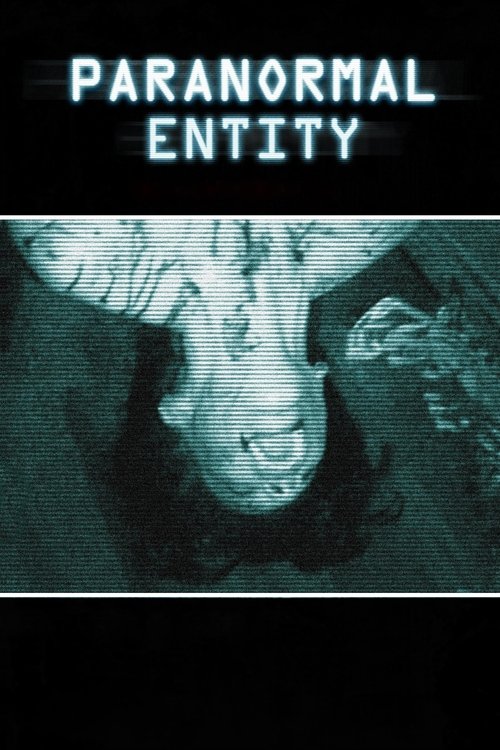
- →Paranormal Entity (2009)
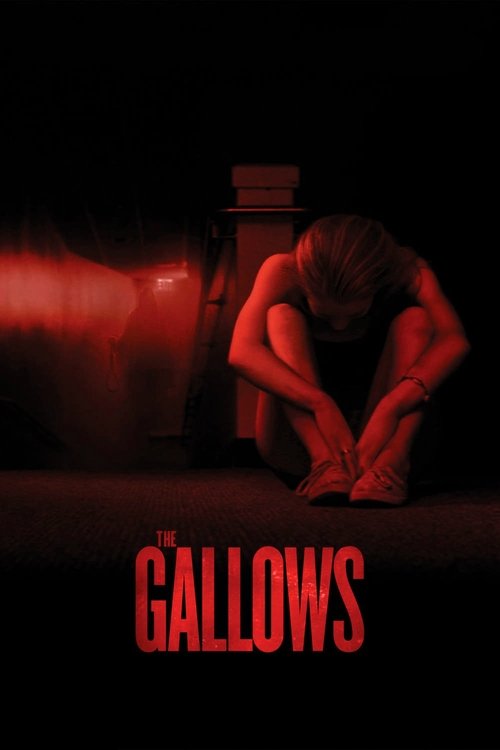
- →The Gallows (2015)
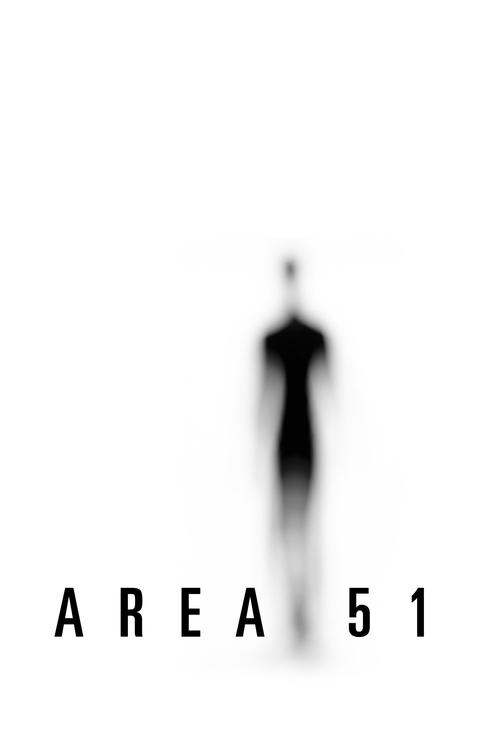
- →Area 51 (2015)
- →Quarantine (2008)
- →The Devil Inside (2012)
- →Diary of the Dead (2007)
- →Halloween: Resurrection (2002)
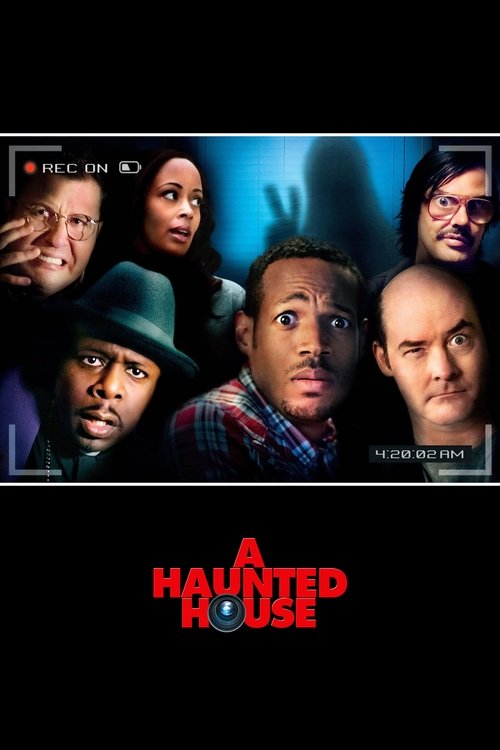
- →A Haunted House (2013)
Found Footage Genre Movies (To Avoid)

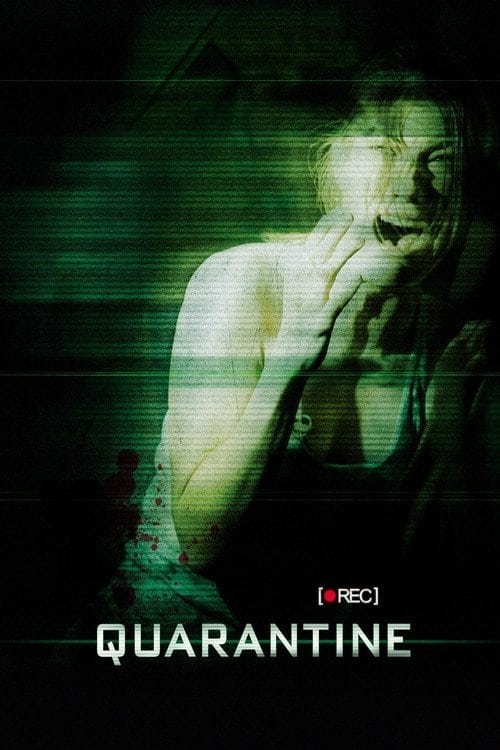
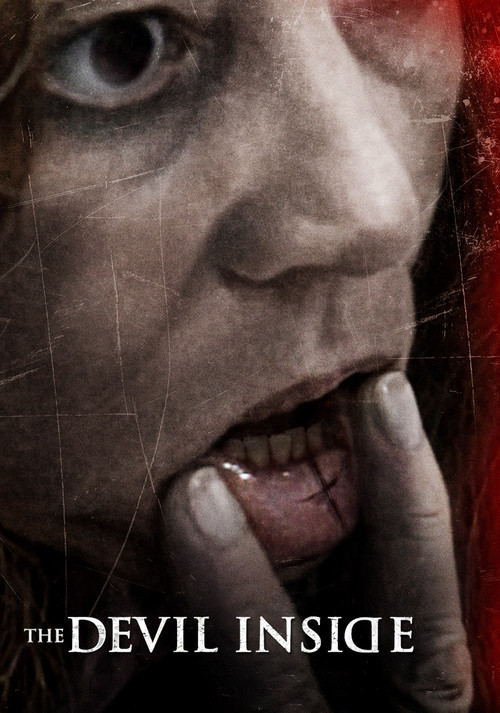
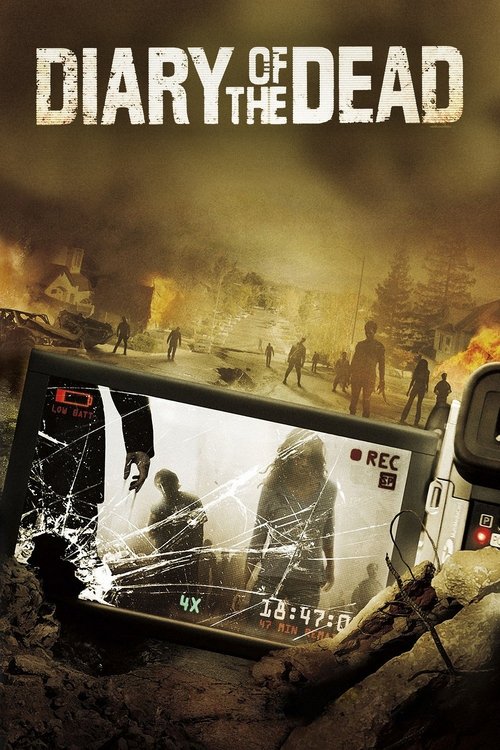
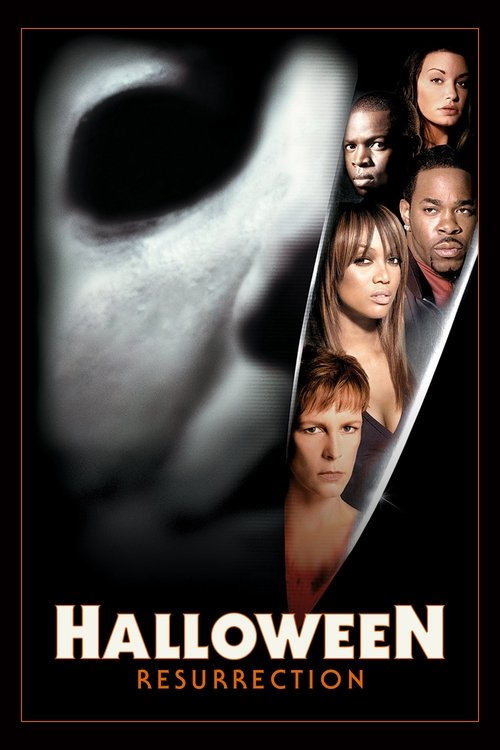
The rise and fall of the found footage genre is a harsh lesson in Hollywood economics. What began as a brilliant, terrifying method to bypass massive studio budgets eventually devolved into an excuse for lazy filmmaking. The reliance on nauseating shaky cam tropes, endless Paranormal Activity sequels, and insulting non-endings ultimately destroyed the audience’s trust. While indie filmmakers still occasionally strike gold with the format, the golden era of the theatrical first-person horror boom is definitively over.
Why did the found footage genre become so unpopular?
The format suffered from massive oversaturation. Following the massive financial success of a few key hits, major studios flooded the market with incredibly low-budget, low-effort Blair Witch copycats. Audiences quickly developed horror movie fatigue as they were subjected to the same predictable jump scares, awful shaky camerawork, and terrible acting year after year.
What are the most annoying shaky cam tropes?
Viewers consistently complain about the “illogical cameraman.” This happens when a character refuses to drop their heavy recording equipment while actively running for their life from a murderer or a monster. Additionally, movies that cheat by using professional, cinematic lighting and clean audio while pretending to be amateur home video completely ruin the required suspension of disbelief.
Will the found footage genre ever make a comeback?
While the traditional format is heavily damaged, the genre is currently evolving into “Screenlife” horror. Movies taking place entirely on computer screens, Zoom calls, or through social media interfaces offer a modern, highly relatable spin on the old aesthetic. The core desire for intimate, first-person terror remains, but the delivery methods must change to match modern technology.