
The greatest fictional presidents in film and television have become cultural touchstones far bigger than the shows and movies that produced them. From Aaron Sorkin’s rapid-fire Oval Office monologues to Roland Emmerich’s apocalyptic rally cries, these screen commanders-in-chief set the bar for how Hollywood imagines the most powerful office on Earth. They deliver speeches that outlive administrations, make impossible calls under alien invasions, nuclear threats, and domestic scandal, and occasionally steal an election by pushing a staffer in front of a train.
This ranking cuts across sixty years of American political storytelling, from Stanley Kubrick’s satirical war room to Shonda Rhimes’s White House melodrama. Anyone who wants a pure film-focused companion piece should also bookmark our definitive cinephile ranking of the best presidential movies of all time, which covers overlapping titles from the big-screen entries below. Each president on this list earned their spot through performance, cultural impact, and the sheer staying power of their best moments.
Who Are the Greatest Fictional Presidents on Screen?
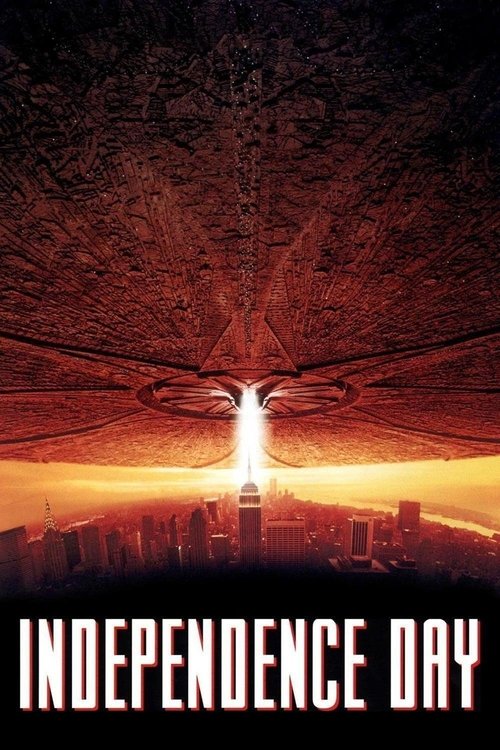
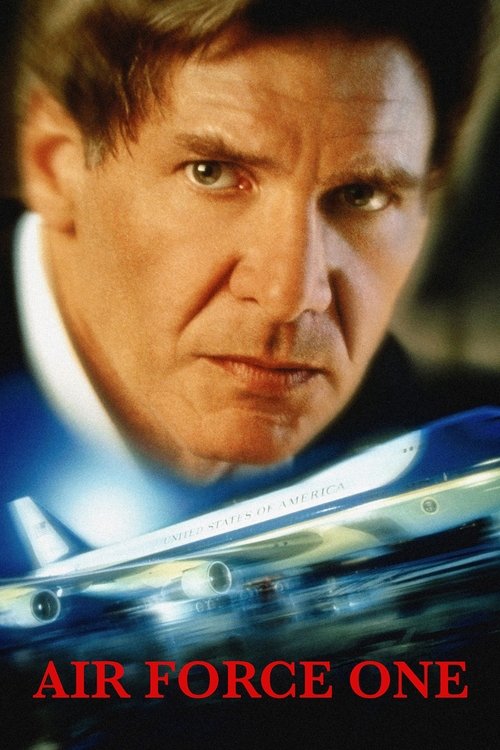
The greatest fictional presidents on screen are Josiah Bartlet from The West Wing, Thomas J. Whitmore from Independence Day, and James Marshall from Air Force One, with Martin Sheen, Bill Pullman, and Harrison Ford defining the archetype for decades. Each balances moral authority with dramatic urgency in ways that still shape how writers approach the Oval Office today.
At a Glance: Best TV Series on this List
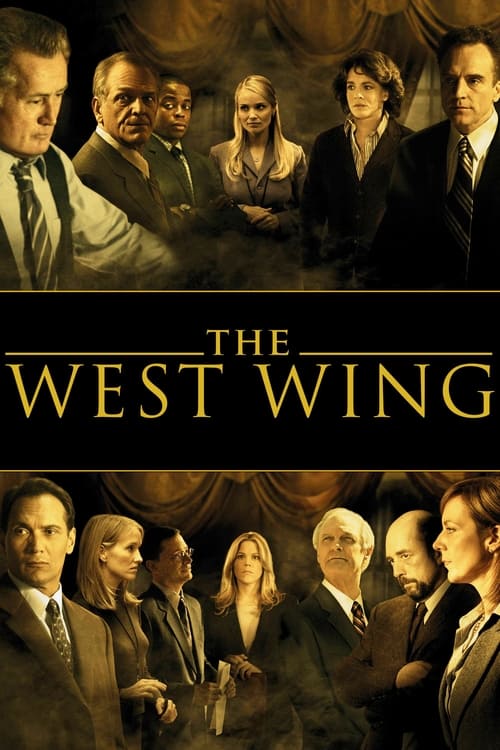
- →The West Wing (1999)
- →24 (2001)
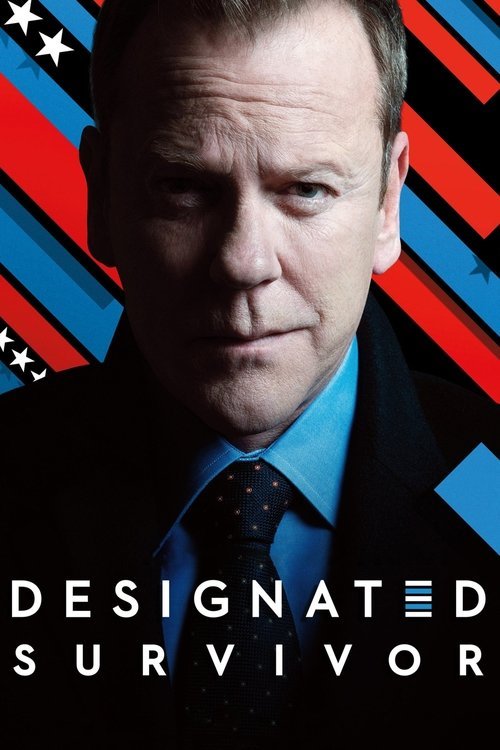
- →Designated Survivor (2016)
- →Independence Day (1996)
- →Air Force One (1997)
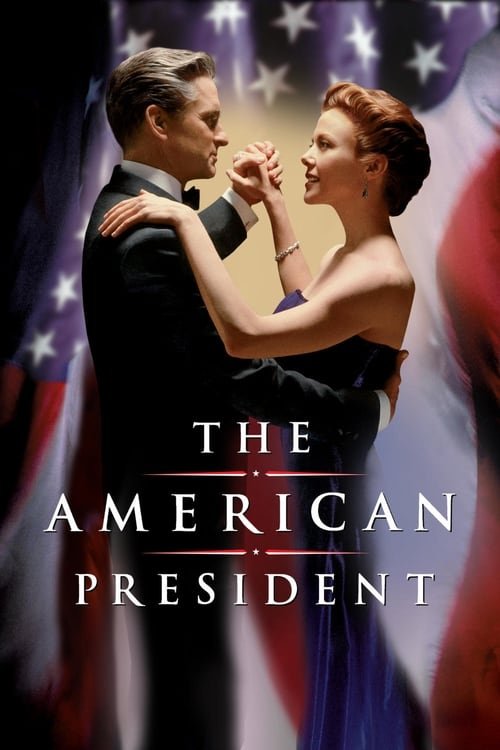
- →The American President (1995)
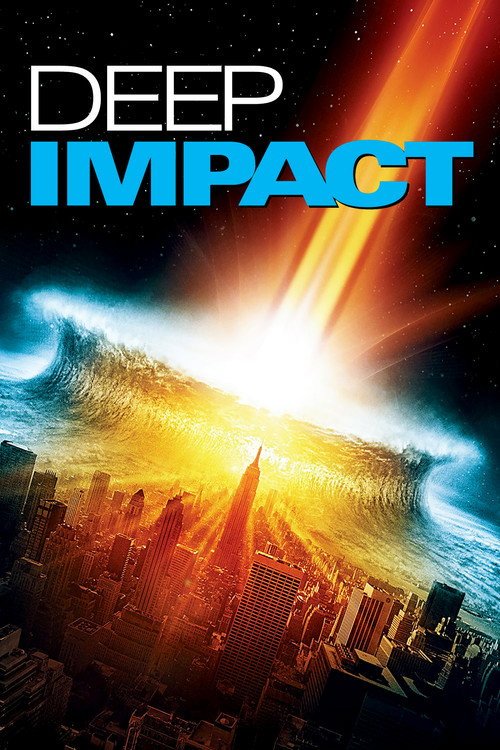
- →Deep Impact (1998)
- →House of Cards (2013)
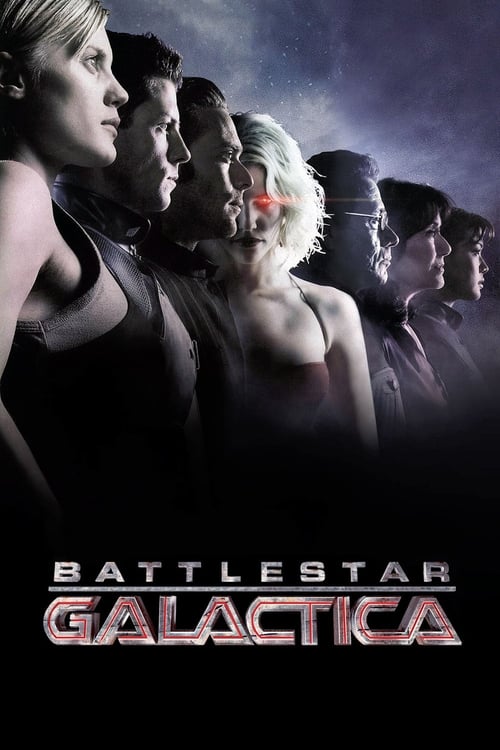
- →Battlestar Galactica (2004)
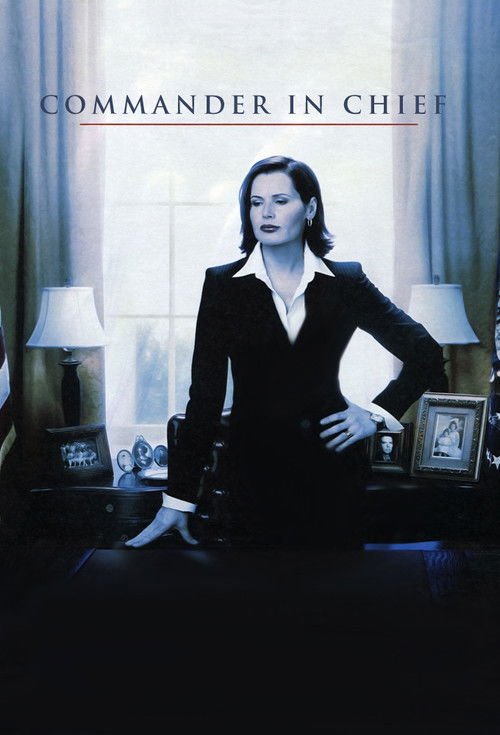
- →Commander in Chief (2005)
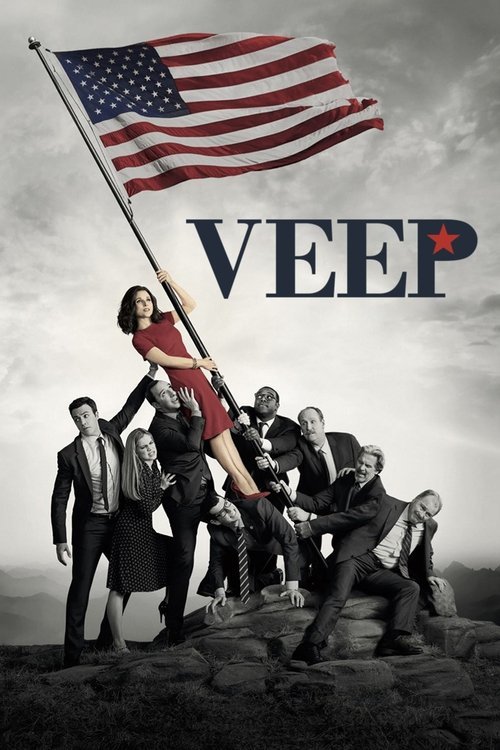
- →Veep (2012)
- →Dr. Strangelove or: How I Learned to Stop Worrying and Love the Bomb (1964)
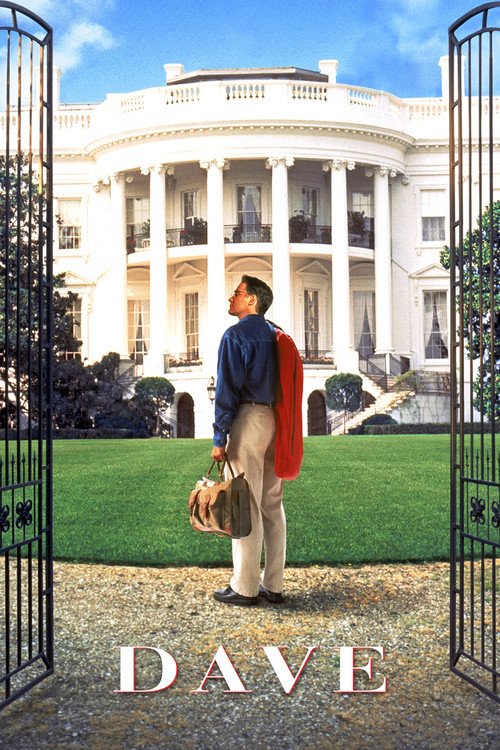
- →Dave (1993)
Best Fictional Presidents



Fictional Presidents Who Earned Their Place on Screen
Six decades of political storytelling have produced a roster of screen leaders that rivals any actual administration in cultural footprint, and the best of them have outlasted presidencies, party realignments, and entire networks. Whether viewers are drawn to Sorkin’s rhetorical idealism, Kubrick’s satirical acid, or Emmerich’s rally-the-world bombast, the common thread is the same: these characters make the presidency feel consequential in ways the nightly news often cannot. Their speeches get memorized, their crises get studied, and their performances get cited in political-science syllabi.
Great casting and great writing are what separate the memorable fictional presidents from the forgettable cardboard ones, and this list will keep evolving as streaming platforms continue to greenlight political thrillers and disaster blockbusters at record pace. For readers who want to go deeper on the real-world templates behind the crisis presidents above, our roundup of intense military stories based on real events pairs perfectly with this ranking. Click through to continue the journey across Movievia’s political and military film coverage.
FAQ About Fictional Presidents
Who are the most iconic fictional presidents in TV shows?
Josiah Bartlet from The West Wing is widely considered the gold standard of fictional presidents in TV shows, with Martin Sheen earning multiple Emmy nominations for the role. His blend of moral conviction, intellectual sparring, and sharp policy instincts has shaped how television portrays political leadership for more than two decades, and the show itself influenced an entire generation of speechwriters and political staffers.
Who played the best fictional presidents on the big screen?
Harrison Ford’s turn as James Marshall in Air Force One remains one of the most celebrated performances of fictional presidents on the big screen. His combination of action-hero grit and presidential gravitas set a template that Hollywood still references three decades later, and he is routinely ranked first in critical polls of the best movie presidents of the modern era.
Which fictional presidents in movies are based on real people?
Most fictional presidents in movies are original creations rather than direct portrayals of real leaders, though screenwriters routinely borrow traits from specific administrations. Thomas J. Whitmore in Independence Day, for example, channels Kennedy-era optimism and fighter-pilot bravado without mirroring any actual president, and most blockbuster commanders-in-chief are similarly composite inventions designed to avoid partisan alienation.