
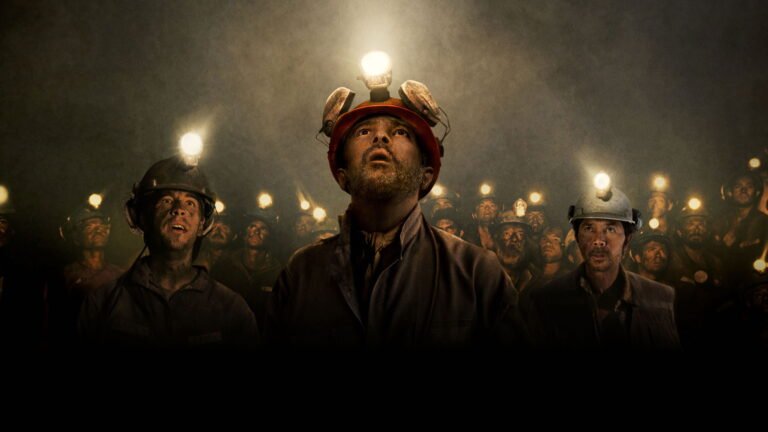

Hollywood has always been seduced by the idea of the impossible made flesh but nothing in the screenwriter’s toolbox hits quite like the disclaimer “based on a true story.” When it comes to survival movies based on true stories, that stamp is a promise: every act of insane willpower you’re about to witness, every impossible decision, every moment where a human being chose to live instead of simply stopping it actually happened. That’s not spectacle. That’s testimony.
The best true survival films don’t just entertain they force a reckoning. They ask the question every viewer quietly answers for themselves: would I have done the same? The survival genre has produced some of cinema’s most technically extraordinary filmmaking and some of its most raw, unprocessed acting, precisely because the source material refuses to be tidied up. Real survival is ugly, morally complicated, and borderline miraculous and the films on this list honor that with varying degrees of ferocity.
At a Glance: Best What to Watch Picks
Best Survival Movies Based on True Stories
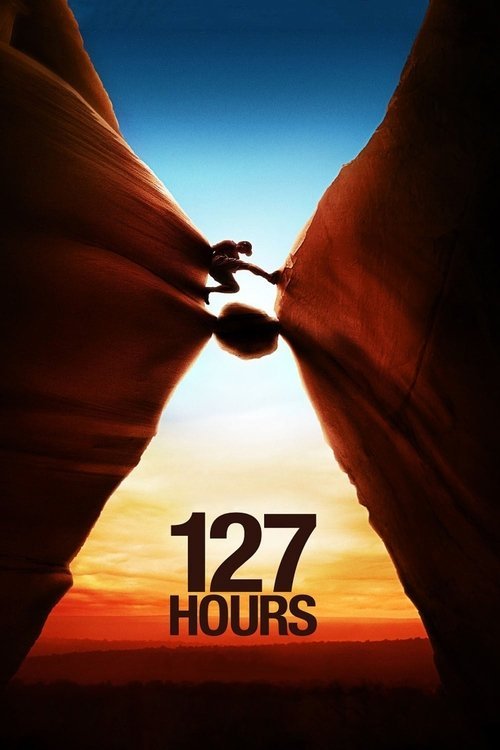
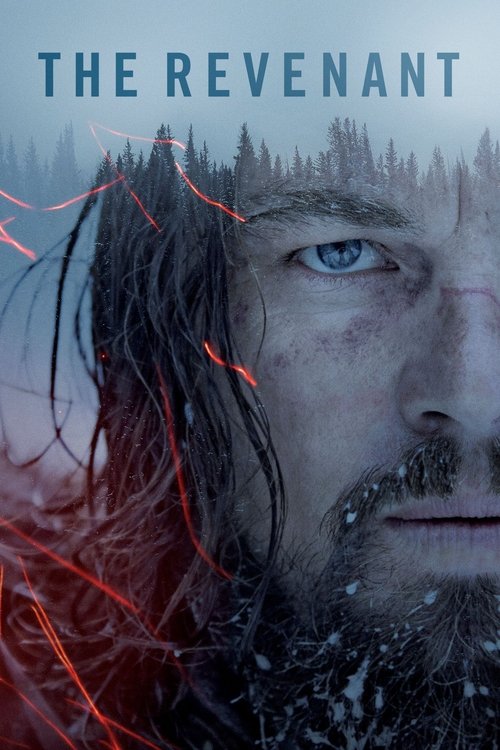
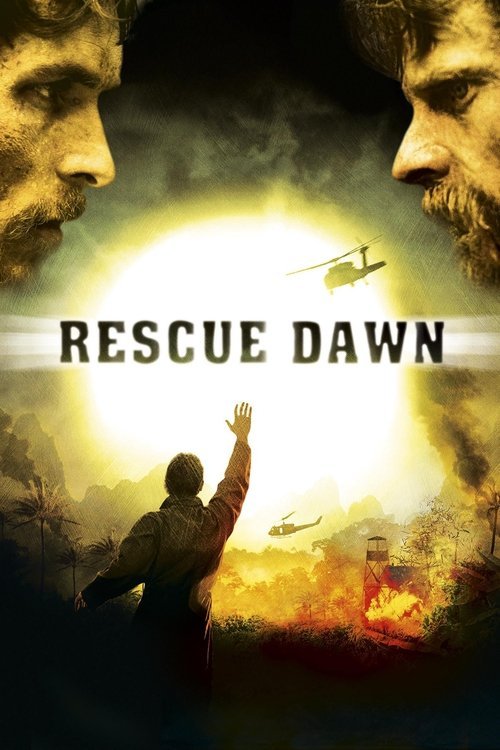
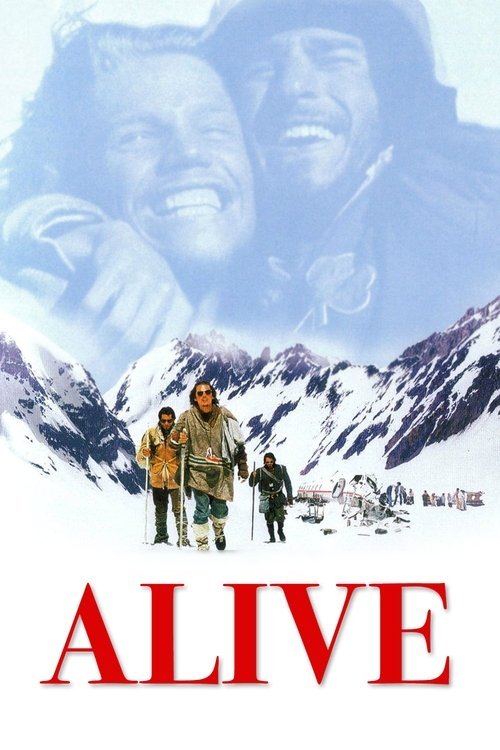
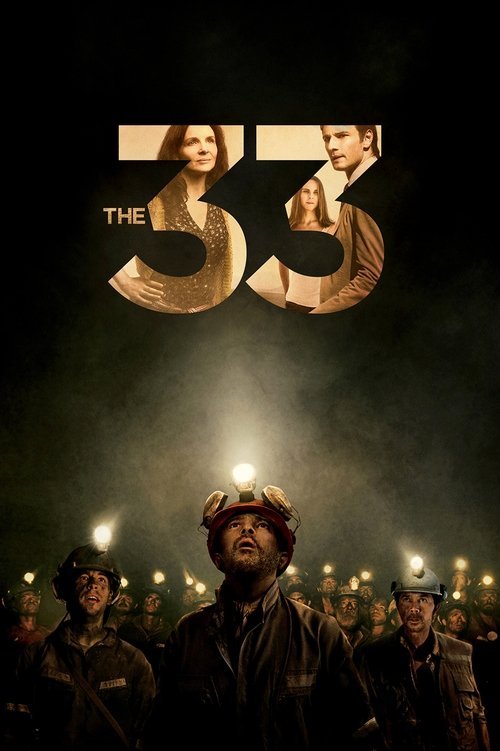
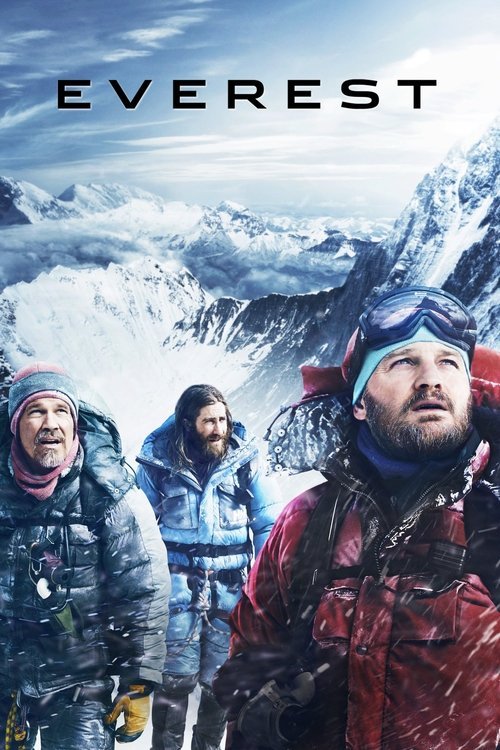
The Will to Live Has Never Been Better Documented
The eleven films on this list collectively represent thousands of hours of real human suffering transmuted into something cinema can carry. Survival movies based on true stories occupy a unique ethical position in the film landscape: they owe a debt to their subjects that purely fictional films do not, and the best ones honor that debt with technical rigor and emotional honesty in equal measure. From Aron Ralston’s arm to Desmond Doss’s ridge, from the Andes snowfields to the South Pacific, these films document the most fundamental human fact that life, when threatened, reveals what it is actually made of.
The spectrum covered here is wide on purpose. Whether you want the visceral solo ordeal of 127 Hours, the stately brutality of The Revenant, or the collective moral drama of Alive, the true survival film has a register for your mood and a level of punishment calibrated to your tolerance. All eleven, however, share the same final note: genuine awe at what the human body and mind are capable of, when the alternative is unthinkable.
FAQ About Survival Movies Based on True Stories
What makes survival movies based on true stories more impactful than fictional survival films?
The “based on a true story” qualifier fundamentally reframes the audience’s relationship with the material. In a fictional survival film, there’s always an implicit safety net you expect the protagonist to make it because that’s narrative convention. Remove that safety net, as true survival films do, and every scene carries genuine existential stakes. The viewer knows that what they’re watching was not written for dramatic effect; it was documented from testimony. That distinction is the difference between impressive filmmaking and emotionally transformative cinema. Films like 127 Hours and Alive hit differently precisely because the anguish in them happened.
Which survival movies based on true stories are accurate to what really happened?
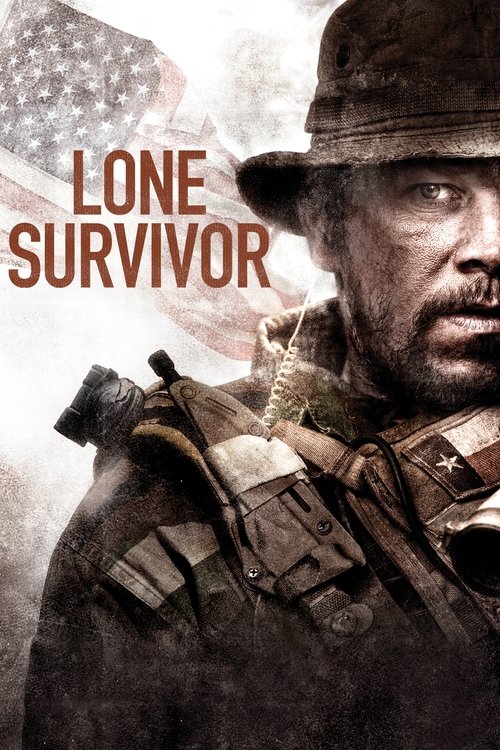
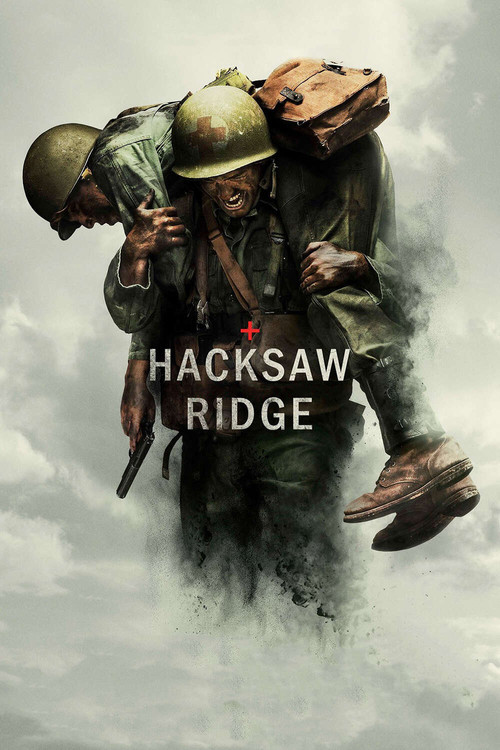
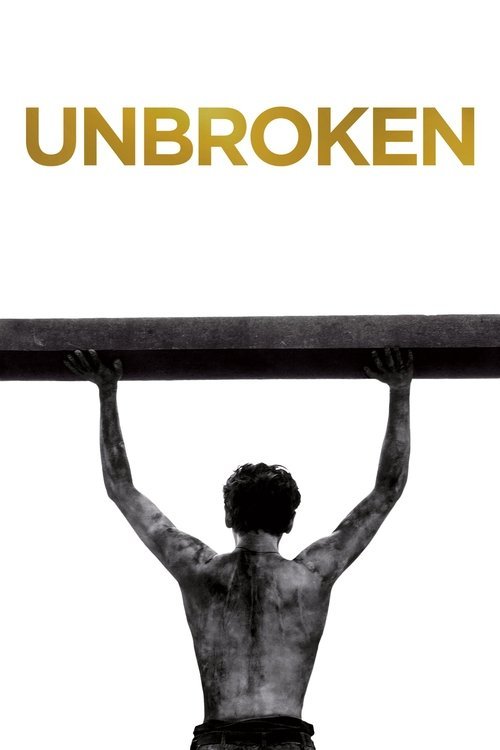
127 Hours is notably faithful to Aron Ralston’s memoir “Between a Rock and a Hard Place.” Alive is considered highly accurate by the Andes survivors themselves. Lone Survivor hews closely to Marcus Luttrell’s account, though it’s worth noting that casualty figures are disputed by independent sources. Hacksaw Ridge compresses the timeline of Desmond Doss’s medal actions but doesn’t distort the core facts. Unbroken is largely faithful to Hillenbrand’s book but omits Zamperini’s post-war spiritual journey. As with all survival cinema based on real events, reading the primary source after watching is always recommended the reality is invariably stranger.
What makes survival movies so universally popular?
Audiences are drawn to extreme survival cinema because it strips away modern conveniences and forces viewers to confront the rawest version of the human condition. These films offer a safe environment to experience profound existential dread and ultimate catharsis. The psychological hook relies on the audience constantly asking themselves what they would do in the exact same impossible scenario.
