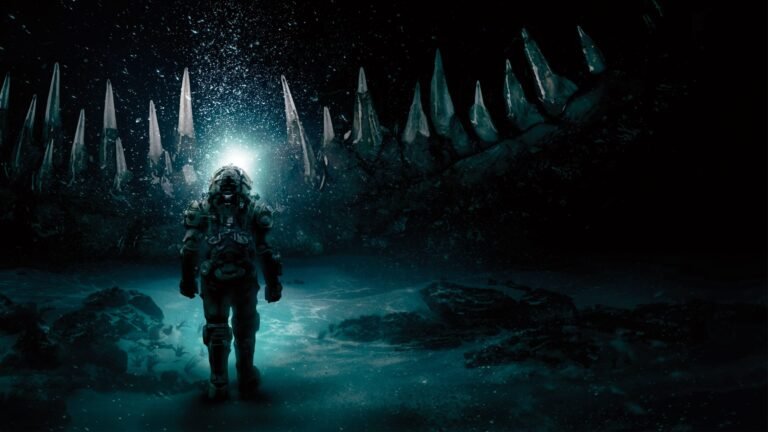
The ocean covers more than 70% of the planet, and we’ve mapped less of its floor than the surface of Mars, which is exactly why deep sea horror scratches an itch no other sub-genre can reach. The pressure crushing your hull, the lights cutting through nothing but black water, the sonar pinging back something it absolutely should not be pinging back: this is cinema’s purest distilled dread.

What separates a great submerged scare from a generic shark flick is commitment to the depths themselves. The titles below earn their slot because they understand that the abyss isn’t just a setting, it’s the antagonist, and they leverage everything from Lovecraftian cosmic horror to parasitic body horror to claustrophobic submarine paranoia. For more atmospheric chills with a different flavor, our roundup of moody gothic horror movies for atmospheric nights pairs perfectly with this list, especially if you gravitate toward Stuart Gordon’s Lovecraftian work.

What Are the Best Deep Sea Horror Movies?

The best deep sea horror movies combine claustrophobic underwater settings with creature features, Lovecraftian dread, or psychological paranoia, with standout examples including Underwater (2020), James Cameron’s The Abyss (1989), and George P. Cosmatos’s Leviathan (1989). These films weaponize the crushing pressure, suffocating darkness, and unknowable life-forms of the ocean depths to deliver some of horror’s most distinct nightmare fuel.

Best Deep Sea Horror Movies

1

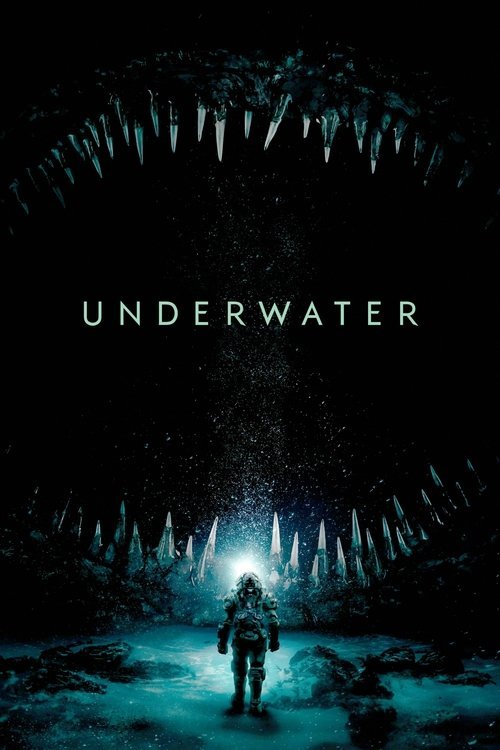
Underwater

2020 • Action, Adventure
6.3
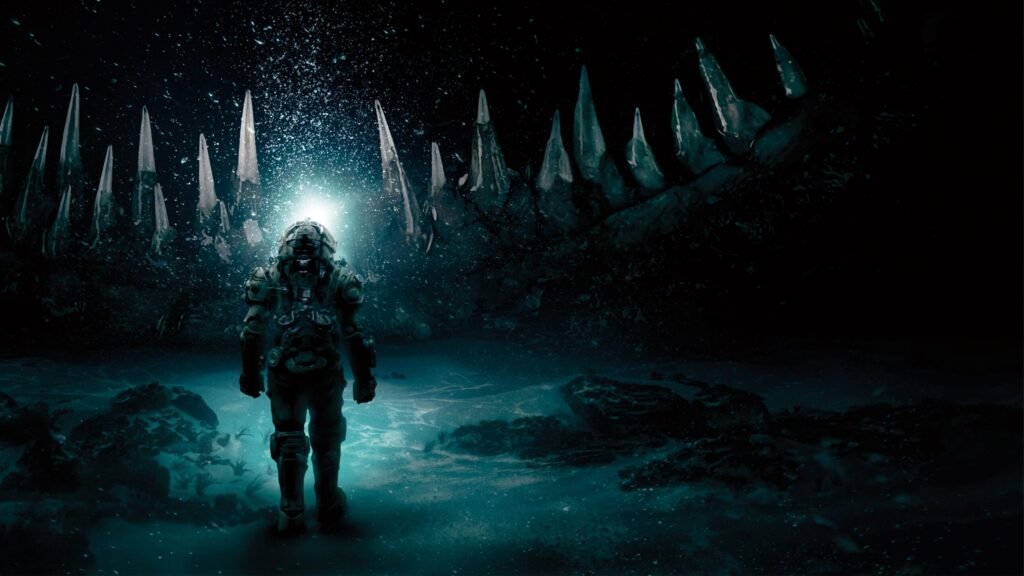
Kristen Stewart anchors this lean, mean deep sea horror entry that opens with a literal explosion and barely lets up across 95 minutes. Director William Eubank strips the Alien template down to bone, traps his cast in waterlogged corridors of the Kepler 822 facility, and crushes the human form under depth suits that look like medieval armor for astronauts. The Lovecraftian reveal in the climax, originally kept ambiguous in marketing, recontextualizes the entire film and gave it a cult second life on Netflix where it landed at No. 6 on the global English-language chart years after its theatrical face-plant. Stewart later admitted the shoot was a "f***ing hellhole," and you can feel that suffocation onscreen. Bojan Bazelli's photography deserves particular credit for selling abyssal blackness as a tangible texture.
Read More
2

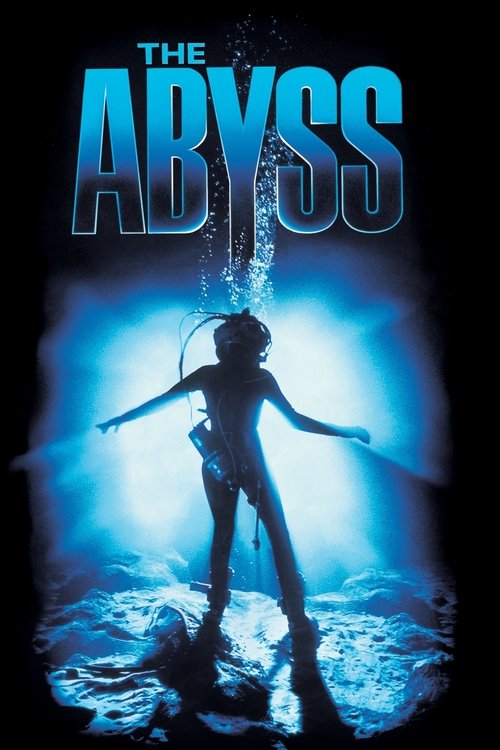
The Abyss

1989 • Adventure, Science Fiction
7.3
James Cameron's pre-Titanic obsession with the deep produced one of the most technically punishing shoots in Hollywood history and a watershed moment for deep sea horror atmosphere. Ed Harris and Mary Elizabeth Mastrantonio nearly drowned for real making this thing, and you can taste the saltwater paranoia in every frame. Cameron blurs sci-fi and horror with surgical precision: the NTI sequences shimmer with otherworldly beauty, while the human dynamics fester with Cold War mistrust and full-blown psychosis from depth pressure. The pseudopod scene alone justified the existence of CGI as a storytelling tool. Cinematographer Mikael Salomon shot the underwater photography in custom-built rigs that doubled as marine torture chambers. The Special Edition restores the tidal wave climax and is the only version worth watching.
Read More
3

Sphere

1998 • Mystery, Science Fiction
6.1
Barry Levinson taking a swing at psychological deep sea horror with Crichton source material and this cast should have been a slam dunk, and despite the original critical mauling, the film has earned cult re-evaluation. The setup is irresistible: Dustin Hoffman, Sharon Stone, and Samuel L. Jackson dive to investigate a 300-year-old alien craft on the ocean floor, and the manifestation of their worst fears begins corrupting the habitat from within. Less concerned with monsters than with paranoia, this leans into the existential weight of the deep, the way isolation rots cognition. Stone's performance during the giant squid attack is a masterclass in claustrophobic terror. The ambiguity of the ending divides viewers, which is precisely what makes it stick.
Read More
4

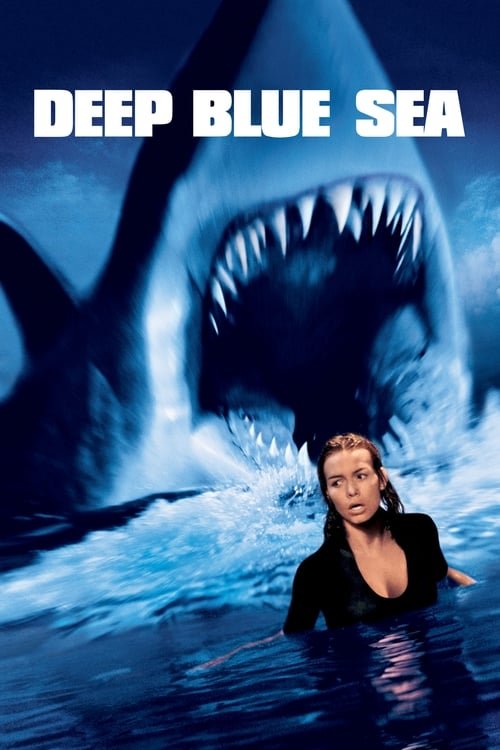
Deep Blue Sea

1999 • Action, Horror
6.0
Renny Harlin's sub-aquatic shark thriller belongs on any deep sea horror list because it spends most of its runtime on a sinking research facility 700 feet down, not at the beach. Genetically modified super sharks tear through scientists who were trying to harvest a protein complex for Alzheimer's research, and the film knows exactly when to be ridiculous and when to be genuinely scary. Wired's editor once called it "the greatest non-Jaws shark movie of all time," which is hyperbole but defensible. Harlin uses water as architecture, flooding sets in real time and forcing the cast through escalating set pieces. Samuel L. Jackson's speech and its punctuation remains one of horror's most quoted gut-punches, and Thomas Jane sells the action lead better than most expected.
Read More
5

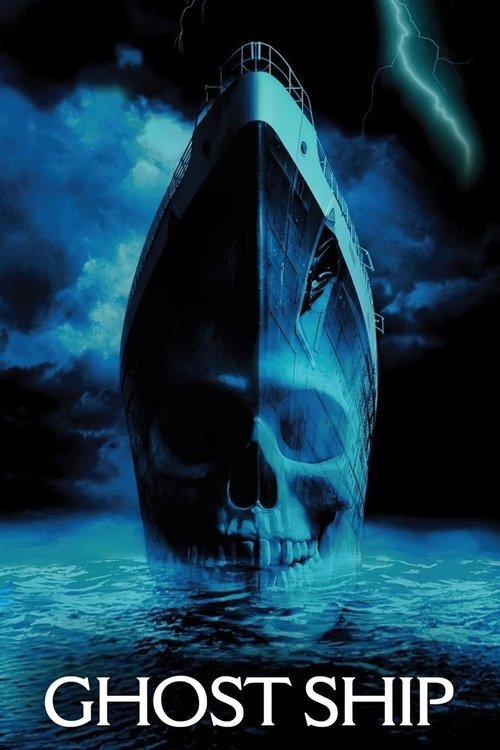
Ghost Ship

2002 • Horror, Mystery
6.0
The first three minutes of Ghost Ship are an all-timer: a wire snaps across a ballroom floor and bisects the entire dance crowd in slow motion. The rest of the film never quite matches that opening, but Steve Beck delivers a glossy supernatural deep sea horror entry with enough atmosphere to justify the runtime. Gabriel Byrne leads a salvage crew that boards the long-lost Italian ocean liner Antonia Graza in the deep Bering Sea, and the ghosts onboard have been waiting decades for fresh souls. The Joel Silver / Dark Castle production sheen is pure early-2000s commercial horror, but the deep-water setting and the slow reveal of what really happened to the ship in 1962 still deliver. The opening alone secures its place on this list.
Read More
6

Virus

1999 • Action, Horror
5.4
John Bruno earned his stripes as James Cameron's go-to visual effects supervisor before stepping behind the camera for this gloriously deranged cybernetic deep sea horror entry. Jamie Lee Curtis and a tugboat crew board a mysteriously abandoned Russian research vessel adrift in the Pacific after a typhoon, only to discover an alien intelligence has taken up residence and is converting the dead crew into mechanical hybrids. The practical creature design from Stan Winston Studio still slaps. Virus tanked theatrically, partly because it competed with Underwater contemporaries and partly because Curtis herself called it the worst movie she ever made (she's wrong). It's a deeply 1999 hybrid of body horror, cybernetic dread, and oceanic isolation that has earned cult standing for good reason.
Read More
7

Leviathan

1989 • Adventure, Horror
6.0
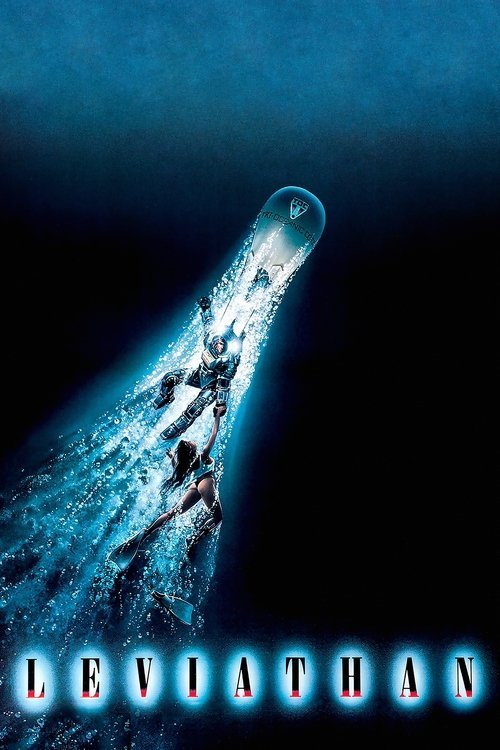
Released in the same calendar year as The Abyss and DeepStar Six, this deep sea horror sleeper got buried at the box office and has been clawing its way back ever since. George P. Cosmatos directs Peter Weller's deep-sea mining crew straight into a sunken Soviet wreck where genetic experimentation has produced something that fuses crew members into a single grotesque organism. The comparisons to The Thing are inevitable and earned, but Stan Winston's creature work gives this its own filthy identity. The cast is a murderer's row of late-'80s character actors (Hudson, Stern, Richard Crenna, Amanda Pays), and the practical body horror still holds up. The Rotten Tomatoes score is brutal, but the film has the last laugh as a perennial physical media pickup.
Read More
8

47 Meters Down

2017 • Horror, Thriller
5.8
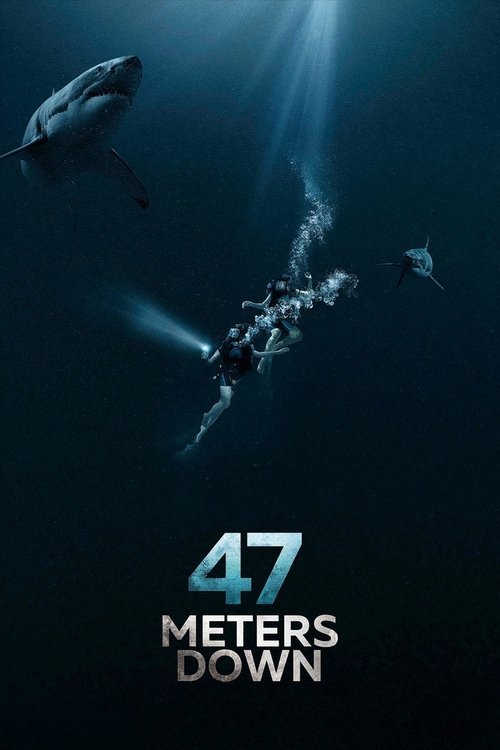
Johannes Roberts weaponizes the actual physics of deep diving (nitrogen narcosis, decompression sickness, oxygen math) to elevate this above the standard shark-attack template. Mandy Moore and Claire Holt play sisters whose shark-cage tourist trip in Mexico goes catastrophically wrong when the cable snaps and they plummet 154 feet to the ocean floor with limited air and very interested great whites. The genius of the film is the way it locks the audience inside the cage with them, communicating through fogged masks and panicked breathing. Roberts plays an unfair narrative trick in the final act that splits viewers, but the central premise drills directly into thalassophobia. A modest box-office hit that proved deep-water horror still has commercial legs.
Read More
9

Open Water

2004 • Horror, Thriller
5.6
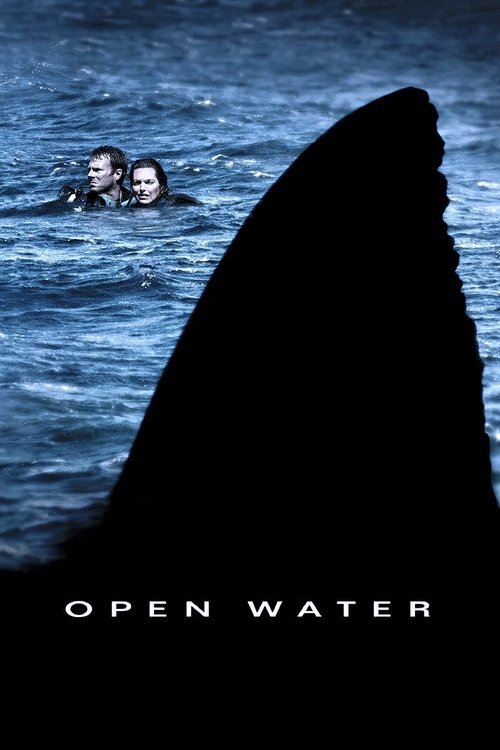
Chris Kentis shot this microbudget deep sea horror entry with his wife Laura Lau, real sharks, and zero CGI, and the resulting film remains one of the genre's most viscerally upsetting experiences. Loosely based on the 1998 disappearance of Tom and Eileen Lonergan off Australia's Great Barrier Reef, the film follows a couple accidentally left behind by their dive boat as the realization sets in: nobody is coming. The horror is patient and existential. Sunburn, dehydration, and the slow circling of actual sharks beneath the actors' actual feet (no greenscreen) accumulate into pure dread. The final shot is one of the most quietly devastating endings in modern horror. It grossed $58M against its tiny budget and changed indie horror economics overnight.
Read More
10

Sea Fever

2020 • Drama, Horror
6.1
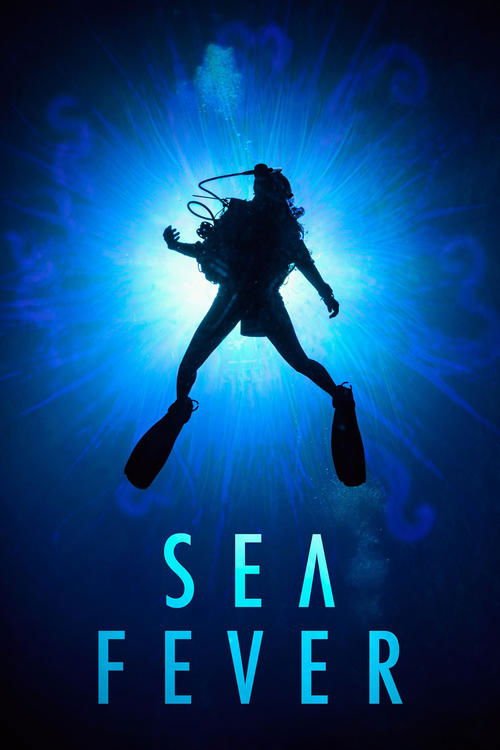
Neasa Hardiman's debut feature got an unfortunate VOD-only release in April 2020, where critics immediately read it as accidental pandemic horror. That framing slightly undersells what is otherwise a smart, slow-burn deep sea horror entry rooted in genuine marine biology. Hermione Corfield plays a marine-biology PhD student aboard an Irish trawler that gets pinned by a giant tentacled creature in a fishing exclusion zone, and the parasites it leaves behind do most of the heavy lifting. The infection vectors are clinically convincing, the body horror is restrained but deeply unsettling, and the ethical dilemma at the climax cuts harder than most genre films would dare attempt. Hardiman, a TV veteran (Jessica Jones, Z: The Beginning of Everything), shoots the trawler like a pressurized tomb.
Read More
11

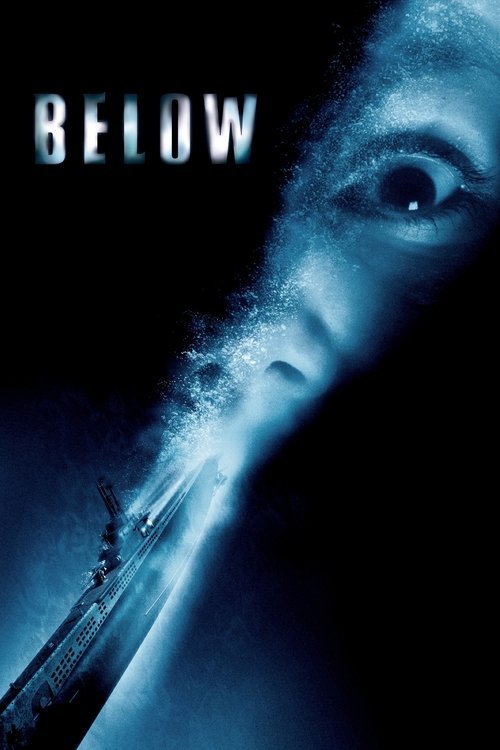
Below

2002 • Horror, Mystery
6.0
David Twohy co-wrote this with Darren Aronofsky before either was a household name, and the pedigree shows. Below is a haunted-submarine ghost story that takes the WWII naval thriller template and slowly drowns it in supernatural dread. The crew of the USS Tiger Shark rescues survivors from a sunken hospital ship, and from there, the disembodied voices, mechanical failures, and hallucinations escalate methodically. Twohy uses sonar pings, hull-creak sound design, and the geometry of the sub itself as horror tools. Bruce Greenwood, Olivia Williams, and Holt McCallany sell the period authenticity, and the film's reveal pivots beautifully without overplaying its hand. Box office disaster, midnight-movie classic, and one of the most underrated deep sea horror films of the 2000s.
Read More
12

Deep Rising

1998 • Action, Adventure
6.2
Stephen Sommers previewed his Mummy formula here: action-horror with a wisecracking hero, a dry-witted love interest, and creature mayhem dialed to ridiculous levels. Treat Williams leads a band of mercenary thieves who board a luxury liner in deep international waters, only to discover a colossal tentacled sea monster has already eaten everyone aboard and is hungry for seconds. Deep Rising understands its own absurdity and never apologizes for it. Famke Janssen gets to be properly funny, Kevin J. O'Connor steals every scene as the panicked sidekick, and the practical-CGI hybrid creature effects hold up better than most contemporaries. It's the rare deep sea horror entry that wants you to laugh and recoil simultaneously, and it nails the balance.
Read More
13

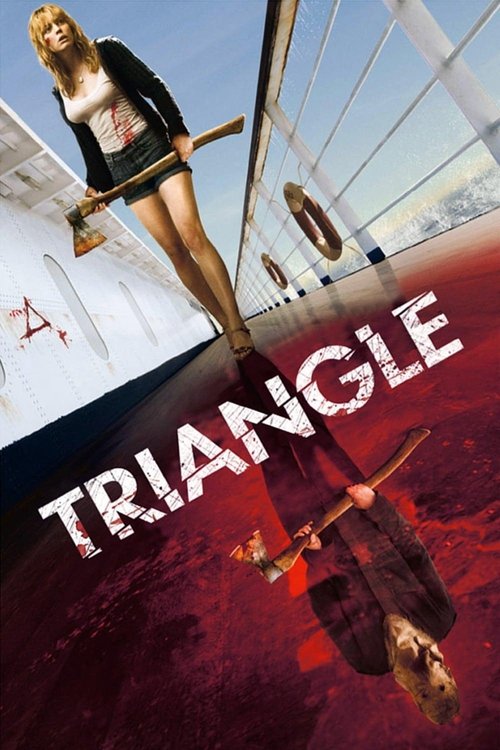
Triangle

2009 • Horror
6.9
Christopher Smith's mind-bending deep sea horror entry hides one of the genre's most ambitious puzzles inside a deceptively simple premise. Melissa George leads a small group of friends whose yacht capsizes in mysterious waters, and they board a passing ocean liner that turns out to be a time-loop nightmare with sinister symmetry. Smith plays this thing like a Möbius strip: every revelation reframes the previous one, and the deep ocean setting amplifies the existential dread of being trapped in a closed system with no horizon. Melissa George delivers one of the great underrated horror lead performances. The film's modest theatrical run belied how deeply it would burrow into horror discourse over the following decade. A required watch for fans of psychological aquatic dread.
Read More
14

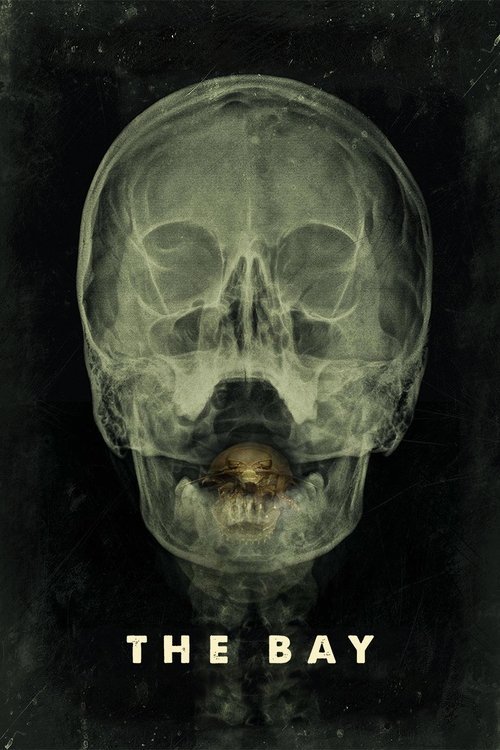
The Bay

2012 • Horror, Science Fiction
5.8
Barry Levinson's found-footage deep sea horror outing trades the prestige polish of Sphere for grimy, chlorinated terror in shallow Atlantic waters fed by a polluted deep-water source. The premise grounds itself in horrifyingly real biology: tongue-eating isopods, mutated by chicken-farm runoff, breeding in the Chesapeake and infecting humans through tap water. Levinson frames the whole thing as a censored government-disclosure cover-up, blending news footage, GoPro material, and Skype calls into a quasi-documentary that actually believes in its environmental anger. The body horror is genuinely stomach-churning, and the film's modesty (it grossed under $1M theatrically) belies how deeply it gets under your skin. A perfect double bill with Cabin Fever.
Read More
15

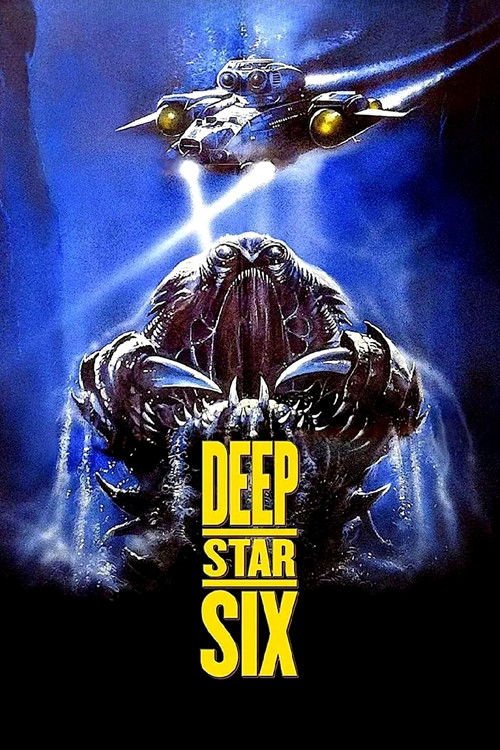
DeepStar Six

1989 • Action, Horror
5.5
Sean S. Cunningham, fresh off launching the Friday the 13th franchise, delivers a leaner, meaner take on submerged terror that beat Leviathan to theaters by months. The premise is irresistible pulp: navy personnel installing nuclear missiles on the ocean floor crack open an underwater cavern and unleash a prehistoric crustacean that proceeds to pick them off in textbook slasher fashion, just with rebreathers. Cunningham treats the deep sea horror premise as a haunted-house movie with extra steps, and the practical creature work has aged into genuine charm. It's pulpier than its 1989 siblings but knows exactly what it is. The Mary Lou Mahnke death scene remains one of the era's most shockingly mean kills.
Read More
16

Dagon

2001 • Fantasy, Horror
6.2
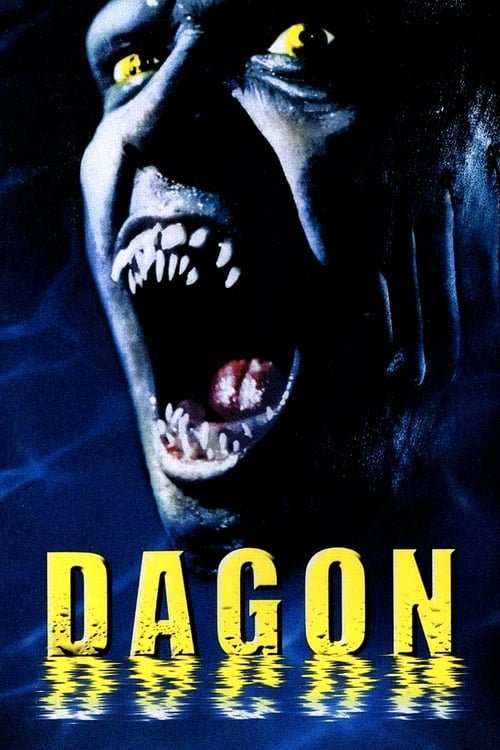
Stuart Gordon's loose adaptation of "The Shadow Over Innsmouth" relocates Lovecraft's mythos to a decrepit Spanish fishing town where ancient deep-sea worship has produced a population of half-human, half-fish abominations. Gordon, the patron saint of Lovecraftian cinema, brings the same body-horror gusto from Re-Animator and From Beyond and pushes it further into religious dread. Ezra Godden plays the doomed protagonist with the wide-eyed terror the role demands, and the film escalates into one of the most genuinely upsetting third acts in the genre. The flaying scene alone is the kind of thing you don't unsee. Critically uneven on release, Dagon has become a rite-of-passage film for Lovecraft fans and one of the purest distillations of cosmic-aquatic horror committed to film.
Read More

Why Deep Sea Horror Movies Belong on Every Watchlist

The depths will outlast every other horror trend because the ocean itself remains genuinely unknowable, which is why deep sea horror keeps generating new nightmare material decade after decade. From Cameron’s bleeding-edge 1989 effects work to Eubank’s 2020 Lovecraftian fever dream, these 16 films prove the seabed is cinema’s most reliable source of dread.

If your appetite for atmospheric, slow-burn terror is now properly stoked, our deep dive into atmospheric coastal town mysteries with dark secrets makes the perfect surface-level companion piece, especially given how many of the deep sea horror entries above (looking at you, Dagon) blur the line between landlocked dread and the things waiting just offshore. For more genre-spanning recommendations, browse the full Movievia horror category for your next obsessive marathon.


Frequently Asked Questions About Deep Sea Horror Movies
Are there any deep sea horror movies based on true stories?

A handful of deep sea horror movies draw directly from real maritime disappearances or marine biology, with Open Water (2003) being the most famous example, loosely based on the 1998 disappearance of divers Tom and Eileen Lonergan off Australia’s Great Barrier Reef. Most deep sea horror films, however, blend real oceanographic anxieties (parasites, decompression sickness, deep ocean creatures) with speculative fiction.

Which deep sea horror movie has the best monster reveal?

The best monster reveal in modern deep sea horror belongs to Underwater (2020), which director William Eubank confirmed features H.P. Lovecraft’s Cthulhu in its climax. The reveal recontextualizes the entire film, transforming it from a generic creature feature into a cosmic horror entry, and is widely credited with giving the film a cult second life on streaming after its theatrical underperformance.

What makes deep sea horror movies so terrifying?

Deep sea horror movies tap into thalassophobia, the primal fear of deep water and the unknown lurking within it. The genre weaponizes crushing pressure, total darkness, isolation from rescue, and the documented reality that we’ve explored less than 5% of the ocean floor. Underwater (2020) executes this by trapping its crew at the bottom of the Mariana Trench with depleting oxygen and unseen creatures.
🍿 What to watch next

Loved this vibe? Keep the binge going with:

15 Best Native American Movies Ever Made