The best Gothic horror movies know that real dread lives in the wallpaper peeling off the walls of a dying manor house, not in monsters lunging at the camera. From crumbling estates on the moors to blood-red clay seeping through Victorian floorboards, this corner of cinema has been perfecting mood as terror for nearly a century. The genre trades shock for suggestion, jump scares for sustained unease, and bright hallways for candlelit corridors where every shadow deserves its own ominous violin cue.

If your perfect Saturday night involves a thunderstorm, a glass of red wine, and the slow-creep terror of a haunted bedroom door, the list below was built for you. Consider it the Gothic counterpart to our guide to atmospheric coastal town mysteries where secrets simmer under every scenic shoreline. Each entry earns its place through craft: period accuracy, production design that rivals any Oscar nominee, and directors who understand that patience is the genre’s sharpest weapon.

What Are the Best Gothic Horror Movies of All Time?
The best Gothic horror movies blend haunted architecture, cursed lovers, and brooding atmosphere into dread-soaked cinema. Guillermo del Toro’s Crimson Peak, Alejandro Amenábar’s The Others, and Robert Eggers’s Nosferatu stand as modern touchstones, while classics like Rebecca and The Innocents define the genre’s chilling, elegant blueprint across decades of shadowy craftsmanship.

Best Gothic Horror Movies
1

Rebecca

1940 • Drama, Mystery
7.9
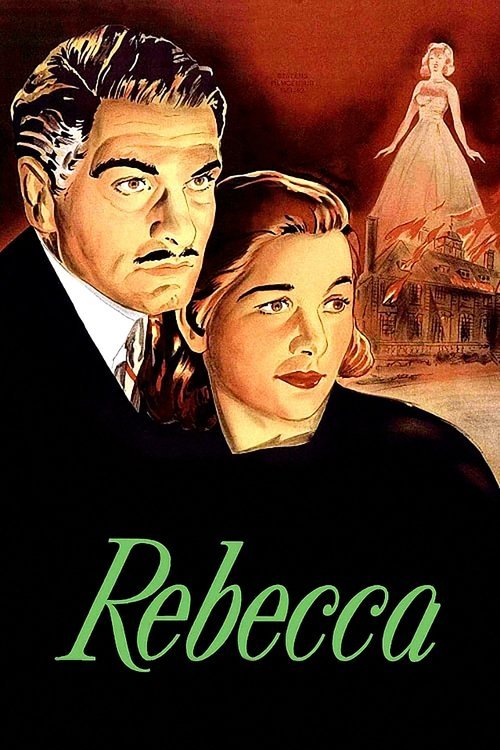
Rebecca is where Gothic horror movies found their Hollywood blueprint, and Alfred Hitchcock's 1940 masterpiece still teaches directors how to make a house feel like a living antagonist. Joan Fontaine's nameless second Mrs. de Winter drifts through Manderley like prey, while Judith Anderson's Mrs. Danvers redefines the word "menace" without ever raising her voice. George Barnes won an Academy Award for cinematography that turns every doorway into a threat. The film took home Best Picture, handing Hitchcock his only win in that category, and remains required viewing for anyone studying mood as weapon. Pure psychological dread, zero jump scares, maximum suggestion.
Read More
2

The Innocents

1961 • Drama, Horror
7.5
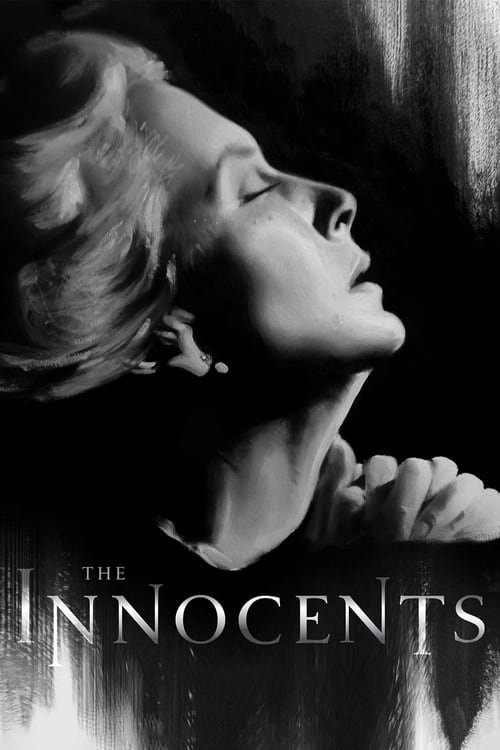
Jack Clayton's The Innocents holds a place in the pantheon of Gothic horror movies that critics keep rediscovering every generation. Deborah Kerr delivers a performance so quietly unhinged that you begin doubting her sanity before the ghosts even arrive. Freddie Francis's black-and-white CinemaScope photography turns Bly Manor into the most beautifully sinister estate in cinema, with deep-focus compositions that dare you to spot the specter in the window. Truman Capote co-wrote the screenplay, giving the Henry James source material a literary polish rarely seen in genre fare. Martin Scorsese has publicly called it one of the scariest films ever made, and he isn't exaggerating.
Read More
3

The Haunting

1963 • Horror
7.1
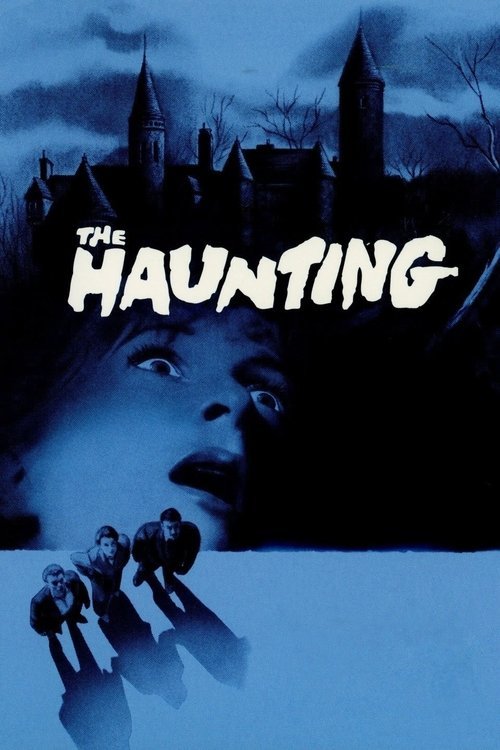
Robert Wise directed The Haunting between West Side Story and The Sound of Music, proving he could terrify audiences without showing a single ghost. Adapted from Shirley Jackson's novel, this 1963 entry remains the gold standard for psychological Gothic horror movies that trade in suggestion rather than gore. Davis Boulton's canted angles and anamorphic distortion turn Hill House into an architectural nervous breakdown, while Julie Harris's Eleanor becomes one of horror's most tragic protagonists. Martin Scorsese ranks it on his personal scariest-films list, full stop. The bulging-door sequence has been studied in film schools for over sixty years and still sends viewers diving under blankets.
Read More
4

The Others

2001 • Horror, Mystery
7.6
Alejandro Amenábar's The Others is the rare modern entry in the Gothic horror movies canon that earned both box-office dominance and critical adoration. Nicole Kidman delivers one of her career-best performances as Grace, a devout mother guarding her photosensitive children in a Jersey Island mansion that seems to swallow light itself. Javier Aguirresarobe's photography leans into candlelight and oppressive fog, creating compositions that feel lifted from a Victorian oil painting. The film grossed $210 million against a $17 million budget and rewrote the rulebook on the final-act twist by turning exposition into genuine devastation. A ghost story that rewards silence over screams.
Read More
5

The Woman in Black

2012 • Drama, Horror
6.1
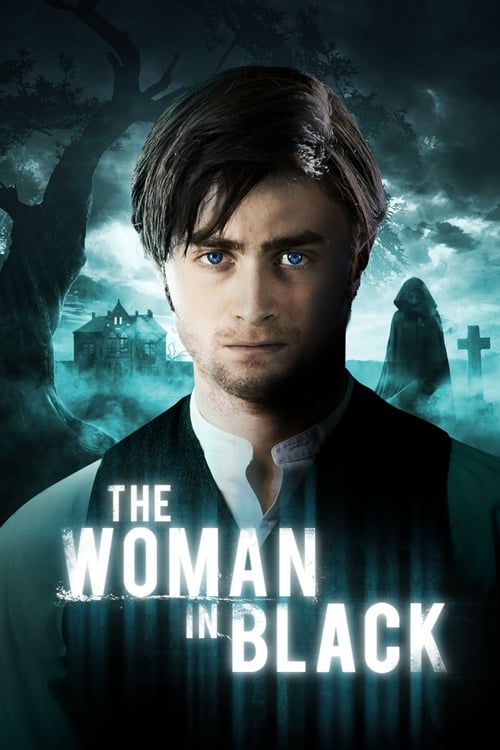
Daniel Radcliffe's first post-Potter role plunged straight into the oldest tradition of Gothic horror movies: the isolated widower, the cursed village, the vengeful spectral woman. James Watkins directs like a horror archaeologist, rebuilding the Hammer Films formula for a modern audience without losing the genre's Edwardian bones. Eel Marsh House, accessible only at low tide, becomes one of the 2010s' most memorable haunted locations, all peeling wallpaper and nursery toys twitching on their own. Based on Susan Hill's 1983 novel, the film grossed $128 million worldwide and reignited Hammer Films as a going concern. Pure practical-effect spookery that respects its source.
Read More
6

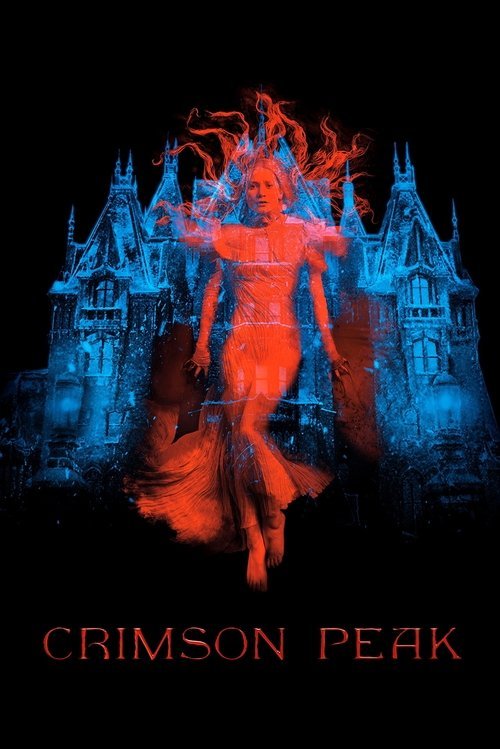
Crimson Peak

2015 • Drama, Horror
6.7
Guillermo del Toro built Crimson Peak as his love letter to the Gothic horror movies he grew up devouring, and Allerdale Hall might be the most gorgeous haunted mansion ever constructed on a soundstage. Dan Laustsen's cinematography saturates every frame with blood-red clay seeping through the floorboards, while Kate Hawley's costumes rival Merchant Ivory in their precision. Tom Hiddleston and Jessica Chastain deliver the kind of operatic sibling chemistry Daphne du Maurier would have adored, with Mia Wasikowska grounding the melodrama. Critics debated whether it was horror or romance; del Toro correctly insisted it was both. A $55 million swan dive into genre purity.
Read More
7

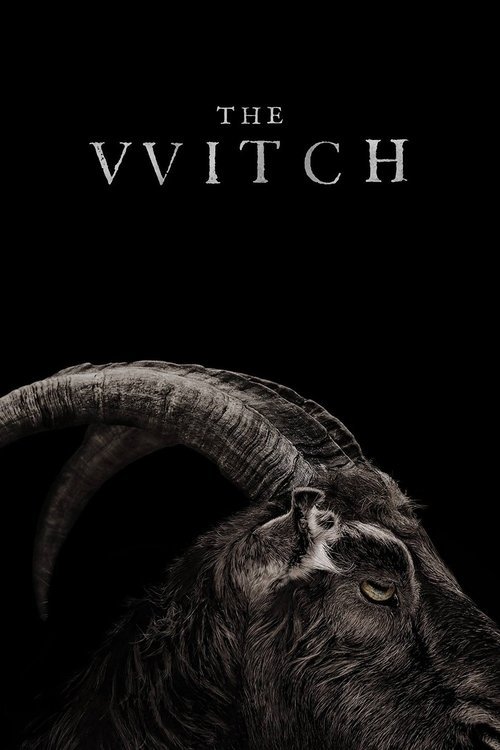
The Witch

2016 • Horror
7.0
Robert Eggers announced himself to Gothic horror movies with a debut so meticulously researched that the dialogue was pulled from period court records. The Witch drops a Puritan family into 1630s New England wilderness where faith collapses faster than the livestock. Anya Taylor-Joy's Thomasin became an instant icon of horror cinema, and the film's final frame is one of the most discussed endings of the 2010s. Jarin Blaschke shot on natural light and firelight only, an approach he'd later repeat on The Lighthouse. The film took home the Sundance Directing Award and grossed $40 million on a $4 million budget for A24. Folk-Gothic perfection.
Read More
8

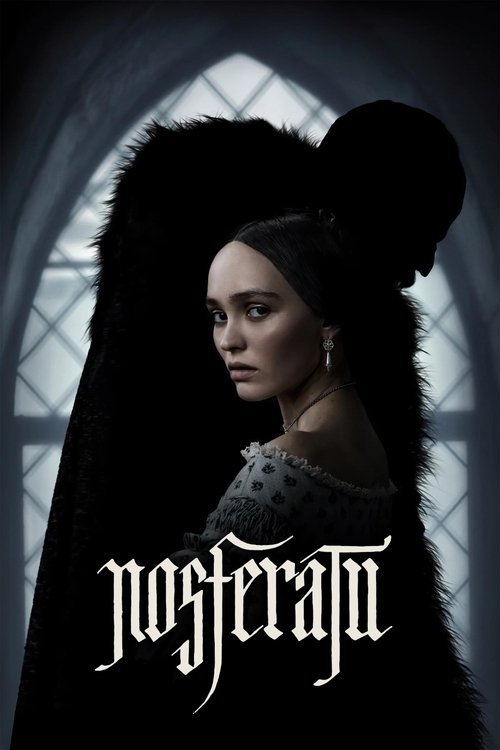
Nosferatu

2024 • Fantasy, Horror
6.7
Robert Eggers waited nearly a decade to remake F.W. Murnau's silent classic, and Nosferatu proves why he's the generation's leading voice in period Gothic horror movies. Bill Skarsgård disappears beneath prosthetics that render Count Orlok genuinely alien, while Lily-Rose Depp delivers a career-redefining performance as the afflicted Ellen. Jarin Blaschke's cinematography returns to firelight-and-moonlight purity, with a color palette stripped to corpse blue and ember orange. The film grossed $181 million on a $50 million budget, reminding studios that audiences still crave slow, committed dread. Every period detail, from 1838 Wismar architecture to Thomas Hutter's coat buttons, was obsessively researched.
Read More
9

Bram Stoker’s Dracula

1992 • Horror, Romance
7.4
Francis Ford Coppola swung for operatic grandeur with Bram Stoker's Dracula, and the result is one of the most maximalist Gothic horror movies ever funded by a major studio. Gary Oldman transforms through centuries of makeup designs by Greg Cannom, Michael Ballhaus's camera prowls candlelit castles, and Eiko Ishioka's Oscar-winning costumes look like gallery installations. The film grossed $215 million against a $40 million budget, won three Academy Awards, and still divides audiences over Keanu Reeves's Jonathan Harker. Coppola rejected digital compositing entirely, building every effect in-camera with matte paintings and forced perspective. A swooning, blood-drunk fever dream from start to finish.
Read More
10

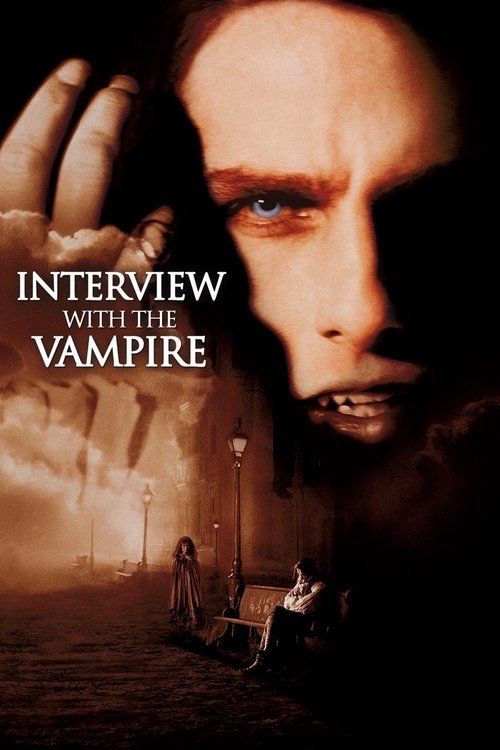
Interview with the Vampire

1994 • Drama, Fantasy
7.4
Neil Jordan turned Anne Rice's novel into one of the sexiest, saddest Gothic horror movies of the 1990s, with Tom Cruise reinventing his public image as the hedonistic Lestat. Brad Pitt's Louis provides the melancholic counterweight, Kirsten Dunst's breakout Claudia remains the most unsettling child vampire ever filmed, and Antonio Banderas's Armand quietly steals every scene he enters. Philippe Rousselot's cinematography drenches Paris and New Orleans in honeyed candlelight, while Stan Winston's vampire makeup set a new industry standard. The film grossed $224 million on a $60 million budget, and Anne Rice famously went from Cruise skeptic to public convert. Immortality has rarely looked more exhausting.
Read More
11

Mary Shelley’s Frankenstein

1994 • Drama, Horror
6.4
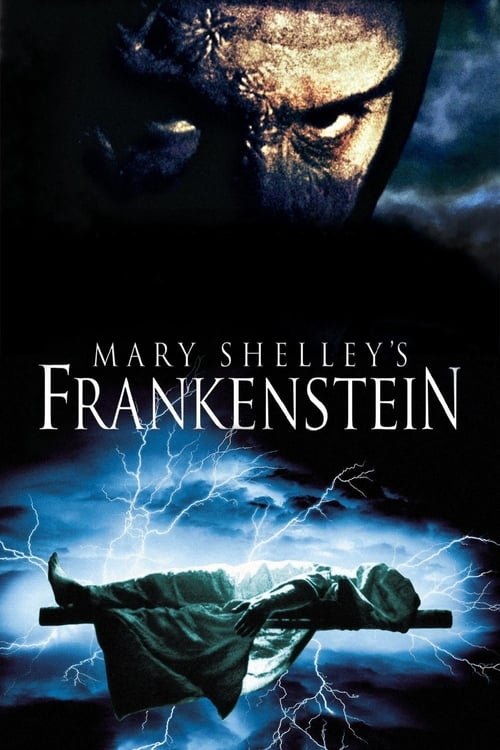
Kenneth Branagh directed and starred in this lavish swing at the Mary Shelley source material, one of the most thematically faithful Gothic horror movies ever attempted. Robert De Niro plays the Creature with tragic humanity rather than Universal Monsters iconography, delivering monologues about abandonment that hit harder than any jump scare. Patrick Doyle's score surges through the Arctic and the Alps, Roger Pratt's photography leans into thunder and candle flame, and Helena Bonham Carter's Elizabeth commits to the tragedy completely. Critics were divided on Branagh's operatic intensity, but the emotional throughline endures. A sincere, messy, deeply felt adaptation that treats the novel with genuine reverence.
Read More
12

Only Lovers Left Alive

2013 • Drama, Fantasy
7.2
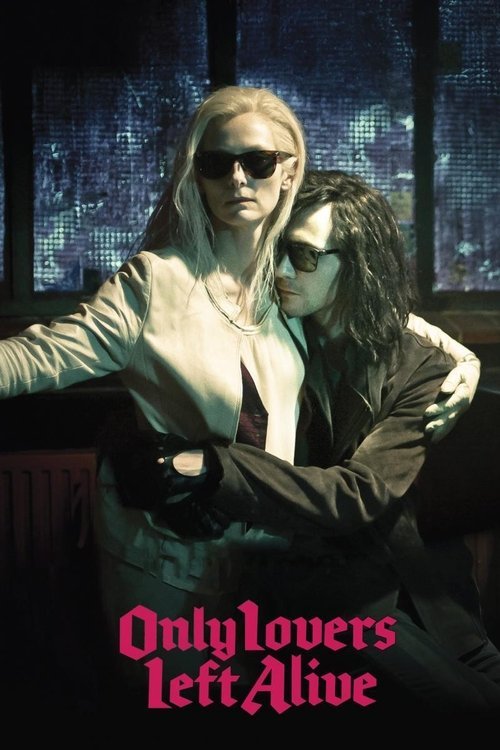
Jim Jarmusch reinvented the vampire film by making it about centuries-old lovers who mostly want to listen to records and complain about humanity. Only Lovers Left Alive slid into the Gothic horror movies conversation with the kind of hangdog elegance only Jarmusch can manufacture. Tilda Swinton and Tom Hiddleston play Eve and Adam across crumbling Detroit and midnight Tangier, both cities shot like poems by cinematographer Yorick Le Saux. The soundtrack, curated by Jarmusch's band SQÜRL, is as essential as the dialogue. Critics embraced it as a genre-bending art piece; Cannes premiered it in 2013. Dread has rarely felt this stylish, or this funny.
Read More
13

Sleepy Hollow

1999 • Fantasy, Horror
7.2
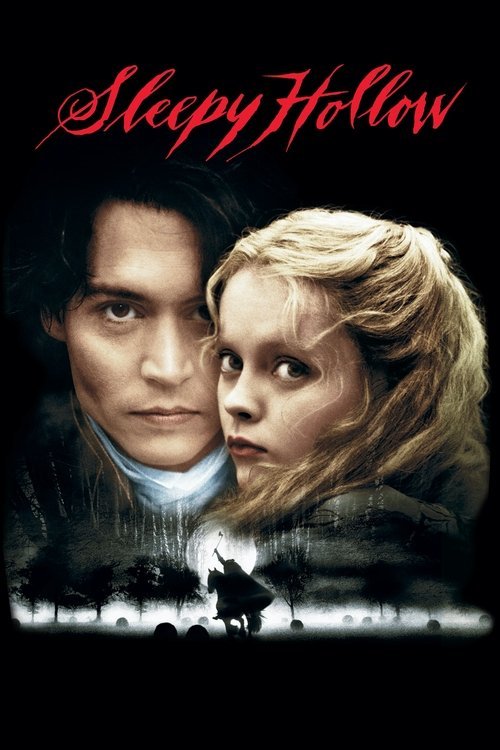
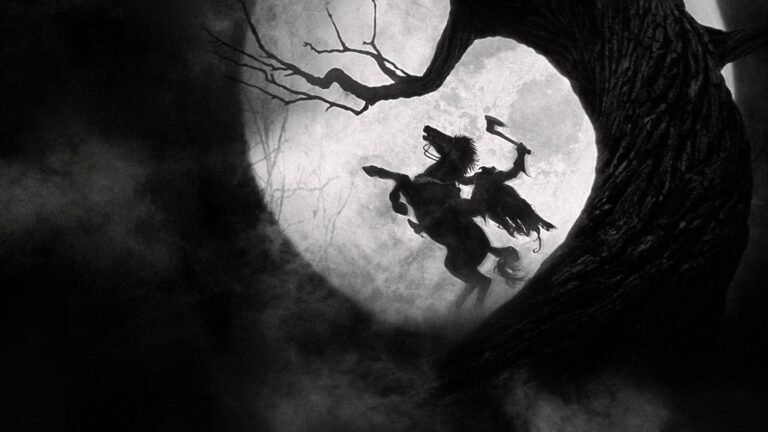
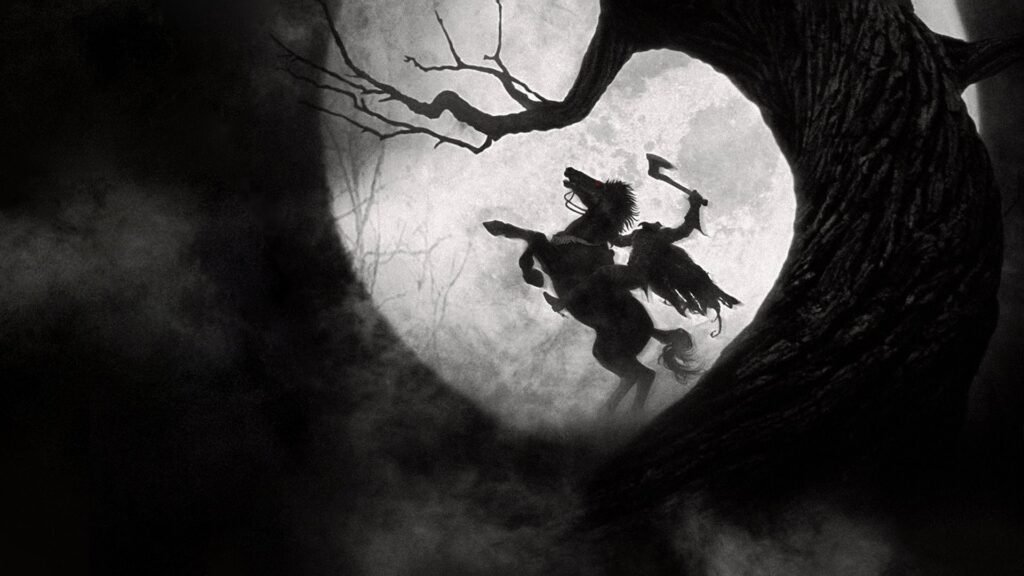
Tim Burton and Johnny Depp's third collaboration gave us Sleepy Hollow, the fog-drenched Washington Irving riff that still sits near the top of Burton-era Gothic horror movies lists. Emmanuel Lubezki (yes, that Emmanuel Lubezki) earned an Oscar nomination shooting the entire production on Shepperton soundstages with desaturated sets and practical fog machines. Christopher Walken as the Hessian with sharpened teeth is pure casting lightning. Rick Heinrichs won the Academy Award for Art Direction, and the bare-branched Tree of the Dead remains an all-timer image. The film grossed $207 million on a $100 million budget and introduced a generation to the pleasures of elegant beheadings.
Read More
14

The Devil’s Backbone

2001 • Drama, Fantasy
7.3
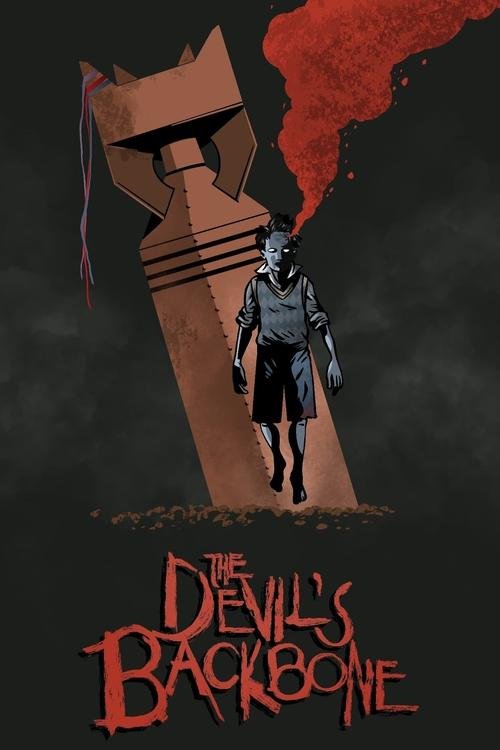
Guillermo del Toro made The Devil's Backbone between Mimic and Blade II, and he considers it the brother film to Pan's Labyrinth in his Spanish Civil War diptych. The ghost story unfolds at an isolated orphanage where a boy named Santi slowly emerges from the shadows with his head wound blooming like a rose in water. This entry is one of the most emotionally literate Gothic horror movies of the 2000s, treating political trauma as the real specter haunting every child in the frame. Guillermo Navarro's amber-drenched photography won multiple Spanish film awards. Mexican filmmaking royalty at its most personal, and its most devastating.
Read More
15

Pan’s Labyrinth

2006 • Drama, Fantasy
7.8
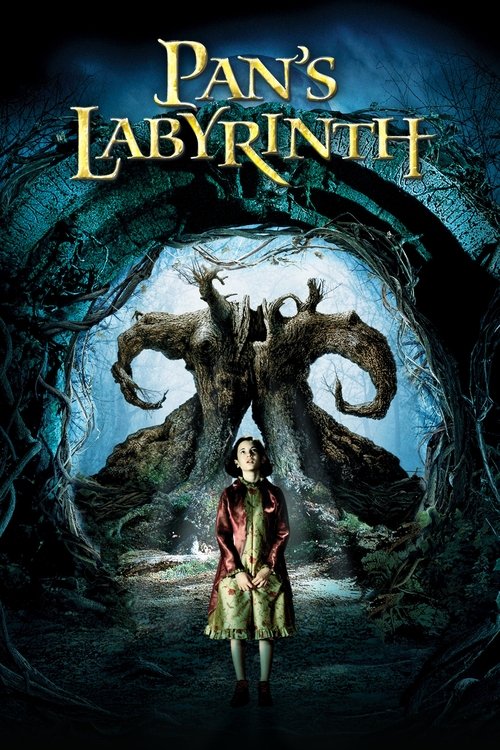
Pan's Labyrinth rewrote the rules for what Gothic horror movies could look like in the 21st century, fusing fairytale iconography with Francoist brutality in ways no studio would touch today. Guillermo del Toro spent a decade developing Ofelia's story, and Ivana Baquero's performance anchors the entire fantasy in heartbreaking child logic. Doug Jones's Pale Man and Faun are career-defining creature work, executed almost entirely in practical makeup. Guillermo Navarro took home the Oscar for cinematography, and the film collected three Academy Awards total. The ending, whether you read it as tragic or transcendent, is one of modern cinema's most debated final frames.
Read More
16

Sweeney Todd

2006 • Drama, Horror
6.3
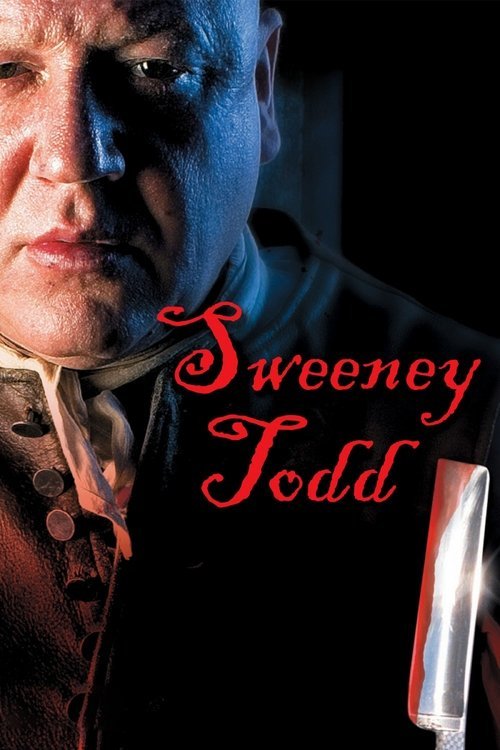
Tim Burton adapted Stephen Sondheim's stage musical into one of the bloodiest mainstream musicals ever greenlit by a major studio, and Sweeney Todd slots neatly into the Gothic horror movies canon for its Dickensian London and razor-sharp melancholy. Johnny Depp earned an Oscar nomination for a performance that Sondheim reportedly approved of personally, no small endorsement. Dante Ferretti took home the Academy Award for Art Direction, building a soot-choked Fleet Street that feels equal parts theatrical and industrial-apocalyptic. Helena Bonham Carter's Mrs. Lovett provides the macabre comedy, and Alan Rickman purrs through every lecherous Judge Turpin scene. Throats get slit in pitch. Magnificent.
Read More

Where These Gothic Horror Movies Fit in Your Watchlist

What unites every title above is a commitment to atmosphere as architecture. These aren’t films that demand gore or torture sequences; they ask you to lean in, listen to the silence between floorboards, and trust that the dread you’re feeling is justified. Del Toro, Eggers, Hitchcock, Clayton, and Coppola all understand that the Gothic is ultimately about memory, guilt, and the impossibility of burying the past quietly.

If these picks hit the right melancholic nerve, the genre still has deeper waters worth swimming. For viewers who want their dread laced with heartbreak, our roundup of the most devastating movies guaranteed to leave you sobbing uncontrollably covers Pan’s Labyrinth’s closest emotional companions in full. Gothic horror movies reward patience, and patience rewards the Gothic, so pour another glass, dim the lights, and pick tonight’s doomed manor.


Frequently Asked Gothic Horror Movies Questions

What makes Gothic horror movies different from regular horror?

Gothic horror movies prioritize atmosphere, decaying architecture, and psychological dread over gore or jump scares, drawing from 18th and 19th century literary traditions. The genre trades slashers for crumbling manor houses, tragic bloodlines, and forbidden romance, often set in candlelit ballrooms or fog-drenched moors. A film like Crimson Peak embodies this emphasis on mood, production design, and doomed romantic melancholy over visceral shock.

What are the defining traits of classic Gothic horror movies?

Classic Gothic horror movies are defined by isolated mansions, supernatural suggestion, repressed desire, and a heavy sense of inherited doom. Expect shadow-drenched cinematography, period costuming, unreliable narrators, and ghosts who may or may not exist depending on who’s listening. These films prize suggestion over spectacle, making every creaking staircase feel like a death sentence waiting to happen.

Which Gothic horror movies are considered the best of all time?

The Gothic horror movies most critics agree are essential span decades, from 1963’s The Haunting to modern masterworks by directors like Guillermo del Toro and Robert Eggers. Consensus picks typically feature strong period design, literary source material, and directors who treat genre with rigorous craft. These titles deliver dread, beauty, and tragedy in equal measure, which is the real Gothic trifecta.
🍿 What to watch next

Loved this vibe? Keep the binge going with:

8 Best Movies About 90s Underground Rave Culture