
Hollywood spent nearly a century treating Indigenous characters as scenery, stock villains, or tragic ghosts of a vanishing frontier. The last three decades have changed that equation entirely. The best Native American Movies today fuse sweeping visual craft with authentic cultural consultation, sovereign-nation storytelling, and performances from an entire generation of Indigenous actors the studios can no longer ignore. From the Osage-led testimony inside Martin Scorsese’s late-career masterpiece to the Comanche-language hunting grounds of a blockbuster action prequel, this is no longer a fringe genre. It is a vital wing of American cinema.
This list isolates the films where the core plot is Indigenous, not decorative. Titles where the central storyline concerns tribal life, historical reckoning, or modern reservation reality, rather than fleeting cameos in a cowboy story. Several entries overlap with our deep dive into revisionist Westerns where Native Americans are the good guys, because this list leans heavily on films that refused the old cavalry-charge mythology and handed the moral weight to the people the genre had spent decades sidelining. These fifteen Native American films deliver that weight with craft, nuance, and fire.
At a Glance: Best What to Watch Picks
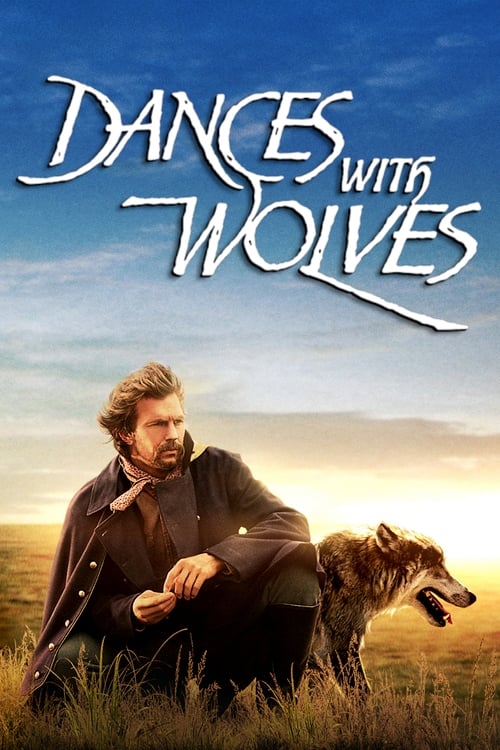
- →Dances with Wolves (1990)
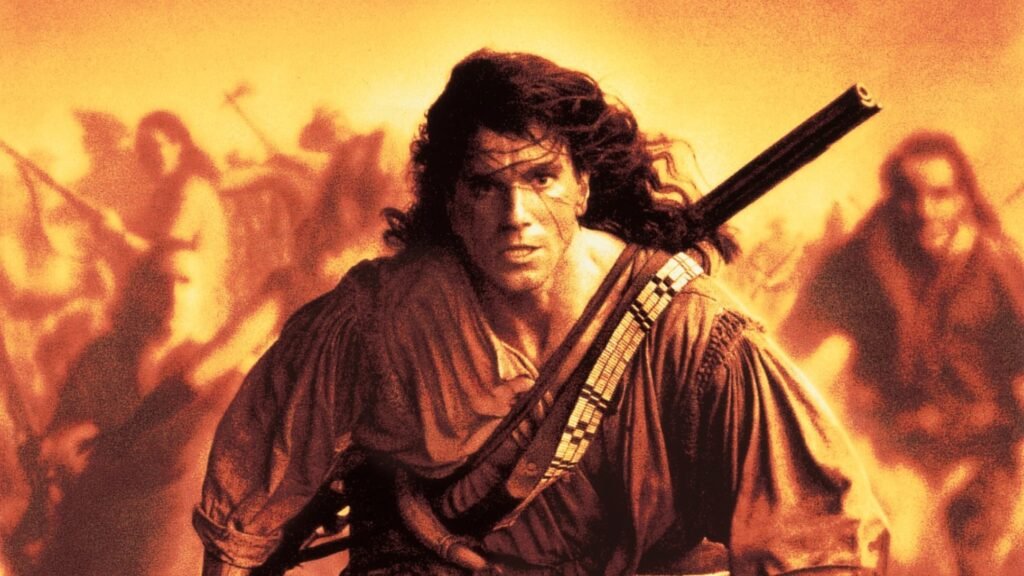
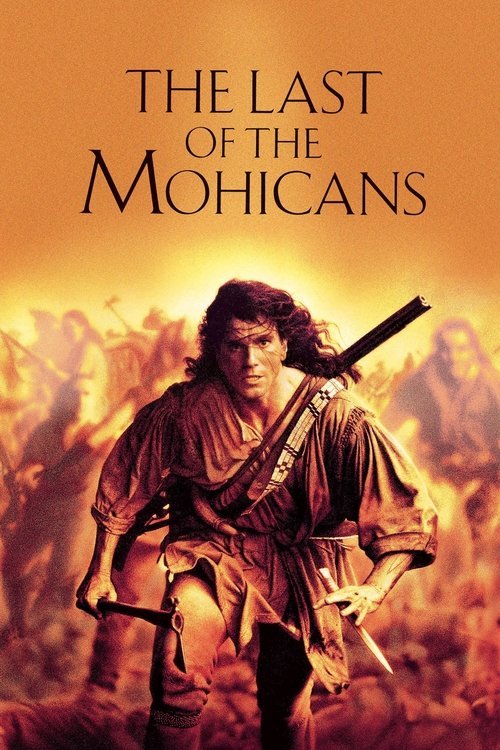
- →The Last of the Mohicans (1992)
- →Little Big Man (1970)
- →Hostiles (2017)
- →Smoke Signals (1998)
- →Wind River (2017)
- →Thunderheart (1992)
- →Wild Indian (2021)
- →Killers of the Flower Moon (2023)
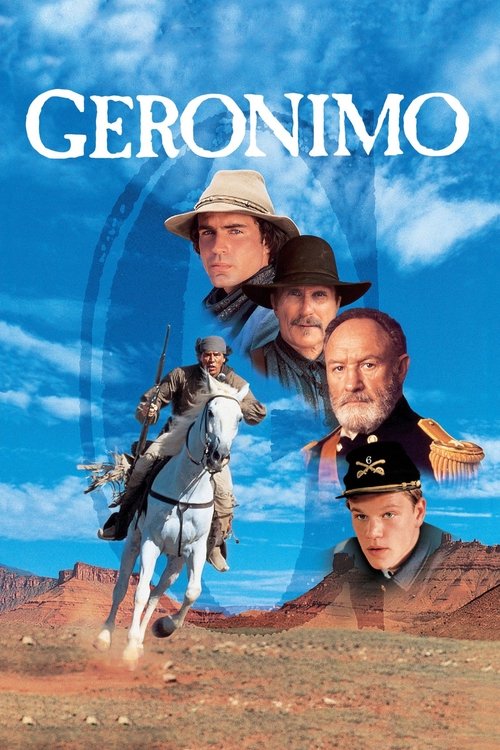
- →Geronimo: An American Legend (1993)
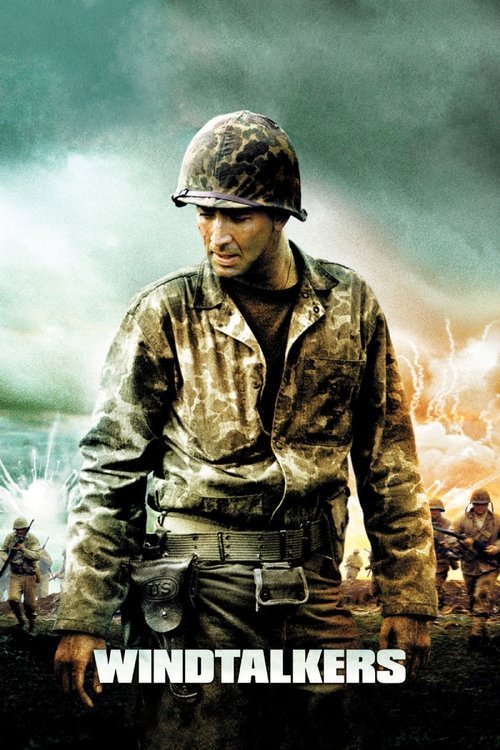
- →Windtalkers (2002)
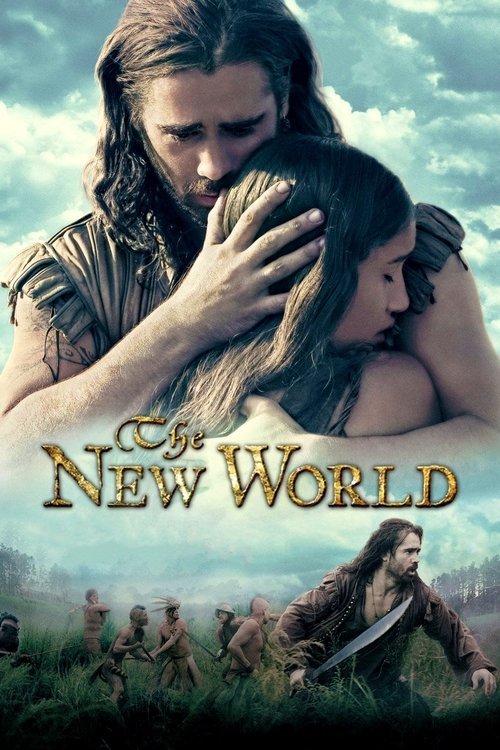
- →The New World (2005)
- →Prey (2022)
- →Atanarjuat: The Fast Runner (2002)
- →Blood Quantum (2019)
Best Native American Movies

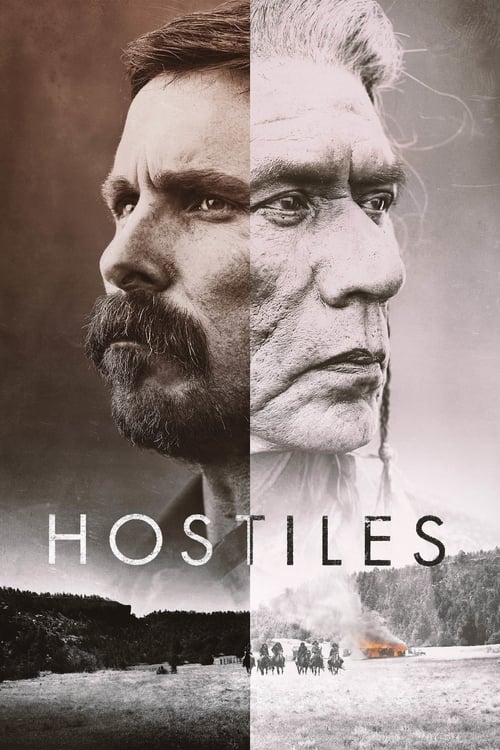

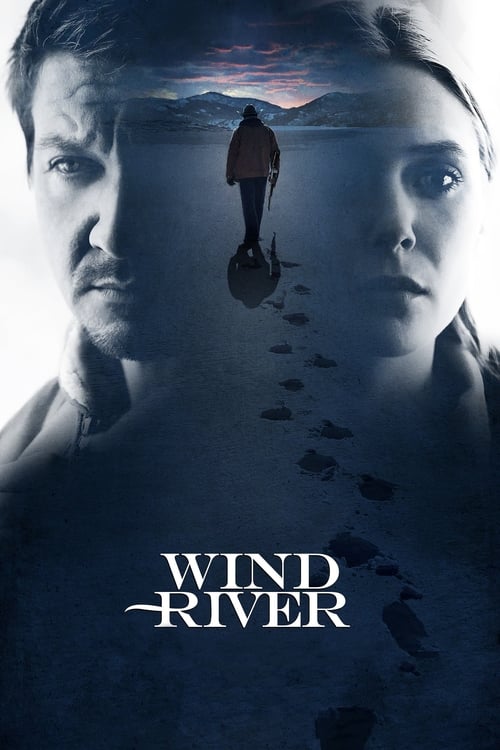
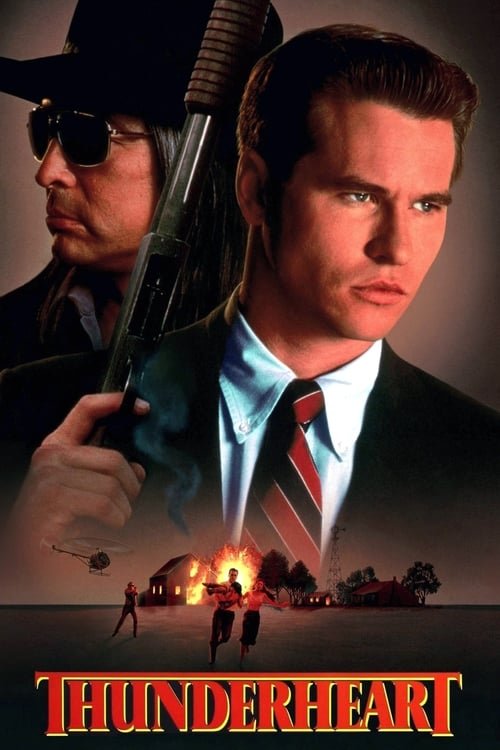
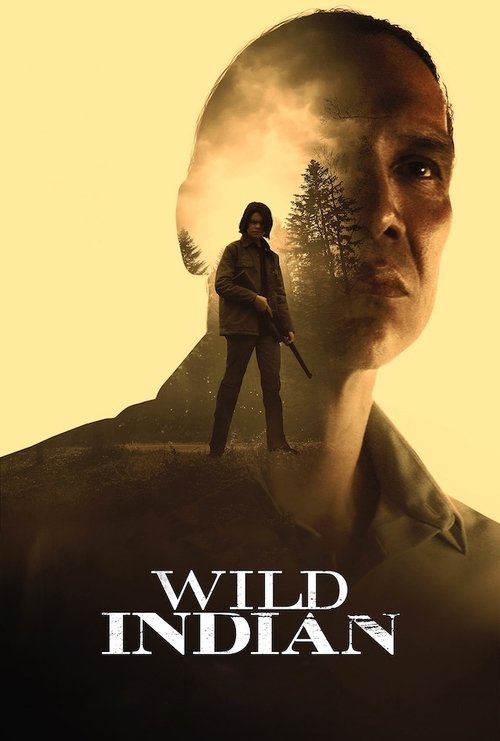



The Evolving Legacy of Native American Movies in Cinema
The strongest Native American Movies on this list do something the genre spent a century refusing to do: they treat Indigenous peoples as complex protagonists with futures, not just mourned relics of the past. That shift, from John Ford’s stoic cavalry-movie extras to Lily Gladstone commanding a three-hour Scorsese epic with her silences, is one of the most meaningful corrections American film has ever undertaken. For viewers drawn to the reservation-set realism of Wind River, the contemporary edge of Wild Indian, or the urgent sovereignty questions raised by Killers of the Flower Moon, our companion feature on must-watch modern movies about Native Americans carries the same conversation straight into the present-day Indigenous cinema moment.
The future of the genre belongs to Indigenous directors, writers, and showrunners, and the groundwork is already on screen. Every viewer who sits with these fifteen films becomes part of the audience that signals to studios what the next fifteen should look like.
FAQ About Native American Movies
What are the most historically accurate Native American Movies ever made?
Killers of the Flower Moon is widely considered the gold standard for historical accuracy among recent Native American Movies, thanks to its deep consultation with the Osage Nation and its refusal to soften the Reign of Terror. Geronimo: An American Legend and Hostiles also prioritize documented history, treating Apache and Cheyenne perspectives as primary sources rather than decorative context. Accuracy in this genre is not only about dates. It is about whose grief the camera sits with.
Which Native American Movies feature authentic Indigenous representation?
Authenticity in Native American Movies is best measured by Indigenous involvement at every production level: writing, directing, producing, and casting. Smoke Signals, Atanarjuat: The Fast Runner, Wild Indian, and Blood Quantum are directed by Indigenous filmmakers with Indigenous leads and Indigenous creative teams. Prey went a step further by producing a full Comanche-language dub of the final film, a historic first for a major studio release. Look for tribal consultation credits and casting of Indigenous actors in Indigenous roles as a baseline.
Are there any Native American Movies directed by Indigenous filmmakers?
Yes, and the list is growing every year. Key entries in the Indigenous-directed Native American Movies canon include Chris Eyre’s Smoke Signals (Cheyenne and Arapaho), Zacharias Kunuk’s Atanarjuat: The Fast Runner (Inuit), Jeff Barnaby’s Blood Quantum and Rhymes for Young Ghouls (Mi’kmaq), Sterlin Harjo’s television work (Seminole/Muscogee), and Lyle Mitchell Corbine Jr.’s Wild Indian (Bad River Ojibwe). The next decade of the Indigenous cinema conversation will be defined by this generation and the one behind them.