
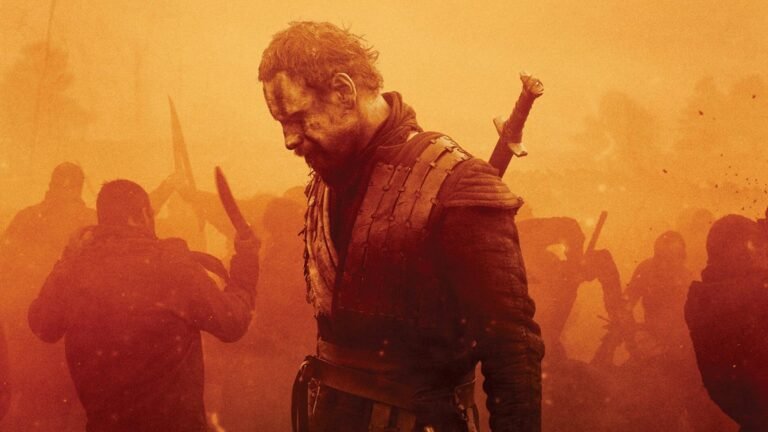

Hollywood frequently romanticizes the Middle Ages with shiny armor and pristine castles, but audiences craving authentic brutality prefer realistic medieval movies that capture the muck, blood, and political treachery of feudal Europe. From visceral sword fights to historically accurate weaponry, these cinematic achievements strip away the fairy tales to reveal a much harsher reality. Directors who commit to this level of detail understand that history is rarely clean.
Capturing the dark ages cinema vibe requires a specific directorial vision and a commitment to practical effects. Filmmakers like Ridley Scott and David Mackenzie rely on massive budgets and meticulous production design to ground their historical epics in realism. Fans of raw battle sequences and complex royal disputes will appreciate how these selections prioritize dirt over chivalry. If you enjoy the immense scale of epic historical battle films, this definitive ranking of Middle Ages cinema delivers exactly that level of intensity.
What Are the Best Realistic Medieval Movies?
The most acclaimed realistic medieval movies combine historical accuracy with visceral combat to depict the harsh realities of the Middle Ages. Standout titles like The Last Duel, Outlaw King, and The Northman offer audiences an unflinching perspective on feudal warfare, royal betrayals, and the brutal conditions of historical Europe.
At a Glance: Best What to Watch Picks
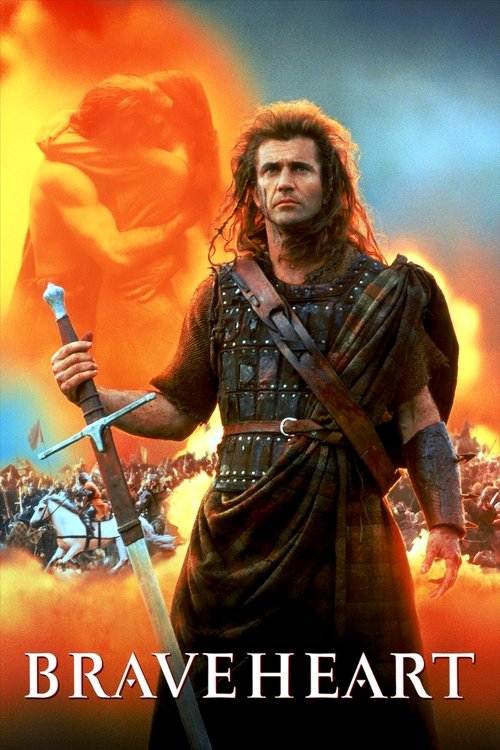
- →Braveheart (1995)
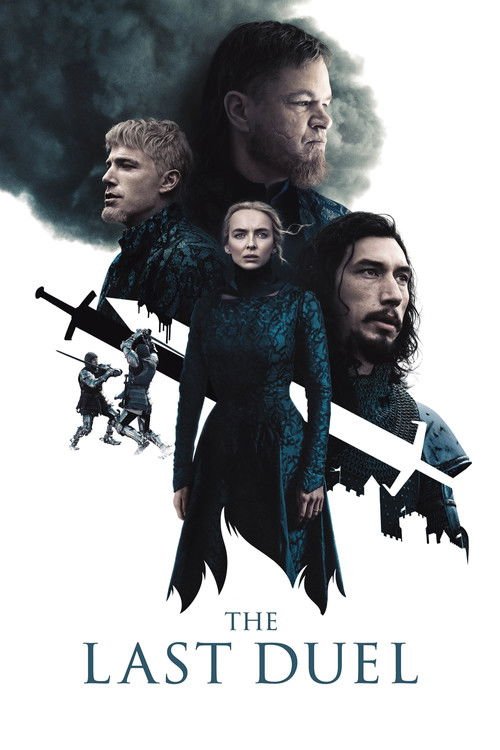
- →The Last Duel (2021)
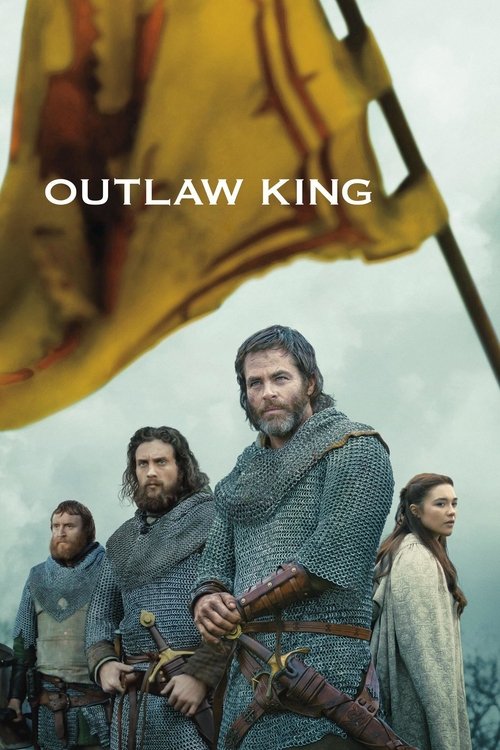
- →Outlaw King (2018)
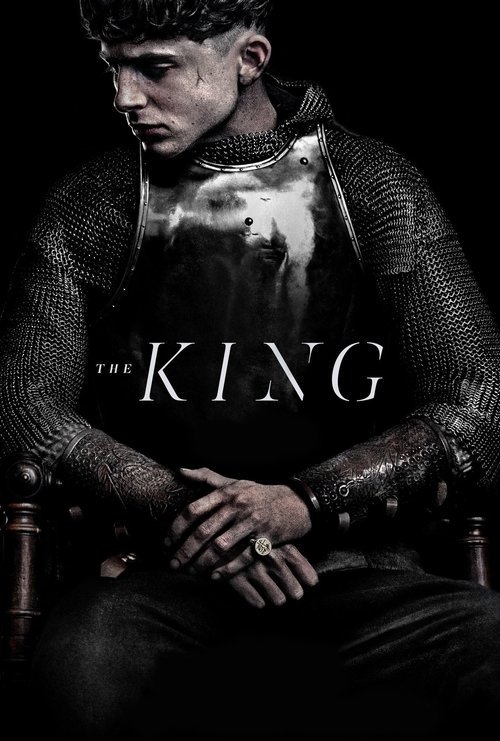
- →The King (2019)
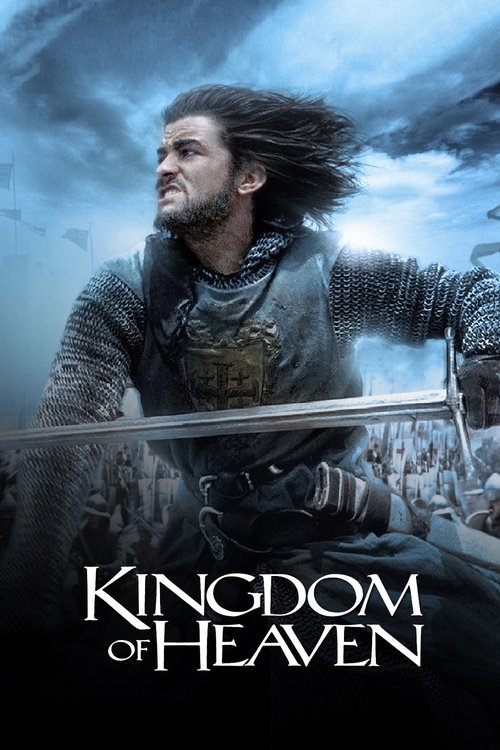
- →Kingdom of Heaven (2005)
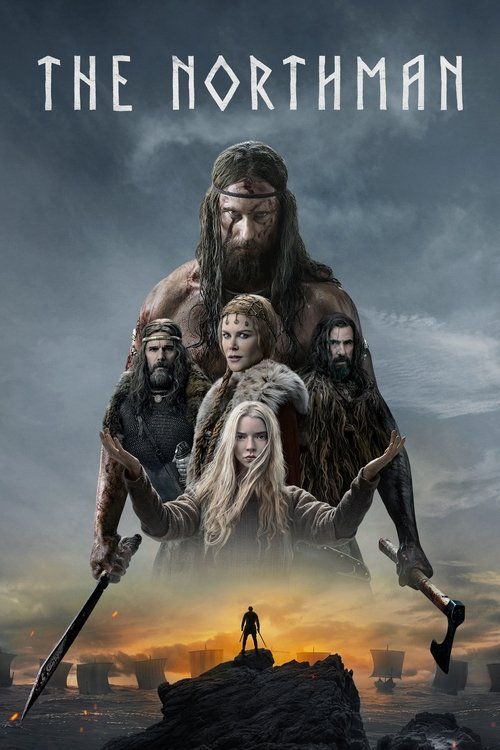
- →The Northman (2022)
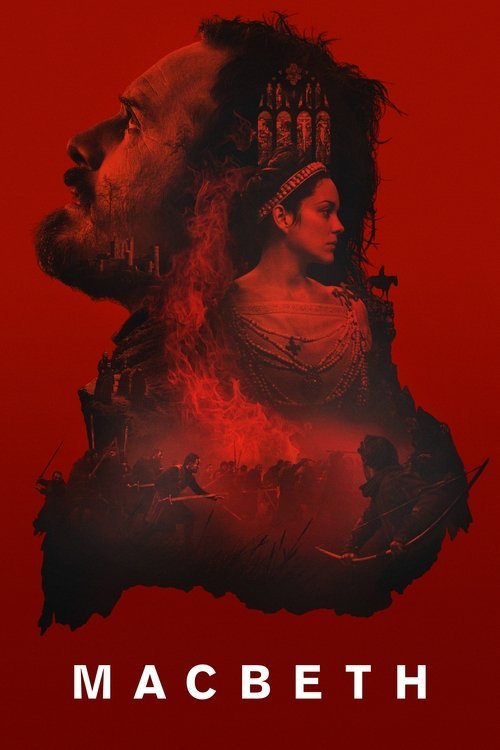
- →Macbeth (2015)
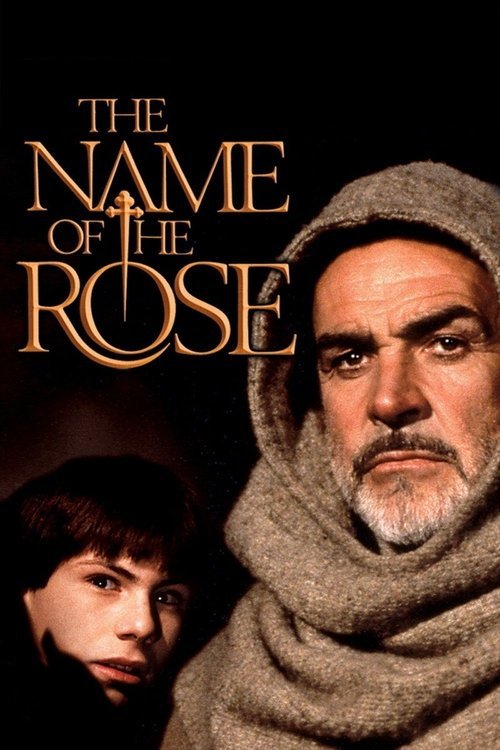
- →The Name of the Rose (1986)
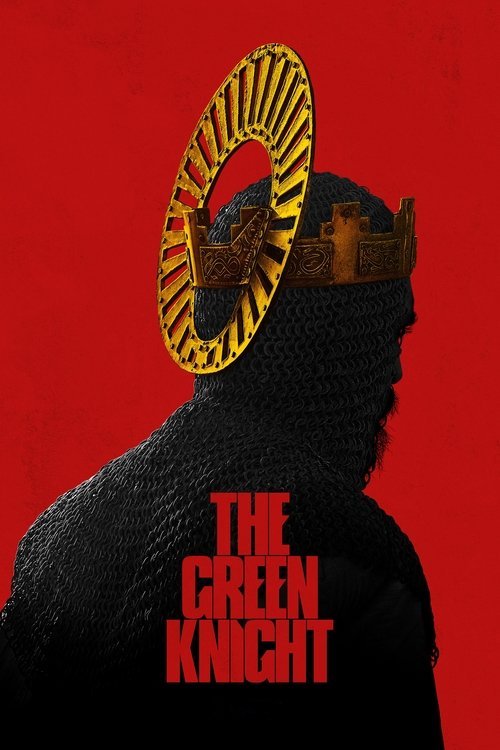
- →The Green Knight (2021)
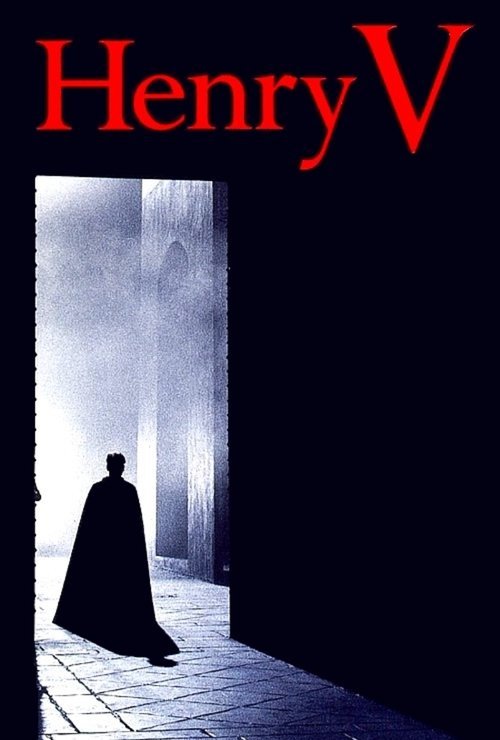
- →Henry V (1989)
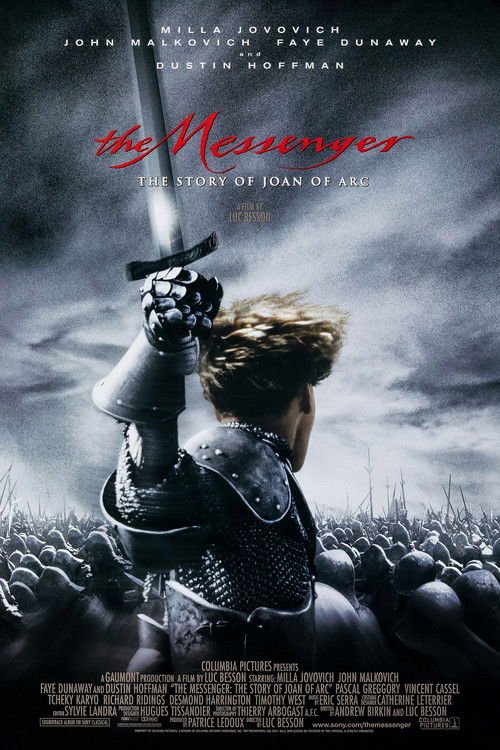
- →The Messenger: The Story of Joan of Arc (1999)
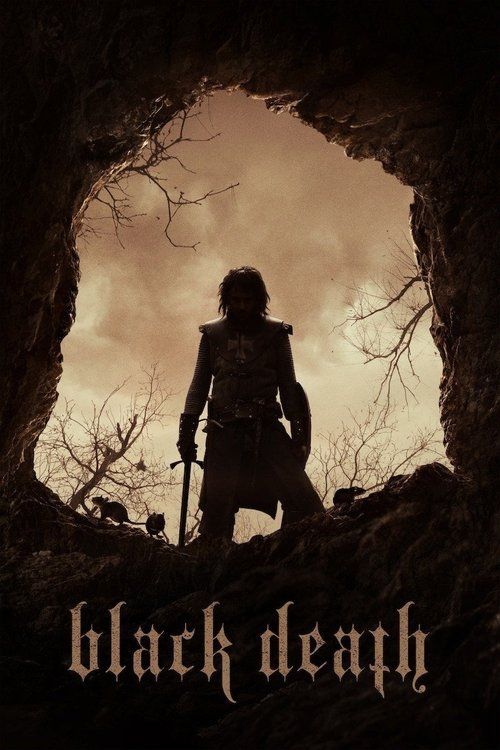
- →Black Death (2010)
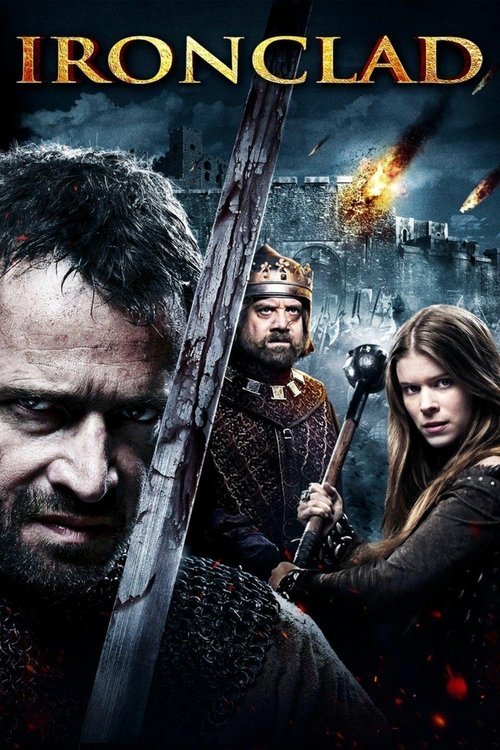
- →Ironclad (2011)
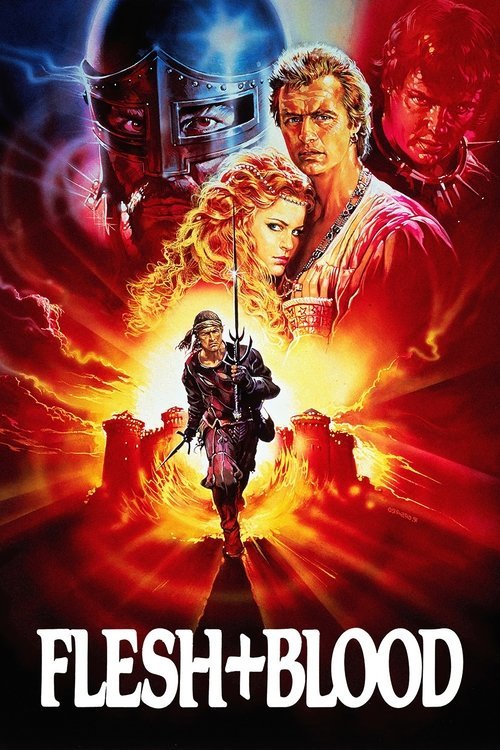
- →Flesh + Blood (1985)
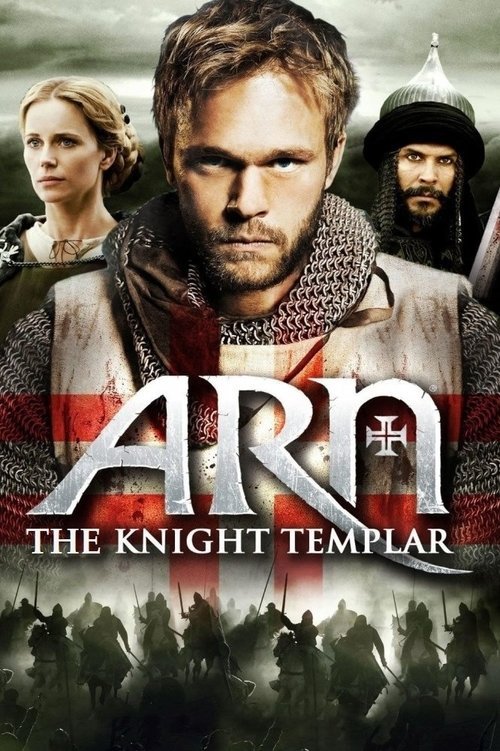
- →Arn: The Knight Templar (2007)
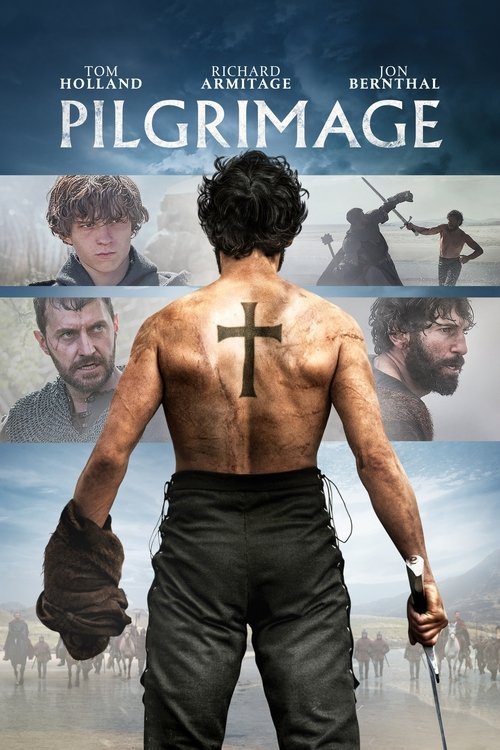
- →Pilgrimage (2017)
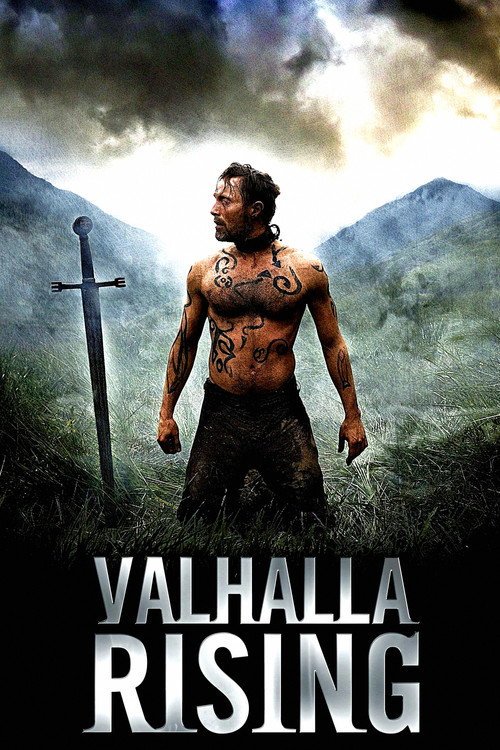
- →Valhalla Rising (2009)
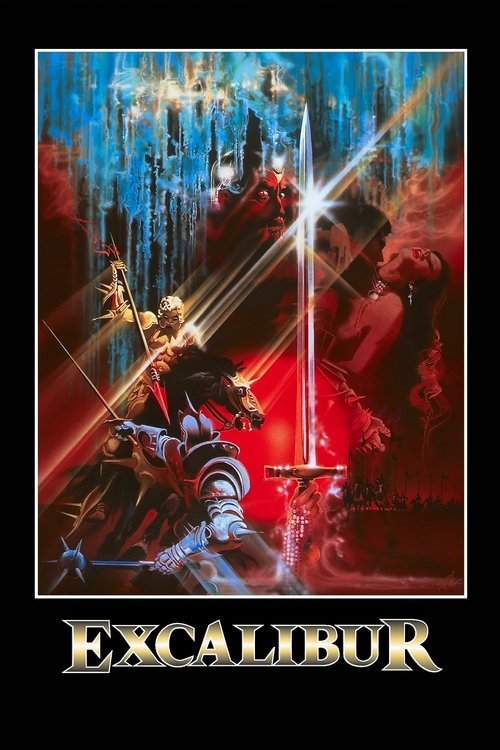
- →Excalibur (1981)
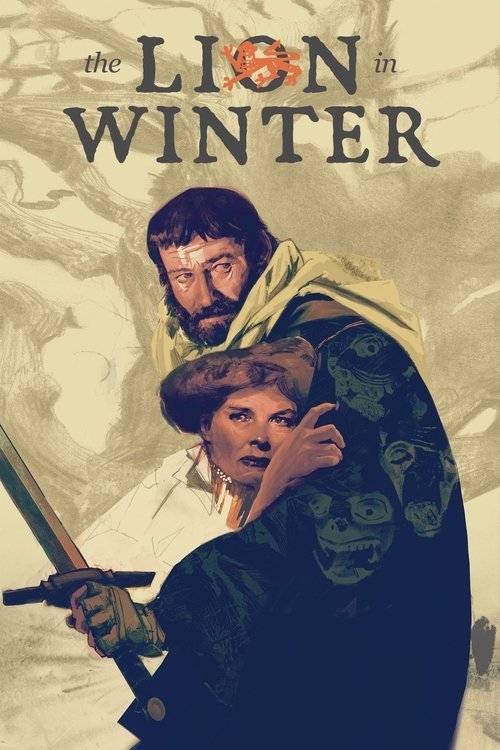
- →The Lion in Winter (1968)
Best Realistic Medieval Movies
Expanding Your Knowledge of Middle Ages Cinema
The cinematic appeal of the Middle Ages lies in its terrifying unpredictability and raw human drama. The titles highlighted above prove that you do not need dragons or wizards to create a compelling, larger-than-life narrative. By focusing on practical effects, heavily researched costume design, and uncompromising battle choreography, these directors have established a gold standard for historical cinema. They allow audiences to safely experience the visceral terror of a cavalry charge from the comfort of a theater seat.
If your appetite for historical warfare extends beyond feature films, television offers equally compelling narratives. While the best realistic medieval movies excel at delivering massive battles in a condensed runtime, long-form storytelling allows for even deeper political maneuvering. For those who enjoy television counterparts to these cinematic epics, read our guide to the best medieval TV series featuring battles and intrigue to prepare for your next viewing session.
FAQ About Realistic Medieval Movies
Why do realistic medieval movies often feature muted color palettes?
Directors utilize desaturated colors to visually communicate the harshness of the era. The lack of vibrant tones emphasizes the cold environments, muddy battlefields, and widespread disease that plagued the Middle Ages. This cinematography choice signals to the audience that they are watching a historically grounded drama rather than a fantasy epic.
Are realistic medieval movies typically accurate to actual history?
While they strive for authenticity in armor, weaponry, and set design, narrative liberties are frequently taken for dramatic pacing. A film like The Northman employs renowned historians to guarantee material accuracy, from longhouse construction to runic carvings. However, specific dialogue and interpersonal relationships are usually dramatized to satisfy modern storytelling requirements.
What makes a film qualify as one of the top realistic medieval movies?
The defining characteristic is a refusal to romanticize the time period. The best entries in this genre highlight the massive wealth disparities, the devastating effects of disease, and the horrific realities of hand-to-hand combat. They ground their narratives in dirt, weather, and physical suffering to create an immersive, uncompromising viewing experience.